High-Performance all metal valve Solutions for New Zealand Industry

Integrating precision fluid control and advanced connectivity infrastructure for the demanding environments of Oceania.

High-Performance all metal valve Solutions for New Zealand Industry

Providing New Zealand's industrial sector with rugged, leak-proof valve technologies and high-frequency signal transmission components to ensure operational continuity in geothermal and maritime settings.

Industrial Infrastructure Status in New Zealand

Analyzing the intersection of fluid control and communication hardware in the NZ market.

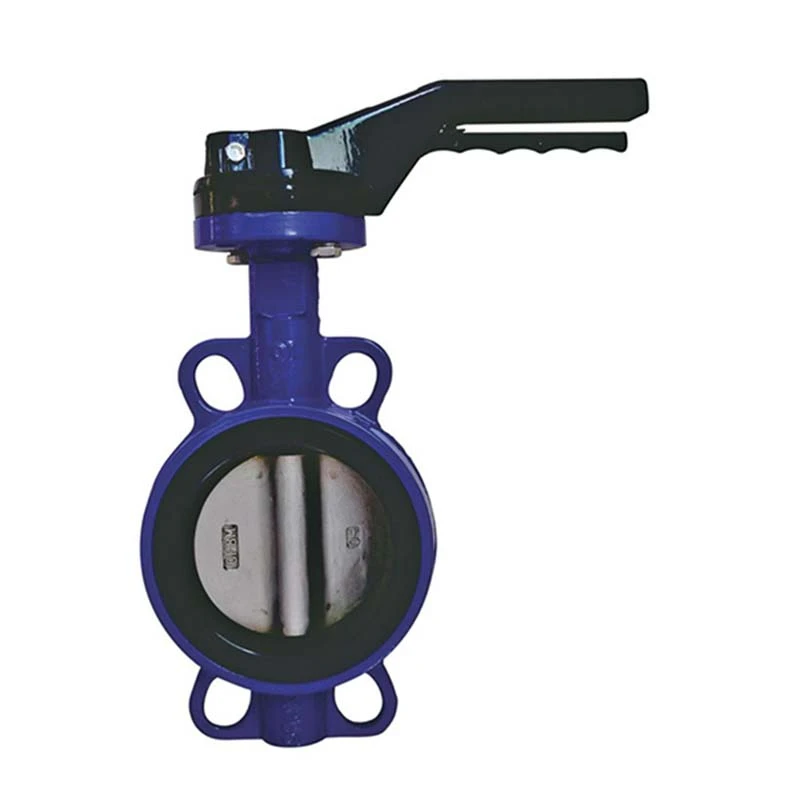
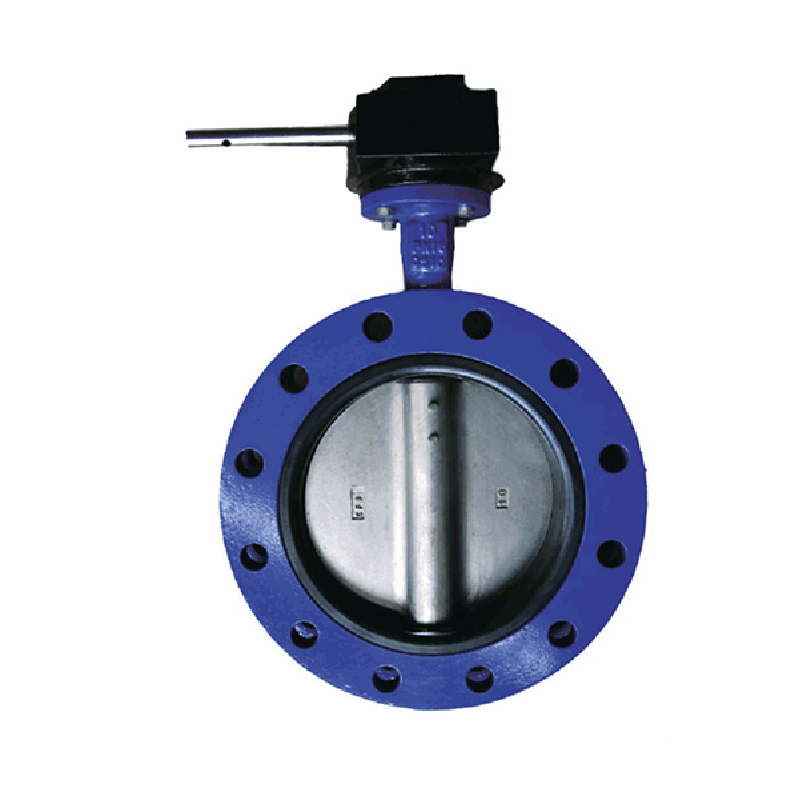
New Zealand's unique geography, characterized by intense geothermal activity and a vast coastline, places extreme demands on metal valve systems. The prevalence of corrosive hydrogen sulfide in geothermal fields requires materials that can withstand severe chemical erosion without failure.

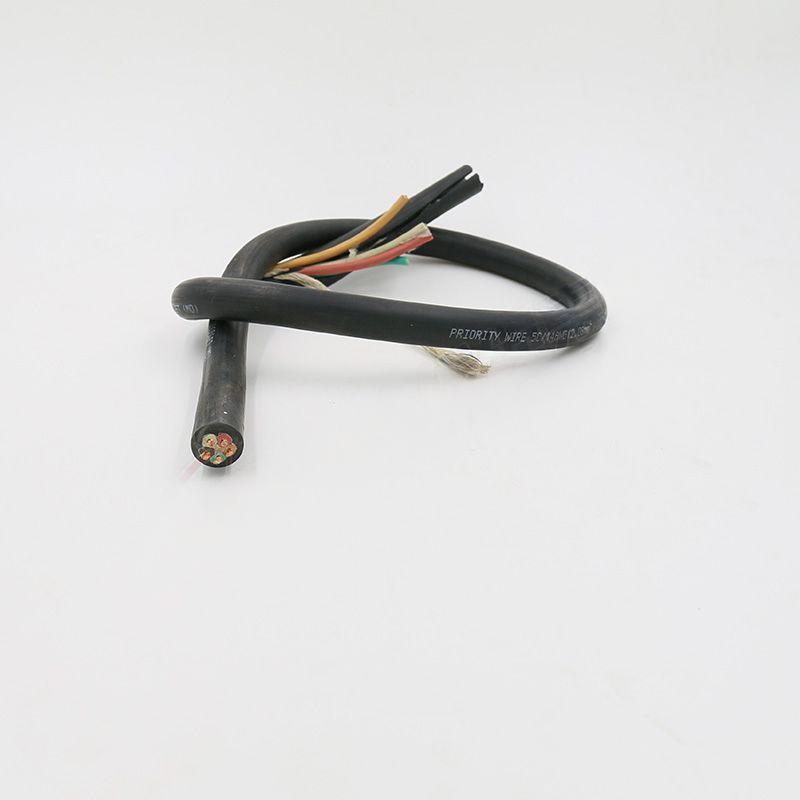
Simultaneously, the remote nature of New Zealand's agricultural and forestry sectors has led to a surge in demand for robust signal transmission. The integration of a coax to ethernet adapter has become critical for upgrading legacy monitoring systems to modern IP-based networks.

Currently, the market is shifting toward "all-metal" certifications to eliminate elastomer degradation. Whether it is the deployment of metalvalves in dairy processing or the installation of high-grade satellite cable for remote telemetry, the focus is on longevity and zero-maintenance cycles.
Evolution of Fluid and Signal Technology

From mechanical reliability to digital synchronization in the Oceania region.

Market Development History

In the late 20th century, New Zealand relied heavily on standard cast-iron valves and basic analog cabling. Fluid control was primarily manual, and signal transmission suffered from high attenuation over the rugged terrain of the Southern Alps.

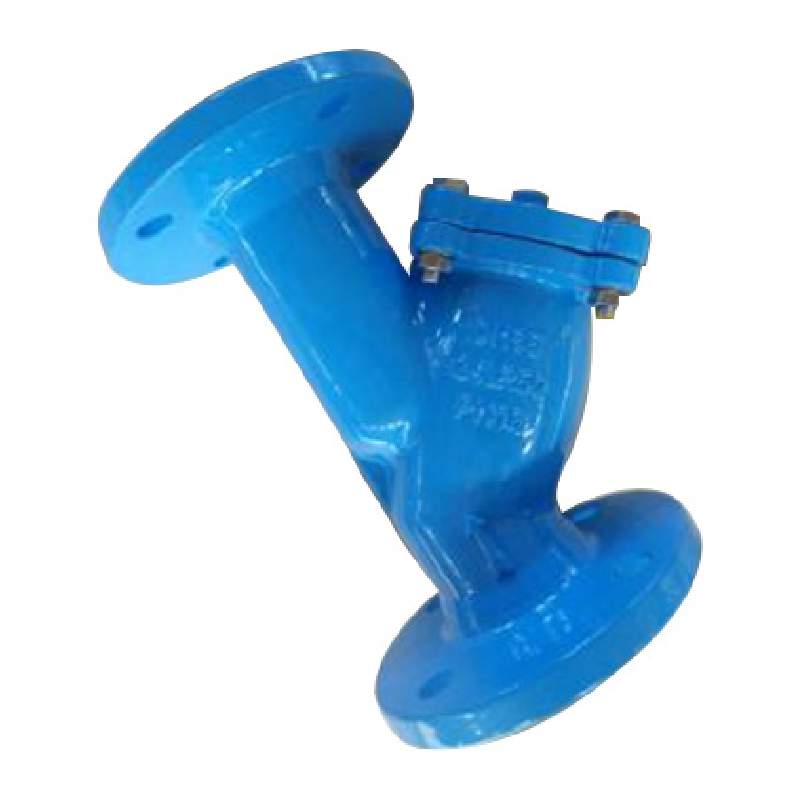
By the 2010s, the industry transitioned toward specialized alloys. The introduction of the metal valve with precision machining allowed for tighter seals in high-pressure steam applications, reducing energy loss in geothermal plants.

Entering the 2020s, the convergence of IoT and industrial hardware led to the widespread adoption of network converters. The transition from traditional coax to high-speed ethernet enabled real-time data flow from remote sensor nodes to central hubs.

Future Development Trends

Smart Actuation Integration

The shift toward Industry 4.0 will see valves integrated with AI-driven actuators that predict wear and tear before failure occurs.

Ultra-Low Latency Transmission

Upgrades in satellite cable technology will focus on reducing signal drift for precise synchronization of remote automated systems.

Sustainable Material Science

Next-generation alloys will prioritize carbon-neutral smelting processes while maintaining the extreme hardness required for industrial sealing.

Industry Trends and Future Outlook

Strategic forecasting for the valve and cabling sectors in New Zealand.

Digital Twin Synchronization
Using real-time data from valve sensors to create virtual models for predictive maintenance in NZ plants.
Hybrid Connectivity Hubs
Merging coaxial legacy systems with fiber-optic backbones via advanced signal adapters for remote stations.
Zero-Leak Certification
Stricter environmental regulations in Oceania are driving the adoption of absolute zero-leakage metal seals.
Autonomous Flow Control
Implementation of self-adjusting valves that react to pressure surges in real-time without human intervention.

Industry Outlook

Over the next 3-5 years, Google search trends for "industrial automation NZ" and "corrosion resistant valves" indicate a strong movement toward sustainable, long-lifecycle components. The focus is shifting from initial cost to total cost of ownership (TCO).

We anticipate that the integration of high-frequency signal adapters will become standard in all industrial valve control panels, allowing for seamless cloud integration and remote monitoring from Auckland to Invercargill.

Localized Application Scenarios in New Zealand

Real-world implementation of precision equipment in Oceania's toughest environments.

01. Geothermal Energy Extraction in Taupō

Deployment of high-temperature metalvalves to manage superheated steam and corrosive brine, preventing hazardous leaks and maximizing turbine efficiency.

02. Remote Dairy Farm Automation in Waikato

Utilizing a coax to ethernet adapter to bridge legacy milk-flow sensors with modern cloud-based management software for precision farming.

03. Offshore Marine Engineering in Auckland Harbor

Installation of salt-spray resistant all metal valve systems for ballast control and fuel transfer in heavy-duty maritime vessels.

04. Remote Research Stations in Antarctica (NZ Base)

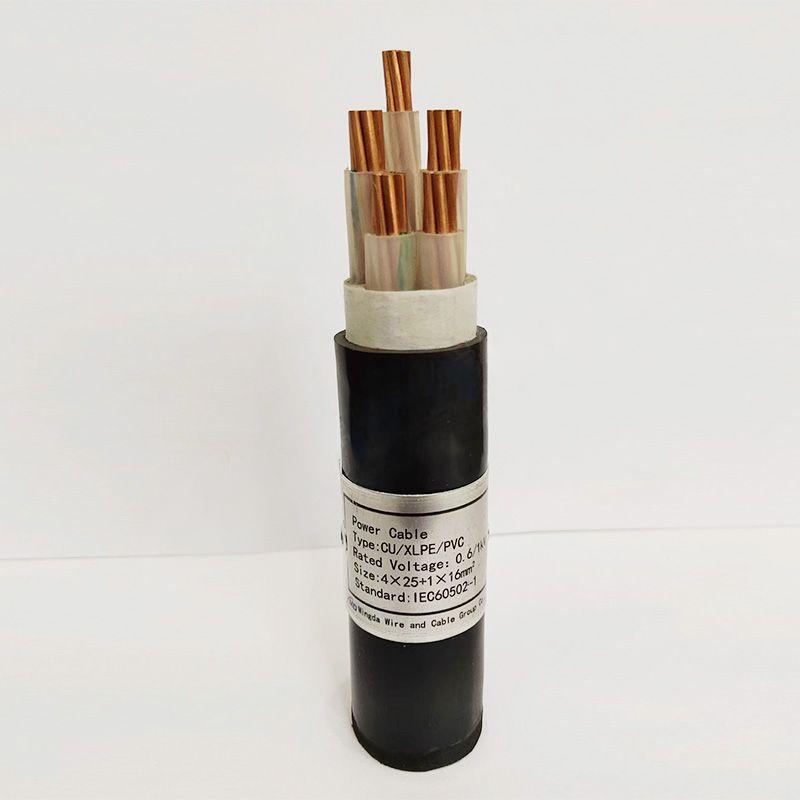
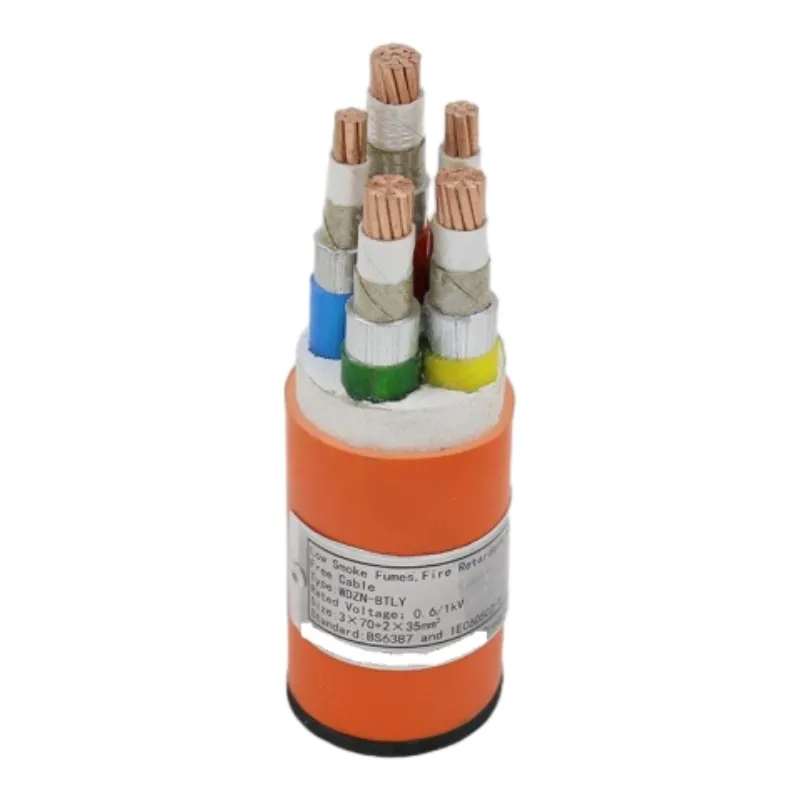
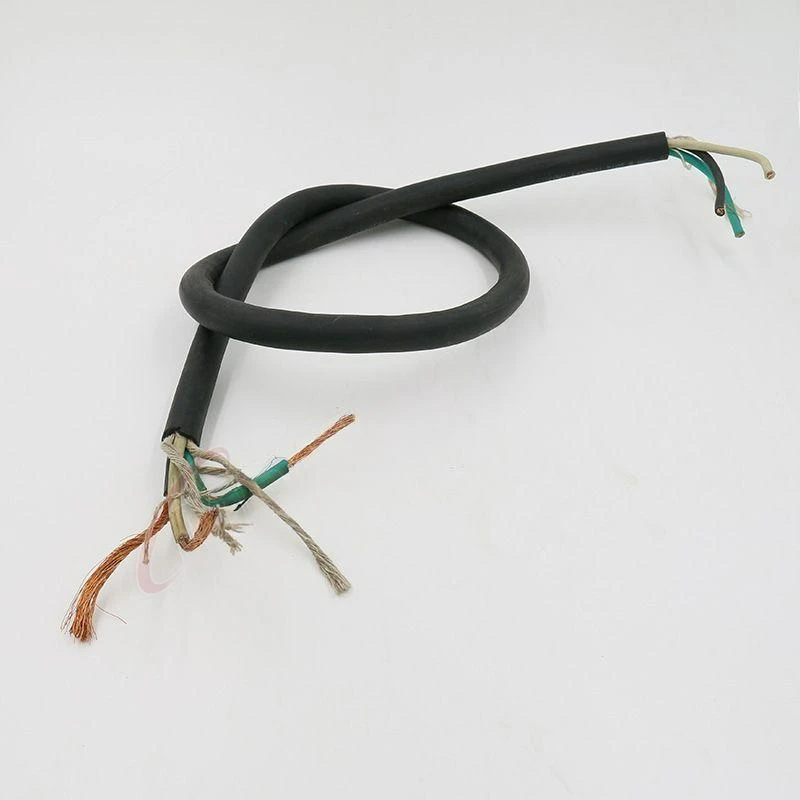
Using shielded satellite cable for critical weather data transmission where extreme cold renders standard cabling brittle.

05. Hydroelectric Power Plants in South Island

Implementing heavy-duty metal valve arrays to control high-pressure water flow in alpine dam systems, ensuring stability during peak loads.

Brand Story

Global Development History of Hebei Honest Trading Co., Ltd.

Foundation and Focus

Established with a mission to solve the critical failure of seals in harsh industrial environments, specializing in high-durability metal components.

Technical Breakthroughs

Developed proprietary machining techniques for metal-to-metal seating, eliminating the need for soft seals in high-pressure applications.

Market Expansion

Expanded operations into the Oceania region, tailoring products to meet the specific geothermal and maritime standards of New Zealand.

Diversification Strategy

Integrated signal transmission hardware into our portfolio to provide a complete "control and connect" solution for global clients.

Sustainable Future

Investing in green metallurgy to ensure that every valve produced contributes to a lower carbon footprint for the global manufacturing industry.

Integrated Hardware Portfolio for New Zealand

A comprehensive suite of fluid control and connectivity solutions engineered for the Pacific region.

Common Industrial Questions in New Zealand

Expert answers to the most frequent technical challenges faced by NZ engineers.

How does a metal valve perform in geothermal brine environments?

Our metal-seated valves utilize specialized corrosion-resistant alloys that prevent pitting and erosion caused by high-sulfur geothermal fluids common in New Zealand's volcanic zones.

Can a coax to ethernet adapter be used for long-distance farm monitoring?

Yes, these adapters allow you to utilize existing coaxial cabling to transmit IP data, significantly reducing the cost of laying new ethernet cables across large New Zealand estates.

What are the benefits of all metal valve designs over soft-seated ones?

All-metal designs eliminate polymers that degrade under high heat or chemical exposure, providing a longer service life and higher safety ratings for critical infrastructure.

Is satellite cable suitable for extreme cold in Southern Alps installations?

Our industrial-grade cabling features advanced UV and cold-resistant jackets that prevent cracking at sub-zero temperatures, ensuring stable signal transmission in alpine regions.

How do metalvalves ensure zero-leakage in high-pressure steam?

Through precision lap-grinding of the seating surfaces, we achieve a micron-level fit that creates a hermetic seal capable of withstanding extreme pressure differentials.

What certification standards apply to valves used in New Zealand's food industry?

Our products comply with international sanitary standards and local NZ health regulations, ensuring no contamination occurs during dairy or beverage processing.

Request Technical Consultation

Our engineering team is ready to support your industrial project in New Zealand with precision hardware and expert guidance.

Contact Us Now

If you are interested in our products, you can choose to leave your information here, and we will be in touch with you shortly.


en_USEnglish