
Aug . 28, 2025 03:00 Back to list
Wafer Type Knife Gate Valves: Compact & Reliable Flow Control
Understanding the Modern Industrial Landscape for Knife Gate Valves
The industrial sector constantly seeks robust, efficient, and cost-effective solutions for fluid control. Among the critical components, the knife gate valve wafer type stands out for its exceptional performance in handling slurries, viscous fluids, and bulk solids. This valve design is characterized by its thin profile and ease of installation between flanges, making it a preferred choice across various demanding applications. The market for these valves is experiencing consistent growth, driven by expansion in mining, wastewater treatment, pulp and paper, and power generation industries. Innovations in material science, actuator technology, and smart valve integration are further enhancing their appeal, offering improved reliability, reduced maintenance, and optimized operational efficiency. The demand for solutions that minimize energy consumption and reduce total cost of ownership is pushing manufacturers to refine designs and incorporate advanced features, setting new benchmarks for performance and longevity.
Key trends influencing the adoption of knife gate valves include the increasing focus on environmental regulations, which necessitate leak-tight seals and precise flow control in challenging media. Furthermore, the push towards automation and digitalization in industrial processes has led to the development of valves compatible with advanced control systems, enabling remote operation and predictive maintenance. Companies are investing in R&D to enhance the corrosion resistance and abrasive wear capabilities of these valves, ensuring their suitability for even the most aggressive media, thereby extending service life and reducing downtime. The flexibility of the wafer design allows for integration into existing pipe systems with minimal disruption, a significant advantage in large-scale industrial retrofits and upgrades.
Manufacturing Process Excellence for Wafer Knife Gate Valves
The manufacturing of a high-performance knife gate valve wafer type is a meticulously controlled process, combining advanced metallurgy with precision engineering. The objective is to produce a valve capable of reliable isolation in severe service conditions, often involving abrasive or corrosive media. The process begins with raw material selection, emphasizing specific alloys for the body, gate, and packing components tailored to application requirements.
Detailed Process Flow:
- Material Sourcing & Preparation: High-grade materials such as ductile iron, cast stainless steel (e.g., CF8M, Duplex, Super Duplex), or specialized alloys are sourced. For demanding applications, materials like Hastelloy or Inconel might be used. Raw materials undergo rigorous chemical analysis and mechanical testing to ensure compliance with standards like ASTM A216, ASTM A351, and others.
- Casting/Forging of Body Components: The valve body, a critical pressure-retaining part, is typically produced through precision casting or, for higher pressure ratings and superior mechanical properties, forging. Modern foundries utilize advanced techniques to ensure minimal porosity and optimal grain structure. Post-casting/forging, components undergo heat treatment to relieve stresses and enhance material properties.
- CNC Machining: State-of-the-art CNC machining centers are used to achieve the precise dimensions and surface finishes required for tight sealing and smooth operation. This includes machining of the wafer body bore, flange faces, gate guides, stem threads, and packing chamber. Tolerances are held to microns to ensure interchangeability and consistent performance.
- Gate Fabrication: The "knife" gate, often made from hardened stainless steel (e.g., 304, 316, 317L, or specially surface-treated alloys for abrasion resistance), is precisely cut and ground. The knife edge is meticulously polished to ensure clean cutting through media and effective seating. For some designs, the gate may be coated with hard-facing alloys like Stellite for enhanced wear resistance.
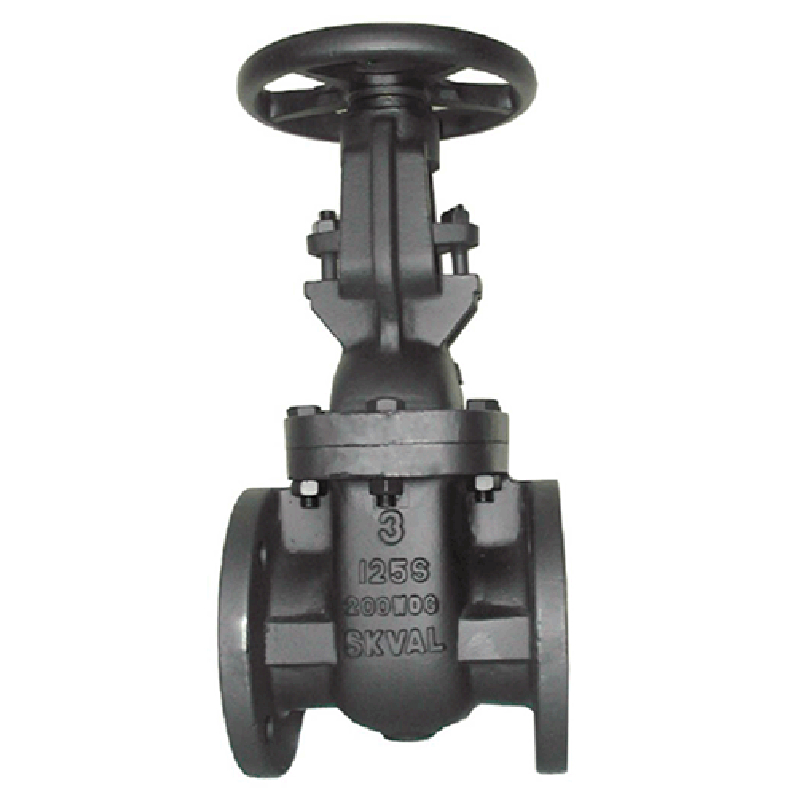
- Seat & Packing Assembly: The design for the MSS Metal Seat Gate Valve OS&Y, for example, features a metal seat, which demands extremely precise machining of both the gate and body seating surfaces. Packing materials, such as PTFE, graphite, or braided synthetic fibers, are selected based on temperature, pressure, and chemical compatibility, then carefully installed to ensure a leak-tight stem seal.
- Assembly: Components are meticulously assembled in a clean environment. This involves installing the gate, stem, packing gland, actuator (manual, pneumatic, electric), and other ancillary components. Proper alignment and torque specifications are critical for functional integrity.
- Testing & Quality Assurance: Every valve undergoes comprehensive testing according to international standards such as ISO 5208 (Pressure Testing of Valves), API 598 (Valve Inspection and Test), and ANSI/FCI 70-2 (Control Valve Seat Leakage). This typically includes hydrostatic shell testing, seat leakage testing, and operational cycle testing to verify performance. Non-destructive testing (NDT) like radiography, ultrasonic, magnetic particle, or liquid penetrant inspection may be performed on critical components to detect internal flaws.
- Surface Treatment & Finishing: Depending on the application, valves may receive specialized coatings (e.g., epoxy, anti-corrosion paints) for environmental protection or specific color coding. Final inspection checks dimensions, markings, and overall finish before packaging.
The rigorous adherence to these process steps, coupled with continuous quality control checkpoints, ensures that each knife gate valve wafer type delivers an exceptional service life, even in highly corrosive or abrasive target industries like petrochemicals, mining, metallurgy, and water supply & drainage. The meticulous engineering translates directly into advantages such as energy saving through minimal pressure drop and superior corrosion resistance, crucial for long-term operational integrity.
Technical Specifications and Performance Parameters
The technical specifications of a knife gate valve wafer type are critical for proper selection and integration into industrial systems. Understanding these parameters ensures optimal performance, safety, and compliance with industry standards. Below is a representative table of specifications often associated with high-quality knife gate valves, such as the MSS Metal Seat Gate Valve OS&Y.
Typical Product Specifications Table
| Parameter | Details / Range |
|---|---|
| Nominal Size (DN / NPS) | DN50 - DN1200 (2" - 48") |
| Pressure Class | PN10 / PN16 (150 PSI / 230 PSI) or higher as specified |
| Body Material | Ductile Iron (GGG40), Carbon Steel (WCB), Stainless Steel (CF8, CF8M, CF3M), Duplex, Super Duplex |
| Gate Material | Stainless Steel (304, 316, 317L), Hardened Stainless Steel, Hastelloy, Ceramic Coated |
| Seat Type | Metal-to-Metal (e.g., MSS Metal Seat), Resilient (PTFE, EPDM, Viton, NBR) |
| Packing Material | PTFE, Graphite, Aramid Fiber, Elastomer O-rings |
| Operating Temperature | -20°C to +400°C (-4°F to +752°F), material dependent |
| Actuation Options | Manual (handwheel, chainwheel), Pneumatic (double-acting, spring-return), Electric, Hydraulic |
| Design Standards | MSS SP-81, ASME B16.34 |
| Face-to-Face Dimension | MSS SP-81 (Wafer type) |
| Flange Connection | ASME B16.5, EN 1092-1 |
| Testing Standards | API 598, ISO 5208, ANSI/FCI 70-2 |
The wafer type design, by its nature, offers a compact installation footprint and reduced weight compared to traditional flange-end gate valves, which is a significant advantage in space-constrained layouts. The ability to handle high consistency media is attributed to the "knife" action of the gate, which shears through solids and ensures tight shut-off. This makes them distinct from other types of gate valves, such as the more robust slab type gate valve, which typically finds application in oil and gas pipelines for clean fluids. Understanding the nuances between two types of gate valves is crucial for system optimization. For instance, the wafer knife gate excels in applications where slurry accumulation or fiber entanglement would impede a conventional globe or ball valve. The OS&Y (Outside Screw and Yoke) design for the stem assembly provides visual indication of valve position and protects the stem threads from process media, enhancing durability and ease of maintenance.
Application Scenarios and Technical Advantages
The versatility and robust design of the knife gate valve wafer type allow it to serve in an extensive range of demanding industrial applications where conventional valves often fail. Its ability to handle challenging media with high solids content, corrosive properties, or abrasive particles makes it indispensable.
Typical Application Scenarios:
- Pulp and Paper Industry: Essential for handling pulp slurry, paper stock, and chemical additives. The knife gate's ability to cut through fibers prevents clogging, ensuring smooth operation and minimal downtime.
- Wastewater Treatment Plants: Ideal for sewage, sludge, and grit-laden water. Its full bore design and self-cleaning action prevent accumulation of solids. This is crucial for maintaining operational efficiency and preventing costly blockages in sluice valve types of applications.
- Mining and Mineral Processing: Used in slurry lines for ore processing, tailings, and chemical solutions. The robust construction and material options (e.g., abrasion-resistant gates) ensure longevity in highly abrasive environments.
- Power Generation: Found in ash handling systems, scrubber systems, and cooling water circuits, often dealing with coal ash slurries or other particulate-laden fluids.
- Chemical and Petrochemical: For handling corrosive chemicals, catalysts, and various slurries. Material selection, such as stainless steel or exotic alloys, is paramount for chemical compatibility and safety.
- Food and Beverage: In specific applications for conveying food products, syrups, or waste, where sanitary designs and easy cleaning are often integrated.
Technical Advantages:
- Superior Shut-off Capabilities: The sharp edge of the gate effectively cuts through suspended solids and fibers, ensuring a tight seal even in challenging media, significantly reducing leakage.
- Minimal Pressure Drop: When fully open, the valve offers a full-bore, unrestricted flow path, leading to negligible pressure drop. This translates directly into energy saving for pumping systems and reduced operational costs.
- Corrosion and Abrasion Resistance: Available in a wide array of materials, including various grades of stainless steel, duplex, and super duplex alloys, as well as specialized coatings (e.g., hard chrome plating, ceramic lining) for the gate and body. This allows for tailored solutions that offer exceptional corrosion resistance and extended service life in abrasive applications.
- Compact Design: The wafer style is inherently lightweight and has a short face-to-face dimension, requiring less installation space and reducing support structure requirements. This makes them a cost-effective choice for installation and maintenance.
- Ease of Maintenance: Many designs allow for inline maintenance of packing, reducing downtime. The simple design with fewer moving parts also contributes to lower maintenance needs.
- Bi-directional Sealing Options: While many types of knife gate valves are uni-directional, bi-directional sealing options are available, expanding their utility in various process control requirements.
These advantages collectively position the knife gate valve wafer type as a highly reliable and economically viable solution for demanding industrial isolation applications, contributing significantly to operational efficiency and safety across diverse sectors.
Vendor Comparison and Customized Solutions
Selecting the right vendor for knife gate valve wafer type solutions is a strategic decision that impacts operational longevity, maintenance costs, and overall system reliability. While many manufacturers offer these valves, key differentiators emerge in product quality, engineering support, customization capabilities, and after-sales service.
Key Factors for Vendor Comparison:
- Material Quality and Certification: Reputable vendors ensure that all raw materials meet stringent international standards (e.g., ASTM, EN) and provide material test reports. Certifications like ISO 9001 are indicators of a robust quality management system.
- Manufacturing Precision: The quality of casting, forging, and CNC machining directly affects valve performance and lifespan. Vendors employing advanced manufacturing technologies generally produce more reliable valves.
- Design Innovation: Look for vendors who offer innovative features such as enhanced gate guiding, improved sealing mechanisms, or modular designs for easier maintenance. Some may specialize in particular types of knife gate valves, like those with flush-bottom designs for no-clog performance.
- Testing and Validation: Comprehensive in-house testing facilities that adhere to international standards (API 598, ISO 5208) demonstrate a commitment to product integrity.
- Customization Capabilities: The ability to provide tailored solutions for specific process parameters, including exotic materials, specialized coatings, unique actuation requirements, or modified face-to-face dimensions, is crucial for complex applications.
- Technical Support and Expertise: A vendor with a team of experienced engineers can provide invaluable assistance in valve selection, system integration, and troubleshooting.
- Lead Time and Supply Chain Reliability: For critical projects, a vendor's ability to consistently meet delivery schedules and manage supply chain logistics is paramount.
Customized Solutions for Unique Challenges:
Recognizing that no two industrial applications are exactly alike, leading manufacturers of knife gate valve wafer type solutions often offer extensive customization options. This bespoke approach ensures that valves are perfectly matched to specific operational demands, maximizing performance and minimizing total cost of ownership.
- Material Selection: Beyond standard materials, customization extends to specifying super alloys (e.g., Hastelloy, Titanium) for extreme corrosion resistance, or specialized ceramics for severe abrasion.
- Actuation Integration: From sophisticated intelligent electric actuators with fieldbus communication to custom pneumatic cylinder sizes for specific thrust requirements, tailored actuation ensures seamless integration into existing control systems.
- Seating and Sealing Configurations: While the MSS Metal Seat Gate Valve OS&Y offers a robust metal seat, other applications might require specific resilient seat materials (e.g., high-temperature Viton, chemically resistant PTFE) or specialized packing arrangements (e.g., live-loaded packing) for fugitive emission control.
- Body and Port Designs: Custom body designs can include flush-bottom ports to prevent media accumulation, V-notch gates for flow control, or reinforced bodies for higher pressure applications.
- Surface Treatments: Hard-facing of the gate (e.g., Stellite overlay), specialized coatings for enhanced abrasion or chemical resistance, and internal/external lining options are available for tailored protection.
- Instrumentation and Accessories: Integration of limit switches, positioners, solenoid valves, air filters/regulators, and bypass arrangements as factory-mounted options.
By collaborating with a vendor offering robust customization, clients can achieve optimized process performance, extended service life, and reduced operational risks. This partnership approach transforms a standard component into a highly engineered solution specifically designed to overcome complex industrial challenges.
Application Case Studies and Real-World Impact
Real-world application case studies vividly illustrate the tangible benefits and problem-solving capabilities of the knife gate valve wafer type in diverse industrial settings. These examples highlight how robust engineering and careful material selection translate into improved operational efficiency, reduced maintenance, and enhanced safety.
Case Study 1: Tailings Management in a Gold Mine
- Challenge: A large gold mining operation in Western Australia struggled with frequent failures of conventional gate valves in their tailings slurry lines. The highly abrasive nature of the mineral-laden slurry, combined with high pressures, caused rapid erosion of valve internals, leading to costly leaks, unscheduled downtime, and safety hazards. Maintenance cycles were as frequent as every 3-4 months.
- Solution: The mine implemented a series of DN300 (12-inch) knife gate valves, specifically a wafer type with a reinforced body of Duplex stainless steel and a hardened, ceramic-coated gate. The valve was equipped with a heavy-duty pneumatic actuator to ensure reliable operation under high differential pressure.
- Results: After 18 months of continuous operation, the new valves exhibited minimal wear. The robust design and abrasion-resistant materials significantly extended the service life by over 400%, reducing maintenance interventions from quarterly to annually. This resulted in an estimated annual saving of over $250,000 in replacement parts and labor, alongside a notable improvement in worker safety due to fewer interventions in hazardous areas.
Case Study 2: Pulp Stock Isolation in a Paper Mill
- Challenge: A paper mill in North America experienced persistent issues with clogging and poor sealing in their medium-consistency pulp stock lines. Fibers would accumulate around the seating area of their existing gate valves, preventing full closure and leading to process inefficiencies and significant water loss.
- Solution: The mill replaced the problematic valves with DN400 (16-inch) knife gate valves, featuring a full-port wafer design and a polished 316L stainless steel gate. The specific design included resilient PTFE seating, which allowed the knife edge to shear cleanly through fibers without damage, ensuring a bubble-tight shut-off.
- Results: The new valves completely eliminated the clogging issue. The improved sealing prevented pulp stock leakage, leading to a measured reduction in water consumption by 15% in that section of the plant. Operational reliability increased, contributing to a 5% improvement in overall production uptime. The success of this implementation led the mill to standardize on this type of knife gate valve for similar applications across their facility.
Case Study 3: Sludge Dewatering in Municipal Wastewater Treatment
- Challenge: A major metropolitan wastewater treatment plant needed reliable isolation for its thickened sludge lines feeding dewatering presses. The highly viscous and abrasive sludge, containing various particulates, caused premature wear and binding in existing conventional valves, leading to frequent manual intervention and system bypasses.
- Solution: The plant upgraded to DN250 (10-inch) wafer knife gate valves with robust ductile iron bodies and corrosion-resistant 316 stainless steel gates. Key to the solution was a full-port design and a unique packing configuration designed for highly viscous media, ensuring smooth operation and positive shut-off.
- Results: The installation of the new knife gate valves resolved the issues of binding and incomplete shut-off. Operational efficiency of the dewatering presses improved due to more consistent sludge feeding and reliable isolation when maintenance was required. The valves have performed flawlessly for over three years, demonstrating significant cost savings in labor and reduced process disruptions. This highlights the suitability of knife gate valve wafer type solutions for the most challenging fluid control applications.
Ensuring Trust: Certifications, Support, and Warranty
In B2B procurement, trust is built on demonstrable quality, reliable support, and clear commitments. For critical components like the knife gate valve wafer type, this means transparency in certifications, comprehensive customer service, and robust warranty policies.
Authoritativeness through Certifications and Partnerships:
Our commitment to quality is underpinned by adherence to international standards and verifiable certifications. Products like the MSS Metal Seat Gate Valve OS&Y are manufactured under strict quality management systems:
- ISO 9001:2015 Certification: This ensures a comprehensive quality management system across all stages of design, development, production, installation, and servicing.
- CE Marking: Products conform to the health, safety, and environmental protection standards for products sold within the European Economic Area.
- API Standards Compliance: Adherence to American Petroleum Institute (API) standards, such as API 598 for valve inspection and testing, signifies suitability for demanding oil and gas applications.
- MSS SP-81 Compliance: Specifically for stainless steel knife gate valves, ensuring standardized face-to-face dimensions and design criteria.
- Partnerships: Long-standing relationships with leading engineering firms and industrial clients globally, spanning over two decades of dedicated service, reflect deep industry experience and trust.
Frequently Asked Questions (FAQ):
- Q1: What industries primarily benefit from wafer knife gate valves?
- A1: They are predominantly used in pulp and paper, wastewater treatment, mining, power generation (ash handling), chemical processing, and certain food & beverage applications, especially where slurries, abrasive media, or fibrous materials are present.
- Q2: How does the wafer design compare to flanged or lugged knife gate valves?
- A2: The wafer design is the most compact and cost-effective, fitting between existing flanges. Lugged versions offer individual bolt holes for easier removal and installation, while flanged designs provide the strongest connection and are typically heavier. Wafer designs are preferred for minimal space and weight requirements.
- Q3: What maintenance is typically required for a knife gate valve?
- A3: Primary maintenance involves inspecting and replacing the stem packing and, less frequently, the seat (if resilient) or inspecting the gate for wear. Regular lubrication of the stem and actuator is also recommended. The OS&Y design allows for easier access to packing for maintenance.
- Q4: Can these valves be automated?
- A4: Absolutely. Knife gate valves are fully compatible with pneumatic, electric, and hydraulic actuators for remote or automated operation. We offer a range of actuation options tailored to specific process control needs.
Lead Time & Fulfillment:
We understand the critical nature of project timelines. Our standardized knife gate valve wafer type products typically have a lead time of 4-6 weeks for common sizes and materials. For custom-engineered solutions or large-volume orders, lead times will be provided upon detailed quotation. We maintain a robust inventory of critical components and raw materials to expedite urgent requirements, and our logistics team ensures efficient global shipping and delivery.
Warranty & After-Sales Support:
All our valves, including the MSS Metal Seat Gate Valve OS&Y, come with a standard 12-month warranty from installation or 18 months from shipment, whichever comes first, covering defects in materials and workmanship. Our dedicated after-sales support team provides technical assistance, spare parts, and on-site service when required, ensuring long-term operational peace of mind. Comprehensive documentation, including operation and maintenance manuals, is provided with every delivery.
Authoritative References
1. ASME B16.34-2020. Valves—Flanged, Threaded, and Welding End. American Society of Mechanical Engineers.
2. MSS SP-81-2019. Stainless-Steel, Fabricated, and Cast Iron Body Wafer and Lug-Type Knife Gate Valves. Manufacturers Standardization Society of the Valve and Fittings Industry.
3. API Std 598-2016. Valve Inspection and Testing. American Petroleum Institute.
4. ISO 5208:2015. Industrial Valves — Pressure Testing of Metallic Valves. International Organization for Standardization.
5. ANSI/FCI 70-2-2013. Control Valve Seat Leakage. Fluid Controls Institute, Inc.
Share
Latest news
-
Understanding the 6 butterfly valve price Industrial Buying GuideNewsApr.16,2026
-
Analyzing the 50mm Butterfly Valve Price and Buyer GuideNewsApr.09,2026
-
Comprehensive Guide to 40mm Butterfly Valve Price Factors and Quality ConsiderationsNewsApr.07,2026
-
Comprehensive Guide to 4 Inch Sluice Valve Price and Key Selection FactorsNewsApr.04,2026
-
Comprehensive Guide to 4 Butterfly Valve Price Factors and Ranges in 2024NewsMar.31,2026
-
Comprehensive Guide to 300mm Butterfly Valve Price and Industrial ApplicationsNewsMar.28,2026
 English
  Afrikaans
  Albanian
  Amharic
  Arabic
  Armenian
  Azerbaijani
  Basque
  Belarusian
  Bengali
  Bosnian
  Bulgarian
  Catalan
  Cebuano
  China
China  China (Taiwan)
  Corsican
  Croatian
  Czech
Czech  Danish
  Dutch
Dutch  Esperanto
  Estonian
  Finnish
  French
  Frisian
  Galician
  Georgian
  German
  Greek
Greek  Gujarati
  Haitian Creole
  Hausa
Hausa  Hawaiian
  Hebrew
  Hindi
Hindi  Miao
Miao  Hungarian
  Icelandic
  Igbo
Igbo  Indonesian
  Irish
Irish  Italian
  Japanese
  Javanese
  Kannada
  Kazakh
  Khmer
Khmer  Rwandese
  Korean
  Kurdish
  Kyrgyz
  Lao
Lao  Latin
Latin  Latvian
  Lithuanian
  Luxembourgish
  Macedonian
  Malgashi
  Malay
Malay  Malayalam
  Maltese
  Maori
Maori  Marathi
  Mongolian
  Myanmar
  Nepali
  Norwegian
  Norwegian
  Occitan
  Pashto
  Persian
  Polish
  Portuguese
  Punjabi
  Romanian
  Russian
  Samoan
  Scottish Gaelic
  Serbian
  Sesotho
  Shona
Shona  Sindhi
  Sinhala
  Slovak
  Slovenian
  Somali
  Spanish
  Sundanese
  Swahili
  Swedish
  Tajik
Tajik  Tamil
Tamil  Tatar
Tatar  Telugu
  Thai
Thai  Turkish
  Turkmen
  Ukrainian
  Urdu
Urdu  Uighur
  Uzbek
Uzbek  Vietnamese
  Welsh
Welsh  Bantu
Bantu  Yiddish
  Yoruba
  Zulu
Zulu