Aug . 29, 2025 03:00 Back to list
Precision Hale Valves: Reliable Ball, Relief & Intake Control
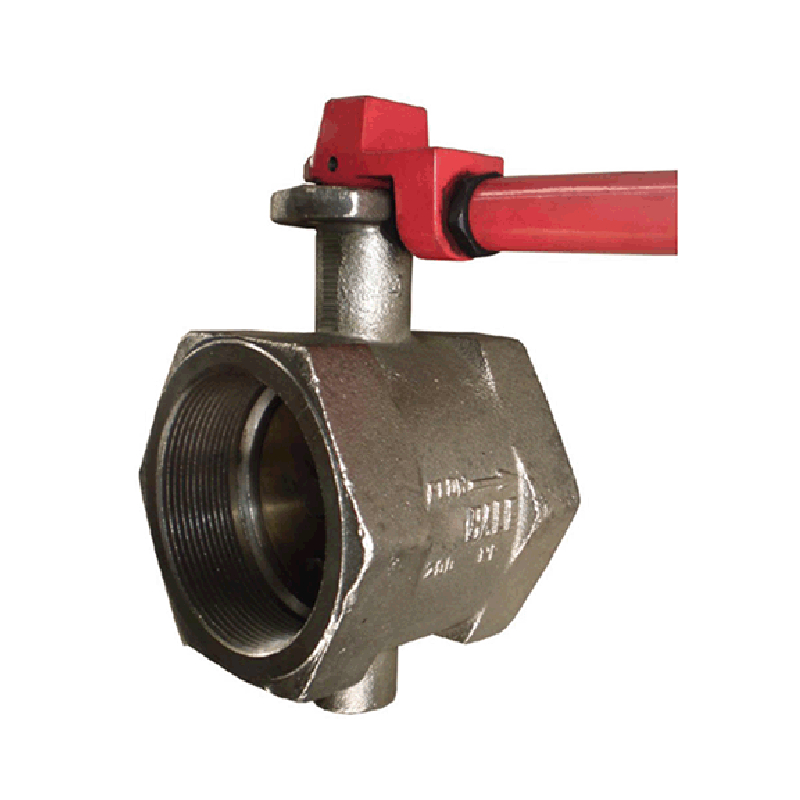
In the demanding landscape of industrial fluid control, the hale valve stands as a cornerstone for reliable and efficient operations. This critical component, encompassing variations such as the hale ball valve, hale pressure relief valve, hale primer valve, and hale master intake valve, is engineered to meet the stringent requirements of diverse sectors, from petrochemical and metallurgy to water supply and firefighting. This article provides an in-depth exploration of its manufacturing, technical attributes, application versatility, and the strategic advantages it offers to B2B decision-makers and engineers.
Manufacturing Process Flow of the Hale Valve
The production of a high-performance hale valve involves a meticulously controlled process designed to ensure durability, precision, and adherence to global standards. This multi-stage process guarantees that each valve delivers exceptional reliability in its intended application.
Key Stages in Valve Manufacturing:
- Material Selection and Procurement: The foundation of any robust valve lies in its materials. Common choices for hale valve components include stainless steel (304, 316, Duplex), carbon steel (WCB, LCB), bronze alloys, and specialized materials for corrosive or high-temperature environments. Materials are procured from certified suppliers and undergo stringent quality checks to verify chemical composition and mechanical properties, complying with ASTM/ASME standards.
-
Casting or Forging: Depending on the valve type and desired strength, valve bodies and major components are either cast or forged.
- Casting: Precision casting techniques (e.g., investment casting or sand casting) create complex valve bodies with minimal material waste, suitable for various shapes and sizes.
- Forging: Forging provides superior mechanical strength and improved grain structure, ideal for high-pressure or critical service applications. This process enhances the valve's resistance to fatigue and stress.
- CNC Machining: Advanced Computer Numerical Control (CNC) machines are utilized for precise machining of valve components, including seating surfaces, stems, and flanges. This ensures tight tolerances, superior surface finishes, and accurate dimensions critical for effective sealing and smooth operation.
- Assembly: Skilled technicians meticulously assemble the individual components, including the body, bonnet, stem, disc/ball, seats, and packing. Lubrication and proper torqueing are applied according to engineering specifications.
-
Testing and Quality Control: Every hale valve undergoes rigorous testing to ensure its integrity and performance.
- Hydrostatic Test: Verifies the pressure-retaining capability of the valve body and bonnet according to standards like API 598, ISO 5208, and ANSI/FCI 70-2.
- Seat Leakage Test: Ensures bubble-tight or specified leakage rates at designated pressures.
- Operational Test: Checks the smooth and correct functioning of the valve mechanism.
- Non-Destructive Testing (NDT): Includes radiographic, ultrasonic, magnetic particle, or liquid penetrant inspection for critical components.
- Surface Treatment and Finishing: Depending on the application, valves may undergo surface treatments like painting, coating (e.g., epoxy, anti-corrosion), or passivation to enhance corrosion resistance and aesthetics.
The typical service life of a well-maintained hale valve can range from 15 to 30 years, depending on the application severity, material selection, and operational frequency. Target industries include petrochemical, oil & gas, metallurgy, power generation, chemical processing, water supply & drainage, and fire protection systems. Advantages in typical scenarios include significant energy saving through optimized flow characteristics and reduced pressure drop, superior corrosion resistance due to advanced material selection, and exceptional reliability minimizing downtime.
Industry Trends and Market Dynamics
The global industrial valve market is experiencing robust growth, driven by ongoing industrialization, extensive infrastructure development, and the increasing demand for automation in process industries. Key trends influencing the hale valve segment include:
- Digitalization and Smart Valves: The integration of IoT sensors, actuators, and advanced control systems is transforming traditional valves into smart devices. This allows for real-time monitoring, predictive maintenance, and optimized flow control, significantly enhancing operational efficiency and safety.
- Sustainability and Energy Efficiency: Growing environmental concerns and stricter regulations are pushing manufacturers towards designing valves that minimize energy consumption and reduce emissions. Valves with low pressure drop and superior sealing capabilities are highly sought after.
- Material Innovation: Advancements in metallurgy and composite materials are leading to the development of valves that offer superior corrosion resistance, higher temperature and pressure ratings, and extended service life, particularly for aggressive media applications.
- Customization and Modularity: The demand for tailored valve solutions that fit specific application requirements, including specialized connections, coatings, and automation interfaces, is on the rise. Modular designs offer flexibility and ease of maintenance.
- Safety and Regulatory Compliance: With increased scrutiny on industrial safety, valves must comply with a growing array of international standards (e.g., API, ISO, CE, PED, SIL ratings) ensuring safe and reliable operation, particularly for critical applications like hale pressure relief valve and hale primer valve systems.
These trends underscore the importance of continuous innovation and quality assurance in the production of hale valve solutions to meet evolving industrial demands.
Technical Specifications and Parameters
The technical specifications of hale valve products are engineered to cater to a broad spectrum of industrial requirements, ensuring optimal performance across various operating conditions.
Key Technical Parameters:
- Pressure Ratings: Valves are designed to handle a wide range of pressures, typically specified by ANSI classes (e.g., Class 150, 300, 600, 900, 1500, 2500) or PN ratings (e.g., PN10, PN16, PN25, PN40, up to PN420).
- Temperature Ranges: Operating temperatures can vary from cryogenic (-196°C) to high-temperature applications (up to 800°C), depending on materials and design.
- Sizes: Available in nominal pipe sizes (NPS) from 1/2 inch to 48 inches, or nominal diameters (DN) from DN15 to DN1200, accommodating pipelines of diverse capacities.
- Connection Types: Common connection types include flanged (RF, RTJ), threaded (NPT, BSP), butt-weld (BW), socket-weld (SW), and wafer or lug designs, ensuring compatibility with existing piping systems.
- Materials of Construction: Selection includes cast iron, ductile iron, carbon steel (WCB, A105), stainless steel (CF8, CF8M, CF3M), duplex and super duplex stainless steels, bronze, Monel, Hastelloy, and other exotic alloys for specific corrosive or extreme conditions.
- Actuation: Manual (handwheel, lever, gearbox), pneumatic, hydraulic, and electric actuation options are available, enabling integration into automated control systems.
Product Specification Table: Standard Hale Ball Valve (Floating Type)
| Parameter | Specification |
|---|---|
| Valve Type | Hale Ball Valve, Floating |
| Size Range | NPS 1/2" - 10" (DN15 - DN250) |
| Pressure Class | ANSI Class 150, 300, 600 / PN16, PN25, PN40 |
| Body Material | Carbon Steel (WCB), Stainless Steel (CF8M, CF8), Duplex SS |
| Ball Material | Stainless Steel (304, 316), Coated Carbon Steel |
| Seat Material | PTFE, RPTFE, PEEK, Metal Seated |
| Temperature Range | -29°C to 200°C (Dependent on Seat Material) |
| Connection Type | Flanged (RF, RTJ), Threaded (NPT, BSP), BW, SW |
| Design Standard | API 6D, API 608, ASME B16.34 |
| Testing Standard | API 598, ISO 5208 |
Application Scenarios Across Industries
The versatility of the hale valve family ensures its deployment across a multitude of critical applications, each variant tailored to specific operational demands.
-
Hale Ball Valve:
Widely utilized for on-off isolation and throttling in pipelines, chemical processing plants, oil and gas transmission, and power generation. Its quarter-turn operation ensures quick action and reliable sealing. Ideal for systems requiring tight shut-off and minimal pressure drop for efficient fluid transfer.
-
Hale Pressure Relief Valve:
Essential safety devices used to protect pressure vessels, boilers, and piping systems from overpressure conditions. Crucial in petrochemical refineries, gas processing plants, and power plants, where sudden pressure spikes can lead to catastrophic failures. These valves automatically discharge excess pressure, then re-seat once normal conditions are restored, preventing equipment damage and ensuring personnel safety.
-
Hale Primer Valve:
A specialized valve primarily found in firefighting applications. It is integral to fire pump priming systems, ensuring that centrifugal pumps remain filled with water, ready for immediate operation. This guarantees the rapid deployment of water for fire suppression, a critical function in municipal fire departments and industrial fire protection systems.
-
Hale Master Intake Valve:
Another vital component in fire apparatus. This valve controls the flow of water from a supply source (e.g., hydrant, tanker) into the fire pump, allowing firefighters to manage water intake efficiently and safely during active operations. Its robust design ensures reliable performance under demanding emergency conditions.
The deployment of the appropriate hale valve variant ensures not only operational efficiency but also paramount safety and system integrity across these diverse and critical applications.
Technical Advantages and Performance Benefits
Investing in a high-quality hale valve yields substantial technical advantages and long-term performance benefits for industrial operations.
- Superior Durability and Service Life: Constructed from robust materials and engineered for demanding conditions, hale valve products offer exceptional resistance to wear, erosion, and fatigue, leading to extended operational life and reduced replacement frequency.
- Precision Engineering for Reliable Sealing: Advanced machining and stringent quality control ensure tight tolerances and superior surface finishes, resulting in leak-tight seals. This is crucial for preventing media loss, minimizing environmental impact, and maintaining process efficiency.
- Optimized Flow Characteristics: Designs prioritize minimal pressure drop and turbulence, leading to more efficient fluid transfer and reduced energy consumption for pumping systems. This translates directly into operational cost savings.
- Corrosion and Chemical Resistance: A wide selection of material options, including stainless steel, duplex alloys, and specialized coatings, provides unparalleled resistance to corrosive media, high temperatures, and abrasive fluids, ensuring integrity in aggressive environments.
- Reduced Maintenance Requirements: The robust construction and reliable performance of hale valve products significantly reduce the need for frequent maintenance, minimizing downtime and associated labor costs.
- Compliance with International Standards: Adherence to leading industrial standards such as API, ANSI, ISO, and relevant certifications (e.g., PED, CE, SIL) guarantees product quality, safety, and interoperability across global projects.
Vendor Comparison: Key Differentiators
Selecting the right hale valve vendor is crucial for long-term project success. Key differentiators extend beyond initial purchase price to encompass product quality, engineering support, and after-sales service.
Factors for Vendor Evaluation:
- Product Quality and Certifications: Verify adherence to international standards (e.g., ISO 9001, API Monogram) and specific industry certifications relevant to your application (e.g., PED for European markets, SIL for safety instrumented systems).
- Engineering Expertise and Customization Capabilities: Assess the vendor's ability to provide tailored solutions for unique operating conditions, including material selection, specific end connections, or automation integration.
- After-Sales Support and Technical Assistance: Evaluate the availability of spare parts, technical troubleshooting, field service, and maintenance training.
- Lead Time and Supply Chain Reliability: Understand the typical delivery schedules and the vendor's capacity to meet large or urgent orders efficiently.
- Total Cost of Ownership (TCO): Consider not just the initial cost but also installation, energy consumption, maintenance, and potential downtime costs over the valve's lifecycle.
Product Feature Comparison Table: Hale Valve Types
| Feature | Hale Ball Valve | Hale Pressure Relief Valve | Hale Primer Valve | Hale Master Intake Valve |
|---|---|---|---|---|
| Primary Function | On-off isolation, throttling | Overpressure protection | Fire pump priming | Fire pump water intake control |
| Operation | Quarter-turn (Manual/Actuated) | Automatic (Spring/Pilot Operated) | Automatic/Manual (Fire pump specific) | Manual (Lever/Wheel) |
| Criticality | Process control, isolation | Safety-critical (SIL rated options) | Fire safety critical | Fire operational critical |
| Typical Materials | Carbon Steel, Stainless Steel, Duplex | Carbon Steel, Stainless Steel, Bronze | Bronze, Stainless Steel | Bronze, Aluminum Alloys |
| Applications | Oil & Gas, Chemical, Power, Water | Refineries, Boilers, Process Plants | Fire Pumps, Fire Engines | Fire Apparatus, Tankers |
Customized Solutions for Unique Demands
Recognizing that off-the-shelf solutions may not always suffice for complex industrial challenges, leading hale valve manufacturers offer comprehensive customization services. These bespoke solutions ensure optimal performance, efficiency, and safety for highly specialized applications.
Areas of Customization:
- Material Engineering: Tailoring valve components with exotic alloys (e.g., Hastelloy, Monel, Inconel) or specialized coatings for extreme corrosion, erosion, or high-temperature/cryogenic services.
- Design Modification: Adapting valve dimensions, end connections, face-to-face lengths, and internal geometries to fit existing piping layouts or specific flow requirements. This includes unique port configurations for certain hale ball valve applications.
- Actuation and Automation: Integration of specific actuators (pneumatic, hydraulic, electric), positioners, limit switches, and intelligent control systems for seamless integration into advanced process automation architectures.
- Special Testing and Certification: Performing supplementary tests beyond standard requirements, such as fugitive emissions testing (ISO 15848-1), fire-safe testing (API 607/6FA), or specific NDT protocols, with third-party verification if required.
- Environmental and Safety Enhancements: Designing valves with specific features for low noise, low fugitive emissions, or specific safety integrity level (SIL) ratings for critical applications like hale pressure relief valve systems.
Through close collaboration with engineering teams, manufacturers can deliver a hale valve solution that perfectly aligns with project specifications and operational objectives.
Application Case Studies
Real-world deployments demonstrate the tangible benefits and reliability of hale valve products in challenging industrial environments.
Case Study 1: Enhanced Efficiency in Petrochemical Processing
A major petrochemical complex required high-performance isolation valves for its catalytic cracking unit, operating at elevated temperatures and pressures with highly corrosive hydrocarbon streams. By deploying custom-engineered hale ball valve units made from Duplex Stainless Steel with PEEK seats, the facility achieved superior leak integrity (zero leakage recorded over 3 years), reduced fugitive emissions by 95% (exceeding ISO 15848-1 Class B), and extended maintenance cycles from annually to every three years. This resulted in significant operational savings and improved environmental compliance.
Case Study 2: Critical Safety in Power Generation
A thermal power plant needed to upgrade its boiler overpressure protection system to meet stringent safety regulations. Installation of hale pressure relief valve units, certified to API 526 and with a Safety Integrity Level (SIL) 3 rating, provided an enhanced safety margin. During a simulated overpressure event, the valves performed flawlessly, relieving pressure within milliseconds and reseating perfectly, preventing potential equipment damage and demonstrating robust protection for the high-pressure steam system. The plant reported zero unscheduled shutdowns due to valve failure post-implementation.
Case Study 3: Reliability in Municipal Firefighting
A metropolitan fire department sought to improve the reliability and response time of its fire truck fleet. The integration of hale primer valve and hale master intake valve systems across their new fire apparatus led to a 100% success rate in pump priming during field operations and significantly streamlined water intake from hydrants and alternative sources. Firefighters noted the ease of operation and the dependable performance of these valves under high-stress emergency conditions, directly contributing to faster and more effective fire suppression efforts.
Frequently Asked Questions (FAQ)
-
Q: What is the typical service life of a Hale valve?
A: The service life can vary significantly based on application, media characteristics, and maintenance. However, with proper installation and routine maintenance, a high-quality hale valve can typically last 15-30 years in standard industrial applications.
-
Q: How do I select the correct Hale valve for my application?
A: Selection depends on several factors: fluid type, temperature, pressure, flow rate, required control (on/off, throttling, safety), and environmental conditions. Our technical team can assist you in specifying the optimal hale valve type, material, and size for your specific needs.
-
Q: Are your Hale valves compliant with international standards?
A: Yes, all our hale valve products are designed, manufactured, and tested in strict accordance with relevant international standards such as API, ANSI, ASME, ISO, and often hold specific regional certifications like CE and PED where applicable. Detailed certification information is available upon request.
-
Q: What kind of maintenance do Hale valves require?
A: Most hale valve designs are engineered for low maintenance. Regular inspection for leaks, signs of external corrosion, and proper operation of actuators is recommended. Specific maintenance schedules and procedures are provided in the product manuals.
Lead Time, Warranty, and Customer Support
Lead Time and Fulfillment:
Our standard hale valve products typically have a lead time of 4-8 weeks, depending on specification and order volume. For customized solutions or large-scale projects, lead times will be provided upon detailed inquiry. We maintain efficient supply chain logistics to ensure timely delivery and work closely with clients to meet project deadlines. Expedited manufacturing options may be available for urgent requirements.
Warranty Commitments:
We stand behind the quality and reliability of our hale valve products. All valves come with a standard 12-month warranty from the date of commissioning or 18 months from the date of shipment, whichever comes first. This warranty covers manufacturing defects and material failures under normal operating conditions. Full warranty details are available in our terms and conditions.
Customer Support and After-Sales Service:
Our commitment extends beyond delivery. We provide comprehensive after-sales support, including technical assistance, troubleshooting guides, and spare parts availability. Our team of experienced engineers is available to offer expert advice and support for installation, operation, and maintenance, ensuring the long-term performance and value of your hale valve investment.
References
- American Petroleum Institute (API) Standards – www.api.org
- American Society of Mechanical Engineers (ASME) Codes and Standards – www.asme.org
- International Organization for Standardization (ISO) Standards – www.iso.org
- Valve Manufacturers Association of America (VMA) – www.vma.org
- Journal of Pressure Vessel Technology, ASME – asmedigitalcollection.asme.org
Share
Latest news
-
Understanding the 6 butterfly valve price Industrial Buying GuideNewsApr.16,2026
-
Analyzing the 50mm Butterfly Valve Price and Buyer GuideNewsApr.09,2026
-
Comprehensive Guide to 40mm Butterfly Valve Price Factors and Quality ConsiderationsNewsApr.07,2026
-
Comprehensive Guide to 4 Inch Sluice Valve Price and Key Selection FactorsNewsApr.04,2026
-
Comprehensive Guide to 4 Butterfly Valve Price Factors and Ranges in 2024NewsMar.31,2026
-
Comprehensive Guide to 300mm Butterfly Valve Price and Industrial ApplicationsNewsMar.28,2026
 English
  Afrikaans
  Albanian
  Amharic
  Arabic
  Armenian
  Azerbaijani
  Basque
  Belarusian
  Bengali
  Bosnian
  Bulgarian
  Catalan
  Cebuano
  China
China  China (Taiwan)
  Corsican
  Croatian
  Czech
Czech  Danish
  Dutch
Dutch  Esperanto
  Estonian
  Finnish
  French
  Frisian
  Galician
  Georgian
  German
  Greek
Greek  Gujarati
  Haitian Creole
  Hausa
Hausa  Hawaiian
  Hebrew
  Hindi
Hindi  Miao
Miao  Hungarian
  Icelandic
  Igbo
Igbo  Indonesian
  Irish
Irish  Italian
  Japanese
  Javanese
  Kannada
  Kazakh
  Khmer
Khmer  Rwandese
  Korean
  Kurdish
  Kyrgyz
  Lao
Lao  Latin
Latin  Latvian
  Lithuanian
  Luxembourgish
  Macedonian
  Malgashi
  Malay
Malay  Malayalam
  Maltese
  Maori
Maori  Marathi
  Mongolian
  Myanmar
  Nepali
  Norwegian
  Norwegian
  Occitan
  Pashto
  Persian
  Polish
  Portuguese
  Punjabi
  Romanian
  Russian
  Samoan
  Scottish Gaelic
  Serbian
  Sesotho
  Shona
Shona  Sindhi
  Sinhala
  Slovak
  Slovenian
  Somali
  Spanish
  Sundanese
  Swahili
  Swedish
  Tajik
Tajik  Tamil
Tamil  Tatar
Tatar  Telugu
  Thai
Thai  Turkish
  Turkmen
  Ukrainian
  Urdu
Urdu  Uighur
  Uzbek
Uzbek  Vietnamese
  Welsh
Welsh  Bantu
Bantu  Yiddish
  Yoruba
  Zulu
Zulu