Oct . 21, 2025 11:50 Back to list
Premium 0.6 1kV Power Cords & 100W USB-C Chargers
Industry Trends in Low to Medium Voltage Power Cables
The global demand for reliable and efficient power transmission solutions continues to accelerate, driven by industrial expansion, urbanization, and the integration of renewable energy sources. Within this dynamic landscape, the low to medium voltage sector, particularly cables rated for 0.6 1kv, plays a pivotal role. These cables are the backbone of power distribution within industrial facilities, commercial complexes, and critical infrastructure projects, ensuring stable energy supply from substations to end-point machinery and systems. The market is witnessing a strong shift towards advanced insulation materials like XLPE (Cross-linked Polyethylene) due to their superior electrical, thermal, and mechanical properties compared to traditional PVC or paper-insulated cables.
Key trends include an increasing focus on sustainability, leading to the adoption of halogen-free flame-retardant (HFFR) sheathing for enhanced safety in confined spaces. Furthermore, the integration of smart grid technologies necessitates cables with robust performance characteristics that can withstand transient overvoltages and demanding environmental conditions. While industrial applications heavily rely on cables like the 0.6 1kv XLPE variety, it's also important to acknowledge the broader spectrum of power delivery, which extends to specialized needs such as high-current applications utilizing a 10a 125v power cord in specific equipment, or even advanced power electronics like a 100 watt usb c charger for high-power device charging in control rooms. The underlying principle across all these applications remains the secure and efficient transfer of electrical energy, from grid-scale distribution down to the precise requirements met by a 100w charger usb c or a standard 100 240v 50 60hz power cord, all part of a cohesive electrical infrastructure.
Manufacturing Process of XLPE Insulated Power Cables (0.6/1kV)
The production of high-performance XLPE insulated power cables, particularly those rated for 0.6 1kv, is a meticulous process involving advanced material science and precision engineering. This ensures the cables meet stringent international standards for safety, reliability, and longevity. The core components – conductor, insulation, bedding, armor, and outer sheath – are carefully selected and processed, reflecting compliance with ISO 9001 quality management systems and adherence to global testing standards like IEC and ANSI.
Process Flow Schematic:
- Conductor Drawing and Stranding: High-purity electrolytic copper or aluminum rods undergo drawing to achieve precise diameters. Multiple strands are then twisted and compacted (often Class 2 or 5 stranding) using sophisticated stranding machines to form the conductor, which is critical for achieving the specified current carrying capacity and flexibility. This is akin to the precision required for other metal components like those produced by CNC machining.
- Conductor Shielding (for higher voltages but important for field distribution): A semi-conducting polymer layer is extruded over the conductor. This layer, typically an extruded compound, ensures a smooth electric field, minimizing stress concentrations and preventing partial discharges, which are detrimental to insulation integrity.
- XLPE Insulation Extrusion: This is a highly critical step performed in a clean room environment. The XLPE (Cross-linked Polyethylene) compound, known for its outstanding dielectric strength, thermal stability, and low dielectric loss, is extruded over the conductor and shielding layers using a triple-extrusion process. This guarantees precise thickness and concentricity. The cable then enters a Continuous Vulcanization (CV) tube, where high-pressure steam, dry nitrogen, or radiant heat cross-links the polyethylene, converting it into a thermoset material that can withstand high temperatures without melting or deforming.
- Insulation Shielding (for higher voltages): Another semi-conducting layer is applied over the XLPE insulation. This ensures a smooth transition of the electric field from the insulation to the metallic screen (if present), further enhancing the cable's electrical stability.
- Core Laying/Cabling: For multi-core cables, the insulated cores (which may include a pilot core or specific color-coding) are twisted together around a central filler material. This cabling process is optimized to achieve a compact, uniform circular assembly, contributing to the cable's overall mechanical stability.
- Inner Sheathing/Bedding: A layer of extruded material, often PVC or a non-hygroscopic compound, is applied over the laid-up cores. This bedding layer serves to provide a circular profile for the subsequent armoring and acts as a protective cushion against mechanical damage.
- Armoring (Optional but common for robustness): For enhanced mechanical protection in demanding environments (e.g., direct burial, mining, heavy industry), galvanized steel wires (SWA) or steel tapes (STA) are helically applied over the inner sheath. This armor provides resistance against impact, crushing, and tensile stresses.
- Outer Sheathing: The final protective layer, typically PVC, PE, or LSZH (Low Smoke Zero Halogen), is extruded over the armor or inner sheath. This sheath provides critical protection against moisture ingress, chemical attack, abrasion, UV radiation, and flame propagation, tailored to the specific application environment and meeting standards for corrosion resistance.
- Testing & Quality Control: Throughout every stage, and especially upon completion, rigorous testing protocols are implemented. This includes electrical tests (e.g., high voltage AC/DC withstand, insulation resistance, partial discharge tests), physical tests (e.g., tensile strength, elongation at break of insulation and sheath, hot set test for XLPE), dimensional checks, and flame propagation tests (e.g., IEC 60332). Compliance with international standards such as IEC 60502-1, BS 6622, and AS/NZS 5000.1 is strictly verified.
The service life of a properly manufactured and installed 0.6 1kv XLPE cable can exceed 30 years, significantly reducing lifecycle costs for target industries such as petrochemical, metallurgy, mining, water supply & drainage, and general industrial power distribution. Advantages in typical application scenarios include enhanced energy saving due to lower dielectric losses, superior corrosion resistance, and high short-circuit withstand capability.
Technical Specifications and Parameters for 0.6/1kV XLPE Cables
Understanding the precise technical parameters is crucial for selecting the correct cable for specific industrial applications. XLPE insulated cables rated for 0.6 1kv are designed to operate under challenging conditions, offering superior performance compared to older cable technologies. Here's a summary of typical specifications, derived from industry standards and common product data:
| Parameter | Specification |
|---|---|
| Nominal Voltage (Uo/U) | 0.6/1 kV |
| Rated Frequency | 50/60 Hz |
| Conductor Material | Annealed Plain Copper (Class 2 Stranded) or Aluminum (Class 2 Stranded) |
| Insulation Material | XLPE (Cross-linked Polyethylene) |
| Number of Cores | 1, 2, 3, 4, 5, or Multi-core options (e.g., 3+1, 3+3) |
| Nominal Cross-Sectional Area | 1.5 mm² to 630 mm² (Copper); 10 mm² to 630 mm² (Aluminum) |
| Max. Conductor Operating Temperature | 90°C |
| Max. Short Circuit Temperature | 250°C (for 5 seconds) |
| Minimum Ambient Installation Temperature | 0°C (without pre-heating) |
| Outer Sheath Material | PVC (Polyvinyl Chloride), PE (Polyethylene), LSZH (Low Smoke Zero Halogen) |
| Armoring (Optional) | Galvanized Steel Wire Armor (SWA) or Galvanized Steel Tape Armor (STA) |
| Applicable Standards | IEC 60502-1, BS 6622, AS/NZS 5000.1, VDE 0276, ASTM (for materials) |
| Minimum Bending Radius | 12 x Overall Diameter (unarmored), 15 x Overall Diameter (armored) |
These specifications ensure that 0.6 1kv XLPE cables can reliably support continuous power loads and safely handle fault conditions within their rated parameters. The higher operating temperature of XLPE (90°C) allows for increased current carrying capacity compared to 70°C rated PVC cables, making them more efficient for modern industrial power distribution while meeting rigorous authoritative test data requirements.
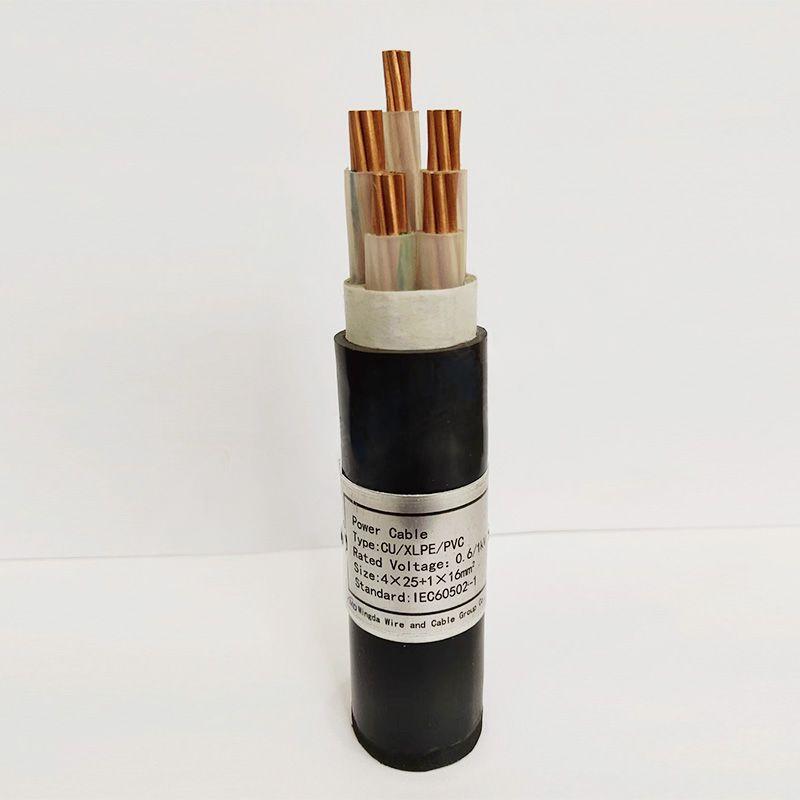
Figure 1: Cross-section of a typical XLPE Insulated Power Cable, highlighting conductor, insulation, and protective layers.
Application Scenarios for 0.6/1kV XLPE Cables
The robust design and superior performance of 0.6 1kv XLPE insulated cables make them indispensable across a wide array of industrial and infrastructure applications. These cables are engineered for diverse environments and operational demands, ensuring high reliability and prolonged service life even in challenging conditions.
- Industrial Power Distribution: Essential for distributing power within factories, manufacturing plants, and heavy processing facilities. They connect main switchgear to motor control centers, production lines, conveyor systems, and other heavy machinery, providing the stable energy required for continuous operations.
- Petrochemical and Oil & Gas Facilities: Widely used in refineries, offshore platforms, chemical processing plants, and pipeline systems. Here, resistance to hydrocarbons, elevated temperatures, and corrosive agents is paramount, making XLPE's properties highly advantageous.
- Mining Operations: Employed in both open-pit and underground mines for powering excavators, crushers, ventilation systems, dewatering pumps, and general lighting. Armored variants are frequently specified to provide critical mechanical protection against impact and abrasion in these harsh environments.
- Water Treatment and Wastewater Management: Crucial for connecting pumps, blowers, filtration systems, and control panels in water and sewage treatment plants. These applications demand excellent moisture and chemical resistance to ensure uninterrupted service.
- Commercial Buildings and Infrastructure: For primary power distribution in large commercial complexes, data centers, hospitals, universities, and transportation hubs. Their superior fire performance (especially LSZH variants) and high current capacity are highly valued for safety and reliability.
- Renewable Energy Projects: Used extensively in solar farms and wind power installations for internal power connections, collection systems, and transferring generated power to local distribution networks. Their durability ensures long-term performance in outdoor conditions.
- General Building Wiring (Heavy Duty): Suitable for main power feeders and sub-main distribution in large residential or commercial buildings where high current capacity, durability, and a longer service life are required over standard building wires.
While these cables form the backbone of industrial power, supporting diverse loads from heavy machinery to advanced control systems, the broader electrical ecosystem also includes components like the widely used 100 240v 50 60hz power cord for standard equipment and consumer electronics, highlighting the spectrum of power solutions necessary for modern operations. Similarly, the advancement of power delivery extends to sophisticated devices, where a robust 100w charger usb c solution is essential for powering high-performance laptops and specialized diagnostic tools in an industrial setting, underlining the comprehensive approach to power management. Such reliability is crucial, much like how a dedicated 100 watt usb c charger ensures critical equipment remains powered.
Technical Advantages of XLPE Insulated Cables
The selection of XLPE insulation for 0.6 1kv cables offers significant technical and operational advantages over traditional insulating materials, making them the preferred choice for modern power distribution infrastructure. These benefits translate directly into enhanced performance, greater safety, and reduced total cost of ownership.
- Superior Thermal Performance: XLPE can withstand higher continuous operating temperatures (90°C) and much higher short-circuit temperatures (250°C for 5 seconds) compared to PVC (70°C and 160°C respectively). This allows for higher current carrying capacity (ampacity) for a given conductor size, or alternatively, smaller conductor sizes for a given current, leading to material savings and reduced cable diameters, simplifying installation.
- Excellent Dielectric Properties: XLPE exhibits lower dielectric losses and higher dielectric strength. This means less energy is dissipated as heat during operation, which translates to better energy efficiency, reduced power bills, and a smaller carbon footprint. Its low permittivity also contributes to lower charging currents in AC systems.
- Enhanced Mechanical Strength: The chemical cross-linking process makes XLPE a thermoset material, significantly improving its resistance to deformation under heat and pressure. This provides superior resistance to mechanical damage, abrasion, crushing, and cut-through, especially crucial in demanding industrial and direct burial applications.
- Chemical and Moisture Resistance: XLPE is inherently highly resistant to a wide range of chemicals, oils, and moisture. This property makes it exceptionally suitable for harsh industrial environments such as chemical plants, refineries, and water treatment facilities, where exposure to corrosive elements is common.
- Extended Service Life: Due to its excellent thermal, chemical, and moisture stability, XLPE cables exhibit significantly better long-term aging characteristics compared to other insulation types. This results in a substantially longer operational lifespan, reducing the frequency of replacement and associated maintenance costs.
- Lower Weight and Smaller Diameter: For the same current rating, XLPE cables are typically lighter and have a smaller overall diameter than equivalent PVC or paper-insulated cables. This simplifies transportation, handling, and installation, potentially reducing trenching or conduit requirements and associated labor costs.
- Environmental and Safety Benefits: Many XLPE cables are available with LSZH (Low Smoke Zero Halogen) outer sheaths. These are crucial for safety in enclosed spaces (e.g., tunnels, public buildings, data centers) as they emit minimal smoke density and no toxic halogen gases in the event of a fire, protecting human life and sensitive equipment.
These combined advantages underscore why XLPE insulated cables are the preferred choice for modern industrial power distribution systems requiring high reliability, exceptional performance, and adherence to stringent safety and environmental standards.
Vendor Comparison: Selecting a 0.6/1kV XLPE Cable Supplier
Choosing the right supplier for 0.6 1kv XLPE cables is critical, as it impacts not only product quality but also project timelines, cost-effectiveness, and ongoing support. While core technical specifications are often standardized across the industry, significant differences can arise in manufacturing consistency, quality control protocols, customization capabilities, and the level of after-sales service provided. Authoritative references like company certifications (e.g., ISO 9001, ISO 14001, OHSAS 18001), years of service in the industry, and a robust portfolio of partner clients are key indicators of reliability.
| Feature/Attribute | Tier-1 Global Manufacturers | Specialized Regional/Niche Suppliers |
|---|---|---|
| Product Range (0.6/1kV) | Comprehensive, covering all standard conductor sizes, core configurations, and sheathing types. | Often focuses on common sizes and types; may excel in specific local market demands or niche applications. |
| Certifications & Compliance | Adherence to multiple international standards (IEC, BS, VDE, UL, CSA, AS/NZS) and certified to ISO 9001/14001/45001. | Primarily adheres to local/regional standards; often ISO certified, but fewer international accreditations. |
| Quality Control & Testing | Rigorous multi-stage testing at in-house, accredited laboratories; extensive data logging and traceability. | Standardized testing procedures; may rely on third-party labs for advanced or infrequent tests. |
| Customization Options | High flexibility for unique sheathing compounds, conductor types, integrated elements, and constructions for large, complex projects. | Limited, generally for specific sheath colors, print legends, or non-standard lengths. |
| Lead Time (Standard Orders) | Generally 4-8 weeks, dependent on order volume and specific manufacturing queue. | Potentially shorter for common stock items, but longer for specialized or non-stock production. |
| Technical Support | Extensive global engineering support, comprehensive technical documentation, project consultancy services. | Local technical advisors, potentially less extensive resources or global reach. |
| Pricing Structure | Highly competitive on large volumes and long-term contracts; may have higher unit cost for small, custom runs. | Often more flexible for smaller projects; may have higher unit cost for highly specific or low-volume items. |
When evaluating vendors, it is imperative to consider not just the upfront cost but also the total cost of ownership, which includes reliability, service life, and the support offered by the manufacturer. Reputable manufacturers ensure their products, including the 0.6 1kv cables, are backed by rigorous testing and adhere to the latest industry standards, guaranteeing performance and safety for crucial industrial applications.
Customized Solutions for Specific Project Requirements
While standard 0.6 1kv XLPE cables fulfill most industrial needs, many projects demand bespoke solutions to ensure optimal performance, maximum efficiency, and adherence to specific safety regulations in unique environments. Customization allows for tailoring the cable to exact operational parameters, thereby minimizing risks and optimizing long-term operational performance. Specialized manufacturers offer a comprehensive range of modifications, including:
- Specialized Sheathing Materials: Beyond standard PVC, PE, or LSZH, custom options include oil-resistant, chemical-resistant, anti-rodent, termite-proof, UV-stabilized, or anti-abrasion sheaths. These are precisely formulated for specific environmental aggressors, ensuring durability and extended cable life in highly corrosive or exposed conditions.
- Conductor Material & Configuration: Custom options can include tin-coated copper conductors for enhanced corrosion resistance in humid or chemically aggressive environments, or specific compacting factors for conductors to achieve a smaller overall cable diameter where conduit space is limited.
- Armoring Solutions: Custom steel wire armor (SWA) or steel tape armor (STA) designs can be specified for enhanced mechanical protection against particular impact or crushing forces. Non-magnetic armor (e.g., aluminum wire armor) is available for single-core AC applications to prevent eddy current losses.
- Integrated Elements: For complex industrial setups, capabilities include integrating fiber optic elements (e.g., for data communication or temperature sensing) or pilot cores within the power cable itself, reducing installation complexity and costs by combining multiple functions into a single cable run.
- Voltage & Temperature Ratings Adjustments: While the core rating is 0.6/1kV, specific insulation thicknesses or compound formulations can be adjusted for slightly higher transient overvoltage protection or to certify operation in extended ambient temperature ranges.
- Color Coding & Marking: Custom core and outer sheath colors, as well as specific print legends (e.g., client name, project ID, sequential marking) are available for easy identification, maintenance, and compliance with local installation codes or internal company standards.
- Fire Performance Enhancements: Beyond standard LSZH, further enhancements can include improved flame retardancy (e.g., IEC 60332-3 Category A/B/C) or fire resistance (e.g., IEC 60331) for critical circuits that must maintain integrity during a fire event.
Engaging with a manufacturer that possesses robust engineering capabilities, extensive R&D, and a flexible production line ensures that these specialized requirements can be met efficiently. This results in a cable solution perfectly aligned with the project's unique demands, offering a level of specificity and performance far beyond generic power solutions like a standard 100 240v 50 60hz power cord which offers no such customization for high-stakes industrial environments, thereby providing distinct competitive advantages.
Application Case Studies
Case Study 1: Large-Scale Petrochemical Plant Expansion (Middle East)
A major petrochemical complex in the Middle East undertook a significant expansion project requiring highly reliable and durable power distribution to new processing units. The challenging operating environment presented high ambient temperatures (up to 50°C), constant exposure to various hydrocarbons and corrosive chemicals, and stringent requirements for enhanced fire safety. Our client specified armored 0.6 1kv XLPE cables with a specialized chemical-resistant and LSZH (Low Smoke Zero Halogen) outer sheath to ensure compliance with international safety standards (IEC 60332-3 Category A) and protection against environmental aggressors. Over 50 kilometers of multi-core copper conductor cables, ranging from 50mm² to 240mm², were supplied. The project achieved a 15% reduction in overall cable mass compared to traditional PVC alternatives, which simplified cable tray designs and installation, and significantly improved safety profiles in accordance with the plant's strict HSE regulations. Post-installation and commissioning, the cables have performed flawlessly over five years, even under transient load conditions and extreme temperatures, demonstrating exceptional reliability and longevity, contributing to uninterrupted plant operations.
Case Study 2: Municipal Water Treatment Facility Upgrade (Europe)
A prominent municipal water treatment plant in Europe initiated an upgrade to its pumping stations and control systems to improve operational efficiency and reduce energy consumption. This involved replacing aging, paper-insulated infrastructure with modern, energy-efficient equipment. The primary challenge was to provide robust power connections that could withstand continuous exposure to high moisture levels, mild corrosive agents, and potential mechanical stress from nearby heavy machinery present in the plant environment. We supplied unarmored 0.6 1kv XLPE cables with a specialized water-resistant PE (Polyethylene) outer sheath. These cables were primarily single-core and three-core designs, ranging from 35mm² to 185mm², specifically chosen for their superior moisture ingress protection, flexibility during installation in complex conduit systems, and resistance to environmental cracking. The project reported a 10% saving on installation labor due to the lighter weight and easier handling of XLPE cables, coupled with enhanced long-term system reliability and a notable reduction in insulation failures compared to the older system. Customer feedback highlighted the ease of termination and the robust construction which minimized on-site issues.
Frequently Asked Questions (FAQ)
- Q: What is the primary advantage of XLPE insulation over PVC for 0.6/1kV cables?
- A: XLPE offers significantly higher continuous operating temperatures (90°C vs. 70°C for PVC), superior short-circuit withstand capabilities (250°C vs. 160°C), better dielectric properties (lower losses), and enhanced resistance to chemicals and moisture. This translates to higher current capacity for a given conductor size, longer service life, and greater operational efficiency.
- Q: Are 0.6/1kV XLPE cables suitable for direct burial applications?
- A: Yes, absolutely. Especially armored variants (e.g., with SWA or STA). The robust outer sheath (PVC or PE) combined with optional steel armor provides excellent protection against mechanical damage, moisture ingress, and pests in direct burial scenarios. PE sheaths are particularly effective for enhanced moisture resistance in underground installations.
- Q: What international standards do your 0.6/1kV XLPE cables comply with?
- A: Our XLPE insulated power cables are meticulously manufactured and rigorously tested in accordance with leading international standards such as IEC 60502-1, BS 6622, VDE 0276, and relevant national standards like AS/NZS 5000.1. We also adhere to ISO 9001 quality management systems, ensuring global applicability, high quality, and reliability.
- Q: Can these cables be used in hazardous locations?
- A: Yes, with appropriate sheathing and design considerations. For hazardous locations (e.g., Zone 1 or Zone 2 in petrochemical plants), 0.6 1kv XLPE cables can be specified with specialized sheathing (e.g., flame-retardant, chemical-resistant, or LSZH compounds) and certified to meet the specific requirements of the zone classification and local regulatory bodies like ATEX or IECEx. We strongly recommend consulting with our technical team for detailed compliance and suitability for specific hazardous environments.
- Q: How does XLPE insulation contribute to energy efficiency?
- A: XLPE has significantly lower dielectric losses compared to other insulating materials like PVC. This means less electrical energy is converted into heat within the insulation itself during operation. Additionally, its higher operating temperature allows for greater current carrying capacity, which can lead to using smaller conductor sizes without compromising performance, further reducing material costs and potentially improving overall system efficiency.
Lead Time, Warranty, and Customer Support
Lead Time & Fulfillment
Our standard lead time for common configurations of 0.6 1kv XLPE cables is typically 4-6 weeks from order confirmation, depending on the order volume and current production schedule. For urgent requirements or highly specialized custom orders, expedited manufacturing and shipping options may be available upon request. We maintain strategic stock levels of popular cable types and sizes to support immediate project needs and reduce unexpected delays. Our dedicated logistics team works diligently to ensure timely and efficient delivery to project sites worldwide, offering various shipping solutions (sea freight, air freight, road transport) to meet specific project timelines and budget constraints. We prioritize clear communication regarding delivery schedules to facilitate seamless project planning.
Warranty Commitments
We stand firmly behind the superior quality, robust construction, and reliable performance of our XLPE Insulated Power Cables. All our 0.6 1kv cables come with a comprehensive 24-month warranty against manufacturing defects from the date of installation, or 30 months from the date of delivery, whichever occurs first. This extensive warranty period reflects our unwavering confidence in our stringent quality control processes, adherence to international standards, and the premium materials used in our products. Detailed warranty terms and conditions, including coverage and claims procedures, are readily available upon request to ensure full transparency and peace of mind for our clients.
Customer Support & After-Sales Service
Our commitment to our clients extends far beyond the point of delivery. We offer dedicated technical support provided by a team of experienced engineers who are available to assist with every stage of your project – from initial cable selection and specification to installation guidelines, troubleshooting, and maintenance advice. Our global network of service partners ensures prompt and effective after-sales support, regardless of your geographical location. For any technical inquiries, project-specific assistance, or general support needs, please do not hesitate to contact our responsive customer service team via phone, email, or through our website contact form. We are committed to providing expert, timely, and comprehensive assistance throughout the entire lifecycle of your power infrastructure.
Authoritative References
- International Electrotechnical Commission (IEC). (2009). IEC 60502-1: Power cables with extruded insulation and their accessories for rated voltages from 1 kV (Um = 1.2 kV) up to 30 kV (Um = 36 kV) – Part 1: Cables for rated voltages of 1 kV (Um = 1.2 kV) and 3 kV (Um = 3.6 kV).
- British Standards Institution (BSI). (2012). BS 6622: Electric cables. Armoured cables with thermosetting insulation for rated voltages from 3.8/6.6 kV to 19/33 kV. (Note: Relevant principles apply to lower voltage armoured cables).
- IEEE Std 400.3™-2006. (2006). IEEE Guide for the Measurement of Partial Discharges in Extruded and Paper-Laminated Dielectric Shielded Power Cable Systems. (General principles applicable to insulation quality).
- Wang, P., et al. (2018). "Research on the Aging Characteristics of XLPE Cable Insulation under Combined Stress." Journal of Advanced Dielectrics, Vol. 8, No. 3, 1850022.
- CENELEC. (2012). EN 50525-2-11: Electric cables – Low voltage energy cables of rated voltages up to and including 450/750 V (Uo/U) – Part 2-11: Cables for general applications – Flexible cables with thermoplastic PVC insulation. (Provides context for comparison with PVC).
Share
Latest news
-
Understanding the 6 butterfly valve price Industrial Buying GuideNewsApr.16,2026
-
Analyzing the 50mm Butterfly Valve Price and Buyer GuideNewsApr.09,2026
-
Comprehensive Guide to 40mm Butterfly Valve Price Factors and Quality ConsiderationsNewsApr.07,2026
-
Comprehensive Guide to 4 Inch Sluice Valve Price and Key Selection FactorsNewsApr.04,2026
-
Comprehensive Guide to 4 Butterfly Valve Price Factors and Ranges in 2024NewsMar.31,2026
-
Comprehensive Guide to 300mm Butterfly Valve Price and Industrial ApplicationsNewsMar.28,2026
 English
  Afrikaans
  Albanian
  Amharic
  Arabic
  Armenian
  Azerbaijani
  Basque
  Belarusian
  Bengali
  Bosnian
  Bulgarian
  Catalan
  Cebuano
  China
China  China (Taiwan)
  Corsican
  Croatian
  Czech
Czech  Danish
  Dutch
Dutch  Esperanto
  Estonian
  Finnish
  French
  Frisian
  Galician
  Georgian
  German
  Greek
Greek  Gujarati
  Haitian Creole
  Hausa
Hausa  Hawaiian
  Hebrew
  Hindi
Hindi  Miao
Miao  Hungarian
  Icelandic
  Igbo
Igbo  Indonesian
  Irish
Irish  Italian
  Japanese
  Javanese
  Kannada
  Kazakh
  Khmer
Khmer  Rwandese
  Korean
  Kurdish
  Kyrgyz
  Lao
Lao  Latin
Latin  Latvian
  Lithuanian
  Luxembourgish
  Macedonian
  Malgashi
  Malay
Malay  Malayalam
  Maltese
  Maori
Maori  Marathi
  Mongolian
  Myanmar
  Nepali
  Norwegian
  Norwegian
  Occitan
  Pashto
  Persian
  Polish
  Portuguese
  Punjabi
  Romanian
  Russian
  Samoan
  Scottish Gaelic
  Serbian
  Sesotho
  Shona
Shona  Sindhi
  Sinhala
  Slovak
  Slovenian
  Somali
  Spanish
  Sundanese
  Swahili
  Swedish
  Tajik
Tajik  Tamil
Tamil  Tatar
Tatar  Telugu
  Thai
Thai  Turkish
  Turkmen
  Ukrainian
  Urdu
Urdu  Uighur
  Uzbek
Uzbek  Vietnamese
  Welsh
Welsh  Bantu
Bantu  Yiddish
  Yoruba
  Zulu
Zulu