Sep . 13, 2025 09:00 Back to list
EPDM Cable Insulation: High-Temp & Flexible Wire Solutions
Introduction to EPDM Cable Insulation
In the demanding landscape of industrial electrical systems, the choice of cable insulation is paramount for ensuring operational reliability, longevity, and safety. Ethylene Propylene Diene Monomer (EPDM) stands out as a high-performance synthetic rubber renowned for its exceptional properties. This material is a cornerstone in the manufacturing of robust cables designed for severe environmental and operational conditions. Our focus here is on epdm cable insulation, a critical component in various high-stress applications.
EPDM's unique molecular structure, characterized by a saturated polymer backbone, provides superior resistance to heat, oxidation, ozone, and weathering, making it an ideal choice for insulating and jacketing applications where conventional rubbers fall short. Its versatility extends across a broad spectrum of industries, from power generation and distribution to heavy machinery and renewable energy sectors. Understanding the intrinsic value and technical superiority of this insulation is crucial for B2B decision-makers and engineers seeking optimal performance and minimized downtime in their critical infrastructure.
Industry Trends & Market Dynamics for High-Performance Insulation
The market for high-performance cable insulation materials is experiencing significant growth, driven by several key global trends. The accelerating shift towards renewable energy sources such as solar and wind power necessitates cables that can withstand harsh outdoor conditions, fluctuating temperatures, and prolonged UV exposure. Similarly, the expansion of industrial automation, smart manufacturing (Industry 4.0), and electric vehicle (EV) infrastructure demands increasingly reliable and durable cabling solutions.
Regulatory frameworks worldwide are also becoming more stringent, emphasizing environmental safety, flame retardancy, and reduced hazardous substance content. This pushes manufacturers to innovate and adopt materials like EPDM that inherently offer superior performance and compliance. For instance, the demand for `vulcanized rubber insulated cable` is rising due to its enhanced mechanical strength and long-term stability, with EPDM being a prime candidate for such applications. Furthermore, the global infrastructure boom, particularly in emerging economies, fuels the demand for robust power and control cables capable of extended service life in challenging environments. This includes specialized requirements for sectors like aerospace, where `aircraft cable suppliers` look for lightweight yet extremely durable insulation.
The focus is squarely on materials that offer not just electrical integrity but also resistance to chemicals, abrasion, and extreme temperatures, ensuring a lower total cost of ownership through reduced maintenance and replacement cycles. This paradigm shift underscores the increasing importance of advanced insulation materials in modern industrial applications.
Technical Specifications & Properties of EPDM Cable Insulation
EPDM rubber is a terpolymer of ethylene, propylene, and a diene monomer. The diene component allows for vulcanization (curing) with sulfur, resulting in a cross-linked structure that provides excellent elasticity and resistance to heat and chemicals. This saturated polymer backbone is largely impervious to ozone and UV radiation, which are common degradation factors for unsaturated rubbers.
Key Properties Defining EPDM Superiority:
- Thermal Stability: EPDM retains its mechanical and electrical properties across a wide temperature range, typically from -40°C to +120°C, and sometimes up to +150°C for specific formulations.
- Ozone and UV Resistance: Exceptional resistance to outdoor weathering and atmospheric ozone, preventing cracking and degradation over time.
- Water and Moisture Resistance: Low water absorption and good resistance to steam, making it suitable for wet or humid environments.
- Electrical Performance: High dielectric strength and good insulation resistance, maintaining electrical integrity even under stress.
- Chemical Resistance: Good resistance to many polar substances, acids, alkalis, and some ketones and alcohols.
- Flexibility and Resilience: Maintains flexibility at low temperatures and high elasticity, making it ideal for flexible and portable cable applications.
Comparison with Related Insulation Materials:
While EPDM offers outstanding performance, it's often compared with other rubber-based insulations like `EPR cable insulation` (Ethylene Propylene Rubber) and `silicone rubber insulated wire`. EPR shares many similarities with EPDM, differing primarily in the absence of the diene monomer, making it typically vulcanized with peroxides. Silicone rubber excels in extreme high-temperature applications (up to 200°C) and boasts superior flexibility but may have lower mechanical strength and abrasion resistance compared to EPDM. The specific application requirements dictate the optimal choice.
Manufacturing Process of EPDM Cable Insulation
The production of high-quality epdm cable insulation involves a series of meticulously controlled stages, ensuring consistency and adherence to stringent performance specifications. This sophisticated process transforms raw EPDM polymer into a durable, protective layer for electrical conductors.
Process Flow Diagram (Schematic Steps):
1. Material Compounding
EPDM polymer, fillers (e.g., carbon black, clay), plasticizers, antioxidants, and cross-linking agents (e.g., sulfur or peroxides) are precisely weighed and mixed in high-shear mixers (e.g., Banbury mixers). This ensures a homogeneous compound with desired mechanical and electrical properties.
2. Extrusion
The compounded EPDM material is fed into an extruder, where it is heated and forced through a die around the conductor. This forms a continuous, uniform layer of insulation with precise thickness and concentricity. Single, dual, or triple extrusion lines may be used depending on cable complexity.
3. Curing (Vulcanization)
Post-extrusion, the insulated conductor undergoes vulcanization. This is typically done in a Continuous Vulcanization (CV) line, where the cable passes through a heated tube (steam, dry nitrogen, or molten salt). This process cross-links the EPDM, transforming it from a thermoplastic to a thermoset elastomer, enhancing its heat resistance, mechanical strength, and chemical stability.
4. Cooling & Winding
After curing, the cable is cooled in a water trough and then carefully wound onto reels. Tension control and precise winding are critical to prevent damage and ensure proper cable geometry.
5. Quality Control & Testing
Throughout and after manufacturing, rigorous testing is conducted. This includes electrical tests (e.g., dielectric strength, insulation resistance, partial discharge), mechanical tests (tensile strength, elongation, abrasion resistance), and environmental tests (heat aging, ozone resistance, water absorption). Adherence to international standards like ISO 6722, IEC 60502, and ANSI/UL specifications is mandatory.
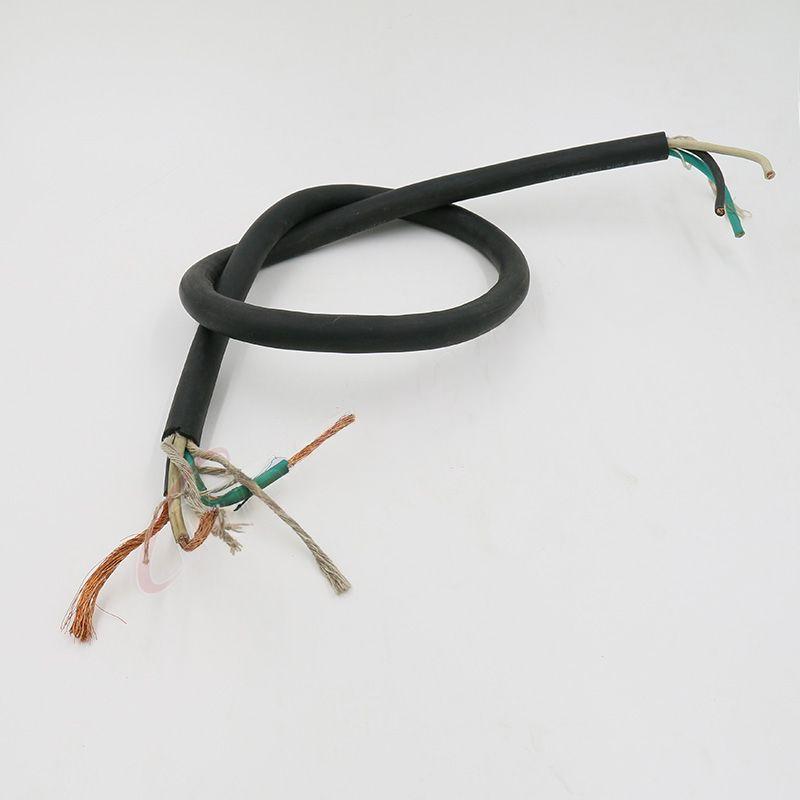
Figure 1: High-performance industrial cable featuring epdm cable insulation.
Application Scenarios & Target Industries
The exceptional properties of epdm cable insulation make it indispensable across a multitude of industries where cable performance cannot be compromised. Its robust nature thrives in environments that would rapidly degrade lesser materials, offering extended service life and reliable operation.
Key Target Industries and Applications:
- Petrochemical and Oil & Gas: Cables for drilling rigs, refineries, and offshore platforms require extreme resistance to hydrocarbons, chemicals, and corrosive agents, as well as wide temperature fluctuations. EPDM’s chemical stability and robust performance in explosive atmospheres are critical.
- Metallurgy and Heavy Industry: In steel mills, foundries, and mining operations, cables are exposed to intense heat, mechanical abrasion, and heavy impacts. The high thermal rating and cut-through resistance of epdm cable insulation ensures uninterrupted power and control.
- Renewable Energy (Solar, Wind): Outdoor and direct-burial cables for solar farms and wind turbines demand superior UV, ozone, and moisture resistance for decades of service. EPDM's longevity in these conditions contributes to overall system efficiency and reliability.
- Water Supply & Drainage / Wastewater Treatment: Submersible pumps and control systems in these sectors need cables that can withstand continuous immersion, chemical exposure, and microbial attack. EPDM's low water absorption and chemical inertness are vital.
- Marine and Shipbuilding: Shipboard power and control cables face salt water, oils, and vibrations. EPDM's excellent water, oil, and ozone resistance ensure operational integrity in harsh marine environments.
- Aerospace and Defense: While specialized, lightweight EPDM formulations can be found in ground support equipment and certain aircraft systems, particularly where flexibility at low temperatures and resistance to aircraft fluids are paramount. This indirectly connects to the specialized needs of `aircraft cable suppliers` for durable insulation materials.
- Portable Power and Mining Cables: For applications like the Round Portable Power Cable, CPE Jacket 8kV, where constant flexing, dragging, and exposure to oil, moisture, and abrasion are common, EPDM offers superior durability and safety.
Vendor Comparison for Cable Insulation Materials
Selecting the right vendor for cable insulation materials requires a thorough evaluation beyond just initial cost. Factors such as material quality, consistency, certification, technical support, and the ability to offer customized solutions are paramount. For critical applications, companies must prioritize partners with proven expertise in advanced elastomer compounds.
Key Criteria for Vendor Evaluation:
- Certifications and Compliance: Verify adherence to international standards (ISO 9001, IEC, UL, CSA, VDE, etc.) and industry-specific approvals (e.g., for marine, mining, or aerospace).
- R&D and Customization Capabilities: Assess the vendor's ability to develop specific formulations for unique application challenges, such as enhanced flame retardancy or specialized fluid resistance.
- Quality Control: Understand their internal quality assurance processes, including batch testing, statistical process control, and traceability.
- Technical Support: Evaluate the availability and expertise of their technical team for design assistance, troubleshooting, and material selection guidance.
- Years of Service and Market Reputation: Longevity in the market often indicates reliability and a deep understanding of customer needs.
Customized Solutions and Application Case Studies
Off-the-shelf cable solutions rarely meet the highly specific demands of complex industrial projects. Recognizing this, leading manufacturers provide customized solutions where the properties of epdm cable insulation can be tailored to precise operational requirements. This includes adjusting compound formulations for enhanced oil resistance, increased flame retardancy, or specific temperature ratings.
Customization Options:
- Compound Optimization: Modifying filler content, polymer ratios, and curing systems to fine-tune mechanical properties (e.g., flexibility, hardness), electrical performance, and resistance to specific chemicals.
- Specialized Jackets: Pairing EPDM insulation with specialized outer jackets (e.g., CPE, Chlorinated Polyethylene, as seen in the Round Portable Power Cable, CPE Jacket 8kV, or other robust polymers) to achieve multi-layered protection against abrasion, cutting, and environmental factors.
- Dimension and Configuration: Custom insulation thicknesses, conductor sizes, and overall cable geometries to fit unique space constraints or current carrying capacities.
- Color Coding and Marking: Tailored color schemes and indelible markings for easy identification and maintenance in complex wiring systems.
Application Case Study: Deep-Sea ROV Umbilical Cable
A leading offshore energy company required an umbilical cable for a Remotely Operated Vehicle (ROV) operating at depths up to 3,000 meters. The cable needed to transmit power, data, and video while resisting extreme hydrostatic pressure, saltwater corrosion, and cyclic bending during deployment and retrieval. Traditional PVC or PE insulations failed prematurely due to water ingress and material fatigue.
Our solution involved a specialized formulation of epdm cable insulation with enhanced modulus for pressure resistance and superior water blocking properties, encased within a rugged, oil-resistant CPE jacket. This custom cable was tested according to API standards for mechanical integrity and IEC standards for electrical performance under pressure. After deployment, the ROV umbilical demonstrated a 30% longer service life than previous solutions, significantly reducing maintenance costs and operational downtime, validating the robust design and material choice. Customer feedback highlighted the cable’s unprecedented reliability in a high-stress, critical application.
Frequently Asked Questions (FAQ)
Q1: What is the typical service life of EPDM insulated cables?
A1: Under normal operating conditions and within specified temperature ranges, epdm cable insulation can provide a service life of 20 to 30 years, often exceeding that in less strenuous applications. Its excellent resistance to environmental factors contributes significantly to this longevity.
Q2: Can EPDM cables be used in environments with exposure to oil and chemicals?
A2: EPDM offers good resistance to many polar substances, dilute acids, alkalis, and some ketones. However, its resistance to petroleum-based oils, fuels, and non-polar solvents is generally fair to poor. For applications with significant oil exposure, specific EPDM formulations or an outer jacket like CPE (as in our Round Portable Power Cable) is recommended for enhanced protection.
Q3: How does EPDM compare to PVC for high-temperature applications?
A3: EPDM significantly outperforms PVC in high-temperature applications. While PVC typically has a maximum operating temperature of 70-90°C, EPDM can operate continuously up to 120-150°C. EPDM also maintains flexibility and electrical properties better at elevated temperatures and offers superior ozone/UV resistance, which PVC lacks.
Logistics & Support
We understand that timely delivery and reliable support are as crucial as product quality in B2B transactions. Our commitment extends beyond providing superior epdm cable insulation solutions to ensuring a seamless experience from inquiry to after-sales service.
Lead Time & Fulfillment:
Our standard lead times for common EPDM cable types range from 4-6 weeks for production, with expedited options available for urgent requirements. Customized orders may vary depending on material availability and complexity, typically ranging from 6-10 weeks. We maintain robust supply chain logistics to ensure on-time delivery globally, supported by strategic warehousing for high-demand products.
Warranty Commitments:
All our EPDM insulated cables are backed by a comprehensive 5-year warranty against manufacturing defects and material failures under normal operating conditions. This warranty reflects our confidence in the quality and durability of our products, exceeding standard industry benchmarks. Specific project warranties for critical infrastructure can be negotiated based on application and volume.
Customer Support & After-Sales Service:
Our dedicated technical support team is available from Monday to Friday, 9:00 AM to 5:00 PM (GMT+8), via phone, email, and live chat. We offer:
- Installation guidance and best practices.
- Troubleshooting and diagnostic assistance.
- Material compatibility consultation.
- Rapid response for field issues and replacements.
Conclusion
The selection of appropriate cable insulation is a critical engineering decision that directly impacts the safety, reliability, and economic viability of industrial operations. epdm cable insulation consistently proves to be a superior choice for a broad array of demanding applications, offering an unparalleled combination of thermal stability, environmental resistance, and electrical integrity. By understanding its technical advantages, meticulous manufacturing process, and versatile application scenarios, B2B stakeholders can make informed decisions that ensure long-term performance and reduced operational risks. Partnering with a knowledgeable supplier capable of providing both standard and customized EPDM solutions further enhances the value proposition, ensuring that cables are precisely engineered to meet the unique challenges of modern industrial environments.
References
- ASTM D2802 / D2802M-17, Standard Specification for Ethylene Propylene Rubber (EPR) Insulation for Wire and Cable, ASTM International, West Conshohocken, PA, 2017.
- IEC 60502-1:2004, Power cables with extruded insulation and their accessories for rated voltages from 1 kV (Um = 1,2 kV) up to 30 kV (Um = 36 kV) - Part 1: Cables for rated voltages of 1 kV (Um = 1,2 kV) and 3 kV (Um = 3,6 kV).
- Mark, J. E., Erman, B., & Eirich, F. R. (Eds.). (2005). Science and Technology of Rubber (3rd ed.). Academic Press.
- O'Connor, D. J., & Rials, T. G. (1998). EPDM Polymers. In J. C. Salamone (Ed.), Polymeric Materials Encyclopedia (pp. 2379-2385). CRC Press.
Share
Latest news
-
Understanding the 6 butterfly valve price Industrial Buying GuideNewsApr.16,2026
-
Analyzing the 50mm Butterfly Valve Price and Buyer GuideNewsApr.09,2026
-
Comprehensive Guide to 40mm Butterfly Valve Price Factors and Quality ConsiderationsNewsApr.07,2026
-
Comprehensive Guide to 4 Inch Sluice Valve Price and Key Selection FactorsNewsApr.04,2026
-
Comprehensive Guide to 4 Butterfly Valve Price Factors and Ranges in 2024NewsMar.31,2026
-
Comprehensive Guide to 300mm Butterfly Valve Price and Industrial ApplicationsNewsMar.28,2026
 English
  Afrikaans
  Albanian
  Amharic
  Arabic
  Armenian
  Azerbaijani
  Basque
  Belarusian
  Bengali
  Bosnian
  Bulgarian
  Catalan
  Cebuano
  China
China  China (Taiwan)
  Corsican
  Croatian
  Czech
Czech  Danish
  Dutch
Dutch  Esperanto
  Estonian
  Finnish
  French
  Frisian
  Galician
  Georgian
  German
  Greek
Greek  Gujarati
  Haitian Creole
  Hausa
Hausa  Hawaiian
  Hebrew
  Hindi
Hindi  Miao
Miao  Hungarian
  Icelandic
  Igbo
Igbo  Indonesian
  Irish
Irish  Italian
  Japanese
  Javanese
  Kannada
  Kazakh
  Khmer
Khmer  Rwandese
  Korean
  Kurdish
  Kyrgyz
  Lao
Lao  Latin
Latin  Latvian
  Lithuanian
  Luxembourgish
  Macedonian
  Malgashi
  Malay
Malay  Malayalam
  Maltese
  Maori
Maori  Marathi
  Mongolian
  Myanmar
  Nepali
  Norwegian
  Norwegian
  Occitan
  Pashto
  Persian
  Polish
  Portuguese
  Punjabi
  Romanian
  Russian
  Samoan
  Scottish Gaelic
  Serbian
  Sesotho
  Shona
Shona  Sindhi
  Sinhala
  Slovak
  Slovenian
  Somali
  Spanish
  Sundanese
  Swahili
  Swedish
  Tajik
Tajik  Tamil
Tamil  Tatar
Tatar  Telugu
  Thai
Thai  Turkish
  Turkmen
  Ukrainian
  Urdu
Urdu  Uighur
  Uzbek
Uzbek  Vietnamese
  Welsh
Welsh  Bantu
Bantu  Yiddish
  Yoruba
  Zulu
Zulu