Nov . 06, 2025 12:50 Back to list
Type Butterfly Valve: Durable, Leak-Tight, Easy Installation
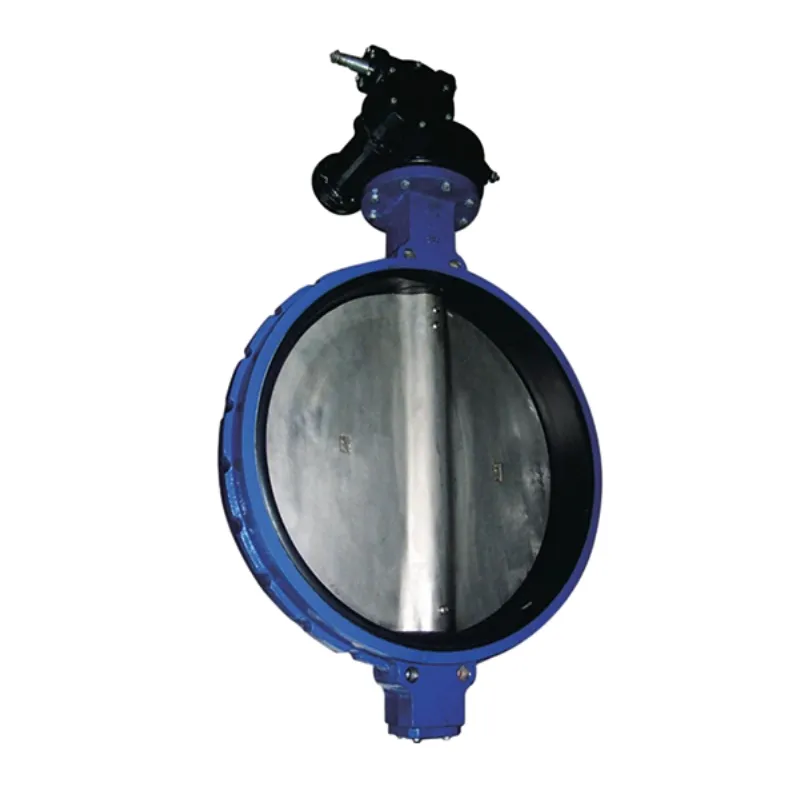
Wafer Type Butterfly Valve: real-world notes from the field
If you’ve been speccing compact shut-off valves lately, you’ve noticed the momentum. The humble Type Butterfly Valve is turning into the go-to for water, HVAC, and even light chemical lines. From my visits to plants in North China to upgrades in mid-size utilities, the wafer-style footprint keeps winning on weight, cost, and frankly, ease of maintenance. This model, made in No.88 Zhengxi Road, Yanbai Development, Ningjin, Hebei, China, has been on my shortlist for projects that don’t need the bulk (or budget hit) of lug designs.

Industry trend check
Two macro trends: 1) standardization is tightening (ISO 5211 and API 598 keep showing up in RFQs), and 2) operators want lower torque and quicker swaps. The wafer-type butterfly valve hits both: compact body, quarter-turn control, and universal top flange for direct actuator mounting. Many customers say they’re cutting installation time by half—sounds bold, but I’ve seen similar numbers in retrofits.
Key specifications (quick glance)
| Design & manufacture | EN 593 / BS 5155 / MSS SP-67 |
| Face-to-face | EN 558 / ISO 5752 / DIN 3202 |
| Flange compatibility | EN 1092-2 / BS 4504 / ASME B16.1 |
| Top flange | ISO 5211 (actuator-ready) |
| Testing | API 598 / EN 12266 (seat & shell) |
| Size range | DN50–DN1200 (2"–48") |
| Typical materials | Body: DI/WCB; Disc: SS304/316 or Ni-plated DI; Seat: EPDM/NBR/PTFE/Viton |
| Temp/pressure | -20 to 200°C ≈ (seat-dependent); PN10/PN16/Class 125–150 (real-world use may vary) |
How it’s built and verified
Materials are lot-traced; bodies are cast, then CNC-machined with disc-seat clearances checked via feeler gauges (yes, still the most honest way sometimes). Seats are compression-molded; PTFE seats get a stainless energizer ring on larger diameters. Coating: fusion-bonded epoxy ≈250 μm typical. Each unit is shell-tested at 1.5× rated pressure and seat-tested at 1.1× per EN 12266/API 598. Torque is logged; sample valves see 10,000–50,000 cycle tests depending on size. Expected service life: ≈10–15 years in treated water, less in abrasive slurries—be realistic.
Where it fits (and why)
- Water & wastewater: isolation, bypass lines, pumping stations.
- HVAC/chilled water: low torque, compact between flanges.
- Power & mining: utility lines; for slurry, specify hard-coated disc.
- Food & light chemical: switch to PTFE seat and SS disc for compatibility.
Advantages include bi-directional sealing, quick actuation, and friendly maintenance. In fact, swapping a seat on a Type Butterfly Valve is a coffee-break job once you’ve done one.
Vendor snapshot (field notes)
| Vendor | Origin | Certs/Standards | Size Range | Lead Time | Notes |
|---|---|---|---|---|---|
| Valve-Cable (Wafer) | Hebei, China | EN 593, ISO 5211, API 598 | 2"–48" | ≈2–5 weeks | Good value; actuator-ready |
| EU Brand A | EU | EN 593, PED | 2"–36" | ≈4–8 weeks | Premium pricing |
| US Brand B | USA | MSS SP-67, API 598 | 3"–30" | ≈3–6 weeks | Strong distributor network |
Customization options
Seat materials (EPDM/NBR/PTFE/Viton), disc metallurgy (SS316, duplex, Ni-plated DI), stem sealing (blow-out proof), gear/lever/pneumatic or electric actuators via ISO 5211 pads. Paint systems can be upgraded for coastal or buried service—ask for DFT and salt-spray data.
Quick case files
- Municipal water plant, 600 mm: swapped lug valves for wafer units; pressure drop reduced ≈12%, install time down from 2 days to 6 hours per line.
- Chemical blending, 10" with PTFE seat: 30,000 cycles, no visible seat creep; leak rate A per EN 12266 at 1.1× rated pressure.
To be honest, the most common snag is sizing torque for sticky media. Err on the safe side and specify actuator with +20% margin for the Type Butterfly Valve in cold-start scenarios.
Authoritative references
Share
Latest news
-
Understanding the 6 butterfly valve price Industrial Buying GuideNewsApr.16,2026
-
Analyzing the 50mm Butterfly Valve Price and Buyer GuideNewsApr.09,2026
-
Comprehensive Guide to 40mm Butterfly Valve Price Factors and Quality ConsiderationsNewsApr.07,2026
-
Comprehensive Guide to 4 Inch Sluice Valve Price and Key Selection FactorsNewsApr.04,2026
-
Comprehensive Guide to 4 Butterfly Valve Price Factors and Ranges in 2024NewsMar.31,2026
-
Comprehensive Guide to 300mm Butterfly Valve Price and Industrial ApplicationsNewsMar.28,2026
 English
  Afrikaans
  Albanian
  Amharic
  Arabic
  Armenian
  Azerbaijani
  Basque
  Belarusian
  Bengali
  Bosnian
  Bulgarian
  Catalan
  Cebuano
  China
China  China (Taiwan)
  Corsican
  Croatian
  Czech
Czech  Danish
  Dutch
Dutch  Esperanto
  Estonian
  Finnish
  French
  Frisian
  Galician
  Georgian
  German
  Greek
Greek  Gujarati
  Haitian Creole
  Hausa
Hausa  Hawaiian
  Hebrew
  Hindi
Hindi  Miao
Miao  Hungarian
  Icelandic
  Igbo
Igbo  Indonesian
  Irish
Irish  Italian
  Japanese
  Javanese
  Kannada
  Kazakh
  Khmer
Khmer  Rwandese
  Korean
  Kurdish
  Kyrgyz
  Lao
Lao  Latin
Latin  Latvian
  Lithuanian
  Luxembourgish
  Macedonian
  Malgashi
  Malay
Malay  Malayalam
  Maltese
  Maori
Maori  Marathi
  Mongolian
  Myanmar
  Nepali
  Norwegian
  Norwegian
  Occitan
  Pashto
  Persian
  Polish
  Portuguese
  Punjabi
  Romanian
  Russian
  Samoan
  Scottish Gaelic
  Serbian
  Sesotho
  Shona
Shona  Sindhi
  Sinhala
  Slovak
  Slovenian
  Somali
  Spanish
  Sundanese
  Swahili
  Swedish
  Tajik
Tajik  Tamil
Tamil  Tatar
Tatar  Telugu
  Thai
Thai  Turkish
  Turkmen
  Ukrainian
  Urdu
Urdu  Uighur
  Uzbek
Uzbek  Vietnamese
  Welsh
Welsh  Bantu
Bantu  Yiddish
  Yoruba
  Zulu
Zulu