Apr . 09, 2026 02:05 Back to list
Analyzing the 50mm Butterfly Valve Price and Buyer Guide
Analyzing the 50mm Butterfly Valve Price: A Buyer's Guide
When sourcing industrial flow control components, understanding the factors that influence the 50mm butterfly valve price is essential for optimizing your project budget without compromising on quality. A 50mm (2-inch) butterfly valve is one of the most common sizes used in water treatment, HVAC, and chemical processing due to its compact design and efficient shut-off capabilities. Whether you are looking for a budget-friendly wafer type or a high-performance lug-style valve, the price can vary significantly based on materials and certifications. In this guide, we will explore everything from material costs to manufacturer variations to help you make an informed purchasing decision.
Factors Influencing the 50mm Butterfly Valve Price
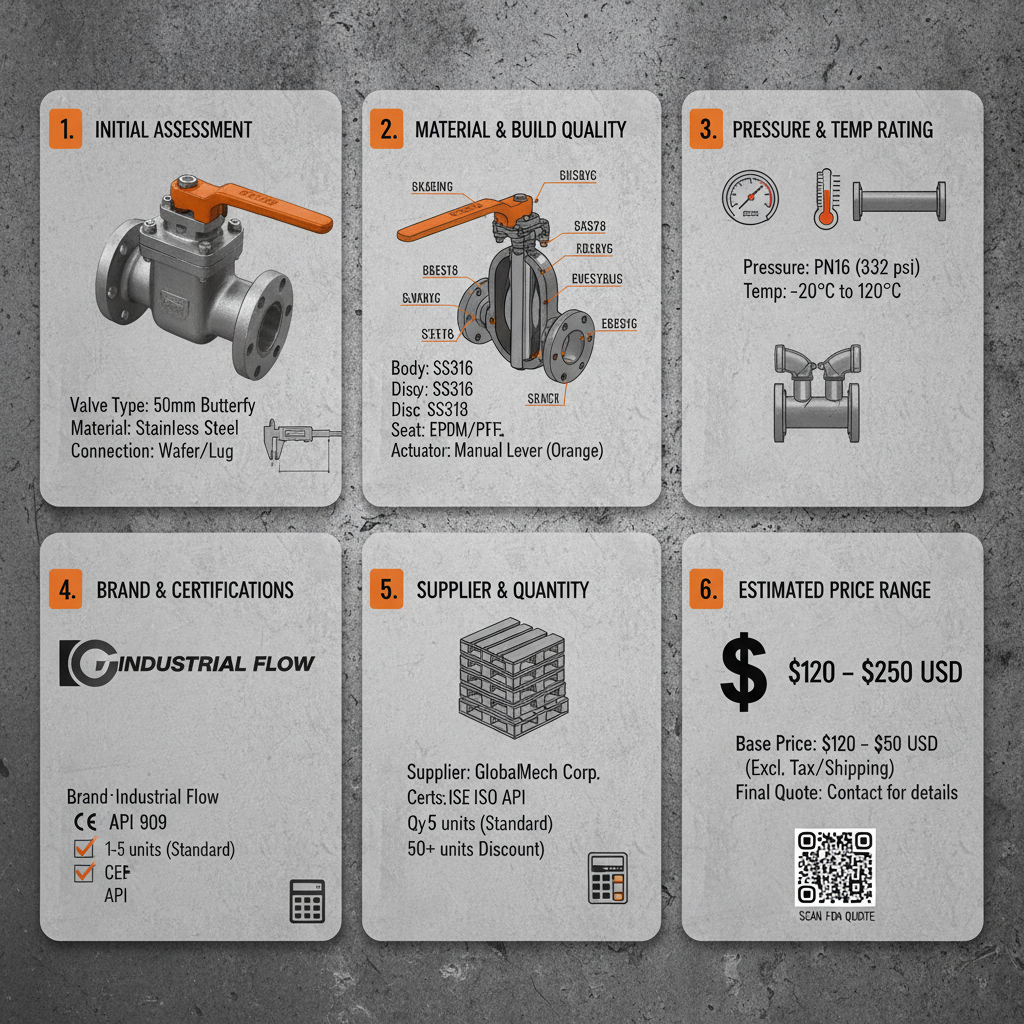
The cost of a butterfly valve is rarely fixed; it is a result of several technical specifications. The primary driver is the body material. For instance, a cast iron body is generally more affordable and suitable for basic water applications, whereas stainless steel (CF8 or CF8M) increases the 50mm butterfly valve price due to its superior corrosion resistance. Additionally, the seat material (EPDM, PTFE, or Viton) plays a role depending on the chemical compatibility required for your specific medium. High-pressure ratings and precision machining for zero-leakage also add a premium to the final cost.
Quick Tip: Always consider the "Total Cost of Ownership." A cheaper valve with a lower grade seat may lead to frequent replacements, making a higher initial investment more economical in the long run.
Comparing Material Costs and Valve Types
Different designs serve different industrial needs, and these design choices directly impact the pricing structure. Wafer valves are the most economical because they are sandwiched between flanges, reducing the amount of material used. Lug valves, while more expensive, allow for "dead-end" service, meaning the piping on one side can be disconnected while the valve remains in place. Below is a comparison table showing how materials and types typically shift the 50mm butterfly valve price across common industry standards.
Actuation Methods and Their Impact on Price
How you operate the valve is another major variable. A manual lever handle is the most basic and cheapest option. However, for automated systems, you will need either an electric actuator or a pneumatic actuator. Adding an actuator to a 50mm valve can double or triple the 50mm butterfly valve price. Pneumatic actuators are preferred for fast response times in industrial plants, while electric actuators are ideal for remote operations where electricity is more accessible than compressed air.
Technical Specifications for the 50mm Model
When requesting a quote for a 50mm butterfly valve price, having the correct specifications prevents costly errors. The 50mm size refers to the nominal diameter (DN50). Depending on the standard (ANSI, DIN, or JIS), the face-to-face dimensions will vary. Ensuring that the valve matches your existing flange drillings is critical. Below are the standard specifications for a professional-grade 50mm butterfly valve.
How to Find the Best Value for Your Budget
Finding a competitive 50mm butterfly valve price doesn't always mean buying the cheapest unit. The best value is found by balancing material quality with the specific demands of your application. Buying in bulk can significantly reduce the per-unit cost, as manufacturers can optimize production runs. Additionally, sourcing directly from experienced suppliers ensures that you receive a product that meets international quality standards, reducing the risk of failure and unplanned downtime.
Maintenance Tips to Protect Your Investment
Regardless of the initial price paid, proper maintenance is the only way to ensure a long lifecycle. For 50mm butterfly valves, regular lubrication of the stem and checking the seat for wear and tear are essential. If you are using the valve in a corrosive environment, periodically inspecting the body for pitting can prevent catastrophic leaks. By implementing a preventative maintenance schedule, you effectively lower the long-term cost of your flow control system, maximizing the return on your initial 50mm butterfly valve price investment.
Conclusion: Securing the Right 50mm Butterfly Valve
Determining the right 50mm butterfly valve price requires a clear understanding of your operational needs, from the medium being transported to the required pressure ratings. By prioritizing the correct materials and actuation methods, you can avoid unnecessary expenses while ensuring system reliability. We recommend partnering with a professional supplier who can provide technical guidance and quality assurance to ensure your infrastructure remains efficient and safe.
Frequently Asked Questions (FAQs)
Why is there such a wide range in 50mm butterfly valve prices?
The price variance is primarily due to the materials used and the manufacturing standards. A valve made from cast iron for basic water usage is significantly cheaper than one made from 316 stainless steel designed for corrosive chemicals. Furthermore, certification (such as API or CE) and the type of actuation (manual vs. automatic) add to the cost. High-precision valves with bubble-tight shut-off capabilities require more rigorous testing and tighter tolerances, which naturally increases the price compared to standard industrial models.
Should I choose a Wafer or Lug type for a 50mm valve?
The choice depends on your piping configuration. Wafer valves are more compact and have a lower 50mm butterfly valve price, making them ideal for installations where the valve is sandwiched between two flanges. Lug valves, however, have threaded inserts that allow them to be bolted directly to the pipe. This is essential if you need to remove a section of piping downstream without removing the valve itself. If your system requires frequent maintenance or "dead-end" service, the extra cost of a Lug valve is a worthwhile investment.
How do I ensure I am getting a fair price for my order?
To ensure a fair price, always request a detailed technical data sheet along with your quote. Compare the material grades (e.g., CF8 vs CF8M), seat materials (EPDM vs PTFE), and pressure ratings across different suppliers. Be wary of prices that seem too low, as they may indicate inferior casting quality or non-standard materials that could fail under pressure. We recommend sourcing from established manufacturers like those found at valve-cable.com to ensure you receive a balance of quality and cost-efficiency.
Does the seat material significantly change the price?
Yes, the seat material can impact the price, although usually less than the body material. EPDM is the most common and affordable for water and steam. PTFE (Teflon) is more expensive but offers superior chemical resistance and higher temperature tolerance. Viton or NBR are specialized options for oil and gas applications and can carry a premium. Choosing the wrong seat material can lead to premature failure, so it is better to pay a slightly higher 50mm butterfly valve price for the correct material than to replace the valve every few months.
Share
Latest news
-
Understanding the 6 butterfly valve price Industrial Buying GuideNewsApr.16,2026
-
Comprehensive Guide to 40mm Butterfly Valve Price Factors and Quality ConsiderationsNewsApr.07,2026
-
Comprehensive Guide to 4 Inch Sluice Valve Price and Key Selection FactorsNewsApr.04,2026
-
Comprehensive Guide to 4 Butterfly Valve Price Factors and Ranges in 2024NewsMar.31,2026
-
Comprehensive Guide to 300mm Butterfly Valve Price and Industrial ApplicationsNewsMar.28,2026
 English
  Afrikaans
  Albanian
  Amharic
  Arabic
  Armenian
  Azerbaijani
  Basque
  Belarusian
  Bengali
  Bosnian
  Bulgarian
  Catalan
  Cebuano
  China
China  China (Taiwan)
  Corsican
  Croatian
  Czech
Czech  Danish
  Dutch
Dutch  Esperanto
  Estonian
  Finnish
  French
  Frisian
  Galician
  Georgian
  German
  Greek
Greek  Gujarati
  Haitian Creole
  Hausa
Hausa  Hawaiian
  Hebrew
  Hindi
Hindi  Miao
Miao  Hungarian
  Icelandic
  Igbo
Igbo  Indonesian
  Irish
Irish  Italian
  Japanese
  Javanese
  Kannada
  Kazakh
  Khmer
Khmer  Rwandese
  Korean
  Kurdish
  Kyrgyz
  Lao
Lao  Latin
Latin  Latvian
  Lithuanian
  Luxembourgish
  Macedonian
  Malgashi
  Malay
Malay  Malayalam
  Maltese
  Maori
Maori  Marathi
  Mongolian
  Myanmar
  Nepali
  Norwegian
  Norwegian
  Occitan
  Pashto
  Persian
  Polish
  Portuguese
  Punjabi
  Romanian
  Russian
  Samoan
  Scottish Gaelic
  Serbian
  Sesotho
  Shona
Shona  Sindhi
  Sinhala
  Slovak
  Slovenian
  Somali
  Spanish
  Sundanese
  Swahili
  Swedish
  Tajik
Tajik  Tamil
Tamil  Tatar
Tatar  Telugu
  Thai
Thai  Turkish
  Turkmen
  Ukrainian
  Urdu
Urdu  Uighur
  Uzbek
Uzbek  Vietnamese
  Welsh
Welsh  Bantu
Bantu  Yiddish
  Yoruba
  Zulu
Zulu