The reliable connection provided by a double sphere union type rubber joint is paramount in modern industrial piping systems. These joints aren’t merely components; they are critical safeguards against leaks, vibrations, and misalignment, contributing significantly to operational efficiency and safety across diverse sectors. Understanding their design, application, and benefits is essential for engineers, procurement specialists, and anyone involved in fluid transfer processes.
Globally, the demand for robust and adaptable piping solutions is continuously increasing, driven by infrastructure development, resource exploration, and process industry expansion. The double sphere union type rubber joint emerges as a vital solution for these demands, offering flexibility and resilience where traditional rigid systems fall short. The projected growth in water management and chemical processing indicates a corresponding need for dependable jointing technologies.
Investing in high-quality rubber joints, like the double sphere union type rubber joint, isn’t just a matter of preventing immediate failures; it’s a strategic decision that impacts long-term costs, environmental responsibility, and the overall integrity of industrial operations. Proper selection and installation significantly reduce downtime and maintenance expenses.
Defining the double sphere union type rubber joint
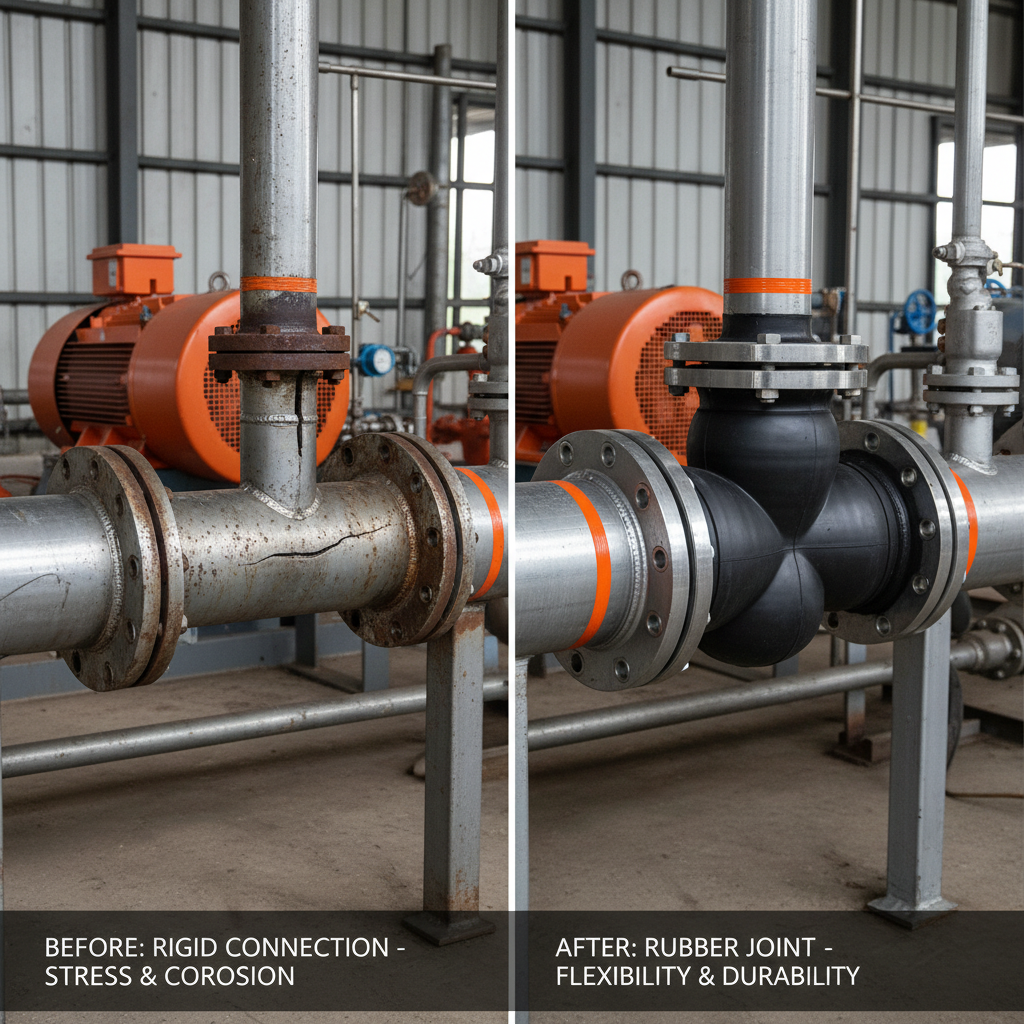
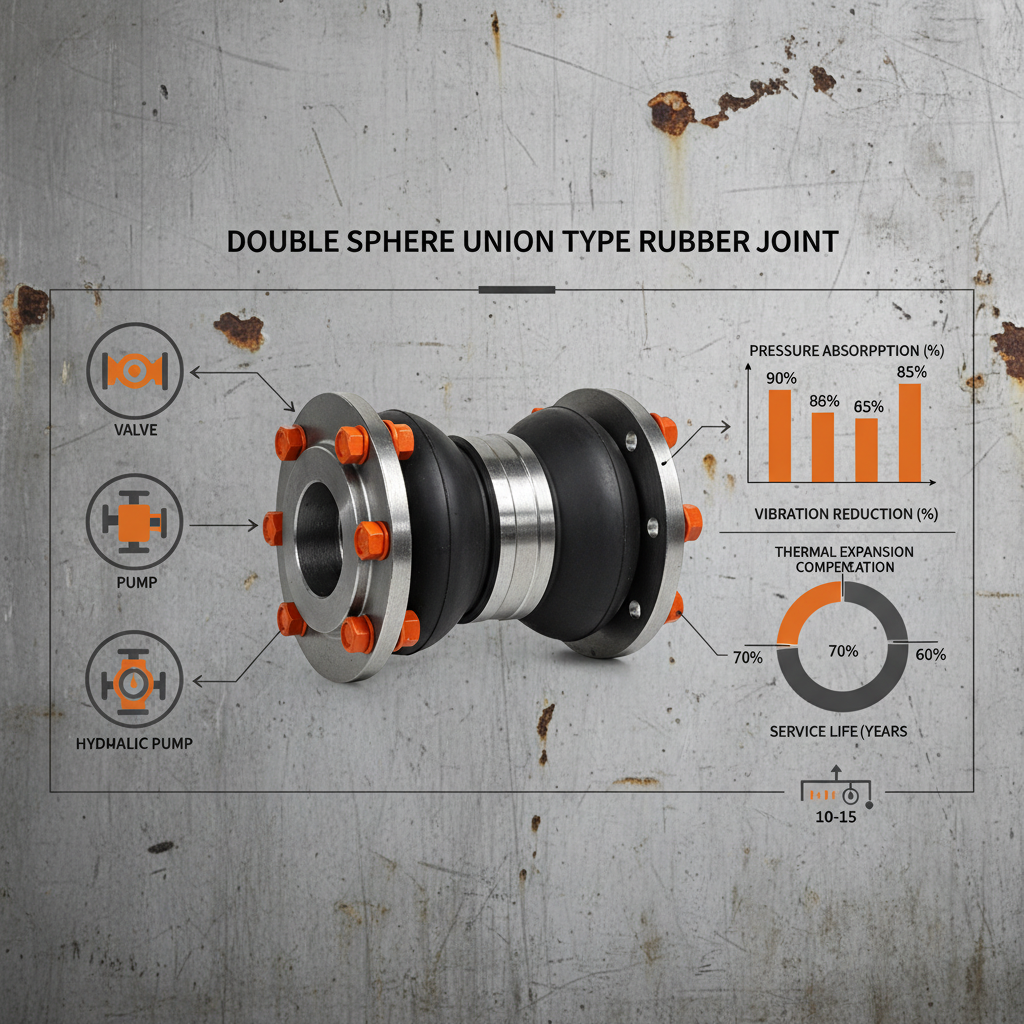
A double sphere union type rubber joint is a flexible connector designed to absorb movement, reduce vibration, and compensate for misalignment in piping systems. Its core consists of a rubber body reinforced with metal rings or plies, creating a resilient barrier between rigid pipe sections. The ‘double sphere’ refers to the specific design of the connection points, offering superior angular deflection capabilities.
These joints are indispensable in modern industry where maintaining fluid transport integrity while accommodating thermal expansion, seismic activity, or equipment settlement is critical. They connect to pipelines using flanged or threaded connections, providing a reliable and leak-proof seal. The ability to isolate vibrations significantly reduces stress on connected equipment, extending its lifespan and reducing maintenance requirements.
The Global Importance of Flexible Pipe Joints
The need for adaptable piping systems is a global concern, driven by factors ranging from aging infrastructure to the demands of sustainable resource management. According to the UN, billions of dollars are lost annually due to water leakage in municipal systems, a problem that flexible joints, like the double sphere union type rubber joint, can significantly mitigate.
In regions prone to seismic activity, the ability of piping systems to withstand ground movement is paramount. The World Bank estimates that earthquake-related damage to infrastructure costs nations billions each year. Flexible joints provide a crucial layer of protection, preventing catastrophic failures and ensuring continued service delivery.
The growing emphasis on process safety within the chemical and pharmaceutical industries also necessitates the use of flexible joints to accommodate thermal expansion and contraction, preventing stress on pipelines and reducing the risk of leaks and spills. ISO standards increasingly emphasize the importance of reliable and adaptable piping systems in these critical sectors.
Understanding the Core Design of double sphere union type rubber joint
The double sphere union type rubber joint's design hinges on a robust rubber element reinforced with multiple layers of fabric or steel. This construction provides the necessary flexibility to absorb movement while maintaining pressure containment. The 'double sphere' design refers to the geometry of the connection points, allowing for multi-planar movement and accommodating significant angular deflection.
Critical design elements include the selection of rubber compound (EPDM, NBR, or SBR are common), the type and arrangement of reinforcement layers, and the flange connection specifications. Choosing the correct materials and construction is vital for ensuring compatibility with the conveyed fluid and operating conditions.
The metal flanges on either end of the joint are typically carbon steel or stainless steel, selected for their corrosion resistance and structural integrity. Proper flange bolting and gasket selection are also crucial to maintain a leak-proof seal under varying pressures and temperatures.
Key Performance Indicators of double sphere union type rubber joint
Evaluating the performance of a double sphere union type rubber joint requires consideration of several key indicators. Pressure rating is paramount, defining the maximum operating pressure the joint can safely withstand. Deflection capability, measured in degrees of angular movement, indicates the joint's ability to accommodate misalignment.
Temperature range dictates the operational limits of the joint, ensuring the rubber compound maintains its properties within the specified boundaries. Chemical compatibility refers to the joint's resistance to degradation from the conveyed fluid.
Performance Comparison of double sphere union type rubber joint Material Options
Diverse Applications Across Industries
double sphere union type rubber joint finds application across a broad spectrum of industries. In water and wastewater treatment plants, they absorb vibrations from pumps and motors, protecting pipelines from fatigue and ensuring reliable flow. In power generation facilities, they accommodate thermal expansion in cooling water systems.
The chemical processing industry utilizes these joints to handle corrosive fluids and maintain system integrity under demanding conditions. Within the HVAC sector, they reduce noise and vibration in ductwork, improving comfort and energy efficiency.
The Long-Term Benefits of Utilizing double sphere union type rubber joint
Investing in a double sphere union type rubber joint translates to substantial long-term benefits. Reduced maintenance costs are a primary advantage, as the joints minimize stress on connected equipment, preventing premature wear and failure. Enhanced system reliability ensures uninterrupted operation, minimizing downtime and maximizing productivity.
Improved safety is another key benefit, as the joints prevent leaks and spills, protecting personnel and the environment. Their durability and resistance to corrosion contribute to a longer service life, reducing the need for frequent replacements.
Future Trends and Challenges in Rubber Joint Technology
The future of rubber joint technology is focused on developing materials with enhanced chemical resistance, higher temperature capabilities, and improved fatigue life. Research is also underway to incorporate smart sensor technology into joints, providing real-time monitoring of stress, pressure, and temperature.
A key challenge lies in addressing the environmental impact of rubber production and disposal. The industry is exploring sustainable materials and recycling processes to minimize its carbon footprint.
The integration of digital twins – virtual representations of physical assets – will enable predictive maintenance and optimize the performance of piping systems incorporating double sphere union type rubber joint, extending their operational lifespan and reducing overall costs.
Summary of Key Design Considerations for double sphere union type rubber joint
| Material Composition |
Pressure Rating (PSI) |
Temperature Range (°C) |
Typical Applications |
| EPDM Rubber, Steel Reinforcement |
200 |
-40 to +120 |
Water Treatment, HVAC |
| NBR Rubber, Fabric Reinforcement |
150 |
-30 to +80 |
Oil & Gas, Chemical Processing |
| SBR Rubber, Steel Reinforcement |
100 |
-20 to +70 |
Industrial Cooling, General Purpose |
| Viton Rubber, Stainless Steel Reinforcement |
250 |
-50 to +200 |
Highly Corrosive Environments |
| Chlorobutyl Rubber, Steel Reinforcement |
180 |
-30 to +100 |
Pharmaceutical, Food Processing |
| EPDM with High-Tensile Steel |
300 |
-50 to +150 |
High-Pressure Applications |
FAQS
The lifespan of a double sphere union type rubber joint varies based on operating conditions, fluid compatibility, and pressure fluctuations. Generally, with proper installation and maintenance, these joints can reliably function for 5-15 years. Regular inspections and replacement of worn components are key to maximizing service life. Choosing the correct rubber compound for the application dramatically affects longevity.
Selecting the appropriate size and pressure rating requires a thorough assessment of your system’s parameters. Consider the pipe diameter, maximum operating pressure, temperature, and the expected level of movement or vibration. Refer to the joint manufacturer's specifications and consult with a qualified engineer to ensure compatibility and safe operation. Undersizing or selecting an inadequate pressure rating can lead to premature failure.
Compatibility depends on the rubber compound used. EPDM is suitable for water, steam, and dilute acids/alkalis. NBR resists oils and fuels. Viton offers broad chemical resistance, including aggressive solvents. Carefully review the chemical compatibility charts provided by the manufacturer to ensure the chosen material is suitable for your specific fluid. Incompatibility can lead to swelling, degradation, and leakage.
Proper installation is crucial for optimal performance. Ensure the pipe ends are clean, deburred, and properly aligned. Use appropriate gaskets and bolting materials, tightening bolts evenly to the manufacturer’s recommended torque specifications. Avoid over-tightening, which can damage the rubber element. Support the pipeline adequately to minimize stress on the joint.
Regular visual inspections are vital to detect signs of wear, cracking, or swelling. Check for leaks and tighten any loose bolts. Periodic pressure testing can help identify potential issues. Replace the joint if any significant damage is observed. Following a preventative maintenance schedule will extend the joint’s lifespan and prevent unexpected failures.
Yes, double sphere union type rubber joint are frequently used in seismic zones due to their flexibility and ability to absorb ground movement. They can help prevent catastrophic pipeline failures during earthquakes. However, it's essential to select a joint specifically designed for seismic applications and adhere to relevant building codes and regulations. Consider using seismic restraints to limit excessive movement.
Conclusion
The double sphere union type rubber joint represents a critical component in modern piping systems, offering flexibility, resilience, and long-term cost savings. From mitigating leaks and absorbing vibrations to accommodating thermal expansion and seismic activity, these joints play a vital role in ensuring operational efficiency and safety across diverse industries. Understanding their design, application, and maintenance is paramount for engineers and facility managers.
As technology advances, we can expect to see further innovations in rubber joint materials and designs, driven by the need for enhanced performance, sustainability, and integration with smart infrastructure. Prioritizing quality, proper installation, and proactive maintenance will ensure these valuable components continue to safeguard our critical infrastructure for years to come. Visit our website at www.valve-cable.com to learn more and explore our extensive range of rubber joint solutions.