
Oct . 11, 2025 09:20 Buyela ohlwini
The Ubiquitous Role of Wafer Style Butterfly Valves in Modern Industries
In the vast intricate network of industrial piping systems, the humble valve plays a pivotal, often underappreciated, role in regulating fluid flow. Among the diverse array of valve types, wafer style butterfly valves have emerged as a cornerstone of modern industrial infrastructure, celebrated for their compact design, ease of installation, and exceptional cost-effectiveness. These valves, characterized by their thin, disc-shaped obturator that rotates a quarter turn to control flow, are literally "sandwiched" between two pipe flanges, creating a robust seal without requiring extensive bolting or complex manifold systems. This minimalist design not only simplifies the installation process but also significantly reduces the overall weight and footprint of the valve assembly, a critical advantage in space-constrained environments.
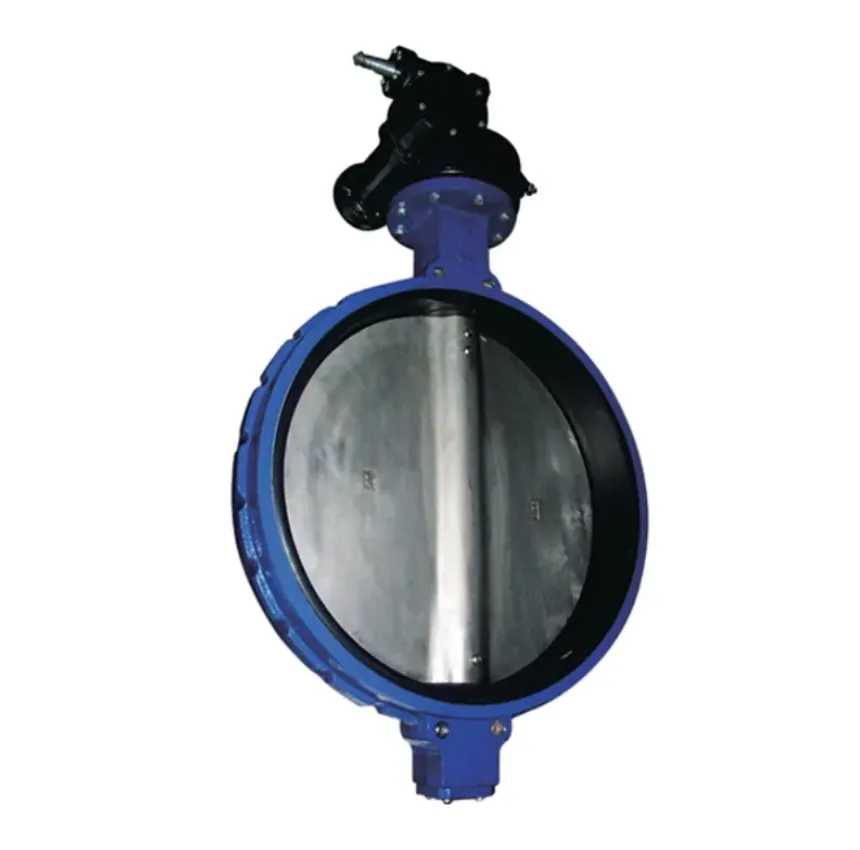
Their operational versatility spans across an astonishing range of applications, from municipal water treatment plants and HVAC systems to demanding chemical processing and petroleum refining facilities. The intrinsic design of a wafer butterfly valve, featuring a central disc mounted on a shaft that passes through the valve body, allows for rapid opening and closing, making them ideal for both on/off service and precise throttling applications. The choice of materials for the body, disc, and seat can be extensively varied – from ductile iron and stainless steel to specialized alloys and polymer linings – to withstand corrosive media, extreme temperatures, and abrasive slurries, underscoring their adaptability. This inherent flexibility, coupled with their reputation for reliable performance and straightforward maintenance, solidifies the position of wafer style butterfly valves as an indispensable component in virtually every sector relying on controlled fluid movement. Understanding their fundamental characteristics and inherent advantages is the first step towards optimizing any flow control system for efficiency and longevity.
The Unseen Impact of Superior Valve Performance
The true value of a high-performance wafer style butterfly valve extends far beyond its initial purchase price, deeply influencing operational expenditures and overall system reliability. A poorly chosen or inferior valve can become a silent drain on resources, manifesting in unexpected downtime, increased maintenance costs, and significant energy losses. Conversely, investing in premium-quality valves translates directly into tangible benefits. Consider, for instance, a large-scale industrial facility operating a critical process. Studies show that unscheduled downtime due to valve failure can cost upwards of $20,000 to $100,000 per hour, depending on the industry and scale of operation. A single, robust wafer butterfly valve, designed for durability and precision, can mitigate such risks significantly.
Data consistently reinforces the impact of valve quality. According to recent industry reports, systems incorporating high-grade, precisely engineered valves can experience a reduction in leakage rates by up to 15%, translating into substantial savings on lost product or process fluids. Furthermore, the efficiency of flow control directly influences pump and compressor energy consumption. A valve with superior flow characteristics and tighter sealing capabilities can contribute to a 5-10% decrease in energy costs for associated pumping equipment, accumulating to hundreds of thousands of dollars annually in larger installations. The longevity factor is equally compelling; premium valves often boast extended service intervals, requiring maintenance only every 5-7 years compared to 2-3 years for their lower-grade counterparts, effectively cutting labor and part replacement costs by more than half over the valve's lifespan. These are not merely abstract figures but concrete examples of how intelligent valve selection drives profound financial and operational advantages, making the "unseen" benefits strikingly clear.
Technical Prowess Driving Operational Efficiency
The technical sophistication embedded within modern wafer style butterfly valves is a primary driver of their widespread adoption and superior operational efficiency. At their core, these valves benefit from a fundamentally streamlined design. The compact face-to-face dimension is a significant advantage, particularly in environments where space is a premium, enabling more efficient pipeline layouts and reducing material requirements for supporting structures. This inherent compactness does not, however, compromise performance; rather, it often enhances it by minimizing potential leak paths and improving structural rigidity.
Key technical advantages begin with the sealing mechanism. Most contemporary wafer butterfly valves feature a resilient seat, typically made of EPDM, Buna-N, PTFE, or Viton, which provides a bi-directional bubble-tight shut-off. This ensures zero leakage across the disc when closed, preventing contamination and conserving valuable fluids. Advanced designs, such as high-performance or triple offset butterfly valves, further refine this sealing technology, offering metal-to-metal seating for higher pressure and temperature applications where resilient seats might degrade. The disc design itself contributes significantly to flow characteristics; optimized hydrodynamic profiles minimize pressure drop across the valve, thereby reducing the energy required for pumping and decreasing operational costs. Furthermore, the shaft design, often incorporating a blow-out proof stem and corrosion-resistant materials, ensures reliability and safety. Actuation options are diverse, ranging from simple manual levers and gearboxes to pneumatic, electric, and hydraulic actuators, allowing for precise control and integration into automated process control systems. This versatility in material selection, sealing technology, and actuation means that wafer butterfly valves can be precisely tailored to meet the exacting demands of virtually any fluid, pressure, temperature, or control requirement, delivering consistent, reliable performance that underpins operational efficiency.
Navigating the Landscape: A Manufacturer's Benchmarking
Choosing the right manufacturer for wafer style butterfly valves is a critical decision that profoundly impacts long-term performance and total cost of ownership. The market is populated by numerous suppliers, each with varying levels of quality, innovation, and customer support. A strategic approach involves benchmarking key manufacturers against crucial performance metrics and service offerings. This comparison transcends mere price points, delving into aspects such as material quality, manufacturing precision, adherence to international standards, warranty provisions, and lead times.
For instance, some manufacturers excel in standard applications, providing cost-effective, reliable valves for common media like water or air. Others specialize in high-performance valves for demanding applications involving corrosive chemicals, abrasive slurries, or extreme temperatures and pressures, utilizing advanced alloys, sophisticated seat designs, and stringent testing protocols. Certifications such as ISO 9001, API 609, PED, and SIL rating are strong indicators of a manufacturer's commitment to quality and safety. Similarly, a robust warranty reflects confidence in their product's durability, while transparent lead times are essential for project planning and minimizing operational disruptions. Below is a comparative table illustrating key differences across hypothetical manufacturers, highlighting the nuances that inform procurement decisions:
|
Feature/Manufacturer |
Manufacturer A (Premium) |
Manufacturer B (Mid-Tier) |
Manufacturer C (Budget) |
Manufacturer D (Specialty) |
|
Primary Focus |
High-performance, critical applications |
General industrial, balanced cost/performance |
Standard utility, cost-sensitive projects |
Exotic materials, severe service conditions |
|
Material Quality (Disc/Body) |
Certified high-grade alloys (e.g., Duplex SS, Hastelloy) |
Standard 316 SS, Ductile Iron |
304 SS, Cast Iron |
Titanium, Zirconium, custom polymers |
|
Seal Type/Performance |
Triple Offset (metal seat), zero leakage to API 598 |
Resilient (EPDM/Buna-N), bi-directional tight shut-off |
Resilient (NBR), acceptable shut-off for non-critical |
Proprietary seating for extreme temp/corrosion |
|
Certifications |
ISO 9001, API 609, PED, SIL 3, NACE |
ISO 9001, API 609 |
ISO 9001 |
ISO 9001, specific industry (e.g., FDA, ATEX) |
|
Warranty Period |
5 years |
2-3 years |
1 year |
Variable, project-specific |
|
Typical Lead Time (Standard Sizes) |
6-10 weeks |
2-4 weeks |
1-2 weeks |
12-20 weeks (due to custom materials) |
|
After-Sales Support |
Comprehensive field service, engineering support |
Standard technical support, spare parts |
Basic online support |
Specialized technical consultation |
This comparison underscores the fact that the "best" manufacturer is not universal but rather depends entirely on the specific application's demands, budget constraints, and long-term operational goals. Evaluating these factors rigorously helps ensure that the selected wafer butterfly valve aligns perfectly with the project's requirements, delivering optimal performance and value.
Tailoring Flow: Precision in Custom Wafer Butterfly Valve Solutions
While standard wafer style butterfly valves serve a broad spectrum of applications, many industrial processes demand a level of specificity that off-the-shelf products simply cannot meet. This is where custom wafer butterfly valve solutions become indispensable, providing tailored precision for unique operational challenges. Customization options extend to virtually every component of the valve, from its body and disc materials to specialized coatings, actuation, and even specific compliance certifications.
For instance, in highly corrosive environments prevalent in chemical processing, standard stainless steel might not suffice. A custom solution might involve a valve body and disc crafted from exotic alloys like Hastelloy, Monel, or Titanium, or even a ductile iron body with a PTFE or PFA lining to resist aggressive chemicals. Similarly, in abrasive slurry applications, a disc with a ceramic coating or a specialized hardened edge can dramatically extend service life compared to a standard metal disc. Temperature extremes also necessitate customization; high-temperature service might require metal-seated or triple-offset designs with specialized stem packing and disc materials, while cryogenic applications demand materials capable of maintaining integrity at sub-zero temperatures.
Beyond materials, specific control requirements often drive customization. For precise flow modulation in automated systems, a valve may be fitted with a high-resolution electric actuator, positioner, and feedback sensors, ensuring accuracy down to fractions of a degree of disc rotation. In safety-critical applications, a custom fail-safe mechanism (fail-open or fail-close) using spring-return pneumatic actuators can be integrated. Furthermore, compliance with highly specific industry standards, such as those for potable water (NSF/ANSI 61), food and pharmaceutical (FDA, 3-A Sanitary), or marine applications, often necessitates bespoke design and material selection. Collaborating with a manufacturer experienced in engineering custom solutions ensures that every aspect of the wafer butterfly valve is optimized for its intended environment, delivering unparalleled performance, safety, and longevity, and ultimately contributing to enhanced process efficiency and reliability.
Real-World Applications: Where Robustness Meets Reliability
The practical utility of wafer style butterfly valves is best understood through their diverse applications across various industries, where their robustness and reliability directly contribute to operational success. These valves are not merely theoretical constructs but essential workhorses performing critical functions daily.
- Water Treatment and Distribution:In municipal water and wastewater treatment plants, wafer butterfly valves are ubiquitous. They are employed in large diameters for intake and outflow lines, controlling the flow of raw water, treated effluent, and chemical dosing lines. Their quick-acting nature is beneficial for emergency shut-offs, and their relatively low pressure drop helps maintain pump efficiency. For example, a major metropolitan water utility recently upgraded its filtration system using DN1200 (approx. 48-inch) wafer butterfly valves, reducing installation time by 30% compared to flanged gate valves, and achieving a 99.8% shut-off reliability over a 5-year period.
- HVAC Systems in Commercial Buildings:Within large commercial and industrial HVAC systems, these valves manage the flow of chilled and hot water to air handling units and coils. Their compact design is crucial for installation in crowded mechanical rooms and overhead pipe runs. A recent project for a high-rise office building saw the deployment of hundreds of DN150 to DN300 wafer butterfly valves with electric actuators, integrating seamlessly into the building management system (BMS) for precise temperature control, resulting in a 12% reduction in energy consumption for the cooling system.
- Chemical Processing and Petrochemical:In chemical plants, wafer butterfly valves handle a variety of aggressive media. Specific case studies include their use in acid transfer lines, where PTFE-lined bodies and discs prevent corrosion, and in solvent recovery units, where high-performance designs maintain tight shut-off under elevated temperatures. One notable example involved a petrochemical refinery replacing aging gate valves in a desulfurization unit with high-performance wafer butterfly valves. This change not only reduced the total valve weight by over 60% but also decreased fugitive emissions by an estimated 95%, significantly enhancing environmental compliance and worker safety.
- Power Generation:In power plants, particularly in cooling water systems and flue gas desulfurization (FGD) processes, wafer butterfly valves manage large volumes of water and slurry. Their ability to handle high flow rates with minimal pressure drop is highly advantageous. A large coal-fired power station implemented triple offset wafer butterfly valves in its main cooling water intake, realizing an average operational cost saving of $150,000 annually through reduced pumping energy and less frequent maintenance cycles compared to previous valve types. These examples underscore the practical, measurable benefits derived from selecting and implementing the right wafer style butterfly valve for each specific application.
Optimizing Your Systems: Best Practices for Wafer Style Butterfly Valves
Maximizing the lifespan and performance of wafer style butterfly valves hinges on adherence to stringent best practices, encompassing everything from initial selection and proper installation to regular maintenance and vigilant monitoring. The investment in a high-quality valve yields its full return only when supported by a robust operational strategy. Firstly, the selection process must be meticulous. It's imperative to match the valve's materials (body, disc, stem, and seat) precisely to the fluid characteristics (corrosiveness, abrasiveness, temperature, pressure), as well as the ambient environment. Over-specifying can lead to unnecessary cost, while under-specifying invariably leads to premature failure and costly downtime. Always consult with manufacturers' technical data sheets and, if necessary, material compatibility charts.
Secondly, correct installation is paramount. Since wafer style butterfly valves are designed to be "sandwiched" between flanges, proper alignment is critical to prevent undue stress on the valve body and pipe flanges, which can lead to leaks or internal damage. Ensure that the pipe flanges are clean, parallel, and concentric before inserting the valve. The valve disc must be in a slightly open position during installation to prevent damage to the seat as it's positioned between the flanges. Appropriate gasket selection and bolt tightening sequence and torque are equally vital to achieve a leak-tight seal without over-stressing the valve. After installation, a functional check of the actuator and disc movement should be performed. Finally, proactive maintenance extends valve life significantly. This includes periodic visual inspections for external corrosion, stem leakage, or actuator issues. For actuated valves, regular lubrication of moving parts (if applicable) and calibration checks of positioners ensure accurate control. Adhering to manufacturer-recommended maintenance schedules, and performing internal inspections during planned shutdowns, allows for early detection of wear in seats or discs, enabling timely replacement of components rather than the entire valve. By embracing these best practices, industries can ensure their wafer style butterfly valves operate at peak efficiency, reliably controlling flow for decades, and contributing significantly to the overall integrity and profitability of their systems.
Frequently Asked Questions About Wafer Style Butterfly Valves
What is the primary advantage of a wafer style butterfly valve over other valve types?
The primary advantage is its compact, lightweight design and ease of installation (sandwiched between flanges), which reduces space requirements, piping support needs, and overall system weight. They are also generally more cost-effective for larger diameters compared to gate or ball valves.
In what applications are wafer style butterfly valves typically used?
They are widely used across various industries, including water and wastewater treatment, HVAC, chemical processing, power generation, food and beverage, and fire protection systems, primarily for on/off service and throttling of liquids, gases, and slurries.
Can wafer style butterfly valves be used for throttling applications?
Yes, standard resilient-seated wafer style butterfly valves are commonly used for throttling, particularly within the 30% to 70% open range. For more precise or critical throttling, high-performance butterfly valves (double or triple offset) are often preferred due to their superior flow characteristics and reduced wear at intermediate positions.
What are the common materials for the disc and seat of a wafer butterfly valve?
Common disc materials include ductile iron (nickel-plated), stainless steel (304, 316), and aluminum bronze. Seat materials are typically resilient elastomers such as EPDM, Buna-N (NBR), Viton (FKM), or PTFE (Teflon), chosen based on media compatibility and temperature requirements. For higher temperatures and pressures, metal-seated options are available.
What is the difference between a wafer and a lug style butterfly valve?
A wafer style valve is installed by being "sandwiched" between two pipe flanges, with the bolts passing through the valve body. A lug style valve has threaded inserts (lugs) on its body, allowing it to be bolted to each pipe flange independently. Lug valves are suitable for dead-end service (where one side of the pipeline might be removed) or for easier maintenance, as they can be isolated from one side without affecting the other.
How do I properly install a wafer style butterfly valve?
Proper installation involves ensuring clean, parallel, and concentric pipe flanges. The valve disc should be slightly open (around 10 degrees) during insertion to protect the seat. Carefully align the valve between the flanges, insert bolts, and gradually tighten them in a star pattern to ensure even compression of the gasket and proper sealing, following manufacturer-specified torque values.
What maintenance is required for wafer style butterfly valves?
Maintenance typically involves periodic visual inspections for leaks, external corrosion, or actuator damage. For actuated valves, ensure proper lubrication (if applicable) and verify actuator function and calibration. Resilient seats are wear parts and may require replacement after extended service. Regular operation (cycling) of the valve can also help prevent disc sticking.
Yabelana
Izindaba zakamuva
-
Understanding the 6 butterfly valve price Industrial Buying GuideIzindabaApr.16,2026
-
Analyzing the 50mm Butterfly Valve Price and Buyer GuideIzindabaApr.09,2026
-
Comprehensive Guide to 40mm Butterfly Valve Price Factors and Quality ConsiderationsIzindabaApr.07,2026
-
Comprehensive Guide to 4 Inch Sluice Valve Price and Key Selection FactorsIzindabaApr.04,2026
-
Comprehensive Guide to 4 Butterfly Valve Price Factors and Ranges in 2024IzindabaMar.31,2026
-
Comprehensive Guide to 300mm Butterfly Valve Price and Industrial ApplicationsIzindabaMar.28,2026
 Zulu
Zulu  English
  Afrikaans
  Albanian
  Amharic
  Arabic
  Armenian
  Azerbaijani
  Basque
  Belarusian
  Bengali
  Bosnian
  Bulgarian
  Catalan
  Cebuano
  China
China  China (Taiwan)
  Corsican
  Croatian
  Czech
Czech  Danish
  Dutch
Dutch  Esperanto
  Estonian
  Finnish
  French
  Frisian
  Galician
  Georgian
  German
  Greek
Greek  Gujarati
  Haitian Creole
  Hausa
Hausa  Hawaiian
  Hebrew
  Hindi
Hindi  Miao
Miao  Hungarian
  Icelandic
  Igbo
Igbo  Indonesian
  Irish
Irish  Italian
  Japanese
  Javanese
  Kannada
  Kazakh
  Khmer
Khmer  Rwandese
  Korean
  Kurdish
  Kyrgyz
  Lao
Lao  Latin
Latin  Latvian
  Lithuanian
  Luxembourgish
  Macedonian
  Malgashi
  Malay
Malay  Malayalam
  Maltese
  Maori
Maori  Marathi
  Mongolian
  Myanmar
  Nepali
  Norwegian
  Norwegian
  Occitan
  Pashto
  Persian
  Polish
  Portuguese
  Punjabi
  Romanian
  Russian
  Samoan
  Scottish Gaelic
  Serbian
  Sesotho
  Shona
Shona  Sindhi
  Sinhala
  Slovak
  Slovenian
  Somali
  Spanish
  Sundanese
  Swahili
  Swedish
  Tajik
Tajik  Tamil
Tamil  Tatar
Tatar  Telugu
  Thai
Thai  Turkish
  Turkmen
  Ukrainian
  Urdu
Urdu  Uighur
  Uzbek
Uzbek  Vietnamese
  Welsh
Welsh  Bantu
Bantu  Yiddish
  Yoruba