The humble flanged ball valve is a cornerstone of modern industrial infrastructure, quietly ensuring the safe and efficient flow of fluids across countless applications. From oil and gas pipelines to chemical processing plants and water treatment facilities, these valves are integral to the functioning of critical systems worldwide. Understanding their design, functionality, and ongoing evolution is vital for engineers, technicians, and anyone involved in the management of fluid control.
Globally, the demand for reliable fluid control solutions is consistently increasing, driven by factors like population growth, urbanization, and expanding industrial capacity. According to the World Bank, investment in water infrastructure alone requires hundreds of billions of dollars annually. This escalating need necessitates a focus on durable, efficient, and scalable components like the flanged ball valve. The failure of even a single valve can lead to costly downtime, environmental hazards, and safety concerns, underscoring the importance of informed selection and maintenance.
The flanged ball valve’s inherent simplicity and robust design contribute significantly to its widespread adoption. Offering a quarter-turn operation for quick shut-off, coupled with a tight seal and minimal pressure drop, it provides a reliable solution for a diverse range of fluid handling requirements. Its importance extends beyond simply controlling flow; it is a critical element in maintaining process integrity and ensuring operational safety.
The Core Principles of flanged ball valve
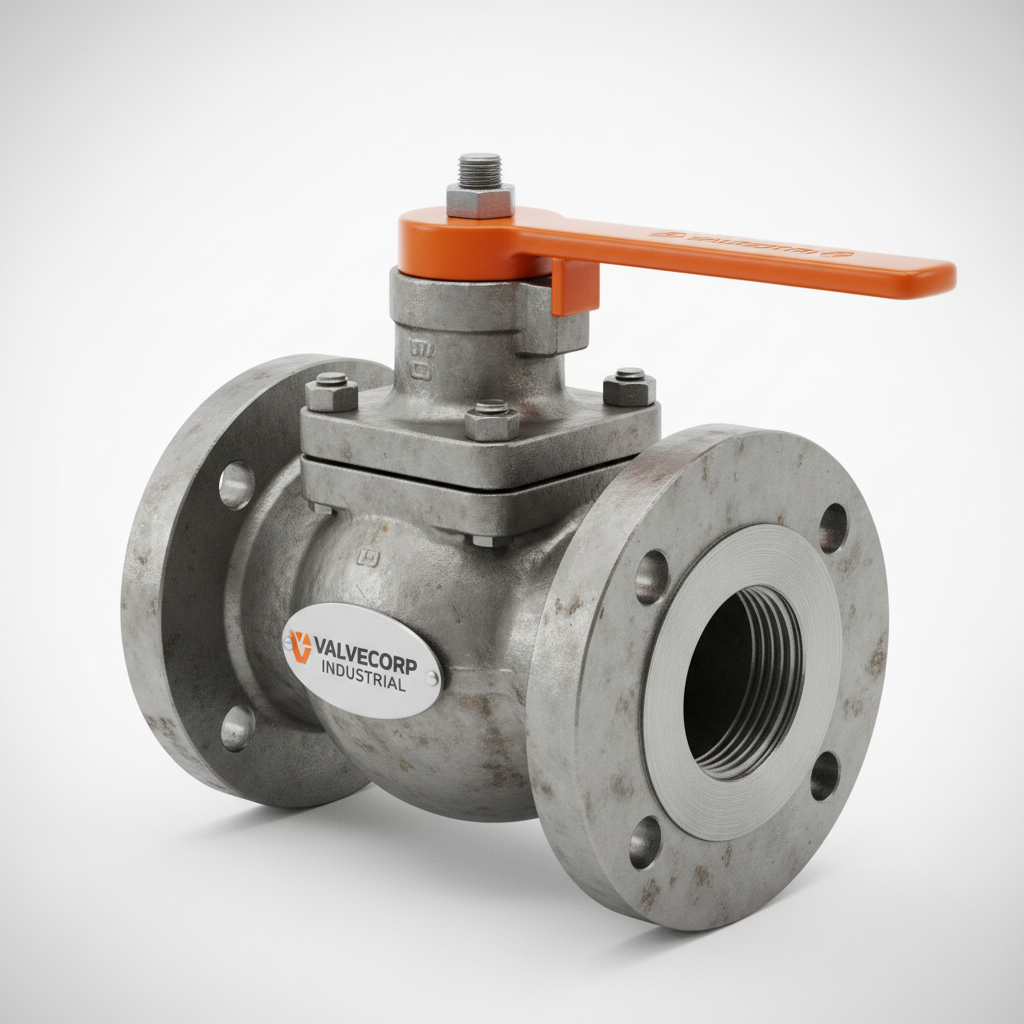
The fundamental principle behind the flanged ball valve lies in its simple yet effective design. A hollow, perforated and pivoting ball is used to control flow. When the ball's hole aligns with the pipe, flow occurs; when rotated 90 degrees, the solid part of the ball blocks flow. The ‘flanged’ aspect refers to the method of connecting the valve to the piping system – using bolted flanges which provide a robust and leak-proof connection.
This design translates into several key advantages, including minimal pressure drop and tight shut-off capabilities. The flanged connection itself is critical for high-pressure and high-temperature applications, offering superior strength and stability compared to other connection methods. This makes them ideal for use in demanding environments where reliability is paramount.
The Global Landscape of flanged ball valve
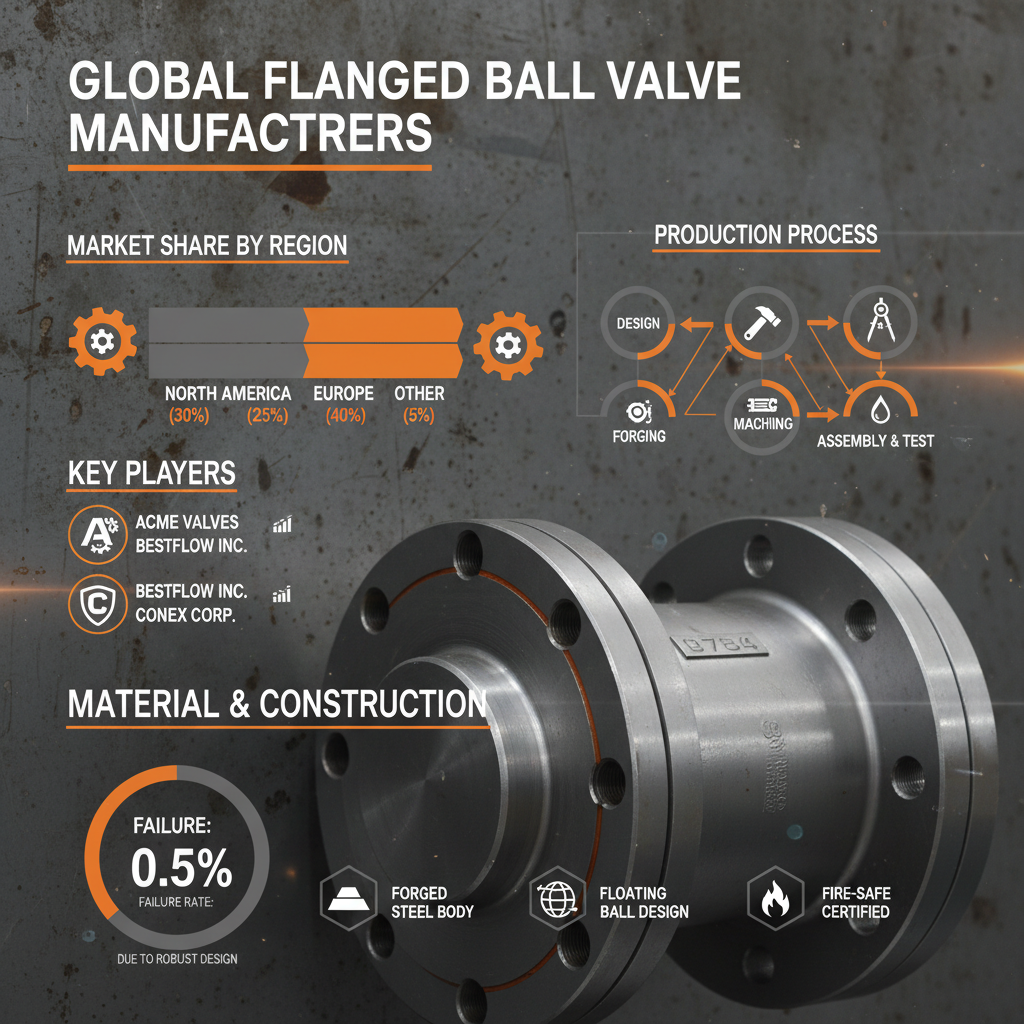
The flanged ball valve market is a significant component of the broader industrial valve industry, estimated to be worth billions of dollars globally. Major manufacturing hubs are located in Asia, particularly China, India, and South Korea, driven by lower production costs and growing domestic demand. North America and Europe remain important markets for high-quality, specialized valves.
Increased investment in infrastructure projects in developing nations, particularly in the energy and water sectors, is driving demand for these valves. Furthermore, stringent environmental regulations are pushing industries to adopt more reliable and leak-proof solutions, favoring the use of flanged ball valves over older technologies. The ISO 9001 standard is widely adopted by manufacturers to ensure quality control.
Geopolitical factors and supply chain disruptions can influence the availability and pricing of flanged ball valves, making careful sourcing and inventory management crucial for businesses. The need for localized supply chains and increased resilience is becoming increasingly apparent in a post-pandemic world.
Defining the flanged ball valve: Function and Form
A flanged ball valve is fundamentally a quarter-turn rotational motion valve used to isolate or regulate flow. The 'ball' inside the valve body is typically made from materials like stainless steel, brass, or PVC, chosen based on the fluid being handled and the operating conditions. The flanges, bolted to the valve body, provide a secure and stable connection to the piping system.
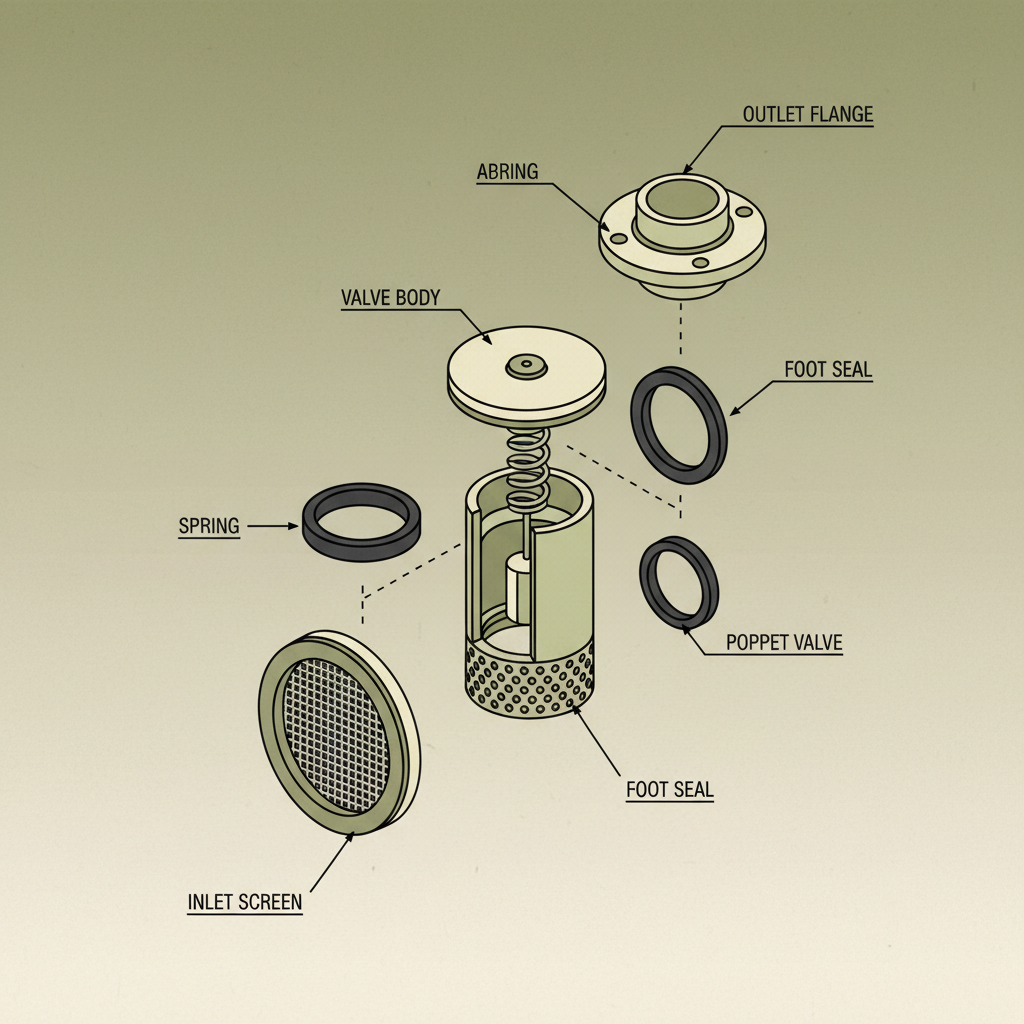
The core components include the valve body, the ball, the stem (which rotates the ball), the seats (which create a tight seal), and the flanges. Valve bodies come in various configurations—split body, three-piece body, and full bore—each offering different advantages in terms of maintenance, repair, and flow characteristics. Understanding these configurations is key to selecting the optimal valve for a specific application.
The versatility of flanged ball valves extends to the variety of actuation options available. Manual operation is common, but pneumatic, electric, or hydraulic actuators can be integrated for remote control and automated processes, expanding their application across diverse industries.
Key Characteristics of High-Performance flanged ball valve
High-performance flanged ball valves are defined by several crucial characteristics. Durability is paramount, relying on robust materials and precise manufacturing to withstand harsh operating conditions and prolong service life. Corrosion resistance is also vital, especially when handling corrosive fluids.
Tight shut-off capabilities, preventing leakage and minimizing environmental impact, are another essential attribute. This is achieved through the use of high-quality seats and precise ball-to-seat alignment. Low torque operation reduces actuator size and energy consumption.
Performance Metrics for flanged ball valve Types
Real-World Applications of flanged ball valve
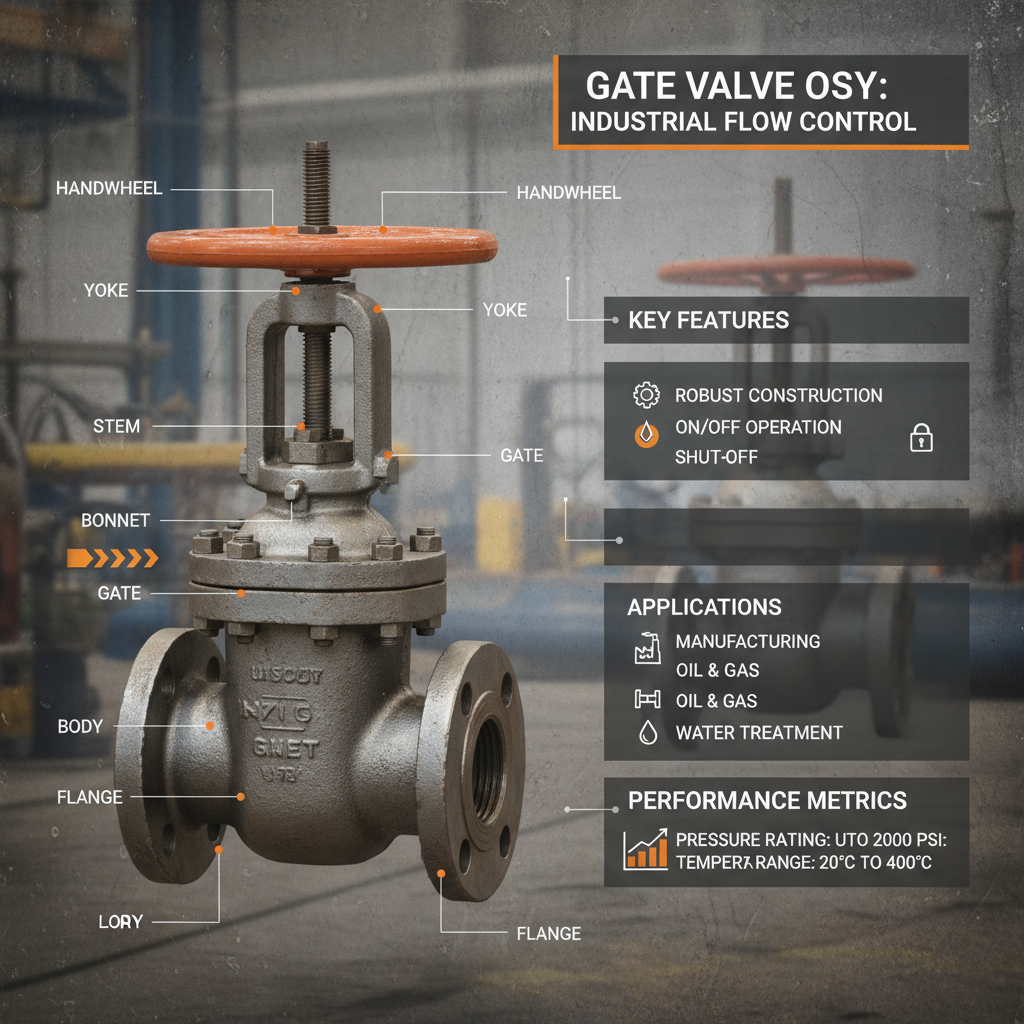
The applications of flanged ball valves are incredibly diverse. In the oil and gas industry, they regulate the flow of crude oil, natural gas, and refined products in pipelines and processing facilities. They are also crucial in chemical plants for controlling the flow of aggressive chemicals.
Water treatment facilities utilize these valves for managing water flow during purification and distribution. Power plants rely on them for steam control and cooling water systems. Moreover, in the pharmaceutical industry, stringent hygiene standards demand the use of sanitary flanged ball valves constructed from materials like stainless steel.
Advantages and Long-Term Value Proposition
The advantages of using flanged ball valves extend beyond their functional capabilities. They offer reduced maintenance costs due to their simple design and fewer moving parts. Their quick quarter-turn operation minimizes downtime during switching and isolation. Their robust construction ensures a long service life, reducing the need for frequent replacements.
From a sustainability standpoint, their tight shut-off prevents leaks and reduces wasted resources. They contribute to increased safety by providing reliable flow control in critical systems. The long-term value proposition is clear: reduced operational costs, increased efficiency, and enhanced safety.
Investing in high-quality flanged ball valves provides peace of mind, knowing that your systems are protected by a reliable and durable component. This trust translates into improved operational reliability and minimized risk.
Future Trends and Challenges in flanged ball valve Technology
The future of flanged ball valve technology is driven by demands for increased efficiency, automation, and sustainability. Smart valves equipped with sensors and digital communication capabilities are becoming increasingly prevalent, allowing for remote monitoring, predictive maintenance, and optimized flow control.
Materials science is also playing a crucial role, with the development of new alloys and coatings offering enhanced corrosion resistance and reduced friction. Additive manufacturing (3D printing) is being explored as a way to create customized valve designs with complex geometries.
However, challenges remain. The rising cost of raw materials, the need to comply with increasingly stringent environmental regulations, and the demand for smaller, lighter valves are all driving innovation in this field. Addressing these challenges will be crucial for maintaining the relevance and competitiveness of flanged ball valve technology.
Overview of Challenges and Emerging Solutions in flanged ball valve Technology
| Challenge |
Impact on flanged ball valve Performance |
Emerging Solutions |
Implementation Status |
| Corrosion Resistance |
Reduced valve lifespan, potential for leakage and failure. |
Advanced alloy materials, protective coatings (e.g., PTFE, PFA). |
Widely adopted, ongoing research into novel materials. |
| High-Temperature Operation |
Material degradation, seal failure, reduced performance. |
High-temperature alloys, specialized sealing materials, improved valve design. |
Developing, niche applications currently. |
| Leakage Prevention |
Environmental hazards, process inefficiencies, safety concerns. |
Enhanced seat designs, improved surface finishing, automated testing procedures. |
Standard practice, continuous improvement efforts. |
| Remote Monitoring & Control |
Limited visibility into valve performance, delayed response to issues. |
Smart valves with integrated sensors, wireless communication protocols, cloud-based data analytics. |
Growing adoption, increasing integration with IIoT platforms. |
| Material Costs |
Increased valve prices, impact on project budgets. |
Optimized material selection, efficient manufacturing processes, alternative materials. |
Ongoing efforts, driven by market dynamics. |
| Automation Integration |
Difficulty integrating with existing control systems, limited flexibility. |
Standardized communication protocols (e.g., Modbus, Profibus), open architecture designs. |
Increasingly common, driven by Industry 4.0 initiatives. |
FAQS
When dealing with corrosive fluids, the valve body material is paramount. Common choices include stainless steels (316, 304), alloy 20, and various plastics like PTFE or PVDF. The seat material must also be chemically compatible. Consider factors like concentration, temperature, and flow rate of the corrosive fluid. Proper material selection prevents premature failure and ensures long-term reliability. Referencing a chemical compatibility chart is crucial for selecting the appropriate materials for your specific application.
The bore size, referring to the diameter of the internal passageway, significantly impacts flow rate and pressure drop. A full bore valve has an internal diameter equal to the pipe diameter, offering minimal flow restriction and low pressure drop. Reduced bore valves have a smaller diameter, which increases flow velocity but also increases pressure drop. Choosing the right bore size depends on the application; full bore is generally preferred for systems where minimizing pressure loss is critical, while reduced bore may be suitable for applications where flow control is more important.
Regular maintenance is crucial. This includes periodic inspection for leaks, corrosion, or damage. Lubricate the stem and seals as recommended by the manufacturer. Check the flange bolts for proper tightness. If the valve is automated, inspect the actuator and control system. Proper documentation of maintenance activities is also vital. Implementing a preventative maintenance schedule helps to identify and address potential issues before they lead to costly failures.
A split body flanged ball valve features a valve body split into two sections, facilitating easy access to internal components for maintenance and repair without removing the valve from the pipeline. A three-piece flanged ball valve consists of three parts: a body, a mid-piece, and an end piece. This design allows for even easier in-line maintenance. Three-piece valves generally offer quicker disassembly and reassembly than split-body designs, making them ideal for frequent maintenance requirements.
Different flange standards, such as ASME (American Society of Mechanical Engineers) and DIN (Deutsches Institut für Normung), define variations in flange dimensions, bolt hole patterns, and gasket requirements. Using incompatible flange standards can lead to leaks and structural failure. It's crucial to ensure that the flanged ball valve and the connecting piping system adhere to the same flange standard. Adapters are available to connect flanges from different standards, but this adds complexity and potential points of failure.
Automated actuation, using pneumatic, electric, or hydraulic actuators, offers several benefits. It enables remote control of the valve, reducing the need for manual operation. It improves process efficiency by enabling faster and more precise switching. It enhances safety by allowing operation from a safe distance, particularly in hazardous environments. Automated valves can also be integrated into control systems for automated process control and data logging. This leads to increased productivity and reduced operational costs.
Conclusion
In conclusion, the flanged ball valve remains a vital component in a vast array of industrial and commercial applications. Its simple design, robust construction, and reliable performance ensure efficient and safe fluid control, contributing to the smooth operation of countless systems worldwide. From its critical role in energy infrastructure to its applications in water treatment and chemical processing, the flanged ball valve continues to be a cornerstone of modern industry.
Looking ahead, advancements in materials science, automation, and smart technology will further enhance the capabilities of these valves. Embracing these innovations is essential for addressing the challenges of a rapidly evolving industrial landscape and ensuring continued reliability, sustainability, and safety. For superior quality and customized solutions, visit our website at www.valve-cable.com.