


Sep . 19, 2025 16:15 Back to list
Different Types of Power Cords: Connectors, Cables & Uses
Navigating the Landscape of Industrial Power Connectivity
In industrial and commercial environments, the reliability and safety of power distribution systems are paramount. At the core of these systems are the power cords, essential for transmitting electrical energy from source to equipment. Understanding the different types of power cords is critical for engineers, procurement specialists, and project managers to ensure optimal performance, regulatory compliance, and long-term operational efficiency. This comprehensive guide delves into the technical specifications, application nuances, and strategic considerations for selecting and implementing robust power connectivity solutions in demanding B2B settings.
From heavy-duty industrial machinery to critical infrastructure, the choice of power cable significantly impacts system integrity. We will explore various designs, materials, and construction methodologies that define the suitability of each power cable for specific operational requirements, emphasizing both safety and longevity.
Industry Trends in Power Cable Technology
The power cable industry is continuously evolving, driven by advancements in materials science, increasing demands for energy efficiency, and stringent safety regulations. Key trends include the development of lighter, more flexible, and more durable materials, especially for insulation and jacketing. Fire safety is a major focus, leading to increased adoption of Low Smoke Halogen-Free (LSHF) and flame-retardant power cable types that mitigate risks in enclosed spaces and critical infrastructure.
Furthermore, the push towards smart grids and industrial automation necessitates power cables with enhanced data transmission capabilities, often integrating fiber optics or specialized shielding to prevent electromagnetic interference (EMI). The emergence of renewable energy sources also fuels the demand for specialized cables capable of handling varying loads and environmental conditions, often requiring robust corrosion resistance and UV stability. As industrial environments become more complex and interconnected, the need for integrated solutions that combine power and data transmission within a single conduit is growing, driving innovation in power cable connector types and overall cable design.
Sustainability is another significant trend, with manufacturers increasingly focusing on environmentally friendly materials and processes, reducing the environmental footprint throughout the product lifecycle. This includes efforts to use recyclable materials and reduce energy consumption during manufacturing.
Understanding Different Types of Power Cords: Technical Specifications
Power cords are broadly classified based on their voltage rating, current capacity, insulation material, jacket material, and application environment. These factors determine the cable's performance characteristics, including its flexibility, temperature resistance, chemical resistance, and overall durability.
Key Parameters and Classifications:
- Voltage Rating: Determines the maximum voltage the cable can safely carry. Common ratings range from low voltage (e.g., 300V) to medium voltage (e.g., 5kV-35kV).
- Current Capacity (Ampacity): The maximum current a conductor can carry continuously without exceeding its temperature rating. This is influenced by conductor size (AWG/kcmil), material (copper/aluminum), and ambient conditions.
- Conductor Material: Primarily copper for its excellent conductivity and flexibility, or aluminum for cost-effectiveness in larger gauges.
- Insulation Material: Critical for electrical isolation. Common materials include PVC (Polyvinyl Chloride), XLPE (Cross-linked Polyethylene), EPR (Ethylene Propylene Rubber), and TPE (Thermoplastic Elastomer), each offering different properties regarding temperature, chemical, and abrasion resistance.
- Jacket Material: Provides mechanical protection and environmental resistance. Materials like PVC, Neoprene, Thermoplastic Elastomers (TPE), and Polyurethane (PUR) offer varying levels of abrasion, oil, chemical, and UV resistance.
- Shielding: Used to minimize electromagnetic interference (EMI) and radio frequency interference (RFI), crucial in environments with sensitive electronics or high electrical noise. Types include foil shields, braided shields, or a combination.
Focus on MC (Type XHHW-2) Cables:
MC (Metal-Clad) cables, such as the MC (Type XHHW-2), represent a robust solution for demanding industrial applications. The "XHHW-2" designation refers to the insulation type: Cross-linked Polyethylene (XLPE) with high heat resistance (H), suitable for wet (W) and dry locations, and rated for higher temperature operation (2 for 90°C). The metal cladding, typically aluminum, provides excellent mechanical protection against impact, crushing, and rodent damage, making it ideal for exposed or concealed wiring in commercial and industrial buildings, as well as in harsh outdoor environments.
Product Specification Table: MC (Type XHHW-2)
| Parameter | Specification (Typical for MC XHHW-2) |
|---|---|
| Cable Type | Metal-Clad Cable (MC) |
| Insulation Type | XHHW-2 (Cross-linked Polyethylene) |
| Conductor Material | Annealed Copper (Stranded) |
| Voltage Rating | 600V |
| Temperature Rating | 90°C (Dry/Wet) |
| Armor Material | Aluminum Interlocked Armor |
| Fire Resistance | FT-4 / IEEE 1202 Vertical Tray Flame Test |
| Applications | Commercial/Industrial buildings, hazardous locations (NEC Article 501, 502, 503 Class I, II, III Div 1 & 2), power, lighting, control circuits. |
| Compliance | UL 1569, NFPA 70 (NEC), CSA C22.2 No. 51 |
Note: Specific conductor sizes (AWG/kcmil) and number of conductors will vary based on application requirements.
The Manufacturing Process of Power Cords
The production of industrial-grade different types of power cords involves a meticulously controlled, multi-stage manufacturing process to ensure consistent quality, performance, and adherence to international standards. This process emphasizes precision engineering, quality control, and the selection of advanced materials.
Process Flow:
1. Conductor Drawing & Stranding
High-purity copper or aluminum rods are drawn through dies to achieve the specified gauge. Multiple strands are then bundled to create flexible conductors, optimized for current carrying capacity and bending radius.
2. Insulation Extrusion
Each conductor is precisely coated with an insulating material (e.g., XLPE for XHHW-2) using an extrusion process. This layer is crucial for electrical isolation and temperature resistance. Thickness and concentricity are continuously monitored.
3. Cabling/Twisting
Individual insulated conductors are twisted together, often with fillers or binders, to form the core of the cable. This configuration enhances mechanical stability and minimizes electromagnetic interference.
4. Armor Application (for MC Cables)
For MC cables, an interlocked aluminum or steel armor is applied over the cable core. This step, often involving specialized helical wrapping machinery, provides robust mechanical protection.
5. Outer Jacketing Extrusion (if applicable)
For some different types of power cords, particularly those for outdoor or harsh environments, an additional outer jacket (e.g., PVC, TPE) is extruded over the armor or cable core to provide further protection against abrasion, moisture, chemicals, and UV radiation.
6. Testing & Quality Control
Throughout and after manufacturing, rigorous testing is conducted. This includes spark testing for insulation integrity, dimensional checks, electrical resistance measurements, tensile strength tests, and fire performance tests. Cables must meet standards like ISO 9001, ANSI, UL, and CSA.
Service Life and Target Industries: The careful selection of materials and precise manufacturing contribute to an extended service life, often exceeding 20-30 years under optimal conditions. Different types of power cords are engineered for specific target industries, including:
- Petrochemical: Requiring resistance to hydrocarbons, solvents, and corrosive gases.
- Metallurgy: Enduring high temperatures, mechanical stress, and abrasive environments.
- Water Supply & Drainage: Needing moisture resistance and durability in submerged or wet conditions.
- Mining: Demanding extreme mechanical ruggedness, crush resistance, and often flame retardancy.
- Construction: Requiring versatility, ease of installation, and compliance with building codes.
Technical Advantages and Application Scenarios
The selection of appropriate different types of power cords offers distinct technical advantages crucial for industrial operations. These advantages translate directly into enhanced safety, operational efficiency, and reduced total cost of ownership.
Key Advantages:
- Energy Saving: Cables with optimized conductor sizes and low resistance reduce I²R losses, leading to significant energy savings over their operational lifetime.
- Corrosion Resistance: Jacketing materials like TPE or specialized PVC compounds, along with armored options, provide superior resistance to chemicals, acids, alkalis, oils, and moisture, preventing degradation in harsh industrial environments.
- Fire Retardancy & Safety: Cables designed with flame-retardant (FR) or Low Smoke Halogen-Free (LSHF) properties significantly improve safety by preventing flame propagation and minimizing toxic smoke emissions during a fire event.
- Mechanical Robustness: Armored cables like MC (Type XHHW-2) offer exceptional resistance to crushing, impact, and abrasion, crucial for exposed installations or areas with heavy traffic.
- Temperature Stability: High-performance insulation (e.g., XLPE) allows cables to operate reliably across wide temperature ranges, from extreme cold to high heat (e.g., 90°C), without compromising electrical integrity.
- UV Resistance: Outer jackets formulated with UV inhibitors protect cables from solar radiation degradation, ensuring long-term performance in outdoor applications.
Typical Application Scenarios:
- Energy Infrastructure: Powering transformers, switchgear, and distribution panels in substations and renewable energy farms, where reliability under varying load conditions is critical.
- Manufacturing Plants: Supplying power to robotic arms, conveyor systems, CNC machines, and assembly lines, often requiring flexible and oil-resistant power cable types.
- Commercial Buildings: Wiring for lighting, HVAC systems, elevators, and critical safety systems, often prioritizing fire safety and ease of installation.
- Data Centers: Powering servers, cooling units, and backup systems, where high current capacity, heat resistance, and minimal EMI are essential.
- Chemical Processing: Utilizing corrosion-resistant cables in areas exposed to aggressive chemicals and solvents, ensuring operational continuity and safety.
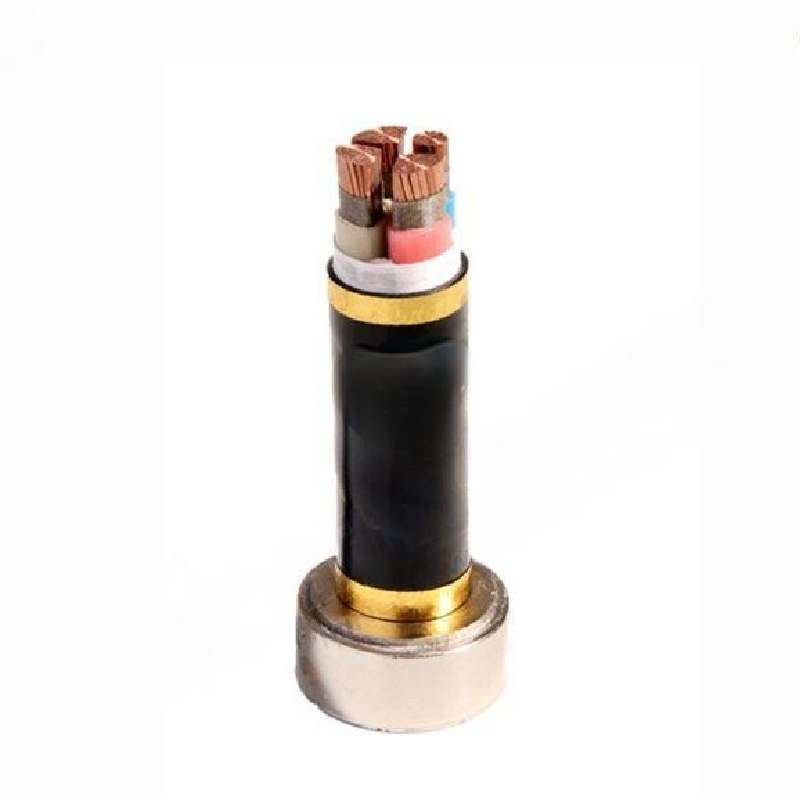
Figure 1: Illustration of industrial different types of power cords in a complex setup.
Power Cable Connector Types and Power Cord Connector Types
Beyond the cable itself, the choice of power connector types is equally critical to complete a reliable power connection. Connectors ensure safe, secure, and efficient electrical continuity while allowing for modularity and maintenance. The variety of power cable connector types is vast, ranging from standard wall plugs to heavy-duty industrial plugs and receptacles.
Common Connector Standards and Applications:
- NEMA (National Electrical Manufacturers Association): Prevalent in North America, NEMA connectors are rated for specific voltages and amperages (e.g., NEMA 5-15P for 125V, 15A or NEMA L5-30P for locking 125V, 30A). They offer robust construction and clear polarization.
- IEC 60320: Internationally recognized for appliance couplers (e.g., C13/C14 for computers, C19/C20 for high-power devices). These ensure interoperability and safety for detachable power cords.
- Industrial Plugs & Sockets (IEC 60309): Often color-coded by voltage and frequency (e.g., blue for 230V, 50/60Hz; red for 400V, 50/60Hz), these provide high ingress protection (IP ratings) and mechanical robustness for demanding industrial environments like construction sites, data centers, and manufacturing plants.
- Terminal Blocks & Lugs: For permanent or semi-permanent installations where power cords connect directly to equipment or distribution panels, robust terminal blocks and crimped lugs are used, ensuring a secure, low-resistance connection.
- Specific Industrial Power Connector Types: Specialized connectors exist for hazardous locations (explosion-proof), railway applications, marine environments, and military uses, each designed to meet unique safety and performance standards.
The selection of the correct power cord connector types is paramount. A mismatch can lead to overheating, electrical arcing, system failures, and severe safety hazards. Compatibility with the existing infrastructure and adherence to local electrical codes are non-negotiable considerations. High-quality connectors are designed for ease of termination, secure locking mechanisms, and durable contact materials to minimize resistance and prevent accidental disconnections.
Vendor Comparison and Customized Solutions
When sourcing different types of power cords, B2B decision-makers evaluate vendors based on a comprehensive set of criteria that go beyond mere product specifications. Trustworthiness, engineering support, and flexibility in customization are crucial for long-term partnerships.
Key Factors for Vendor Evaluation:
| Factor | Description/Importance |
|---|---|
| Certifications & Compliance | UL, CSA, CE, RoHS, ISO 9001. Demonstrates adherence to international quality and safety standards. |
| Material Quality & Sourcing | Traceability of raw materials and use of virgin, high-grade compounds ensure product longevity and performance. |
| Technical Expertise & Support | Ability to provide detailed technical data, engineering assistance, and troubleshooting for complex applications. |
| Customization Capabilities | Flexibility to tailor cable designs (gauge, length, jacketing, shielding, connectorization) to unique project requirements. |
| Lead Times & Logistics | Reliable delivery schedules and efficient global logistics ensure project timelines are met. |
| Warranty & After-Sales Service | Robust warranty policies and responsive customer support are indicative of product confidence and commitment. |
Customized Solutions:
Off-the-shelf power cords may not always meet the exacting demands of specialized industrial applications. Leading manufacturers offer comprehensive customization services, allowing clients to specify:
- Specific Conductor Gauges and Number of Cores: To match exact current and power distribution requirements.
- Unique Insulation and Jacketing Compounds: Tailored for extreme temperature, chemical, abrasion, or UV resistance.
- Integrated Hybrid Cables: Combining power, data, and even fiber optic elements into a single cable for streamlined installation and reduced complexity.
- Specialized Shielding: To address specific EMI/RFI concerns in sensitive environments.
- Custom Lengths and Terminations: Pre-cut lengths and factory-installed power connector types minimize onsite labor and potential for installation errors.
Engaging with a vendor who understands the intricate requirements of industrial applications and can provide bespoke solutions ensures that the chosen power cable types are perfectly aligned with project needs, offering optimal performance and cost-effectiveness.
Application Case Studies
Real-world applications demonstrate the critical role of carefully selected different types of power cords in ensuring the continuous and safe operation of industrial systems.
Case Study 1: Petrochemical Plant Upgrade
A major petrochemical facility faced frequent cable failures in its pumping station due to exposure to highly corrosive chemical vapors and fluctuating temperatures. Standard PVC-jacketed cables deteriorated rapidly, leading to costly downtime and safety risks. Our engineers recommended customized MC (Type XHHW-2) cables with a specialized TPE outer jacket, providing enhanced chemical and heat resistance, combined with the inherent mechanical protection of the armor. The new installation, rigorously tested to ISO 17025 standards, resulted in a 70% reduction in cable-related failures over two years, significantly improving uptime and worker safety.
Case Study 2: Automated Manufacturing Line Integration
An automotive manufacturing plant was upgrading its robotic welding cells, requiring power cables that could withstand continuous flexing, oil exposure, and abrasive contact with machine parts. Standard flexible cables showed premature wear. We provided a solution utilizing finely stranded copper conductors with EPR insulation and a robust PUR (Polyurethane) jacket, known for its exceptional abrasion and oil resistance. These specialized power cable types were also equipped with industrial-grade IEC 60309 power connector types for quick and secure connections. This upgrade extended cable service life by 300% and minimized maintenance interruptions on the high-speed production line.
Case Study 3: Data Center Expansion
A rapidly expanding data center needed high-density power distribution solutions for new server racks. The primary concerns were maximizing current capacity within confined spaces, efficient heat dissipation, and ensuring ultra-low EMI to protect sensitive data equipment. We supplied custom power cord connector types assemblies using large-gauge, highly flexible, low-smoke, zero-halogen (LSZH) cables. These power cables were optimized for 208V and 400V PDU connections, reducing voltage drop and heat generation. Feedback from the client highlighted improved power efficiency and increased rack density without compromising safety or data integrity.
Ensuring Trustworthiness: FAQs, Lead Times, Warranty, and Support
Our commitment to quality extends beyond product delivery, encompassing comprehensive customer support and transparency across all business operations.
Frequently Asked Questions (FAQs):
Q: How do I select the correct gauge for my power cord?
A: Cable gauge selection depends on the amperage, voltage, cable length, and temperature rating. We recommend consulting our technical team or referring to NEC/CEC tables for precise calculations to prevent overheating and voltage drop.
Q: What is the typical lead time for custom power cable types?
A: Lead times for custom orders vary based on complexity, material availability, and order volume. Typically, custom solutions can range from 4-8 weeks from design approval. Standard products usually ship within 1-2 weeks.
Q: Are your products certified for hazardous locations?
A: Many of our specialized industrial different types of power cords, including certain MC (Type XHHW-2) cables, are designed and certified for use in Class I, II, III, Division 1 & 2 hazardous locations as per NEC Article 501, 502, 503. Please refer to specific product datasheets for relevant certifications.
Lead Time and Fulfillment:
We operate with streamlined manufacturing and supply chain processes to ensure efficient order fulfillment. Our lead times are transparently communicated at the time of quotation, with dedicated project managers overseeing larger orders to ensure on-time delivery. We also offer expedited options for urgent requirements where feasible.
Warranty Commitments:
All our different types of power cords are backed by a comprehensive warranty against manufacturing defects and material failures under normal operating conditions. The specific warranty period is outlined in our sales terms and conditions and typically ranges from 1 to 5 years, reflecting our confidence in the durability and quality of our products.
Customer Support:
Our expert technical support team is available to assist with product selection, technical inquiries, installation guidance, and troubleshooting. We are committed to providing responsive and knowledgeable support throughout the lifecycle of your power connectivity solutions. Contact us via phone, email, or through our website's support portal for prompt assistance.
Conclusion
The selection of appropriate different types of power cords is a critical decision that impacts the safety, efficiency, and longevity of any industrial or commercial electrical system. From understanding diverse power cable types and their manufacturing processes to choosing the right power cable connector types and engaging with a reliable vendor, every step requires careful consideration. By leveraging industry insights, technical expertise, and a commitment to quality, businesses can ensure their power infrastructure is robust, reliable, and optimized for performance in even the most challenging environments. Investing in high-quality, fit-for-purpose power cords is an investment in operational continuity and long-term success.
References:
- National Electrical Code (NEC) - NFPA 70, 2023 Edition. National Fire Protection Association.
- ANSI/UL 1569 - Standard for Metal-Clad Cables. Underwriters Laboratories.
- IEC 60309 - Plugs, socket-outlets and couplers for industrial purposes. International Electrotechnical Commission.
- ISO 9001:2015 - Quality Management Systems - Requirements. International Organization for Standardization.
- IEEE 1202 - Standard for Flame Testing of Cables for Use in Cable Trays in Industrial and Commercial Occupancies. Institute of Electrical and Electronics Engineers.
Share
Latest news
-
Understanding the 6 butterfly valve price Industrial Buying GuideNewsApr.16,2026
-
Analyzing the 50mm Butterfly Valve Price and Buyer GuideNewsApr.09,2026
-
Comprehensive Guide to 40mm Butterfly Valve Price Factors and Quality ConsiderationsNewsApr.07,2026
-
Comprehensive Guide to 4 Inch Sluice Valve Price and Key Selection FactorsNewsApr.04,2026
-
Comprehensive Guide to 4 Butterfly Valve Price Factors and Ranges in 2024NewsMar.31,2026
-
Comprehensive Guide to 300mm Butterfly Valve Price and Industrial ApplicationsNewsMar.28,2026
 English
  Afrikaans
  Albanian
  Amharic
  Arabic
  Armenian
  Azerbaijani
  Basque
  Belarusian
  Bengali
  Bosnian
  Bulgarian
  Catalan
  Cebuano
  China
China  China (Taiwan)
  Corsican
  Croatian
  Czech
Czech  Danish
  Dutch
Dutch  Esperanto
  Estonian
  Finnish
  French
  Frisian
  Galician
  Georgian
  German
  Greek
Greek  Gujarati
  Haitian Creole
  Hausa
Hausa  Hawaiian
  Hebrew
  Hindi
Hindi  Miao
Miao  Hungarian
  Icelandic
  Igbo
Igbo  Indonesian
  Irish
Irish  Italian
  Japanese
  Javanese
  Kannada
  Kazakh
  Khmer
Khmer  Rwandese
  Korean
  Kurdish
  Kyrgyz
  Lao
Lao  Latin
Latin  Latvian
  Lithuanian
  Luxembourgish
  Macedonian
  Malgashi
  Malay
Malay  Malayalam
  Maltese
  Maori
Maori  Marathi
  Mongolian
  Myanmar
  Nepali
  Norwegian
  Norwegian
  Occitan
  Pashto
  Persian
  Polish
  Portuguese
  Punjabi
  Romanian
  Russian
  Samoan
  Scottish Gaelic
  Serbian
  Sesotho
  Shona
Shona  Sindhi
  Sinhala
  Slovak
  Slovenian
  Somali
  Spanish
  Sundanese
  Swahili
  Swedish
  Tajik
Tajik  Tamil
Tamil  Tatar
Tatar  Telugu
  Thai
Thai  Turkish
  Turkmen
  Ukrainian
  Urdu
Urdu  Uighur
  Uzbek
Uzbek  Vietnamese
  Welsh
Welsh  Bantu
Bantu  Yiddish
  Yoruba
  Zulu
Zulu