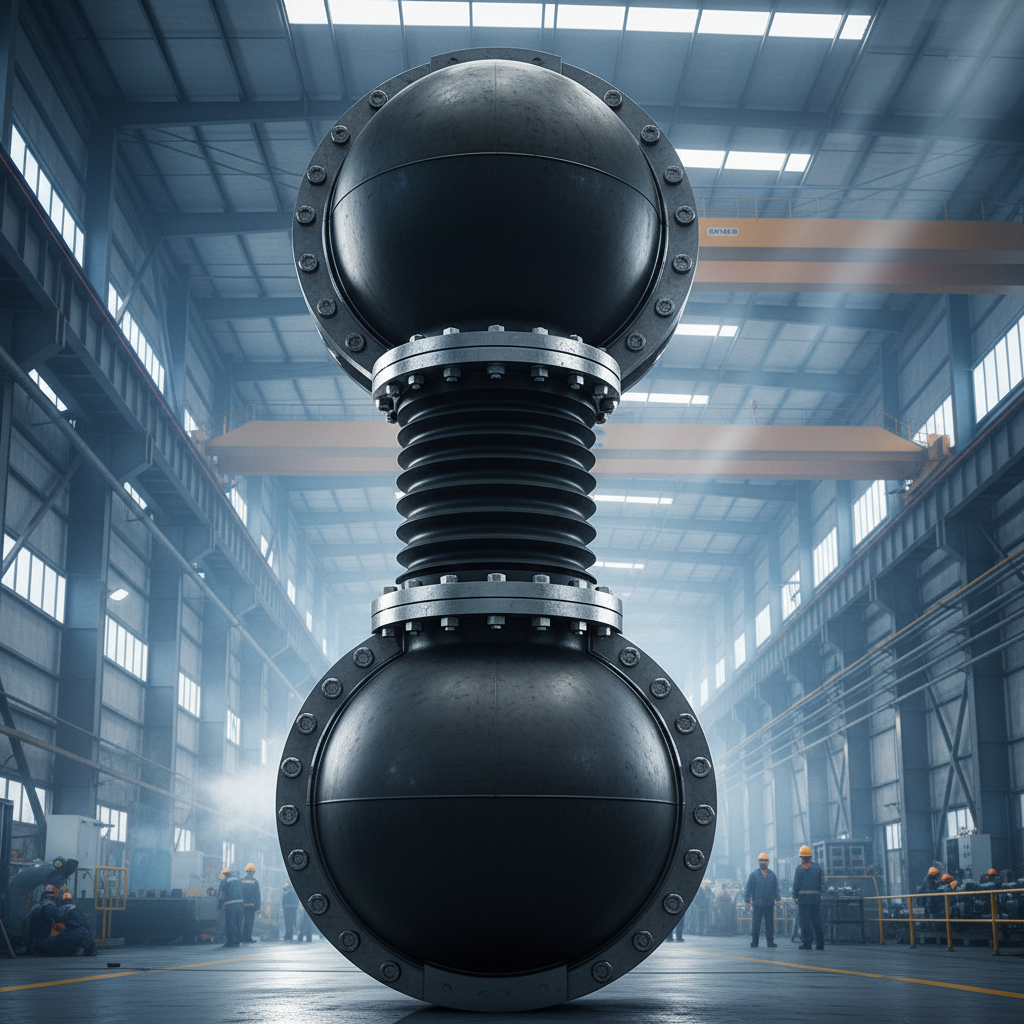
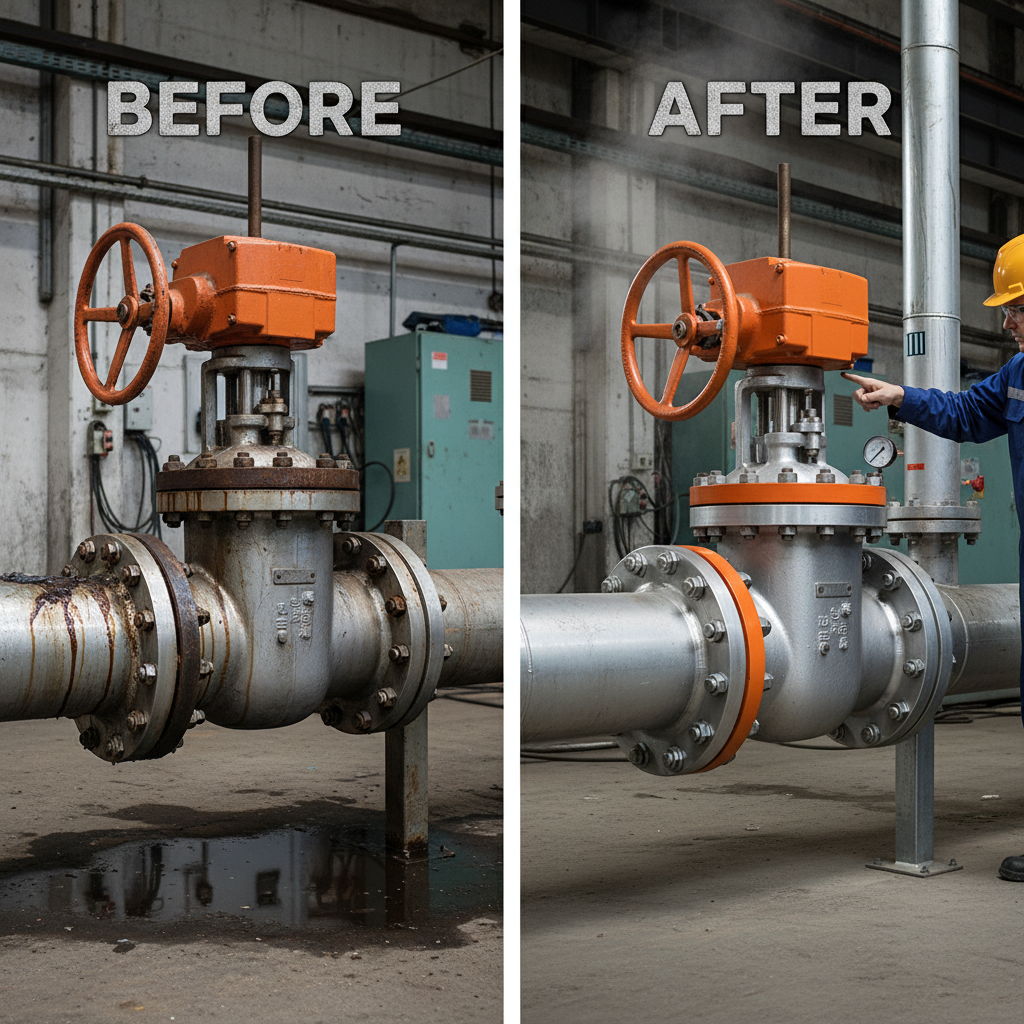
The double sphere flange type rubber joint represents a critical component in modern piping systems, playing a vital role across diverse industries. These joints are engineered to absorb vibration, allow for thermal expansion and contraction, and accommodate minor misalignment, safeguarding the integrity of connected equipment and pipelines. Understanding their design, applications, and benefits is paramount for engineers, procurement specialists, and maintenance personnel involved in fluid transfer operations worldwide. The reliability and longevity of these joints directly impact operational efficiency and safety, making informed selection and proper installation crucial.
Globally, the demand for robust and reliable piping solutions is steadily increasing, driven by infrastructure development, industrial growth, and stringent safety regulations. Double sphere flange type rubber joints provide a versatile and cost-effective solution to address the challenges associated with pipeline stress and movement. They are particularly critical in industries handling corrosive or high-pressure fluids, where preventing leaks and ensuring system integrity are non-negotiable. Innovations in rubber compounds and flange materials are continuously enhancing their performance and extending their service life.
The increasing complexity of modern industrial processes necessitates solutions that can adapt to dynamic conditions and minimize downtime. Double sphere flange type rubber joints offer a significant advantage in this regard, reducing the risk of failure and simplifying maintenance procedures. Investing in high-quality joints translates to reduced life-cycle costs, improved operational efficiency, and enhanced safety, making them an indispensable element of any robust fluid transfer system.
Introduction to Double Sphere Flange Type Rubber Joints
Double sphere flange type rubber joints are integral components in various industrial applications, designed to absorb movement, reduce noise, and mitigate stress within piping systems. Their unique design, featuring two spherical bearings within a rubber housing, allows for multi-planar deflection, making them ideal for accommodating misalignment and thermal expansion. These joints are particularly crucial in scenarios where vibration control and system protection are paramount.
The effectiveness of a double sphere flange type rubber joint relies on a synergy between the rubber compound's elasticity, the flange material's strength, and the precision of the spherical bearing assembly. Selecting the appropriate joint for a specific application requires careful consideration of factors such as operating pressure, temperature, fluid compatibility, and potential movement. Proper installation and regular inspection are also essential to ensure long-term performance and prevent failures.
Defining Double Sphere Flange Type Rubber Joints
A double sphere flange type rubber joint is a flexible connector used in piping systems to absorb movement and reduce stress. It consists of a rubber body with two spherical bearings embedded within, connected to flanges at each end for attachment to the piping. The rubber material provides elasticity, allowing the joint to accommodate angular deflection, axial movement, and parallel misalignment. This is a robust solution ideal for applications where rigid connections would be prone to failure.
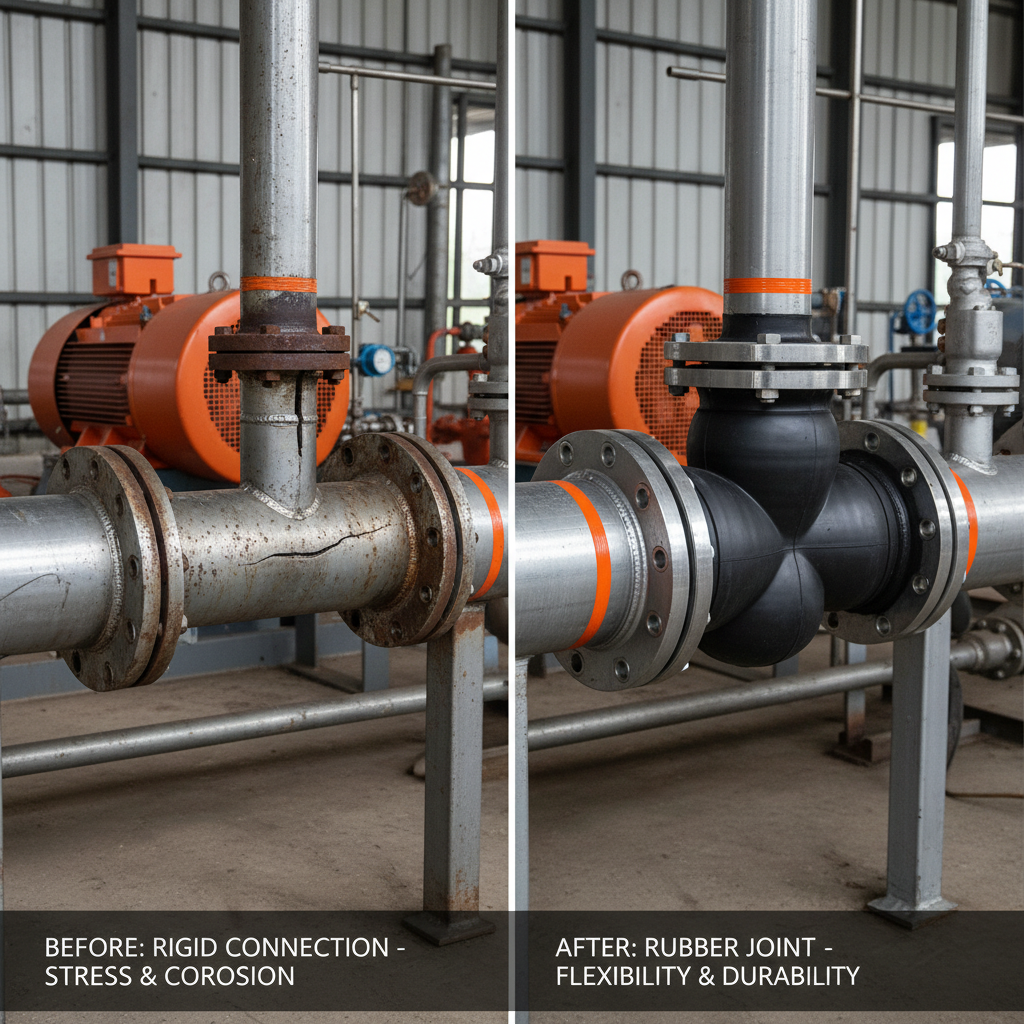
Unlike traditional rigid couplings, the double sphere design permits movement in multiple planes simultaneously, offering greater flexibility and adaptability. This is particularly beneficial in systems subject to thermal expansion and contraction, seismic activity, or vibration from machinery. The rubber material also acts as a dampener, reducing noise and protecting sensitive equipment.
The significance of these joints extends beyond simply preventing leaks; they contribute to the overall integrity and longevity of the entire piping system. By absorbing stresses, they protect flanges, valves, and other components from damage, reducing maintenance costs and minimizing downtime. Properly specified and installed, a double sphere flange type rubber joint becomes a crucial element in ensuring a safe and reliable fluid transfer operation.
Core Components and Critical Factors
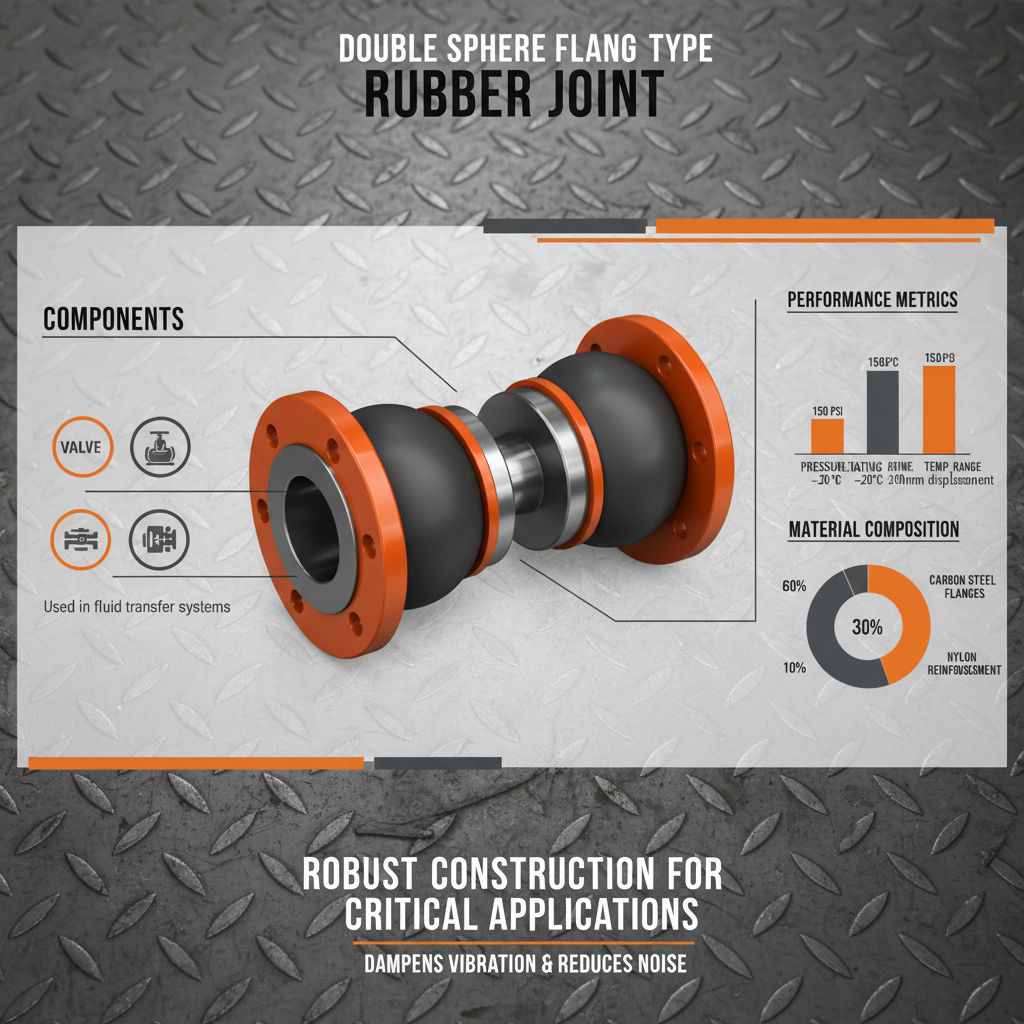
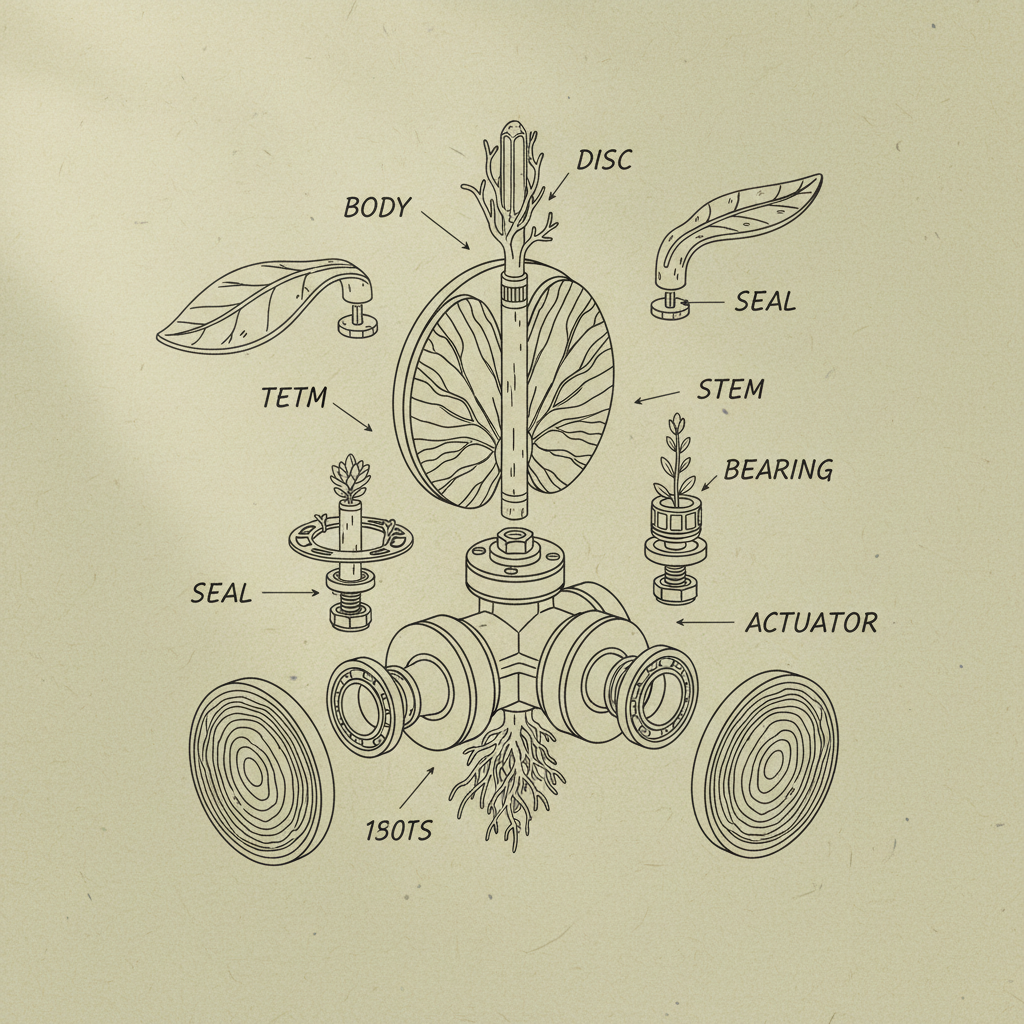
Several key components contribute to the performance and reliability of a double sphere flange type rubber joint. The rubber material, typically EPDM, Neoprene, or Nitrile, provides the necessary flexibility and elasticity. The choice of rubber depends on the fluid being conveyed and the operating temperature. Flanges, usually made of carbon steel, stainless steel, or ductile iron, provide a secure connection to the piping system. Crucially, the spherical bearings, crafted from materials like PTFE or other low-friction polymers, facilitate smooth movement within the rubber body.
Critical factors influencing the selection and performance of these joints include operating pressure, temperature range, chemical compatibility, and the anticipated amount of movement. The pressure rating must exceed the maximum system pressure, while the temperature range should accommodate both the operating temperature and potential temperature fluctuations. Chemical compatibility is vital to prevent degradation of the rubber material. Finally, accurately assessing the expected movement – angular deflection, axial movement, and shear strain – is essential to select a joint with sufficient capacity.
Beyond material selection, proper installation is paramount. Flanges must be aligned correctly, and bolts must be tightened to the specified torque. Regular inspection for signs of wear, cracking, or deterioration is also critical for maintaining long-term performance. Ignoring these factors can lead to premature failure and costly repairs, underscoring the importance of a holistic approach to joint selection, installation, and maintenance.
Global Applications and Diverse Use Cases
Double sphere flange type rubber joints find widespread application across a multitude of industries globally. In water and wastewater treatment plants, they are employed to connect pipelines, pumps, and valves, accommodating settling and movement while preventing leaks. Power generation facilities utilize them in cooling water systems and steam lines, mitigating vibration and thermal stress. Chemical processing plants rely on their chemical resistance and flexibility to handle corrosive fluids safely.
The oil and gas industry incorporates these joints in pipelines, refineries, and offshore platforms, protecting against seismic activity and thermal expansion. HVAC systems in large buildings and commercial complexes benefit from their noise dampening and vibration isolation capabilities. In remote industrial zones, their durability and low maintenance requirements make them a preferred choice.
Furthermore, double sphere flange type rubber joints are increasingly being used in specialized applications such as mining, marine engineering, and food processing. For example, in post-disaster relief operations, portable water purification systems often utilize these joints for quick and reliable pipeline connections. Their versatility and robustness continue to drive their adoption in an ever-expanding range of applications worldwide.
Double Sphere Flange Type Rubber Joint Performance Metrics
Advantages and Long-Term Value Proposition
The advantages of employing double sphere flange type rubber joints extend beyond immediate operational benefits. Cost savings are significant due to reduced maintenance frequency and minimized downtime. Their ability to absorb movement prevents damage to connected equipment, extending their lifespan and lowering replacement costs. Furthermore, the noise reduction capabilities contribute to a safer and more comfortable working environment.
From a sustainability perspective, the durability of these joints reduces the need for frequent replacements, minimizing waste and conserving resources. Their contribution to system integrity reduces the risk of leaks, preventing environmental contamination and ensuring responsible fluid management. These benefits translate to a positive impact on a company’s environmental footprint and corporate social responsibility initiatives.
Future Trends and Technological Advancements
The future of double sphere flange type rubber joints is poised for innovation, driven by advancements in materials science and digital technologies. The development of new rubber compounds with enhanced chemical resistance, temperature stability, and elasticity will further broaden their application range. Smart joints equipped with sensors for monitoring pressure, temperature, and strain are emerging, enabling predictive maintenance and early detection of potential failures.
Integration with Building Information Modeling (BIM) and digital twin technologies will allow for virtual modeling and optimization of piping systems, ensuring the proper selection and placement of rubber joints. These advancements will contribute to increased efficiency, reduced costs, and improved safety in a wide range of industries, solidifying their role as essential components of modern infrastructure.
Challenges and Innovative Solutions
Despite their numerous advantages, double sphere flange type rubber joints can face challenges related to abrasion, erosion, and exposure to extreme chemicals. Traditional rubber materials can degrade over time, particularly in harsh environments. However, innovative solutions are emerging to address these concerns.
The use of advanced coatings and surface treatments can enhance resistance to abrasion and erosion. The development of new rubber formulations incorporating nanoparticles and other additives is improving chemical resistance and extending service life. Additionally, implementing robust inspection and maintenance programs, including non-destructive testing methods, can help identify potential issues before they escalate.
Furthermore, research into self-healing rubber materials promises to revolutionize the industry, offering joints that can automatically repair minor damage and extend their operational lifespan significantly. Addressing these challenges through continuous innovation will ensure that double sphere flange type rubber joints remain a reliable and cost-effective solution for decades to come.
Key Performance Indicators for Double Sphere Flange Type Rubber Joint Selection
| Joint Material |
Operating Pressure (PSI) |
Deflection Capacity (Degrees) |
Expected Service Life (Years) |
| EPDM Rubber |
150 |
±15 |
10 |
| Nitrile Rubber |
200 |
±10 |
8 |
| Neoprene Rubber |
100 |
±20 |
12 |
| Viton Rubber |
250 |
±8 |
5 |
| Silicone Rubber |
80 |
±25 |
7 |
| Polyurethane Rubber |
300 |
±5 |
6 |
FAQS
The lifespan of a double sphere flange type rubber joint varies depending on operating conditions, fluid compatibility, and maintenance practices. Typically, a well-maintained joint can last between 5 and 15 years. Regular inspection for signs of wear, cracking, or chemical degradation is crucial to maximizing its service life. Factors like temperature extremes, abrasive materials, and excessive pressure can significantly reduce lifespan.
Key considerations include the operating pressure, temperature range, fluid compatibility, and expected movement (angular deflection, axial movement, shear strain). The flange material must be compatible with the piping system, and the rubber compound should resist degradation from the conveyed fluid. Accurately assessing the anticipated movement is vital to select a joint with sufficient capacity to prevent stress and potential failure.
Proper installation is critical for optimal performance. Ensure that the flanges are clean and free of debris. Align the flanges carefully and use appropriate gaskets. Tighten the bolts to the manufacturer's specified torque. Avoid over-tightening, which can compress the rubber and reduce its flexibility. Inspect the joint after installation to confirm proper alignment and sealing.
Regular inspection is the most important maintenance step. Check for signs of cracking, wear, swelling, or chemical degradation of the rubber. Ensure bolts remain tightened to the correct torque. Replace the joint if any significant damage is observed. Maintaining records of inspections and replacements is recommended for long-term reliability.
Yes, but it’s crucial to select a rubber compound compatible with the specific corrosive fluid. Viton, Chemraz, and PTFE-lined joints are often used for highly corrosive applications. Ensure that the flange material is also resistant to corrosion. Always consult the manufacturer's chemical resistance chart to verify compatibility before installation.
The double sphere design offers greater flexibility and the ability to accommodate movement in multiple planes simultaneously. This is particularly beneficial in systems experiencing complex movements or where precise alignment is difficult to achieve. A single sphere design is more limited in its range of motion and may not be suitable for all applications. The double sphere design provides increased stability and reduces stress on the piping system.
Conclusion
In conclusion, double sphere flange type rubber joints represent a vital component in modern piping systems, offering unparalleled flexibility, vibration dampening, and protection against stress. Their versatility makes them suitable for a vast array of applications across diverse industries, contributing to increased operational efficiency, reduced maintenance costs, and enhanced safety. Understanding their core principles, proper selection, and diligent maintenance is paramount for maximizing their long-term value.
As technology continues to evolve, we can expect further advancements in materials and designs, leading to even more robust and reliable double sphere flange type rubber joints. Investing in these innovative solutions and prioritizing proper installation practices will remain critical for ensuring the integrity and longevity of critical infrastructure worldwide. For more information and to explore our comprehensive range of products, visit our website: double sphere flange type rubber joint.