Mar . 04, 2026 02:15 Back to list
Comprehensive Guide to Double Offset Butterfly Valve Manufacturers and Selection
Double Offset Butterfly Valve Manufacturers: A Comprehensive Guide
Selecting the right double offset butterfly valve manufacturer is crucial for ensuring efficient and reliable fluid control in diverse industrial applications. These valves offer distinct advantages in terms of tight shut-off and reduced wear compared to standard butterfly valves. This guide will delve into the key considerations when choosing a manufacturer, including design features, materials, quality control, and industry standards. We'll explore what makes a manufacturer stand out and how to evaluate their capabilities to meet your specific project requirements.
Understanding Double Offset Butterfly Valves
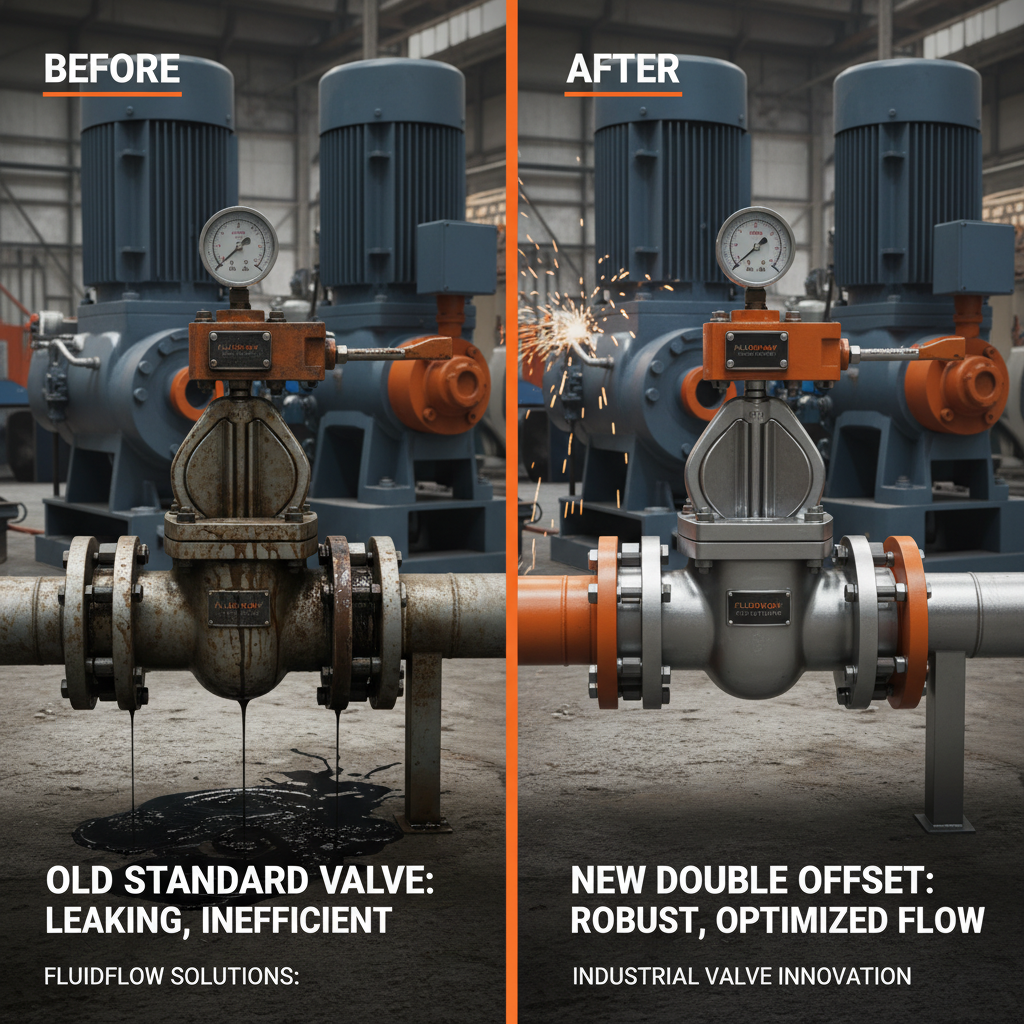
Unlike conventional butterfly valves, double offset butterfly valves feature an offset disc and a shaft that is offset from the valve's centerline. This unique design minimizes friction between the disc and the valve body, leading to reduced wear and tear, tighter shut-off, and improved flow control. They’re particularly well-suited for applications requiring frequent operation and high levels of sealing. These valves are commonly used in industries such as water treatment, chemical processing, power generation, and oil and gas. A reputable double offset butterfly valve manufacturer will prioritize precision engineering in this design.
Key Benefits: Reduced wear, tight shut-off, improved flow control, suitable for high-frequency operation, and a broad range of applications.
Key Considerations When Choosing a Manufacturer
Selecting a double offset butterfly valve manufacturer requires careful evaluation. Look for manufacturers with a proven track record, robust quality control processes, and adherence to industry standards like API 598 and ISO 9001. Consider the materials of construction offered—stainless steel, carbon steel, and alloy options are available to suit various fluid types and operating conditions. Capacity, technical expertise, and after-sales support are also vital factors. Don’t hesitate to request references and case studies to assess their performance.
Essential Evaluation Criteria:
• Certifications (ISO 9001, API 598)
• Material Options (Stainless Steel, Carbon Steel, Alloys)
• Manufacturing Capabilities (Capacity, Precision)
• After-Sales Support (Technical Assistance, Warranty)
Double Offset Butterfly Valve Manufacturers: A Comparative Overview
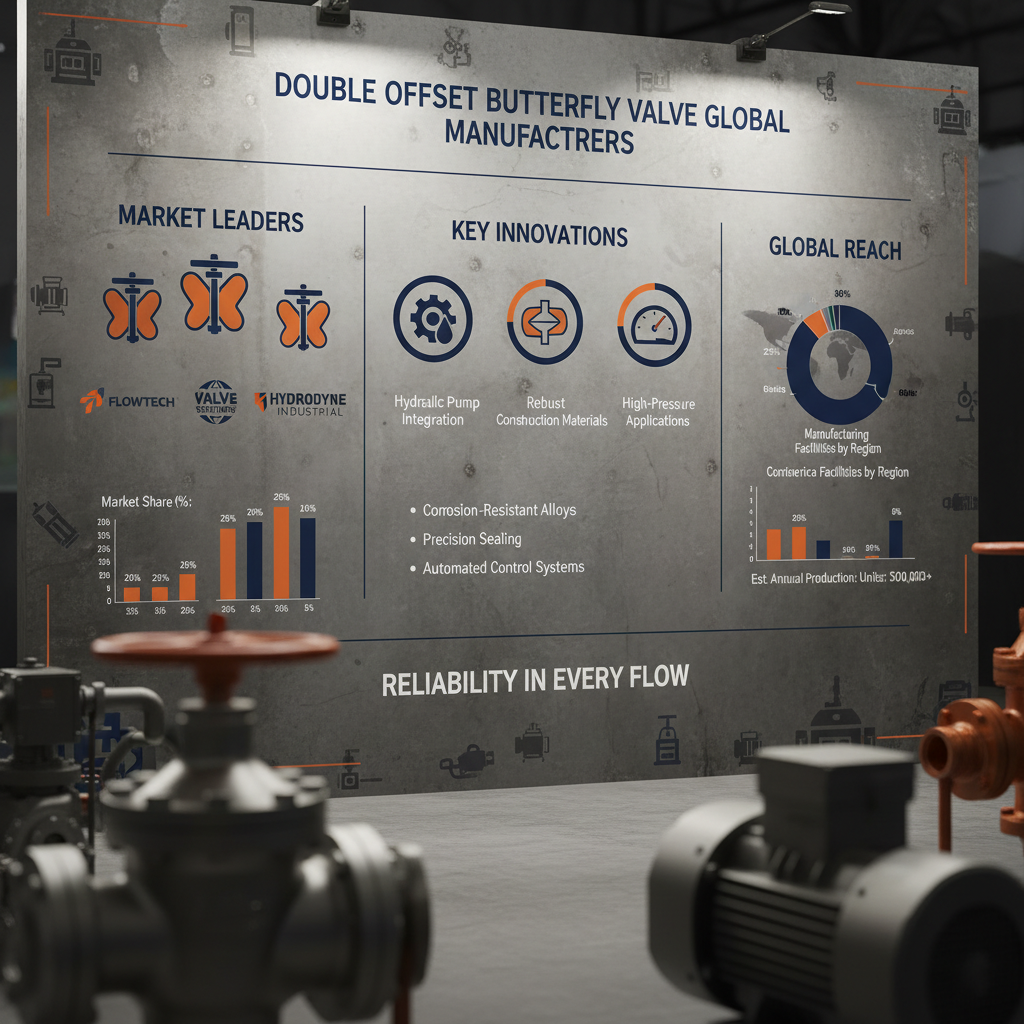
The market for double offset butterfly valves is competitive. Several manufacturers specialize in these valves, each with its strengths and weaknesses. Choosing the best fit for your needs requires a comparison based on factors like price, quality, delivery time, and customization options. Below is a comparison of three prominent manufacturers:
Materials and Applications: Matching Valve to Environment
The choice of materials is crucial for long-term valve performance. Stainless steel (304, 316) offers excellent corrosion resistance, making it ideal for water treatment and chemical processing. Carbon steel is a cost-effective option for less corrosive applications, while alloy materials are used for extreme temperatures or highly aggressive fluids. A qualified double offset butterfly valve manufacturer will guide you in selecting the appropriate material based on your specific application requirements.
Quality Control and Testing Procedures
Robust quality control is paramount. Reputable manufacturers employ rigorous testing procedures, including hydrostatic testing, seat leakage testing (API 598), and material certifications. These tests ensure that the valves meet or exceed industry standards and will perform reliably in service. Insist on documentation of these tests and certifications as proof of quality. Valve-Cable maintains stringent quality control throughout the entire manufacturing process.
Conclusion: Partnering with the Right Manufacturer
Choosing the right double offset butterfly valve manufacturer is an investment in the reliability and efficiency of your fluid control systems. By carefully considering factors like quality, materials, testing procedures, and support, you can ensure that you select a partner capable of meeting your specific needs. Don't compromise on quality – choose a manufacturer committed to excellence.
Frequently Asked Questions (FAQs)
What is the typical lead time for a custom double offset butterfly valve?
Lead times vary depending on the valve size, materials, complexity, and the manufacturer's current workload. Generally, custom valves require a longer lead time than standard models. Expect anywhere from 6 to 12 weeks for fully customized valves. Discussing your specific requirements with the manufacturer upfront can help establish a realistic timeline. Factors impacting lead time include material availability, fabrication time, and quality control inspections.
What industries commonly use double offset butterfly valves?
Double offset butterfly valves are widely used across diverse industries, including water and wastewater treatment, chemical processing, power generation, oil and gas, pharmaceuticals, food and beverage processing, and HVAC systems. Their ability to provide tight shut-off, reduce wear, and accommodate high-pressure applications makes them suitable for critical fluid control in these sectors.
What are the benefits of using a double offset design over a standard butterfly valve?
The double offset design significantly reduces wear and friction between the disc and the valve body, leading to a longer service life and reduced maintenance costs. It also provides tighter shut-off capabilities, minimizing leakage and ensuring efficient fluid control. Furthermore, the offset design reduces turbulence, resulting in lower pressure drop and improved flow characteristics.
How do I ensure the valve is compatible with the fluid I’m using?
Selecting the correct materials of construction is critical for fluid compatibility. Provide the valve manufacturer with detailed information about the fluid, including its chemical composition, temperature, pressure, and any abrasive or corrosive properties. The manufacturer can then recommend the appropriate materials (e.g., stainless steel grades, coatings) to ensure compatibility and prevent corrosion or degradation.
Share
Latest news
-
Understanding the 6 butterfly valve price Industrial Buying GuideNewsApr.16,2026
-
Analyzing the 50mm Butterfly Valve Price and Buyer GuideNewsApr.09,2026
-
Comprehensive Guide to 40mm Butterfly Valve Price Factors and Quality ConsiderationsNewsApr.07,2026
-
Comprehensive Guide to 4 Inch Sluice Valve Price and Key Selection FactorsNewsApr.04,2026
-
Comprehensive Guide to 4 Butterfly Valve Price Factors and Ranges in 2024NewsMar.31,2026
-
Comprehensive Guide to 300mm Butterfly Valve Price and Industrial ApplicationsNewsMar.28,2026
 English
  Afrikaans
  Albanian
  Amharic
  Arabic
  Armenian
  Azerbaijani
  Basque
  Belarusian
  Bengali
  Bosnian
  Bulgarian
  Catalan
  Cebuano
  China
China  China (Taiwan)
  Corsican
  Croatian
  Czech
Czech  Danish
  Dutch
Dutch  Esperanto
  Estonian
  Finnish
  French
  Frisian
  Galician
  Georgian
  German
  Greek
Greek  Gujarati
  Haitian Creole
  Hausa
Hausa  Hawaiian
  Hebrew
  Hindi
Hindi  Miao
Miao  Hungarian
  Icelandic
  Igbo
Igbo  Indonesian
  Irish
Irish  Italian
  Japanese
  Javanese
  Kannada
  Kazakh
  Khmer
Khmer  Rwandese
  Korean
  Kurdish
  Kyrgyz
  Lao
Lao  Latin
Latin  Latvian
  Lithuanian
  Luxembourgish
  Macedonian
  Malgashi
  Malay
Malay  Malayalam
  Maltese
  Maori
Maori  Marathi
  Mongolian
  Myanmar
  Nepali
  Norwegian
  Norwegian
  Occitan
  Pashto
  Persian
  Polish
  Portuguese
  Punjabi
  Romanian
  Russian
  Samoan
  Scottish Gaelic
  Serbian
  Sesotho
  Shona
Shona  Sindhi
  Sinhala
  Slovak
  Slovenian
  Somali
  Spanish
  Sundanese
  Swahili
  Swedish
  Tajik
Tajik  Tamil
Tamil  Tatar
Tatar  Telugu
  Thai
Thai  Turkish
  Turkmen
  Ukrainian
  Urdu
Urdu  Uighur
  Uzbek
Uzbek  Vietnamese
  Welsh
Welsh  Bantu
Bantu  Yiddish
  Yoruba
  Zulu
Zulu