ئۆكتەبىر . 11, 2025 09:16 تىزىملىككە قايتىش
Mastering Fluid Dynamics: The Critical Role of The Valve
In the intricate tapestry of modern industrial processes, the valve stands as an often-overlooked yet undeniably critical component. From petrochemical refineries that process billions of gallons of crude oil annually to pharmaceutical plants ensuring precise dosing for life-saving medications, the humble valve dictates flow, pressure, temperature, and direction with uncompromising authority. Its fundamental role transcends mere mechanical function, acting as the very linchpin upon which operational efficiency, safety protocols, and environmental compliance are built. Without robust, precisely engineered valves, the controlled movement of gases, liquids, slurries, and even dry powders would be impossible, leading to catastrophic system failures, exorbitant energy waste, and environmental hazards. This deep dive aims to illuminate the profound significance of this essential device, exploring its evolution from simple on/off mechanisms to highly sophisticated, intelligent control elements, and underscoring why its strategic selection and meticulous maintenance are paramount for any industry striving for optimal performance and sustainable growth. We will dissect the multifaceted impacts of valve performance, the cutting-edge technical innovations defining its future, and the crucial considerations in choosing solutions that align with the most demanding operational realities.
The Unseen Economic Impact of Valve Performance
The economic ramifications of valve performance, or indeed, its failure, are far more substantial than many industries readily acknowledge. While the initial capital expenditure for a high-quality valve might seem significant, it pales in comparison to the hidden costs incurred by subpar alternatives. Consider the financial drain from leaks: a single, seemingly minor leak in a steam system, often attributable to a faulty valve seal or stem, can lead to losses exceeding $15,000 annually in energy alone for a typical industrial facility, according to a recent Department of Energy report. Multiply this across hundreds or thousands of valves in a large plant, and the figures become staggering. Beyond energy, unscheduled downtime due to valve failure can halt production, resulting in losses of hundreds of thousands, if not millions, of dollars per day, depending on the industry. For instance, a major chemical processing plant once faced an estimated $1.2 million per hour in lost revenue during a 48-hour shutdown triggered by a catastrophic control valve failure. Moreover, maintenance costs for frequently failing valves, including parts, labor, and specialized equipment, can quickly escalate, diverting critical resources from proactive initiatives. Conversely, investing in high-integrity, intelligently monitored valves can yield substantial returns: a major oil and gas company reported a 15% reduction in overall operational expenditure by upgrading to smart valves with predictive maintenance capabilities, preventing 90% of previously unscheduled downtimes over a three-year period. This highlights a clear correlation: superior valve performance directly translates into enhanced profitability, minimized environmental impact, and prolonged asset lifespan, making it a critical strategic investment rather than a mere operational expense.
Unpacking the Engineering Superiority of Modern Valve Systems
Modern valve engineering is a testament to precision, material science, and intelligent control, pushing the boundaries of what these devices can achieve. The superiority of contemporary valve systems stems from several key technological advancements. Firstly, materials science has revolutionized valve construction. Beyond traditional stainless steel and cast iron, engineers now leverage exotic alloys like Hastelloy, Monel, and Titanium for extreme corrosive environments, or advanced ceramics for abrasive slurries, ensuring unprecedented longevity and chemical resistance. Specialized coatings, such as tungsten carbide or chrome oxide, further enhance wear resistance in high-cycle or erosive applications, extending service life significantly. Secondly, actuation and control mechanisms have become incredibly sophisticated. From pneumatic and hydraulic actuators offering rapid, high-torque operation, to electric actuators providing precise, incremental control and integration with distributed control systems (DCS), the level of automation is unparalleled. Smart valves, equipped with integrated sensors and microprocessors, can monitor parameters like stem position, pressure differentials, vibration, and temperature in real-time. This allows for predictive maintenance, diagnosing potential issues before they escalate into failures, and optimizing flow rates for energy efficiency. Thirdly, design optimization, often aided by computational fluid dynamics (CFD) simulations, minimizes turbulence, reduces pressure drop, and improves flow characteristics, leading to energy savings and reduced cavitation damage. For example, a globe valve designed with CFD analysis can achieve up to 20% lower pressure drop compared to conventional designs, directly translating into reduced pumping energy requirements. Finally, advancements in sealing technologies, utilizing advanced elastomers, PTFE composites, and even metal-to-metal seating for high-temperature applications, ensure leak-tight integrity over millions of cycles, a critical factor for safety and environmental protection, particularly in hazardous fluid handling.
Strategic Selection: A Comparative Analysis of Valve Manufacturers
Choosing the right valve manufacturer is a strategic decision that profoundly impacts an industrial operation's long-term viability and performance. The market is saturated with options, yet not all manufacturers are created equal in terms of engineering prowess, material quality, customization capabilities, and post-sales support. A judicious selection process requires a comprehensive comparative analysis across several critical criteria. Key factors to evaluate include the breadth of their product portfolio, their specialization in specific valve types or industries, certifications (e.g., API 6D for pipelines, SIL for safety instrumented systems, ATEX for explosive atmospheres), and their track record for innovation. Furthermore, the availability of comprehensive technical documentation, spare parts, and responsive field service can significantly influence total cost of ownership. Below is a comparative overview of hypothetical valve manufacturers, highlighting their strengths in key areas:
|
Manufacturer Name |
Core Specialization |
Material Versatility |
Actuation Options |
Key Certifications |
Customization Capabilities |
Typical Lead Time (Standard) |
|
HydroFlow Dynamics |
High-Pressure & Temperature Systems (Power Gen, O&G) |
Carbon Steel, Stainless Steel, Chrome-Moly, Inconel |
Pneumatic, Hydraulic, Electric (Advanced) |
API 6A/6D, ASME B16.34, SIL 3, NACE MR0175 |
Extensive (Bespoke designs, exotic alloys, specialized coatings) |
8-12 Weeks |
|
PurityControl Systems |
Sanitary & Aseptic Applications (Pharma, Food & Bev) |
316L Stainless Steel, Hastelloy, PTFE Linings |
Pneumatic, Manual (Ultra-clean options) |
3-A Sanitary, FDA Compliant, USP Class VI |
Moderate (Surface finish, sterile connections, specialized diaphragms) |
6-10 Weeks |
|
FlowGuard Industrial |
General Industrial (Water, HVAC, Utilities) |
Cast Iron, Ductile Iron, Bronze, Standard SS |
Manual, Pneumatic (Standard) |
ISO 9001, CE, WRAS |
Limited (Standard modifications, basic trims) |
4-8 Weeks |
|
TechValve Solutions |
Intelligent Control & Automation (Chemical, Refining) |
Stainless Steel, Duplex, Super Duplex, Exotic Alloys |
Electric (Smart Actuators with Diagnostics), Pneumatic |
IEC 61508, ATEX, API 598 |
High (Integrated sensors, custom programming, advanced diagnostics) |
10-14 Weeks |
This comparative approach enables procurement and engineering teams to align manufacturer capabilities with specific project requirements, ensuring long-term reliability and performance optimization. While FlowGuard Industrial might offer cost-effective solutions for utility applications, PurityControl Systems would be indispensable for stringent pharmaceutical processes, demonstrating that the 'best' manufacturer is always context-dependent.
Precision Engineering: Tailoring Valve Solutions to Exacting Demands
The notion of a one-size-fits-all valve is an industrial myth. In reality, the complex and diverse operational landscapes across various sectors demand highly specific, precision-engineered solutions. Customization in valve manufacturing is not merely an optional add-on; it is often a fundamental requirement to achieve optimal performance, ensure safety, and comply with stringent regulatory standards. This tailored approach begins with an in-depth understanding of the process media (its corrosivity, temperature, pressure, viscosity, and particulate content), the ambient environment, desired flow characteristics, and the required control precision. For instance, a valve intended for liquefied natural gas (LNG) service demands cryogenic materials capable of operating reliably at -162°C, leak-tight sealing, and specific fire-safe certifications. Conversely, a valve in a highly abrasive mining slurry application might feature ceramic-lined internals, specialized hardened trims, and oversized actuations to manage high breakout torque from accumulated solids. Customization extends to:
- Material Selection:Beyond standard alloys, bespoke solutions may incorporate specific grades of stainless steel, nickel alloys, or even advanced polymer linings to resist unique chemical attacks or extreme temperatures.
- End Connections:Tailored to fit existing piping systems, options range from specific flange standards (ANSI, DIN, JIS), threaded connections, butt-weld ends for high-integrity piping, or specialized sanitary clamps.
- Actuator Sizing & Accessories:Sizing an actuator for precise torque requirements, incorporating positioners for fine control, limit switches for feedback, or explosion-proof enclosures for hazardous areas.
- Flow Path & Trim Design:Customizing the valve trim (seat, disc/plug, stem) for specific flow coefficients (Cv), noise reduction, anti-cavitation, or flash prevention, often achieved through multi-stage designs or specialized cage patterns.
- Surface Finish & Cleanliness:Particularly critical for pharmaceutical and semiconductor industries, requiring electropolished surfaces, orbital welding, and certified cleanroom assembly to prevent contamination.
- Special Testing & Documentation:Beyond standard hydro-testing, customized solutions might require radiography, dye penetrant inspection, fugitive emissions testing (ISO 15848), or performance acceptance testing under simulated conditions.
This meticulous attention to bespoke design ensures that each valve performs flawlessly within its unique operational envelope, transforming a generic component into a purpose-built, highly efficient instrument.
Real-World Resilience: Diverse Applications of Advanced Valve Technology
The true measure of advanced valve technology lies in its ability to deliver consistent, reliable performance across an astonishing array of demanding industrial applications. The diversity of these use cases underscores the adaptability and critical importance of robust valve engineering. Consider the Oil and Gas industry, where valves must withstand extreme pressures (often exceeding 15,000 psi), corrosive media (sour gas containing H2S), and temperatures ranging from cryogenic to several hundred degrees Celsius. Here, specialized ball, gate, and check valves, often engineered from super duplex stainless steels or clad with corrosion-resistant alloys, ensure the safe and efficient extraction, processing, and transportation of hydrocarbons. Fugitive emissions-compliant valves (e.g., ISO 15848 certified) are paramount for environmental protection and regulatory adherence. In the Pharmaceutical and Biotechnology sectors, the emphasis shifts to sterility, precision, and zero contamination. Diaphragm and aseptic ball valves, crafted from 316L stainless steel with ultra-smooth internal finishes, often electropolished to Ra values below 0.4 µm, prevent microbial growth and facilitate thorough cleaning-in-place (CIP) and sterilization-in-place (SIP) processes. Precise control valves manage the delicate flow of reagents and active pharmaceutical ingredients, critical for batch consistency and product efficacy. For Power Generation plants, particularly those operating with high-pressure steam, valves must endure extreme temperatures (up to 600°C) and pressures while maintaining absolute leak tightness. Forged steel globe and gate valves with Stellite-hardfaced trims are common, designed for high-cycle fatigue resistance and rapid closure in emergency shutdown systems. In Water and Wastewater Treatment, resilience against corrosive chemicals (chlorine, ozone) and abrasive slurries is key. Resilient seated butterfly valves, knife gate valves, and plug valves, often lined with specialized elastomers or coatings, manage large volumes of water efficiently, preventing leaks and minimizing energy consumption for pumping. Each of these applications showcases how tailored valve solutions are indispensable, acting as critical enablers for safe, efficient, and compliant industrial operations worldwide.
Future-Proofing Operations: The Enduring Legacy of The Valve
As industries navigate an era defined by rapid technological advancement and escalating demands for efficiency, sustainability, and safety, the valve continues to evolve, solidifying its enduring legacy as an indispensable industrial asset. The future of valve technology is poised to be even more intelligent, integrated, and predictive. Innovations in IoT-enabled sensors, AI-driven diagnostics, and digital twin technology promise to transform maintenance strategies from reactive to truly proactive, minimizing downtime and optimizing operational expenditure further. Imagine valves that can not only report their status but also predict impending failure with high accuracy, order their own replacement parts, and even self-adjust to optimize flow based on real-time process variations. Furthermore, advancements in additive manufacturing (3D printing) are opening new frontiers for valve design, allowing for the creation of complex internal geometries previously impossible with traditional methods, leading to lighter, stronger, and more efficient valves tailored precisely to specific flow conditions. The drive towards net-zero emissions will also accelerate the demand for ultra-low fugitive emissions valves, particularly in the oil and gas and chemical sectors, pushing the boundaries of sealing technology and material science. Ultimately, strategic investment in cutting-edge valve technology is not merely an operational necessity; it is a foundational element for future-proofing industrial operations. It ensures not only sustained profitability and enhanced safety but also adherence to increasingly stringent environmental standards. The critical role of the valve, far from diminishing, is becoming more profound, cementing its status as a vital component in the journey towards smarter, more sustainable industrial ecosystems globally.
Frequently Asked Questions About The Valve
Q1: What is the primary function of a valve in an industrial system?
A1: The primary function of a valve is to control the flow of a fluid (liquid, gas, slurry, or dry solid) by starting, stopping, throttling, or diverting its passage through a pipe or duct. This control includes regulating pressure, temperature, and flow rate to ensure operational efficiency, safety, and process integrity.
Q2: What are the main types of valves and their typical applications?
A2: The main types include:
- Gate Valves:On/off service, minimal pressure drop when fully open (e.g., oil & gas pipelines).
- Globe Valves:Throttling or flow regulation (e.g., steam lines, cooling water systems).
- Ball Valves:Quick on/off service, good for tight shut-off (e.g., chemical processing, general utility).
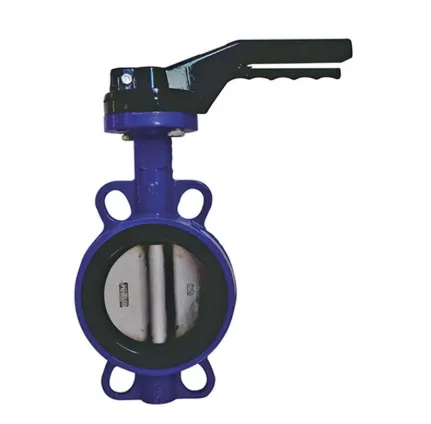
- Butterfly Valves:On/off and throttling, lightweight, compact (e.g., water treatment, HVAC).
- Check Valves:Prevent backflow (e.g., pump discharge, safety systems).
- Plug Valves:On/off and diverting, robust for slurries (e.g., abrasive services, chemical industries).
- Diaphragm Valves:On/off and throttling, good for corrosive or abrasive fluids and sanitary applications (e.g., pharmaceuticals, food & beverage).
Q3: Why is material selection critical for a valve?
A3: Material selection is critical because it dictates the valve's resistance to corrosion, erosion, extreme temperatures, and pressures, directly impacting its lifespan, safety, and reliability. Improper material choice can lead to premature failure, leaks, system contamination, and catastrophic safety incidents. Materials must be compatible with the process media and the operating environment.
Q4: What are the consequences of valve leakage or failure?
A4: Valve leakage or failure can lead to severe consequences, including: significant energy losses, unscheduled plant downtime and production loss, environmental pollution, safety hazards (e.g., release of toxic or flammable substances), increased maintenance costs, and non-compliance with regulatory standards, potentially resulting in fines and reputational damage.
Q5: What is a "smart valve" and what are its advantages?
A5: A "smart valve" is an advanced valve equipped with integrated sensors, microprocessors, and communication capabilities that allow it to monitor its own performance parameters (e.g., stem position, pressure, temperature, vibration) in real-time. Advantages include enhanced control precision, predictive maintenance capabilities, remote diagnostics, improved energy efficiency through optimized flow, reduced downtime, and better integration with plant-wide control systems.
Q6: How does valve actuation impact system performance?
A6: Valve actuation, whether manual, pneumatic, hydraulic, or electric, significantly impacts system performance by determining the speed, force, and precision of valve operation. For instance, fast-acting pneumatic actuators are crucial for emergency shutdown systems, while precise electric actuators with positioners are essential for fine flow regulation in critical process control loops. The right actuator ensures the valve operates effectively and safely for its intended purpose.
Q7: What role does customization play in modern valve procurement?
A7: Customization plays a crucial role in modern valve procurement because standard off-the-shelf valves often cannot meet the unique requirements of complex industrial processes. Customization involves tailoring material composition, end connections, trim design, actuator type, surface finishes, and special testing to precisely match specific operational conditions (e.g., high pressure, corrosive media, sterile environments), ensuring optimal performance, extended lifespan, and compliance with niche industry standards.
ھەمبەھىرلەش
ئەڭ يېڭى خەۋەر
-
Understanding the 6 butterfly valve price Industrial Buying GuideخەۋەرلەرApr.16,2026
-
Analyzing the 50mm Butterfly Valve Price and Buyer GuideخەۋەرلەرApr.09,2026
-
Comprehensive Guide to 40mm Butterfly Valve Price Factors and Quality ConsiderationsخەۋەرلەرApr.07,2026
-
Comprehensive Guide to 4 Inch Sluice Valve Price and Key Selection FactorsخەۋەرلەرApr.04,2026
-
Comprehensive Guide to 4 Butterfly Valve Price Factors and Ranges in 2024خەۋەرلەرMar.31,2026
-
Comprehensive Guide to 300mm Butterfly Valve Price and Industrial ApplicationsخەۋەرلەرMar.28,2026
 Uighur
  English
  Afrikaans
  Albanian
  Amharic
  Arabic
  Armenian
  Azerbaijani
  Basque
  Belarusian
  Bengali
  Bosnian
  Bulgarian
  Catalan
  Cebuano
  China
China  China (Taiwan)
  Corsican
  Croatian
  Czech
Czech  Danish
  Dutch
Dutch  Esperanto
  Estonian
  Finnish
  French
  Frisian
  Galician
  Georgian
  German
  Greek
Greek  Gujarati
  Haitian Creole
  Hausa
Hausa  Hawaiian
  Hebrew
  Hindi
Hindi  Miao
Miao  Hungarian
  Icelandic
  Igbo
Igbo  Indonesian
  Irish
Irish  Italian
  Japanese
  Javanese
  Kannada
  Kazakh
  Khmer
Khmer  Rwandese
  Korean
  Kurdish
  Kyrgyz
  Lao
Lao  Latin
Latin  Latvian
  Lithuanian
  Luxembourgish
  Macedonian
  Malgashi
  Malay
Malay  Malayalam
  Maltese
  Maori
Maori  Marathi
  Mongolian
  Myanmar
  Nepali
  Norwegian
  Norwegian
  Occitan
  Pashto
  Persian
  Polish
  Portuguese
  Punjabi
  Romanian
  Russian
  Samoan
  Scottish Gaelic
  Serbian
  Sesotho
  Shona
Shona  Sindhi
  Sinhala
  Slovak
  Slovenian
  Somali
  Spanish
  Sundanese
  Swahili
  Swedish
  Tajik
Tajik  Tamil
Tamil  Tatar
Tatar  Telugu
  Thai
Thai  Turkish
  Turkmen
  Ukrainian
  Urdu
Urdu  Uzbek
Uzbek  Vietnamese
  Welsh
Welsh  Bantu
Bantu  Yiddish
  Yoruba
  Zulu
Zulu