Feb . 27, 2026 02:05 Back to list
Comprehensive Guide to Teflon Lined Butterfly Valve Manufacturers
TeFlon Lined Butterfly Valve Manufacturers: A Comprehensive Guide
When sourcing reliable fluid control solutions, teflon lined butterfly valves are often a critical component, especially in corrosive environments. These valves offer exceptional resistance to harsh chemicals and extreme temperatures. This article provides an in-depth look at the key considerations when selecting a manufacturer, the benefits of teflon lining, and the applications where these valves excel. We will highlight the importance of quality, material selection, and customization options, helping you make an informed decision for your specific needs. Choosing the right manufacturer ensures optimal performance and longevity.
Understanding Teflon Lined Butterfly Valves
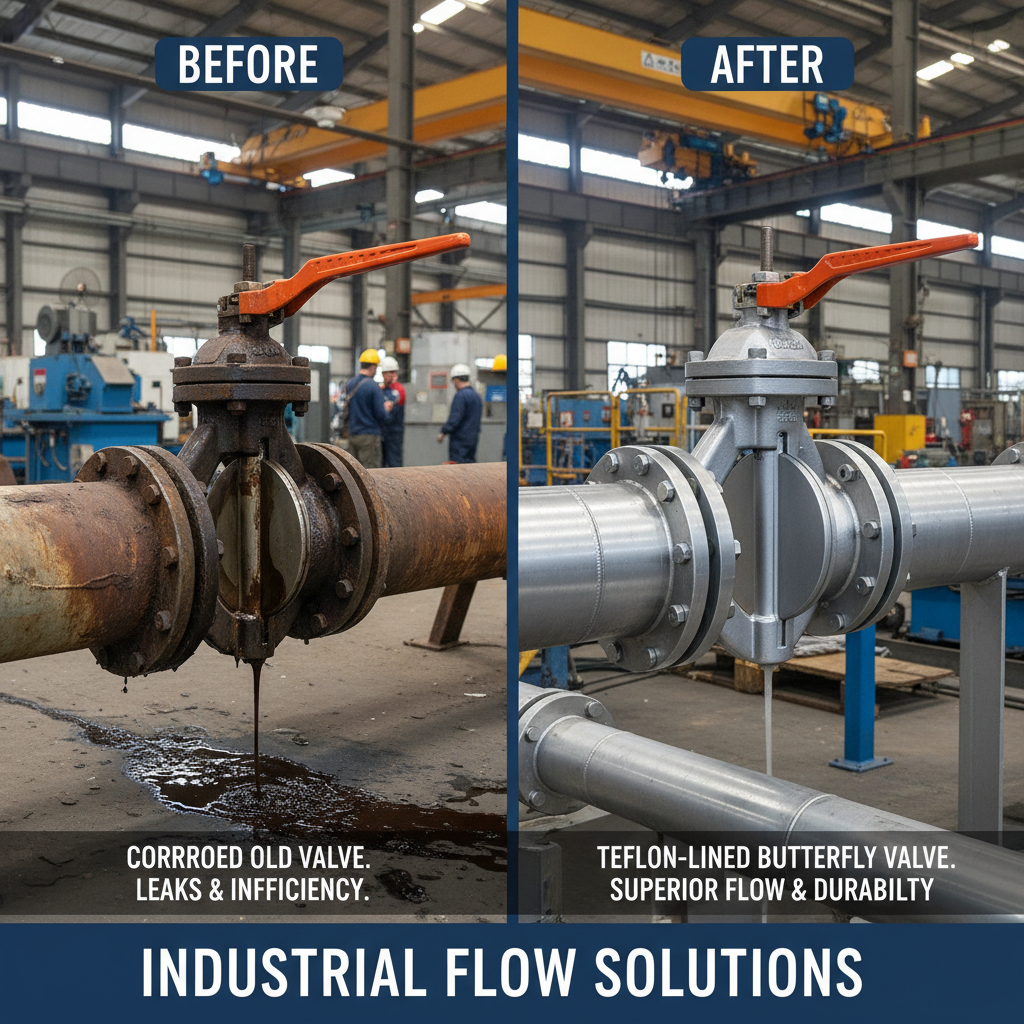
Butterfly valves are valued for their lightweight design, quick operation, and cost-effectiveness. When lined with Teflon (PTFE), they gain exceptional resistance to corrosion, abrasion, and a broad range of aggressive chemicals. The Teflon lining creates a barrier between the valve body material and the fluid, preventing degradation and contamination. This makes them ideal for industries such as chemical processing, pharmaceuticals, water treatment, and food & beverage. A key advantage is their ability to handle highly viscous fluids with minimal pressure drop. Valve-Cable specializes in producing high-quality teflon lined butterfly valves.
Key Benefits: Exceptional corrosion resistance, wide chemical compatibility, low pressure drop, lightweight design, and minimal maintenance.
Key Considerations When Choosing a Teflon Lined Butterfly Valve Manufacturer
Selecting the right manufacturer is crucial for ensuring quality, reliability, and long-term performance. Consider these factors: material quality, manufacturing processes, quality control measures, customization capabilities, and after-sales support. Look for manufacturers with ISO 9001 certification or other relevant quality standards. Verify their experience and reputation within the industry. A reliable manufacturer will provide detailed product specifications, material certificates, and testing reports. Valve-Cable's commitment to quality makes us a trusted partner.
Essential Manufacturer Qualities:
• ISO 9001 Certification
• Proven Track Record
• Comprehensive Quality Control
• Customization Options
TeFlon Lined Butterfly Valve Manufacturers: Comparing Material Options
The body material of a teflon lined butterfly valve significantly impacts its performance and suitability for specific applications. Common materials include stainless steel (304, 316), carbon steel, and alloy steels. Stainless steel offers excellent corrosion resistance, making it suitable for handling a wide range of chemicals. Carbon steel is more cost-effective but may require additional corrosion protection. Alloy steels provide enhanced strength and durability for high-pressure applications. The teflon lining itself can vary in purity and thickness, affecting its chemical resistance and lifespan. It's important to select the appropriate material combination based on the fluid being handled, the operating temperature, and the pressure requirements.
Applications of Teflon Lined Butterfly Valves
These valves find widespread use across various industries due to their robust performance in challenging environments. They are essential in chemical plants for handling corrosive acids and solvents. In pharmaceutical manufacturing, they ensure purity and prevent contamination. Water and wastewater treatment facilities utilize them for controlling the flow of treated water and chemicals. Furthermore, they are commonly employed in the food and beverage industry, where hygiene and resistance to cleaning agents are paramount. The versatility of teflon lined butterfly valves makes them a valuable asset in numerous industrial processes.
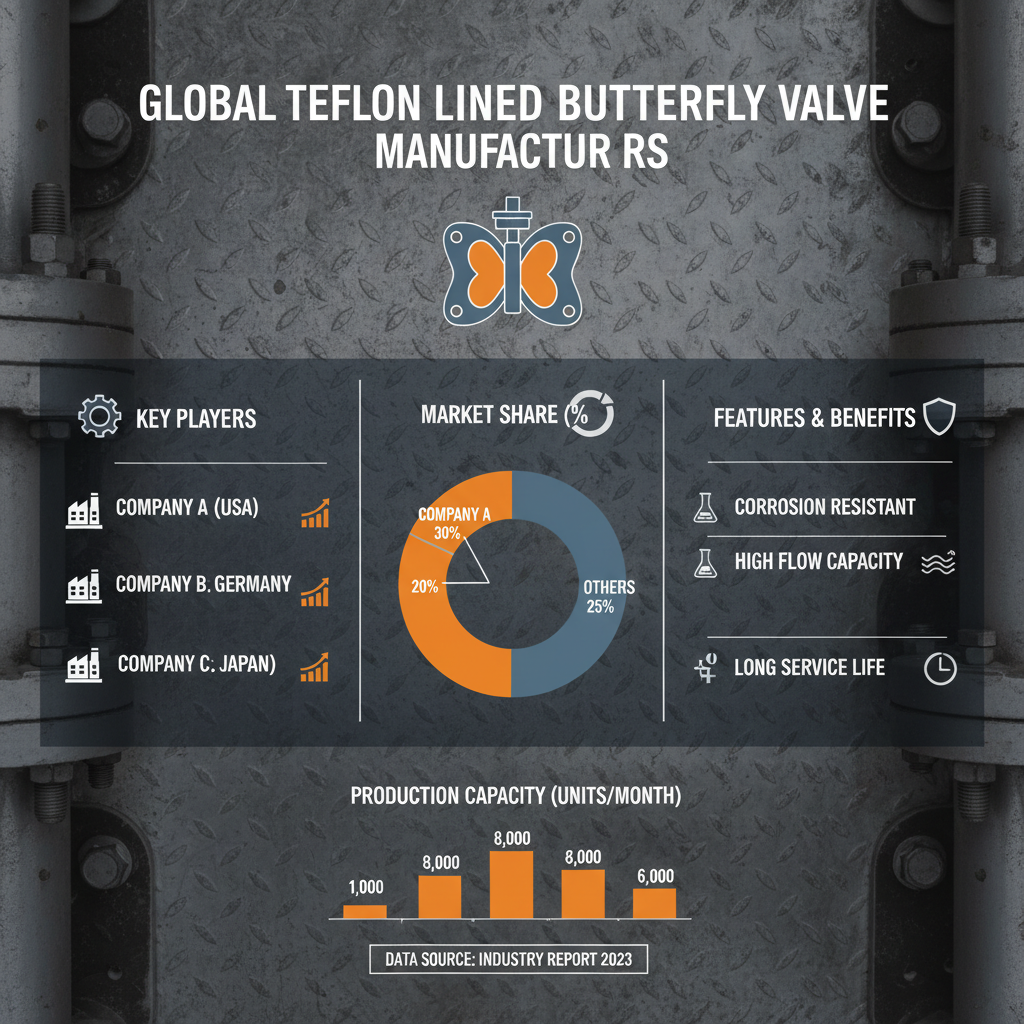
Customization and Quality Assurance
Reputable teflon lined butterfly valve manufacturers offer customization options to meet specific application requirements. This includes variations in valve size, end connections (flanged, threaded, wafer), actuation methods (manual, pneumatic, electric), and lining thickness. Rigorous quality assurance procedures, including hydrostatic testing, pneumatic testing, and material certifications, are essential to ensure product reliability and safety. Valve-Cable prioritizes customization and quality, providing solutions tailored to our clients’ needs.
Conclusion: Partnering with a Trusted Manufacturer
Choosing the right teflon lined butterfly valve manufacturer is a critical decision that impacts the efficiency and reliability of your operations. By prioritizing quality, material selection, customization, and after-sales support, you can ensure a long-lasting and effective fluid control solution. Don't compromise on quality – partner with a trusted name like Valve-Cable.
Frequently Asked Questions (FAQs)
What is the typical lifespan of a teflon lined butterfly valve?
The lifespan depends heavily on the application's severity – temperature, pressure, and the corrosiveness of the fluid. Generally, a well-maintained valve can last 5-10 years, or even longer. Factors such as proper installation, regular maintenance, and avoiding extreme conditions are crucial for maximizing lifespan. Look for manufacturers that offer material traceability and warranty information to ensure accountability.
What are the limitations of teflon lined butterfly valves?
While highly resistant, Teflon can be susceptible to permeation by certain solvents over extended periods. Additionally, they may not be suitable for applications involving abrasive particles, which can damage the lining. It's crucial to verify the chemical compatibility of Teflon with the specific fluid being handled. In extreme high-temperature applications, Teflon's properties can degrade.
What types of end connections are available?
Common end connection types include flanged, wafer, threaded, and lug. Flanged connections provide a secure and reliable seal, suitable for high-pressure applications. Wafer connections are lightweight and cost-effective, ideal for low-pressure systems. Threaded connections are simple to install but may be limited to smaller sizes and lower pressures. The choice depends on the piping system and operational requirements.
How does Valve-Cable ensure quality control?
Valve-Cable employs a comprehensive quality control system throughout the manufacturing process. This includes rigorous material inspection, dimensional checks, pressure testing, and visual inspections. We adhere to ISO 9001 standards and provide material certificates and testing reports for all our products. Our commitment to quality ensures that every valve meets or exceeds industry standards.
Share
Latest news
-
Understanding the 6 butterfly valve price Industrial Buying GuideNewsApr.16,2026
-
Analyzing the 50mm Butterfly Valve Price and Buyer GuideNewsApr.09,2026
-
Comprehensive Guide to 40mm Butterfly Valve Price Factors and Quality ConsiderationsNewsApr.07,2026
-
Comprehensive Guide to 4 Inch Sluice Valve Price and Key Selection FactorsNewsApr.04,2026
-
Comprehensive Guide to 4 Butterfly Valve Price Factors and Ranges in 2024NewsMar.31,2026
-
Comprehensive Guide to 300mm Butterfly Valve Price and Industrial ApplicationsNewsMar.28,2026
 English
  Afrikaans
  Albanian
  Amharic
  Arabic
  Armenian
  Azerbaijani
  Basque
  Belarusian
  Bengali
  Bosnian
  Bulgarian
  Catalan
  Cebuano
  China
China  China (Taiwan)
  Corsican
  Croatian
  Czech
Czech  Danish
  Dutch
Dutch  Esperanto
  Estonian
  Finnish
  French
  Frisian
  Galician
  Georgian
  German
  Greek
Greek  Gujarati
  Haitian Creole
  Hausa
Hausa  Hawaiian
  Hebrew
  Hindi
Hindi  Miao
Miao  Hungarian
  Icelandic
  Igbo
Igbo  Indonesian
  Irish
Irish  Italian
  Japanese
  Javanese
  Kannada
  Kazakh
  Khmer
Khmer  Rwandese
  Korean
  Kurdish
  Kyrgyz
  Lao
Lao  Latin
Latin  Latvian
  Lithuanian
  Luxembourgish
  Macedonian
  Malgashi
  Malay
Malay  Malayalam
  Maltese
  Maori
Maori  Marathi
  Mongolian
  Myanmar
  Nepali
  Norwegian
  Norwegian
  Occitan
  Pashto
  Persian
  Polish
  Portuguese
  Punjabi
  Romanian
  Russian
  Samoan
  Scottish Gaelic
  Serbian
  Sesotho
  Shona
Shona  Sindhi
  Sinhala
  Slovak
  Slovenian
  Somali
  Spanish
  Sundanese
  Swahili
  Swedish
  Tajik
Tajik  Tamil
Tamil  Tatar
Tatar  Telugu
  Thai
Thai  Turkish
  Turkmen
  Ukrainian
  Urdu
Urdu  Uighur
  Uzbek
Uzbek  Vietnamese
  Welsh
Welsh  Bantu
Bantu  Yiddish
  Yoruba
  Zulu
Zulu