Feb . 25, 2026 02:05 Back to list
Understanding Omal Butterfly Valves for Efficient Fluid Control Systems
Understanding Omal Butterfly Valves: A Comprehensive Guide
Butterfly valves are crucial components in many industrial applications, particularly in fluid control systems. An omal butterfly valve, known for its robust design and reliable performance, is a popular choice for engineers and project managers. This article will delve into the features, applications, materials, and benefits of omal butterfly valves, offering a detailed overview for those involved in fluid handling and process control. Choosing the right valve can significantly impact the efficiency and safety of your operations, and we'll explore why omal valves are often the preferred solution.
What is an Omal Butterfly Valve?
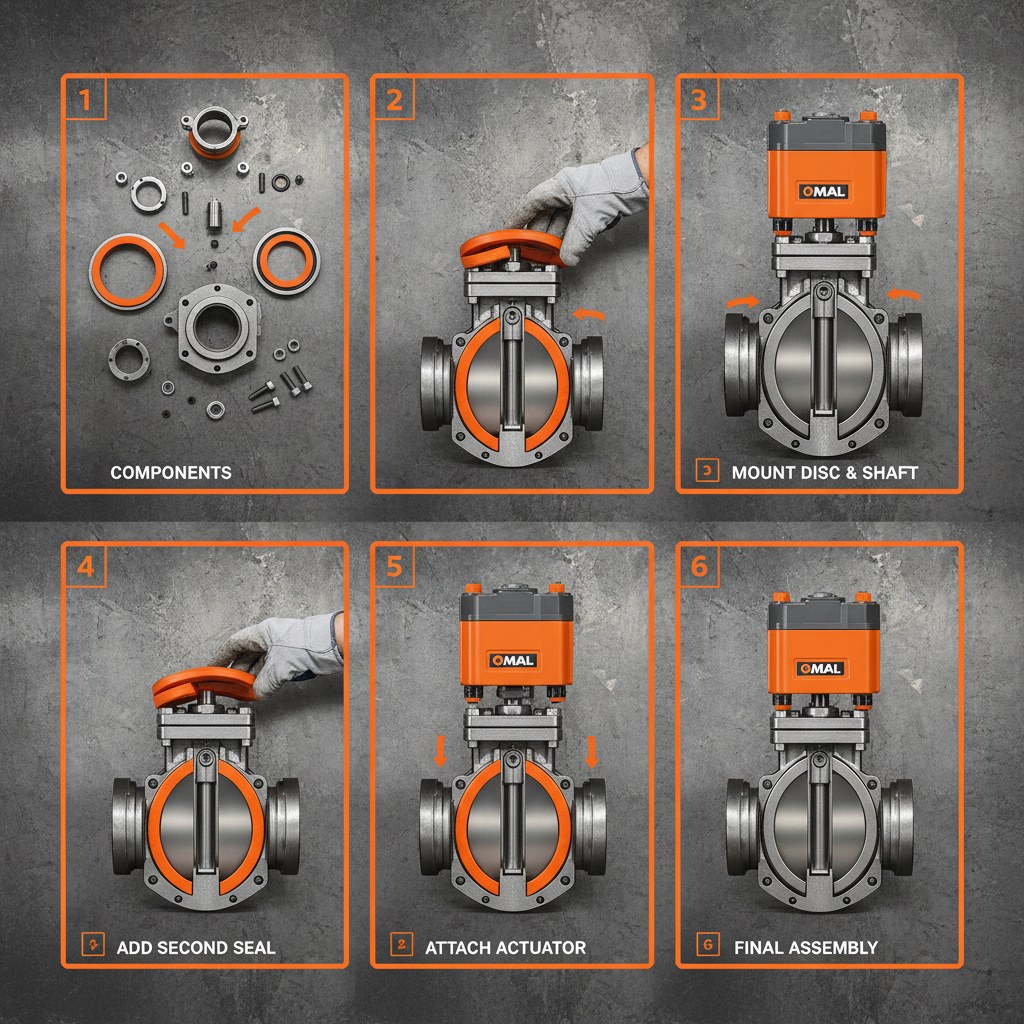
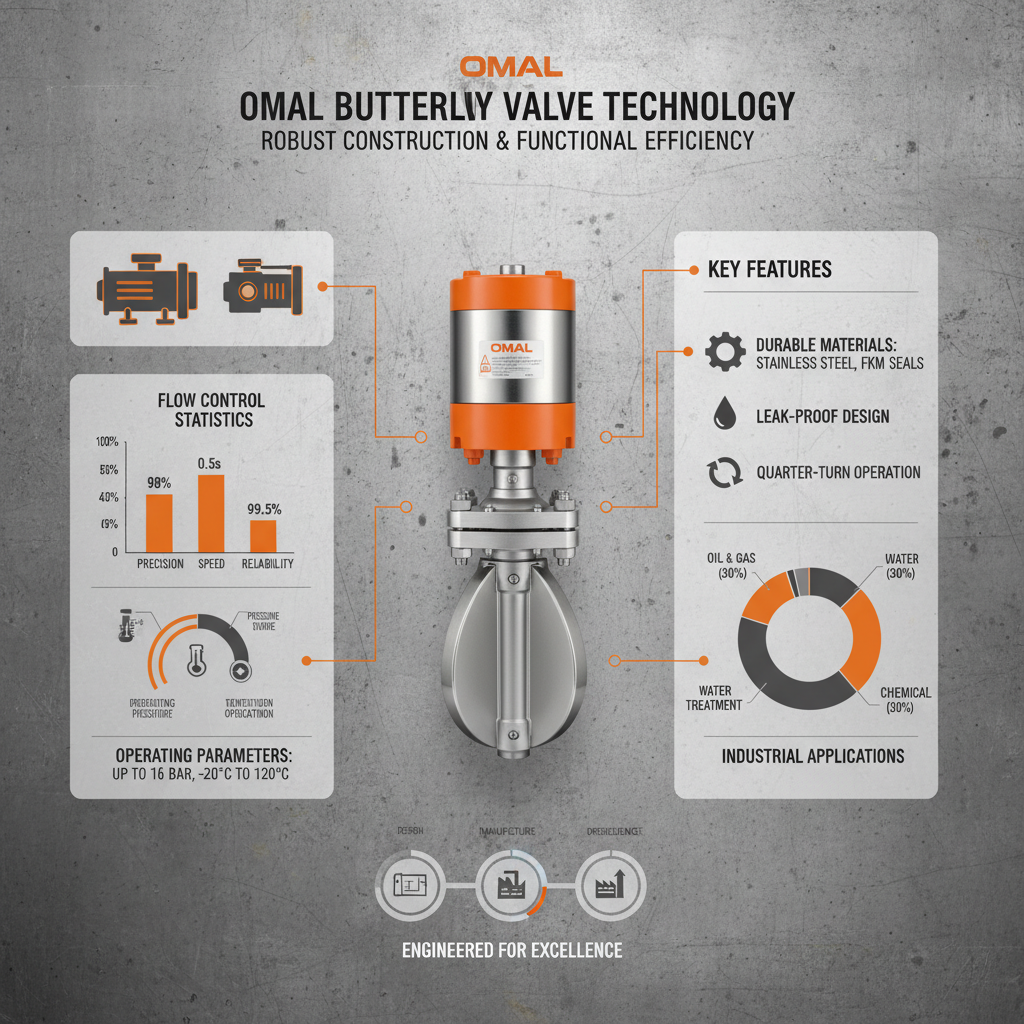
An omal butterfly valve is a quarter-turn rotational motion valve used to regulate or isolate fluid flow. It consists of a disc mounted on a rotating shaft (stem) within a valve body. When the valve is open, the disc is rotated to allow fluid to pass through; when closed, the disc obstructs the flow. Omal valves are prized for their lightweight construction, compact design, and relatively low cost compared to other valve types. They are available in a wide range of materials and configurations to suit diverse applications, from water treatment to chemical processing. Valve-cable.com offers a comprehensive range of omal butterfly valves for various industrial needs.
Key Highlights: Lightweight, compact, cost-effective, wide range of materials, and ideal for on-off or throttling services.
Omal Butterfly Valve Materials and Their Applications
The material of an omal butterfly valve is crucial for its performance and longevity, depending on the fluid being handled and the operating conditions. Common materials include:
- Cast Iron: Suitable for water and general purpose applications.
- Stainless Steel (304, 316): Excellent corrosion resistance, ideal for chemical processing, pharmaceuticals, and food & beverage industries.
- WCB (Welded Carbon Steel): Offers good strength and durability for high-pressure applications.
- PTFE (Polytetrafluoroethylene) Lined: Provides excellent chemical resistance and low friction for aggressive fluids.
Selecting the appropriate material ensures compatibility with the fluid, prevents corrosion, and maximizes the valve’s service life. Explore the material options available at Valve-cable.com to find the perfect valve for your application.
Material Selection Guide:
• Water: Cast Iron, Stainless Steel
• Chemicals: Stainless Steel, PTFE Lined
• High Pressure: WCB, Stainless Steel
• Food & Beverage: Stainless Steel (316)
Omal Butterfly Valve vs. Other Valve Types: A Comparison
Compared to other valve types like gate valves, globe valves, and ball valves, omal butterfly valves offer specific advantages and disadvantages. Butterfly valves generally have lower pressure drop and are lighter and more compact, making them suitable for large-diameter pipelines. However, they may not be as effective in throttling flow or providing a tight shut-off as some other valve types. The following table highlights a comparison:
Common Applications of Omal Butterfly Valves
Omal butterfly valves find application across a wide spectrum of industries, including:
- Water and Wastewater Treatment: For controlling flow in treatment plants and distribution systems.
- Chemical Processing: Regulating flow of corrosive or aggressive chemicals.
- Oil and Gas: Used in pipelines and processing facilities.
- HVAC Systems: Controlling coolant and refrigerant flow.
- Power Generation: Controlling flow in cooling water systems.
Selecting the Right Omal Butterfly Valve: Key Considerations
Choosing the right omal butterfly valve involves several key considerations. First, determine the fluid type and its chemical compatibility with the valve materials. Second, consider the operating pressure and temperature. Third, assess the required flow rate and whether throttling is necessary. Finally, select the appropriate actuator type (manual, pneumatic, or electric) based on the application's automation requirements. Valve-cable.com’s team of experts can assist you in selecting the optimal valve for your specific needs.
Conclusion: Omals – A Reliable Fluid Control Solution
The omal butterfly valve offers a cost-effective, reliable, and versatile solution for a wide range of fluid control applications. Its robust design, lightweight construction, and broad material options make it a preferred choice for engineers and operators alike. By carefully considering the application requirements and selecting the appropriate valve configuration, you can ensure optimal performance and longevity.
Frequently Asked Questions (FAQs)
What is the typical lifespan of an omal butterfly valve?
The lifespan of an omal butterfly valve depends heavily on the application, the fluid being handled, and the frequency of operation. Generally, with proper maintenance and suitable material selection, an omal butterfly valve can last between 10 and 20 years. Regular inspection for wear and tear, especially on the seat and disc, is crucial. Preventive maintenance, such as lubrication and cleaning, can significantly extend its life. Factors like corrosive fluids, high temperatures, and frequent cycling will shorten the lifespan.
What are the benefits of using a PTFE lined omal butterfly valve?
PTFE (Polytetrafluoroethylene) lining provides exceptional chemical resistance, making it ideal for handling corrosive fluids like acids, bases, and solvents. It also offers a very low coefficient of friction, reducing torque requirements and wear. The PTFE lining protects the valve body from corrosion, extending its lifespan in harsh environments. However, PTFE is not suitable for high temperatures and pressures, so the application must be within its limitations.
What actuator options are available for omal butterfly valves?
Omal butterfly valves can be equipped with various actuators to automate operation. Manual actuators are the simplest and most cost-effective, relying on a handwheel for operation. Pneumatic actuators use compressed air for fast and reliable operation. Electric actuators provide precise control and are suitable for remote operation and automation systems. The choice of actuator depends on the specific application requirements, including speed, torque, and control capabilities. Valve-cable.com offers a wide range of actuator options to suit your needs.
How do I properly maintain an omal butterfly valve?
Proper maintenance is vital for extending the lifespan of an omal butterfly valve. This includes regular inspection for signs of wear and tear, such as corrosion, erosion, or leakage. Lubricate the stem and bearings regularly to ensure smooth operation. Check the seat for damage and replace it if necessary. Follow the manufacturer's recommendations for specific maintenance procedures. Keep the valve clean and free from debris. Regular maintenance prevents unexpected failures and ensures reliable performance.
Share
Latest news
-
Understanding the 6 butterfly valve price Industrial Buying GuideNewsApr.16,2026
-
Analyzing the 50mm Butterfly Valve Price and Buyer GuideNewsApr.09,2026
-
Comprehensive Guide to 40mm Butterfly Valve Price Factors and Quality ConsiderationsNewsApr.07,2026
-
Comprehensive Guide to 4 Inch Sluice Valve Price and Key Selection FactorsNewsApr.04,2026
-
Comprehensive Guide to 4 Butterfly Valve Price Factors and Ranges in 2024NewsMar.31,2026
-
Comprehensive Guide to 300mm Butterfly Valve Price and Industrial ApplicationsNewsMar.28,2026
 English
  Afrikaans
  Albanian
  Amharic
  Arabic
  Armenian
  Azerbaijani
  Basque
  Belarusian
  Bengali
  Bosnian
  Bulgarian
  Catalan
  Cebuano
  China
China  China (Taiwan)
  Corsican
  Croatian
  Czech
Czech  Danish
  Dutch
Dutch  Esperanto
  Estonian
  Finnish
  French
  Frisian
  Galician
  Georgian
  German
  Greek
Greek  Gujarati
  Haitian Creole
  Hausa
Hausa  Hawaiian
  Hebrew
  Hindi
Hindi  Miao
Miao  Hungarian
  Icelandic
  Igbo
Igbo  Indonesian
  Irish
Irish  Italian
  Japanese
  Javanese
  Kannada
  Kazakh
  Khmer
Khmer  Rwandese
  Korean
  Kurdish
  Kyrgyz
  Lao
Lao  Latin
Latin  Latvian
  Lithuanian
  Luxembourgish
  Macedonian
  Malgashi
  Malay
Malay  Malayalam
  Maltese
  Maori
Maori  Marathi
  Mongolian
  Myanmar
  Nepali
  Norwegian
  Norwegian
  Occitan
  Pashto
  Persian
  Polish
  Portuguese
  Punjabi
  Romanian
  Russian
  Samoan
  Scottish Gaelic
  Serbian
  Sesotho
  Shona
Shona  Sindhi
  Sinhala
  Slovak
  Slovenian
  Somali
  Spanish
  Sundanese
  Swahili
  Swedish
  Tajik
Tajik  Tamil
Tamil  Tatar
Tatar  Telugu
  Thai
Thai  Turkish
  Turkmen
  Ukrainian
  Urdu
Urdu  Uighur
  Uzbek
Uzbek  Vietnamese
  Welsh
Welsh  Bantu
Bantu  Yiddish
  Yoruba
  Zulu
Zulu