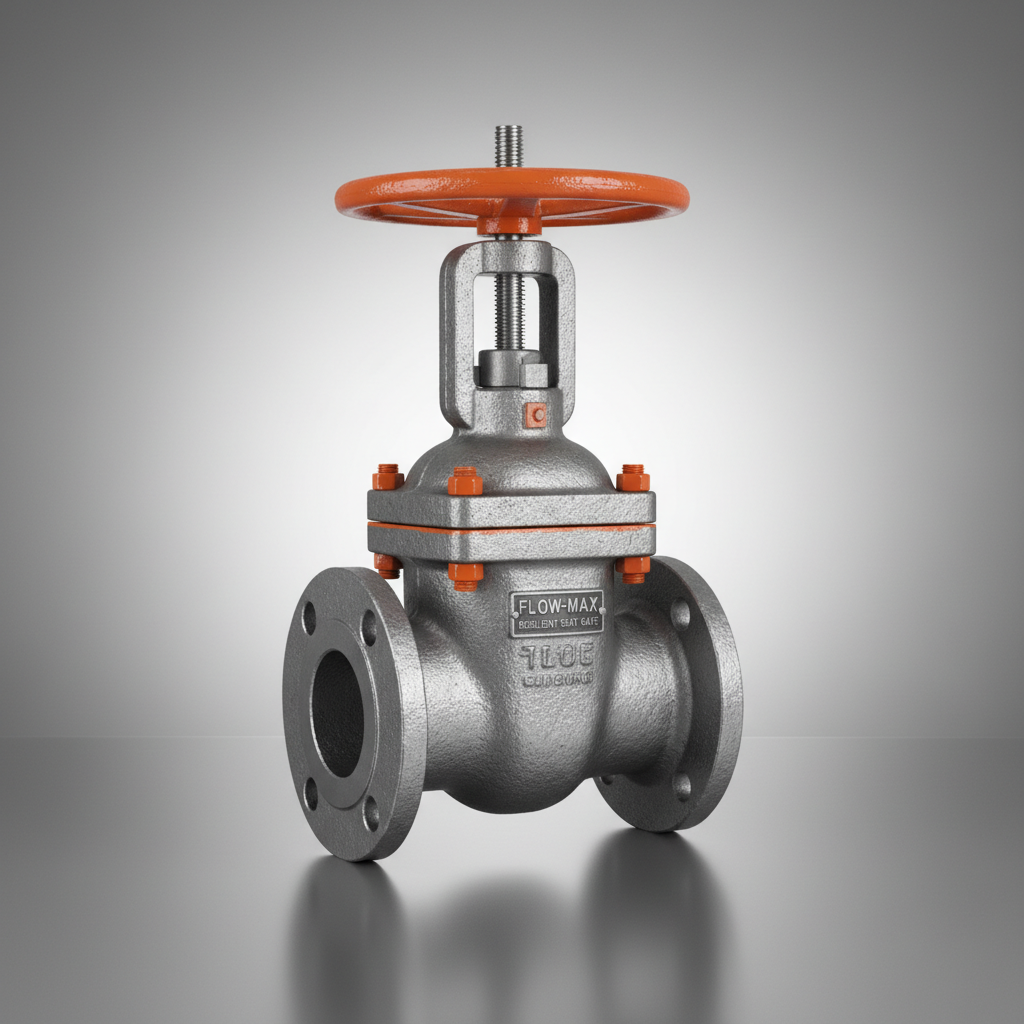
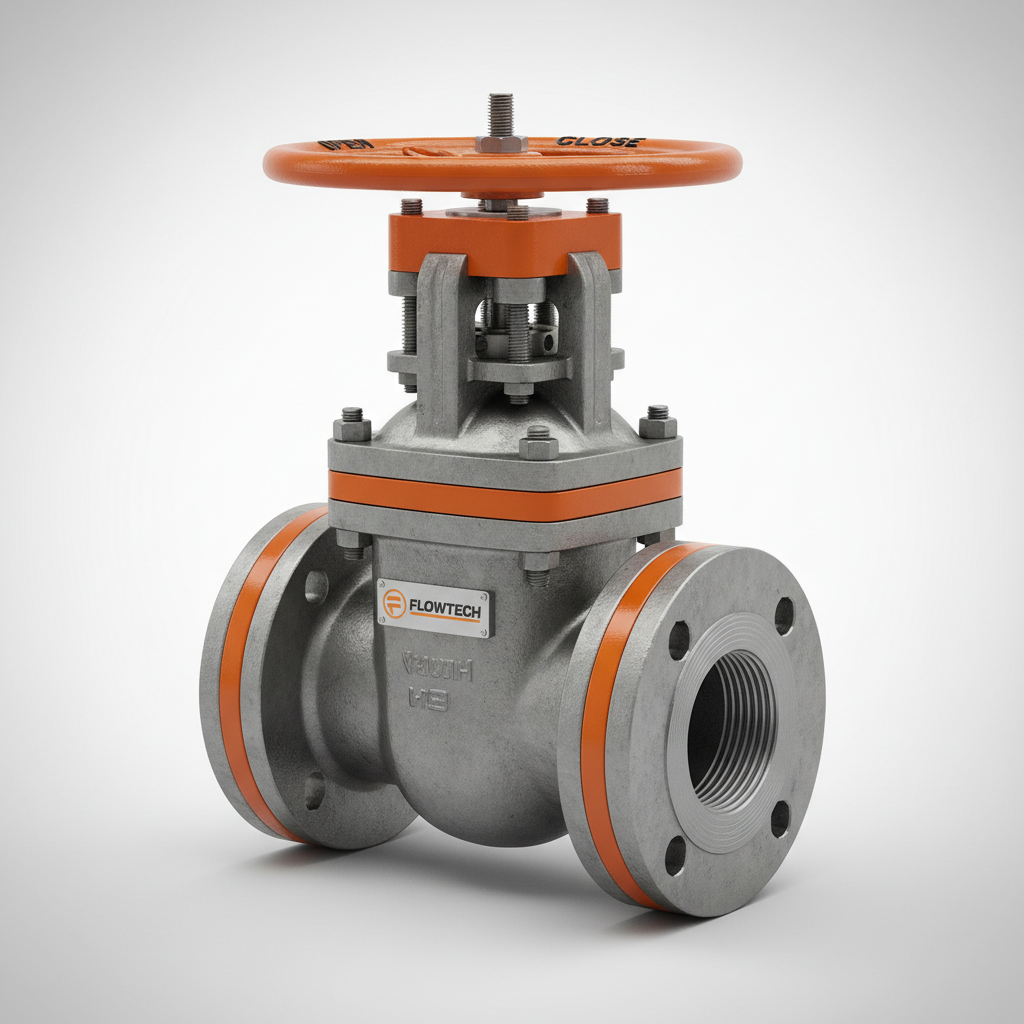
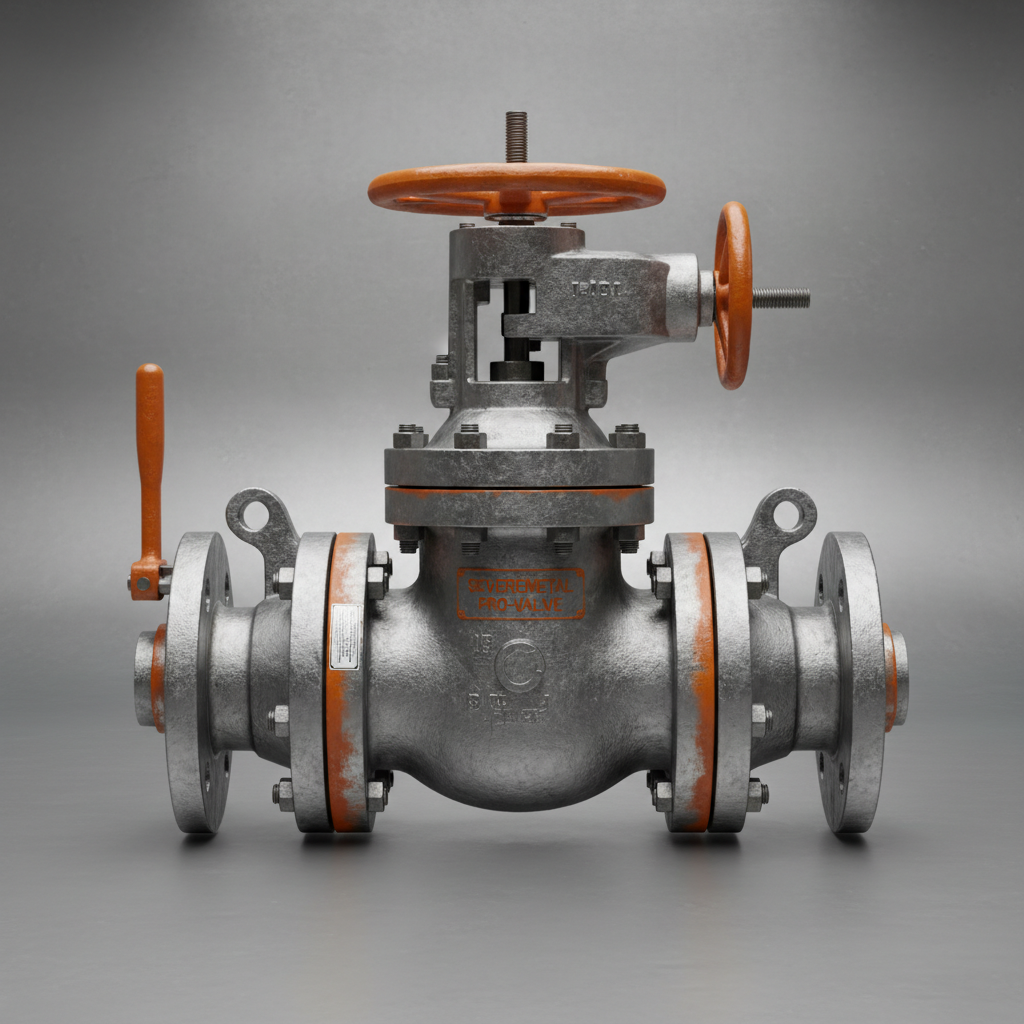
Triple offset butterfly valves represent a critical advancement in flow control technology, finding applications across a vast spectrum of industries globally. Their precision engineering and robust construction make them ideal for demanding applications where tight shut-off and accurate flow modulation are paramount. Understanding the nuances of these valves is essential for engineers, plant operators, and anyone involved in the design, maintenance, or operation of fluid handling systems. This knowledge translates directly into increased efficiency, reduced downtime, and improved safety.
The global demand for reliable and efficient flow control solutions is constantly growing, driven by factors like infrastructure development, increasing energy consumption, and stricter environmental regulations. Triple offset butterfly valves meet this demand by offering a superior alternative to traditional valve designs in critical applications. According to industry reports, the global butterfly valve market is projected to reach substantial growth in the coming years, with triple offset designs representing a significant and increasing share.
Investing in understanding the capabilities of a triple offset butterfly valve can lead to significant long-term benefits, from optimized process performance to reduced operational costs. It’s a technology that is helping industries worldwide meet ever-increasing demands for both efficiency and environmental responsibility.

Introduction to triple offset butterfly valve

Triple offset butterfly valves are a sophisticated type of flow control valve designed to deliver exceptionally tight shut-off capabilities and precise flow regulation, especially in critical applications. Unlike standard butterfly valves, the triple offset design incorporates three key features that minimize leakage and enhance performance.
These valves are increasingly preferred over other valve types – such as ball valves and gate valves – in applications where zero leakage is crucial and where demanding operational conditions exist. The advantages they offer translate into significant cost savings and improved process reliability for a wide range of industries.
FAQS
The primary difference lies in the design. Standard butterfly valves have a disc that rotates directly in the flow path, leading to higher friction and potential leakage. Triple offset butterfly valves incorporate three offsets – eccentric rotation, a conical disc, and an angled seat – minimizing contact and achieving significantly tighter shut-off. This results in reduced wear, lower leakage rates, and improved overall performance. The enhanced sealing capabilities of the triple offset design make it suitable for critical applications where zero leakage is paramount.
Triple offset butterfly valves are essential in applications where tight shut-off is non-negotiable. This includes handling hazardous media, high-pressure steam systems, critical process control in the pharmaceutical and chemical industries, and applications requiring compliance with stringent environmental regulations regarding fugitive emissions. They're also commonly used in power generation where steam isolation is vital for safety and efficiency.
Common materials include stainless steel (304, 316), carbon steel, and alloy steels. The specific material selection depends on the fluid being handled, the operating temperature and pressure, and the required corrosion resistance. Valve seats are often made from materials like reinforced PTFE to ensure a tight seal, while the valve body can be customized to match the application’s specific requirements.
The triple offset design minimizes contact between the disc and the seat, significantly reducing wear and tear. This results in extended valve life and lower maintenance frequency compared to standard butterfly valves. While regular inspection and lubrication are still necessary, the need for costly repairs and replacements is reduced, lowering overall lifecycle costs. Proper maintenance, however, will ensure continued optimal performance.
Triple offset butterfly valves typically have a higher upfront cost than standard butterfly valves, ball valves, or gate valves. However, this initial investment is often offset by their superior performance, reduced leakage, longer service life, and lower maintenance requirements. Considering the total cost of ownership, triple offset butterfly valves can be a more cost-effective solution in critical applications.
Digital technologies, such as IIoT sensors and data analytics, can be integrated into triple offset butterfly valves to provide real-time monitoring of valve performance, predict potential failures, and optimize operation. This allows for proactive maintenance, remote control, and improved process efficiency. Smart valves can also provide valuable data for process optimization and troubleshooting, increasing overall plant reliability.
Conclusion
In conclusion, triple offset butterfly valves represent a significant advancement in flow control technology, offering superior performance, reliability, and long-term value. Their unique design minimizes leakage, extends service life, and improves process efficiency, making them an ideal choice for critical applications across a wide range of industries. The initial investment is often offset by reduced maintenance costs, minimized product loss, and enhanced safety.
As industries continue to prioritize sustainability and operational excellence, the demand for advanced valve solutions like triple offset butterfly valves will only increase. Embracing these technologies and staying abreast of ongoing innovations will be crucial for companies seeking to optimize their processes, reduce their environmental footprint, and maintain a competitive edge. For more information and to explore our range of triple offset butterfly valve solutions, visit our website today.
Related Posts