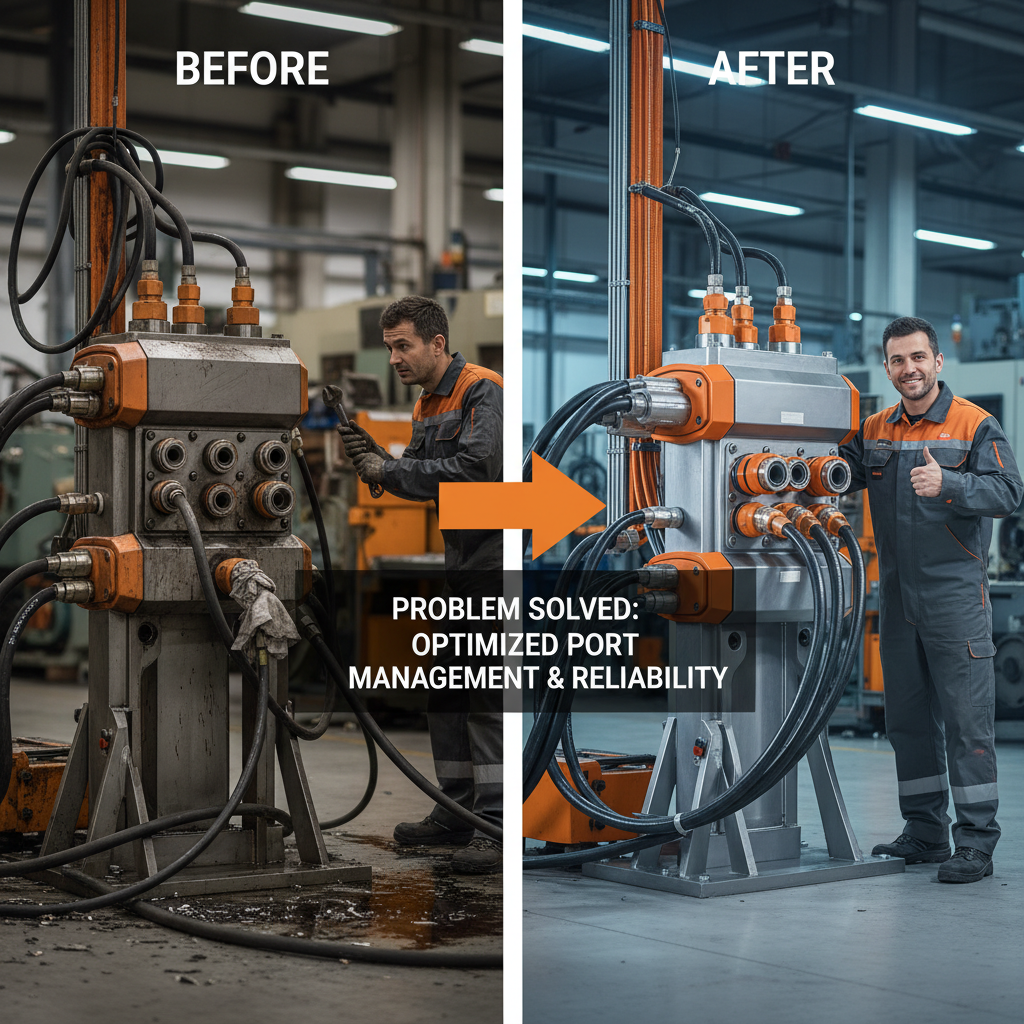
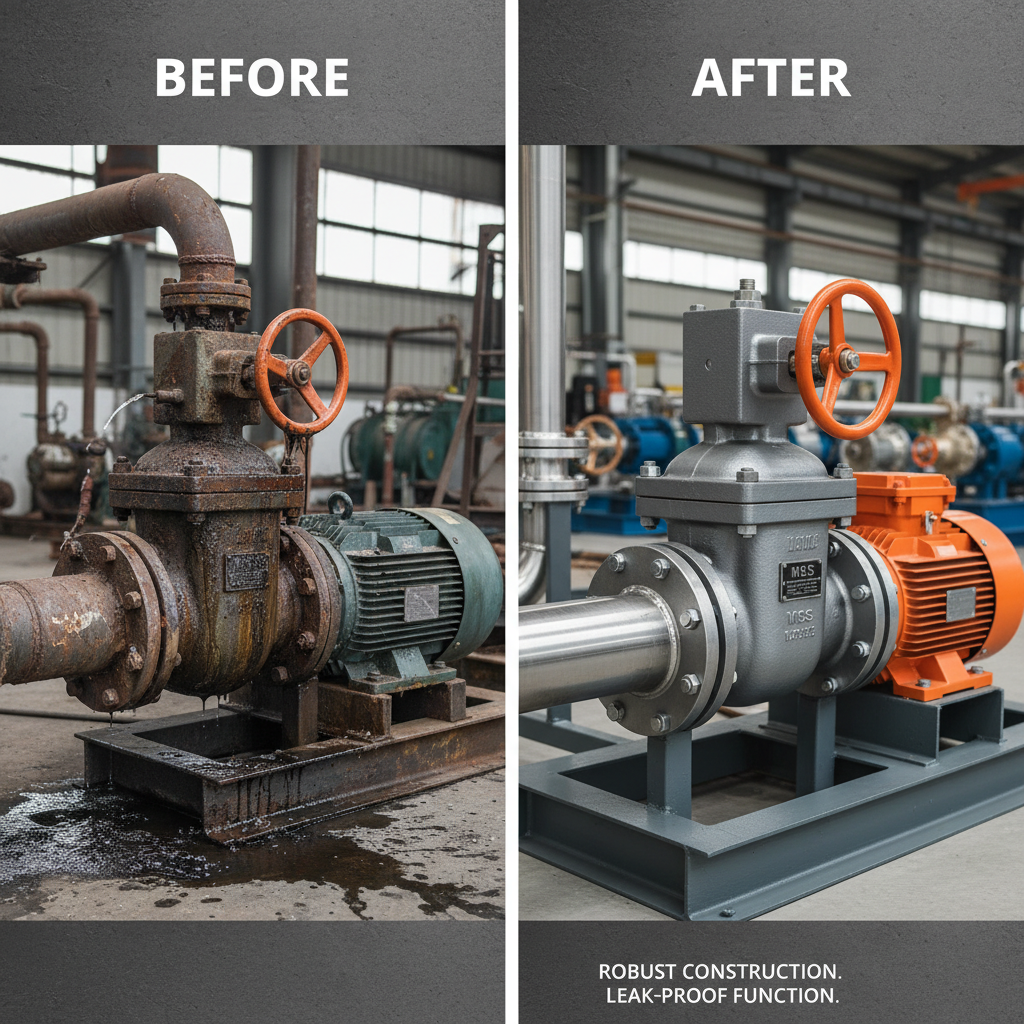
Victaulic butterfly valves represent a crucial component in modern fluid handling systems, offering a reliable and efficient solution across diverse industries. Their robust design and ease of installation make them a preferred choice for applications ranging from water distribution and wastewater treatment to chemical processing and power generation. Understanding the intricacies of victaulic butterfly valve technology is increasingly important as industries strive for optimized performance, reduced maintenance costs, and enhanced safety protocols.
The global demand for efficient and durable valve solutions is steadily rising, driven by infrastructure development in emerging economies and the need for modernization in established markets. According to a report by the UN, sustainable water and sanitation infrastructure is paramount to achieving several Sustainable Development Goals (SDGs). Victaulic butterfly valves play a critical role in these projects, offering a cost-effective and reliable method for controlling fluid flow. This demand underscores the importance of innovation and continued development within the victaulic butterfly valve sector.
These valves aren't simply mechanical devices; they are integral to the efficient operation of countless systems. Addressing challenges related to corrosion, leakage, and operational lifespan is paramount. The benefits of utilizing advanced victaulic butterfly valve designs extend beyond immediate cost savings, contributing to long-term sustainability and operational efficiency.
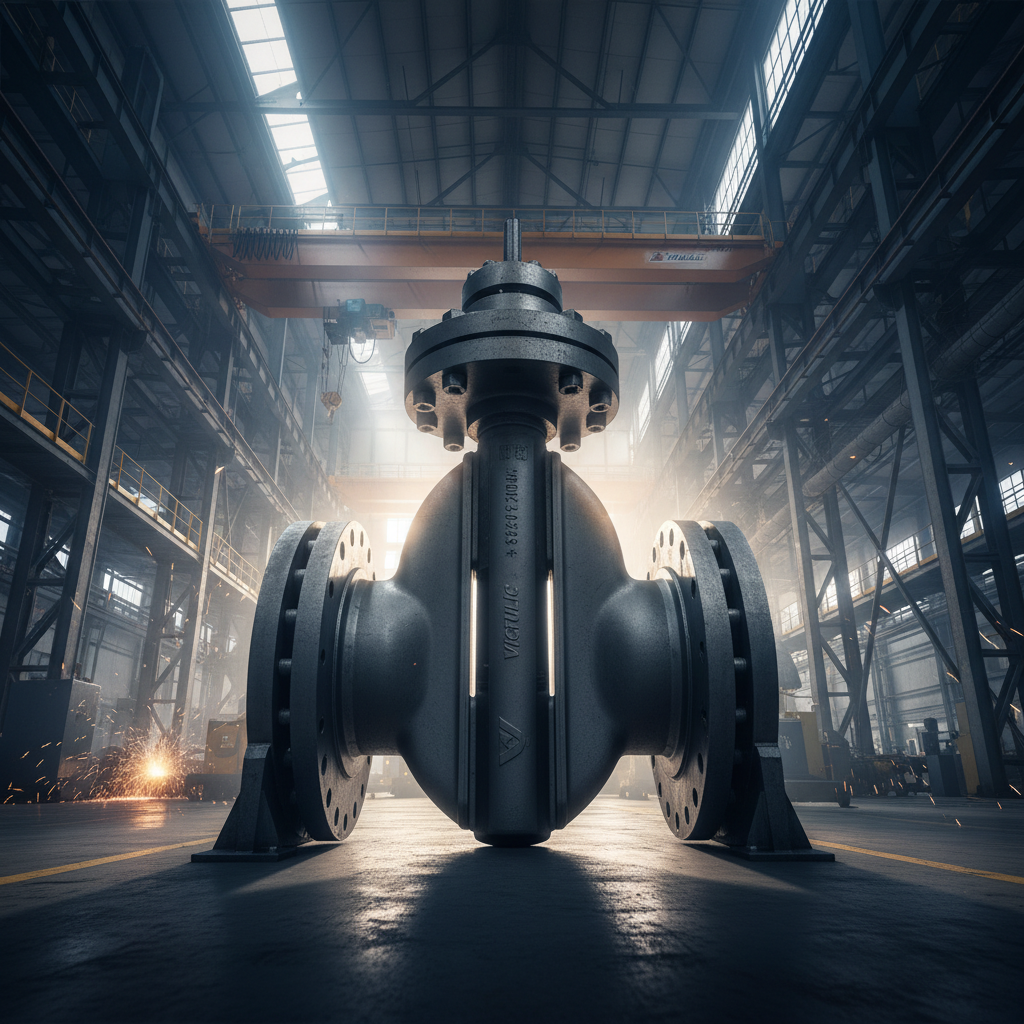
The Core Principles of victaulic butterfly valve
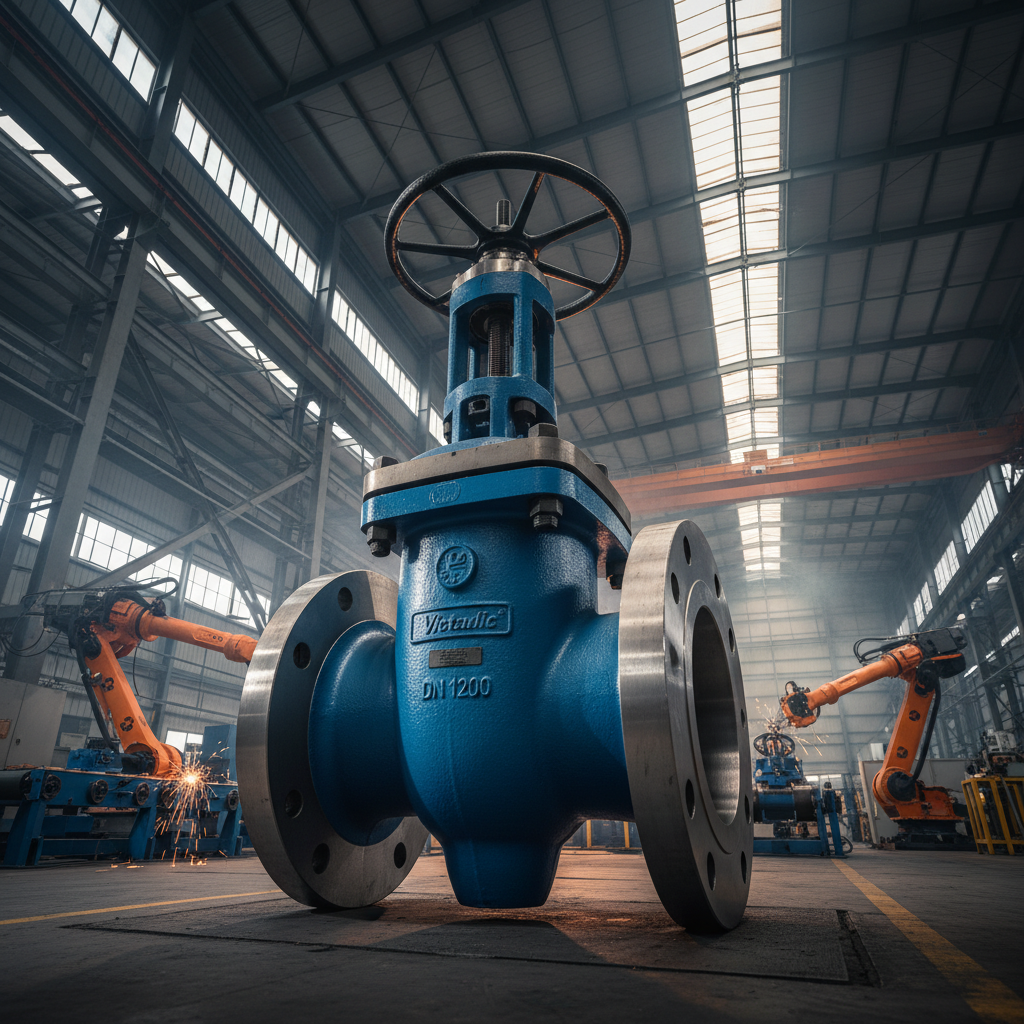
The underlying principle of a victaulic butterfly valve lies in its ability to regulate fluid flow using a rotating disc. This simple yet effective design allows for precise control and minimal pressure drop. The ‘victaulic’ aspect refers to the grooved coupling system, providing a robust and leak-proof connection without the need for welding or threading, significantly reducing installation time and costs.
This grooved coupling system is pivotal, as it also facilitates easier maintenance and replacement. Unlike traditional valves requiring extensive dismantling, victaulic butterfly valves can be quickly accessed and serviced, minimizing downtime and maximizing operational efficiency.
FAQS
Victaulic butterfly valves are commonly constructed from ductile iron, stainless steel (304, 316), and various alloys depending on the application’s specific requirements. The disc is often made of stainless steel or a polymer coating for corrosion resistance. The coupling components typically utilize rubber gaskets and high-strength steel for a robust and leak-proof connection. Material selection is crucial to ensuring compatibility with the fluid being handled and the operating environment.
Victaulic couplings require significantly less maintenance than traditional flange connections. Flanges are prone to corrosion, bolt loosening, and gasket failure, requiring regular tightening and replacement. Victaulic couplings, being mechanically grooved, are less susceptible to these issues. Their inherent flexibility accommodates thermal expansion and contraction, reducing stress on the piping system. Routine inspections are still recommended, but the overall maintenance burden is considerably lower.
With proper maintenance and appropriate material selection, a victaulic butterfly valve can have a lifespan of 25-50 years or even longer. Regular inspections for signs of wear, corrosion, or leakage are essential. Periodic replacement of gaskets and occasional lubrication of moving parts can extend the valve’s operational life. The robust construction and corrosion resistance inherent in victaulic systems contribute to their long-term durability.
Yes, victaulic butterfly valves can be used with abrasive fluids and slurries, but careful consideration must be given to material selection and valve design. Hardened alloys or protective coatings can be applied to the disc and valve body to resist wear. Selecting a valve with a larger flow passage can also minimize erosion. The Victaulic coupling system’s inherent flexibility can help accommodate the stresses caused by abrasive materials.
Temperature and pressure limitations vary depending on the valve’s materials, size, and design. Generally, victaulic butterfly valves can operate at temperatures ranging from -20°F to 250°F (-29°C to 121°C) and pressures up to 300 PSI. However, it’s crucial to consult the manufacturer’s specifications for the specific valve model to ensure it’s suitable for the intended application and operating conditions.
Victaulic butterfly valves contribute to environmental sustainability in several ways. The mechanical grooving system eliminates the need for welding, reducing harmful emissions. Their robust design minimizes leakage, conserving water and other valuable fluids. The reduced installation time and maintenance requirements lower energy consumption. Finally, the long lifespan of the valves reduces the frequency of replacements, minimizing waste.
Conclusion
In summary, victaulic butterfly valves represent a significant advancement in fluid control technology. Their durable construction, ease of installation, and long-term reliability make them a preferred choice for a wide range of applications across diverse industries. The combination of efficient flow regulation, reduced maintenance requirements, and enhanced safety features offers a compelling value proposition.
Looking ahead, continued innovation in materials science, digital integration, and sustainable manufacturing practices will further enhance the performance and environmental benefits of victaulic butterfly valves. Investing in these technologies is crucial for meeting the evolving demands of a rapidly changing world and building more resilient and sustainable infrastructure. To learn more about how victaulic butterfly valve solutions can benefit your operations, visit our website: www.valve-cable.com.
Related Posts