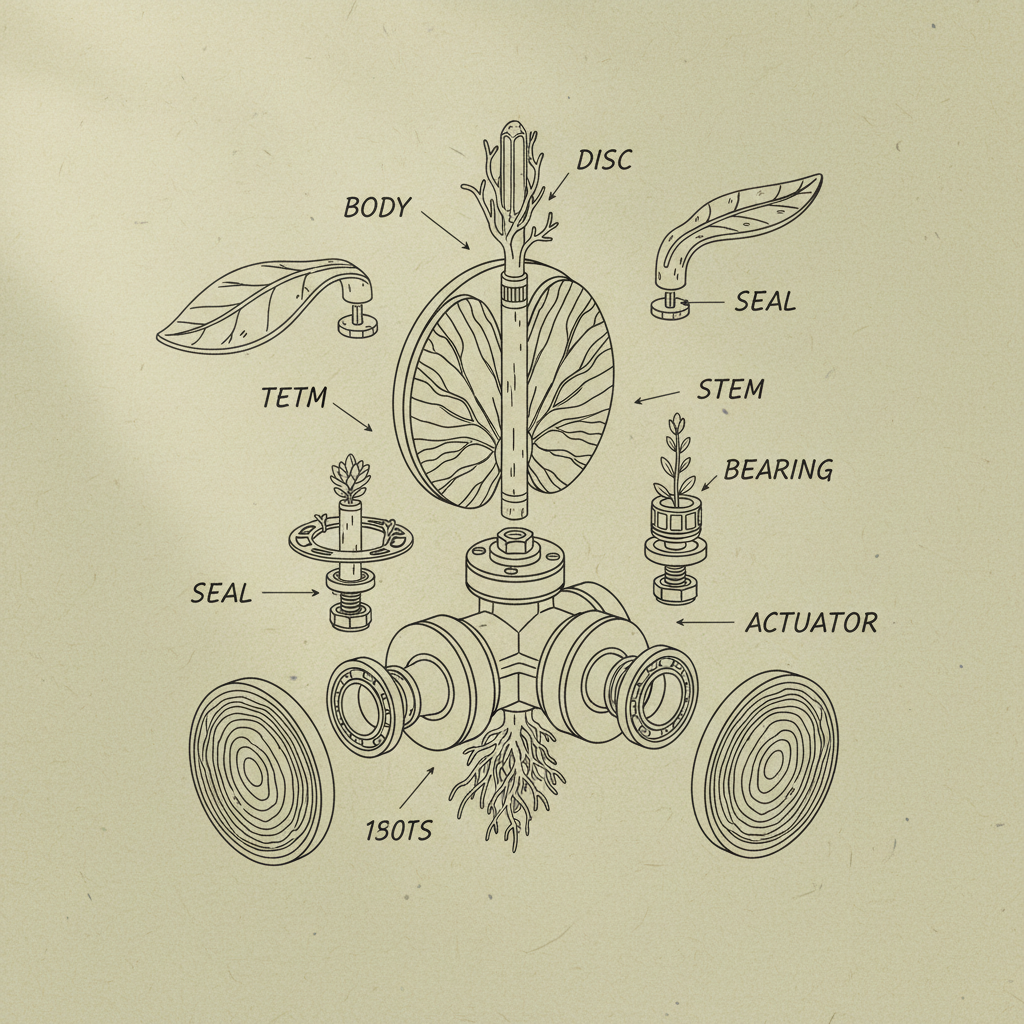
The ansi gate valve is a critical component in fluid handling systems across a vast range of industries. Its function – to isolate or regulate flow – is fundamental to the safe and efficient operation of infrastructure worldwide. Understanding its design, applications, and future trends is paramount for engineers, procurement specialists, and anyone involved in the maintenance and operation of industrial processes. The global market for valves, including ansi gate valve, is substantial, driven by factors like urbanization, industrial growth, and infrastructure development.
Gate valves, particularly those adhering to ANSI standards, ensure interoperability and reliability within complex systems. These standards provide a common framework for design, manufacturing, and testing, facilitating seamless integration across different vendors and applications. As industries become increasingly interconnected and focused on process optimization, the demand for high-quality, standardized ansi gate valve will only continue to rise. This necessitates a comprehensive understanding of the valve’s capabilities and limitations.
Furthermore, advancements in materials science and manufacturing techniques are continually enhancing the performance and longevity of ansi gate valve, making them an even more indispensable part of modern industrial infrastructure.
The Significance of ansi gate valve in Industrial Applications
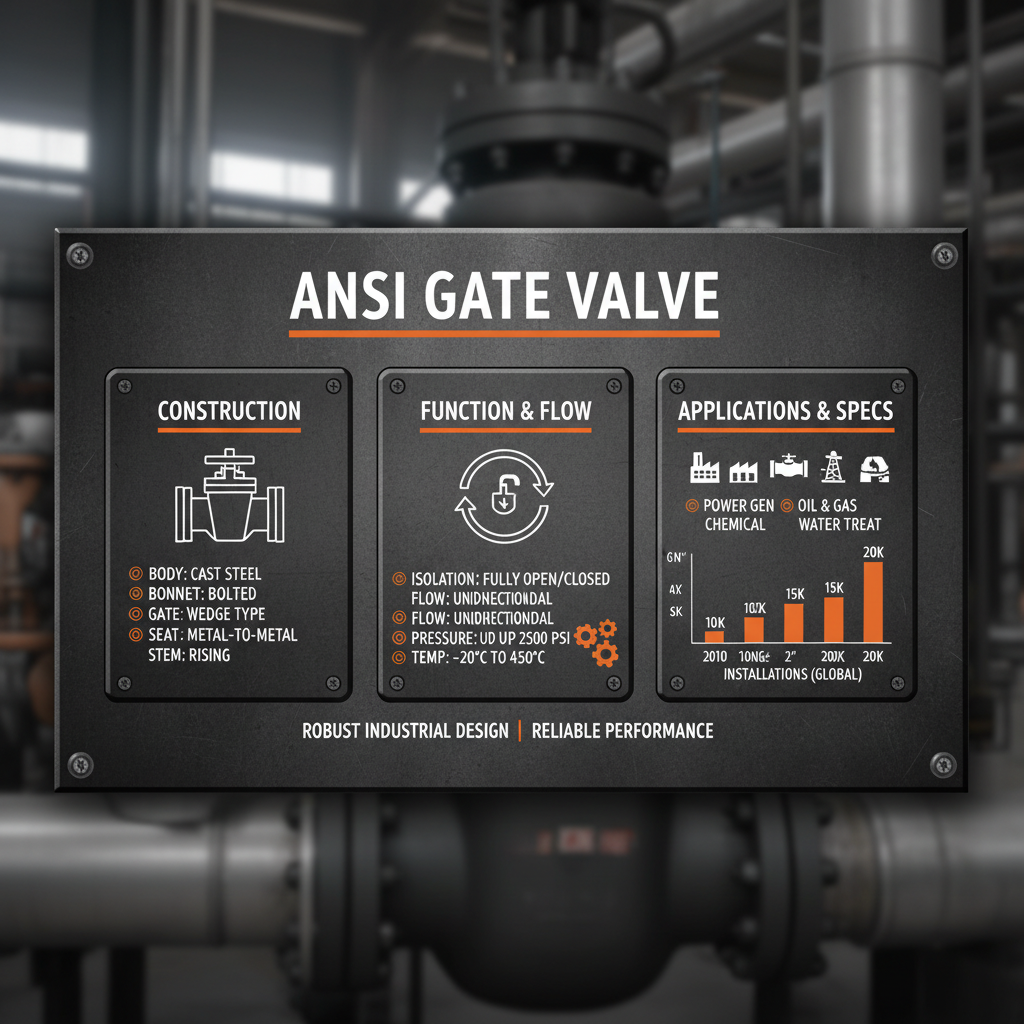
ansi gate valve play a crucial role in maintaining the integrity and efficiency of numerous industrial processes. Their ability to provide complete shut-off, combined with relatively low pressure drop when fully open, makes them ideal for applications where minimal obstruction to flow is required. These valves are widely used in water treatment plants, oil and gas pipelines, chemical processing facilities, and power generation stations, safeguarding operations and preventing costly downtime.
The adoption of ANSI standards ensures that these valves meet rigorous quality and safety requirements, providing confidence in their performance and reliability. This standardization is particularly important in large-scale projects involving multiple suppliers and complex system integrations.
Defining ansi gate valve and Its Industrial Relevance
An ansi gate valve is a type of valve that controls the flow of fluids (liquids, gases, or slurries) by raising or lowering a gate within the flow path. The "ANSI" designation refers to adherence to standards set by the American National Standards Institute, ensuring dimensional accuracy, material specifications, and performance characteristics. These standards are vital for ensuring compatibility and reliability across diverse industrial applications.
In modern industry, ansi gate valve are fundamental to process control. They serve as critical isolation points for maintenance, repair, or emergency shutdown procedures. Their straightforward design and robust construction make them suitable for handling a wide variety of fluids, including corrosive or abrasive substances.
Furthermore, ansi gate valve contribute significantly to humanitarian needs, particularly in water distribution systems and infrastructure projects aimed at providing access to clean water and sanitation. Their reliability and longevity are essential for ensuring the sustainable operation of these critical resources.
Core Components and Design Considerations of ansi gate valve
The core components of an ansi gate valve include the body, gate, stem, actuator, and seat. The body houses the internal components and provides the connection points for integration into a piping system. The gate is the flow control element, typically a flat disc that slides perpendicular to the flow path. The stem transmits the motion from the actuator to the gate, while the actuator (handwheel, gear operator, or automated actuator) provides the force to operate the valve.
Key design considerations for ansi gate valve include material selection, pressure rating, temperature range, and fluid compatibility. Materials like cast iron, stainless steel, and alloy steels are commonly used, chosen based on the specific application and fluid characteristics. Proper sealing is critical to prevent leakage, and various seat designs (e.g., wedge gate, parallel gate) are employed to achieve tight shut-off.
The ANSI standard dictates specific requirements for each of these components, ensuring consistent quality and performance. For example, the standard defines permissible tolerances for dimensional accuracy and specifies acceptable material properties to withstand specified pressures and temperatures.
Key Performance Indicators of ansi gate valve
Evaluating the performance of ansi gate valve involves assessing several key indicators. These include pressure drop, flow coefficient, leakage rate, and cycle life. Pressure drop refers to the resistance the valve offers to fluid flow; a lower pressure drop is generally desirable, particularly in applications where energy efficiency is paramount.
The flow coefficient (Cv) quantifies the valve’s capacity to pass fluid at a specific pressure drop. Leakage rate measures the amount of fluid that escapes through the valve when it's closed; ANSI standards set acceptable leakage limits to ensure reliable shut-off. Cycle life indicates the valve’s durability and ability to withstand repeated opening and closing operations.
ansi gate valve Performance Metrics Comparison
Global Applications and Use Cases of ansi gate valve
ansi gate valve find applications in a broad spectrum of industries globally. In the oil and gas sector, they are used in pipelines for flow isolation and regulation, ensuring safe and efficient transportation of hydrocarbons. Water treatment facilities rely on them for controlling water flow during filtration, disinfection, and distribution processes.
Chemical processing plants utilize ansi gate valve to manage the flow of various chemicals, often corrosive or hazardous, requiring robust materials and reliable sealing. Power generation facilities use them in cooling water systems and steam pipelines. In remote industrial zones, their durability and reliability are paramount where maintenance access may be limited.
Advantages and Long-Term Value of ansi gate valve
The advantages of ansi gate valve are numerous. Their relatively simple design translates to lower initial costs compared to some other valve types. They offer minimal resistance to flow when fully open, contributing to energy efficiency. Their robust construction ensures long-term durability, reducing maintenance requirements and lifecycle costs.
The long-term value lies in their reliability, ensuring uninterrupted operation of critical processes. Adherence to ANSI standards provides assurance of quality and safety, minimizing the risk of failures and costly downtime. Furthermore, the availability of replacement parts and standardized components simplifies maintenance and repair procedures.
Future Trends and Innovations in ansi gate valve Technology
Future trends in ansi gate valve technology are focused on enhancing performance, improving efficiency, and reducing environmental impact. Advancements in materials science are leading to the development of more corrosion-resistant and durable valve bodies. Smart valve technologies, incorporating sensors and data analytics, are enabling remote monitoring, predictive maintenance, and automated control.
The integration of digital transformation initiatives, such as Industry 4.0, is driving the adoption of smart ansi gate valve that can communicate with control systems and provide real-time data on flow rates, pressure, and valve status. Sustainability is also a key driver, with a growing emphasis on energy-efficient designs and the use of eco-friendly materials.
Automation is key to enhancing operational efficiency and reducing human error. These advancements are paving the way for more intelligent and sustainable fluid handling systems.
FAQS
ansi gate valve excel in applications requiring minimal flow restriction when fully open and provide reliable shut-off capabilities. Compared to ball valves, they offer lower pressure drop. Compared to globe valves, they are generally less expensive and require less maintenance. Their ability to meet ANSI standards ensures interoperability and quality.
Common materials include cast iron, ductile iron, carbon steel, and stainless steel. Cast iron is cost-effective for water applications. Ductile iron provides higher strength and ductility. Carbon steel is suitable for high-pressure and high-temperature applications. Stainless steel offers excellent corrosion resistance for handling aggressive fluids. Material selection depends on the fluid type, pressure, and temperature.
Regular inspection and maintenance are crucial. Visual inspections should be conducted monthly to check for leaks, corrosion, or damage. Annual inspections should include testing the valve's operation and verifying the seating and sealing surfaces. Lubrication of the stem and actuator is also recommended. Adhering to a preventative maintenance schedule extends valve life.
Key ANSI standards include ANSI/API 600 (Bolted Bonnet Gate Valves), ANSI/API 602 (Compact Gate Valves), and ANSI B16.34 (Valve Face-to-Face Dimensions). These standards specify requirements for design, materials, testing, and marking, ensuring quality and interchangeability.
Determining the correct size involves calculating the required flow rate and pressure drop. Consider the pipe diameter, fluid viscosity, and desired flow velocity. Valve manufacturers can provide sizing tools and assistance based on your specific application parameters. Proper sizing ensures optimal performance and efficiency.
Common causes include corrosion, erosion, cavitation, and improper operation. Corrosion can weaken the valve body and components. Erosion can damage the gate and seat. Cavitation can occur with high flow velocities and pressure drops. Improper operation, such as over-tightening or frequent cycling, can also lead to premature failure. Regular maintenance helps mitigate these risks.
Conclusion
In conclusion, ansi gate valve are indispensable components in countless industrial applications. Their reliable shut-off capabilities, minimal flow restriction, and adherence to stringent ANSI standards make them a cornerstone of fluid handling systems worldwide. Understanding their design, performance indicators, and future trends is crucial for engineers, operators, and anyone involved in maintaining the integrity of critical infrastructure.
Looking ahead, continued innovation in materials, automation, and digital technologies will further enhance the performance and efficiency of ansi gate valve. Investing in high-quality valves and implementing proactive maintenance programs are essential for maximizing their lifespan and ensuring the safety and reliability of industrial processes. Visit our website at ansi gate valve to explore our extensive range of valve solutions.