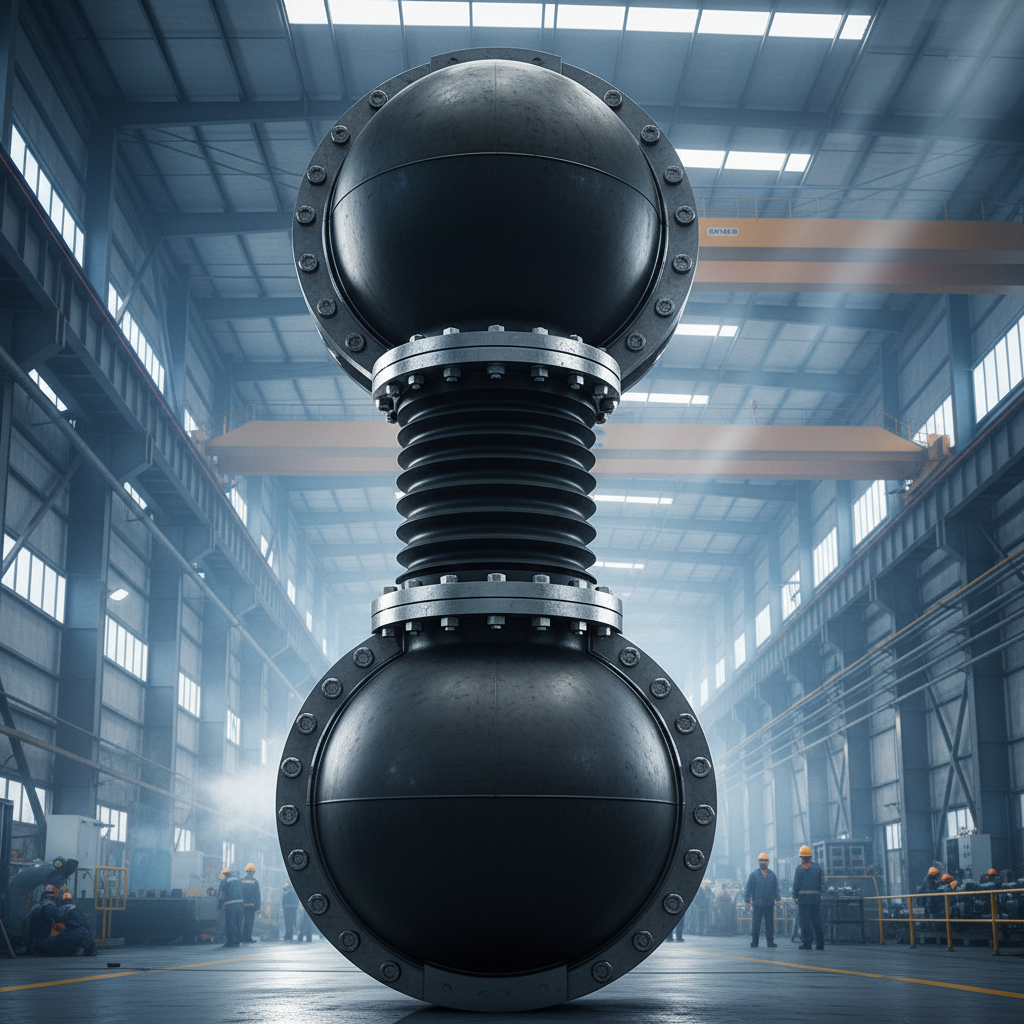
Look, I’ve spent the last twenty years knee-deep in concrete, dust, and blueprints, and let me tell you, a reliable di foot valve isn’t just a component—it’s peace of mind. We’re talking about preventing backflow contamination, safeguarding water systems, and ultimately, protecting people. I've seen firsthand how a failure here can bring a project to a screeching halt, leading to costly repairs and serious safety concerns. This isn’t some abstract engineering problem; it’s about ensuring clean, safe water for communities and industries alike.
The demand for robust and dependable di foot valve solutions is only growing. Global infrastructure projects, increasing water scarcity, and stricter environmental regulations are all driving the need for higher quality and more efficient valve systems. The old brass ones? They’re just not cutting it anymore, especially in corrosive environments. We need materials that can withstand the test of time, and frankly, offer better long-term value.
I’ve been testing different options on sites across the country, from large-scale municipal water treatment facilities to smaller irrigation systems, and the advancements in di foot valve technology are significant. It’s not just about the materials, but also the design and manufacturing processes that make the difference. Finding something that’s easy to install and maintain is a huge win for the crews on the ground.
The Importance of Di Foot Valves in Modern Infrastructure
Let's be clear: a di foot valve isn’t just a fitting; it’s a critical safety device. It prevents backflow, which means keeping contaminated water from getting into our clean water supply. You’d think that's a no-brainer, but I've seen too many situations where inadequate protection puts entire communities at risk. From municipal water systems to agricultural irrigation, reliable backflow prevention is paramount.
The stakes are higher than ever. With growing populations and increased demands on water resources, ensuring the purity and safety of our water supply is non-negotiable. Failing to invest in quality di foot valves is simply a gamble we can't afford to take. It’s about protecting public health, preserving our environment, and building resilient infrastructure.
Global Relevance and Growing Demand
The World Health Organization estimates that over 2 billion people lack access to safely managed drinking water services. That’s a staggering number. Di foot valves play a crucial role in addressing this challenge, especially in developing nations where water contamination is a significant threat. The demand isn't just in emerging markets either. Aging infrastructure in developed countries is driving a need for replacements and upgrades, often requiring more durable and reliable di foot valve systems.
We’re seeing stricter regulations globally regarding backflow prevention, too. ISO standards and local building codes are becoming more stringent, pushing manufacturers to develop higher-performing valves. This isn't just about compliance; it's about raising the bar for water safety across the board.
I’ve been working on projects in South America, Africa, and Southeast Asia, and the common thread is the urgent need for robust and dependable water infrastructure. A well-installed di foot valve is a cornerstone of that infrastructure, offering a relatively low-cost solution to a potentially devastating problem.
Defining the Di Foot Valve: A Core Component
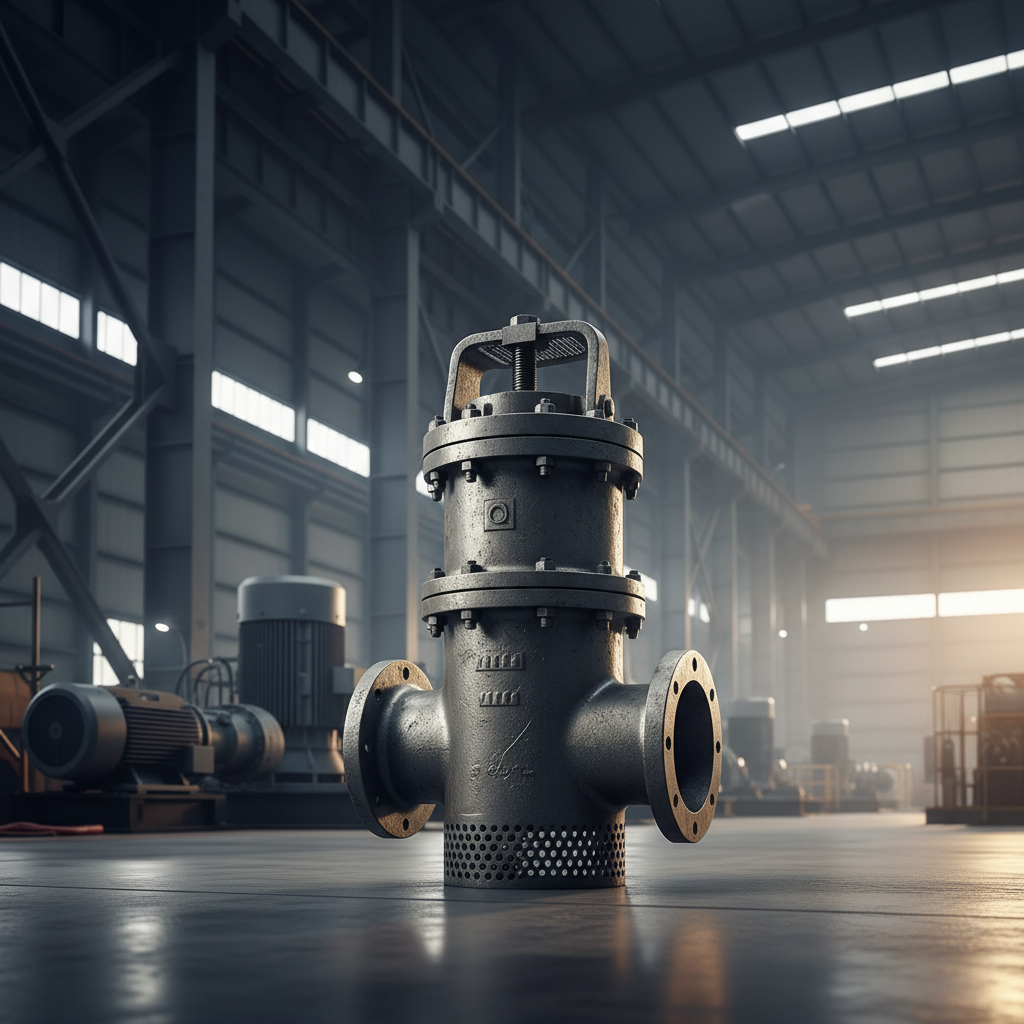
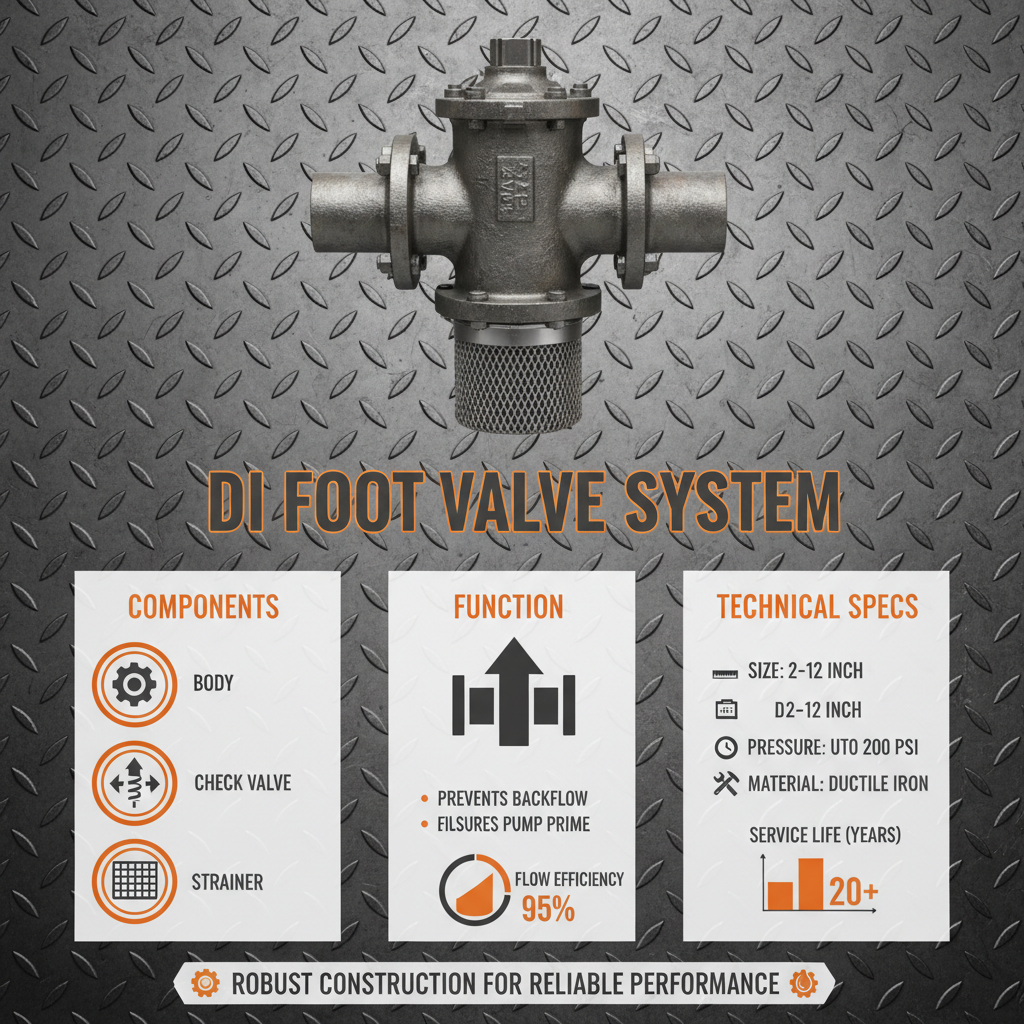
Simply put, a di foot valve is a check valve installed at the intake of a pump. Its purpose is to prevent water from flowing back down the suction pipe when the pump stops. This prevents loss of prime and potential damage to the pump itself. It’s a deceptively simple concept, but vital for efficient and reliable pump operation.
In modern applications, these valves are typically made from ductile iron (hence “di”), offering superior strength and corrosion resistance compared to traditional materials like brass or cast iron. They feature a clapper or disc that opens to allow water flow in one direction and automatically closes to prevent backflow. Understanding this basic mechanism is key to selecting the right valve for the job.
The connection to modern industry and humanitarian needs is direct. From supplying water for irrigation in agriculture to providing clean drinking water in disaster relief efforts, a properly functioning di foot valve is a fundamental component of countless critical systems. It's a small part, but a crucial one.
Key Factors: Durability, Efficiency, and Reliability
I've learned over the years that the best di foot valve isn’t the cheapest one—it’s the one built to last. Durability is paramount. Ductile iron offers excellent resistance to corrosion, cracking, and impact, making it ideal for harsh environments. You also need to consider the quality of the clapper and the sealing materials. Poorly made components will fail prematurely.
Efficiency is another critical factor. A well-designed valve minimizes flow restriction, maximizing pump performance and reducing energy consumption. We’re constantly looking for valves that offer a balance between robust protection and minimal pressure drop.
Di Foot Valve Performance Metrics
Real-World Applications and Global Impact
You'll find di foot valves in everything from large-scale municipal water treatment plants, preventing contamination in our cities, to agricultural irrigation systems ensuring crops get the water they need. I've seen them deployed in remote villages in Africa, providing access to clean water sources, and in industrial facilities protecting sensitive equipment.
In post-disaster relief operations, reliable di foot valves are critical for quickly establishing temporary water supplies. They allow crews to pump water from available sources without the risk of backflow contamination. And in remote industrial zones, where access to maintenance and replacement parts is limited, their durability is absolutely essential.
Advantages and Long-Term Value Proposition
The benefits of investing in quality di foot valves extend far beyond just preventing backflow. The increased durability translates to lower lifecycle costs, reducing the need for frequent replacements. This is a big win for project budgets.
From a sustainability standpoint, choosing durable materials reduces waste and conserves resources. And let's not forget the peace of mind that comes with knowing your water system is protected. It’s not just about compliance; it's about safeguarding public health and building trust within the community.
It’s a relatively small investment with an outsized impact on system reliability, safety, and long-term cost savings. That's something I always look for on every jobsite.
Future Trends and Innovation in Di Foot Valve Technology
We’re seeing a growing interest in “smart” di foot valves that incorporate sensors to monitor performance and detect potential issues. These valves can provide real-time data on flow rates, pressure, and valve status, allowing for proactive maintenance and preventing unexpected failures.
Material science is also evolving. Researchers are exploring new coatings and alloys to further enhance corrosion resistance and durability. The development of more efficient valve designs that minimize pressure drop is another key area of innovation. And as water scarcity becomes a more pressing global challenge, we’ll likely see increased demand for valves designed to optimize water usage and reduce waste.
I am also keeping an eye on how digitalization is affecting the entire pipeline—digital twins, remote monitoring, and predictive maintenance are all going to be big drivers in the next decade. A smart di foot valve is a foundational component of that connected system.
Challenges and Solutions
One common challenge is improper installation. A poorly installed di foot valve won’t function correctly, no matter how well-made it is. Training and proper supervision of installation crews are crucial. We need to emphasize best practices and ensure everyone understands the importance of following manufacturer’s instructions.
Another issue is selecting the right valve for the specific application. Factors like fluid type, temperature, and pressure need to be carefully considered. Working with experienced engineers and suppliers can help avoid costly mistakes. We’re also seeing a need for valves that can handle more aggressive fluids and higher pressures in certain industrial applications.
Finally, maintaining these valves is often overlooked. Regular inspections and cleaning are essential to ensure long-term reliability. Simple preventative maintenance can save a lot of headaches down the road.
Summary of Di Foot Valve Challenges and Solutions
| Challenge |
Impact on Di Foot Valve Performance |
Recommended Solution |
Long-Term Benefit |
| Improper Installation |
Reduced efficiency, potential backflow |
Comprehensive training and supervision |
Extended valve lifespan, reduced risk of contamination |
| Incorrect Valve Selection |
Premature failure, corrosion |
Consulting with engineers and suppliers |
Optimized performance, minimized repair costs |
| Lack of Maintenance |
Reduced reliability, increased risk of failure |
Regular inspections and cleaning |
Preventative measures, reduced downtime |
| Corrosive Environments |
Material degradation, valve leakage |
Utilizing corrosion-resistant materials |
Increased lifespan, reduced maintenance |
| High Water Pressure |
Valve damage, system failure |
Specifying valves with appropriate pressure ratings |
Enhanced system safety, prolonged valve life |
| Sediment Buildup |
Restricted flow, valve malfunction |
Installing strainers or filters |
Improved valve performance, reduced wear |
FAQS
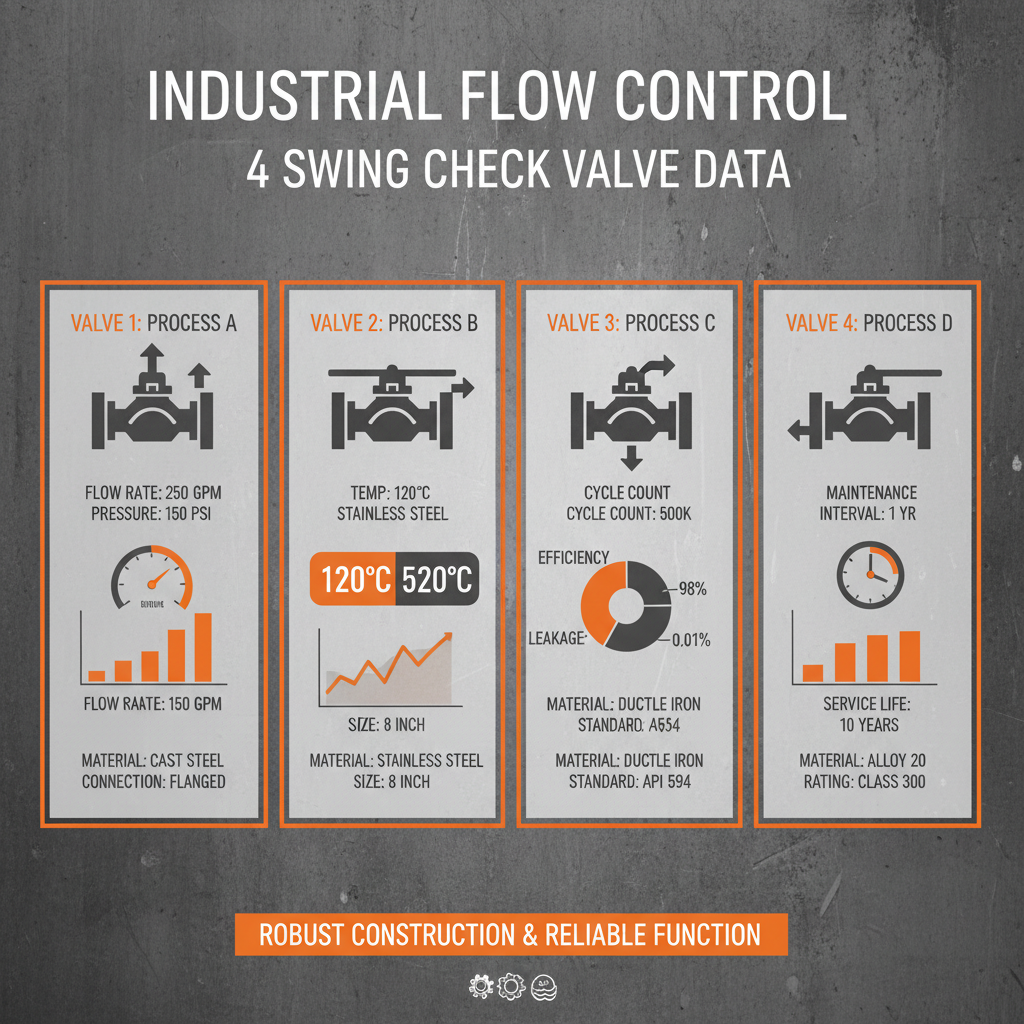
Great question. While both prevent backflow, di foot valves typically have a shorter, more direct flow path, reducing pressure loss. Swing check valves, with their hinged disc, can handle higher flow rates but may be more prone to water hammer. Choosing the right one depends on your specific application and pressure requirements. We always recommend consulting with an engineer for the best fit.
I recommend at least annual inspections, more frequently in harsh environments. Look for signs of corrosion, leaks, or buildup of debris. Pay close attention to the clapper—make sure it's moving freely. A small investment in preventative maintenance can save you a lot of trouble and expense in the long run. It’s cheaper to fix a small issue now than to replace an entire valve later.
Ductile iron offers good corrosion resistance, but it’s not impervious to all chemicals. For highly corrosive fluids, you'll need to specify valves with special coatings or materials like stainless steel. Always check the valve manufacturer’s compatibility chart to ensure the valve is suitable for your specific application. Improper material selection can lead to premature failure and costly repairs.
The valve size should match the pump’s suction pipe diameter. Undersizing the valve will create excessive pressure drop, reducing pump efficiency. Oversizing can lead to turbulence and potentially damage the valve. It’s always best to consult the pump manufacturer’s recommendations and your local building codes to ensure you’re using the correct size. Getting it right from the start saves a lot of headaches.
Common causes include debris buildup, corrosion, and improper installation. Sediment can prevent the clapper from sealing properly, leading to backflow. Corrosion weakens the valve body and components. And if the valve isn’t installed correctly, it won’t function as intended. Regular inspections and preventative maintenance are the best defense against these issues.
Store di foot valves in a dry, protected environment, away from direct sunlight and extreme temperatures. Cover the valve openings to prevent debris from entering. If the valve has been stored for an extended period, inspect it thoroughly before installation to ensure there's no corrosion or damage. Proper storage helps to preserve the valve's integrity and ensures optimal performance.
Conclusion
We’ve covered a lot of ground, from the fundamental importance of di foot valves in protecting our water systems to the latest innovations in material science and smart technology. The bottom line is this: a reliable di foot valve isn’t just a component; it’s a critical investment in public health, infrastructure resilience, and long-term cost savings. Ignoring its importance is a risk you simply can’t afford to take.
Looking ahead, I anticipate continued innovation in this field, driven by the need for more efficient, durable, and sustainable solutions. Stay informed about new technologies, prioritize proper installation and maintenance, and always work with trusted suppliers and engineers. And remember, a little preventative care goes a long way. To learn more about how our di foot valve solutions can benefit your next project, visit our website: valve-cable.com.