You know, after years on construction sites, wrestling with everything from plumbing to electrical, you start to appreciate the little things that just work. And a good basket strainer is absolutely one of those things. It’s not glamorous, it doesn’t get featured in architectural digests, but it prevents headaches – and potentially expensive damage – down the line. We’re talking about keeping drains clear, protecting systems, and ultimately, saving time and money on a job site.
What I've seen over the years is that the quality of these seemingly simple components can make or break a project. Cheap strainers clog, corrode, and fail, leading to call-backs, repairs, and a whole lot of frustration. A properly specified and installed basket strainer isn’t just a preventative measure; it’s a sign of a conscientious build.
I spend my days talking to plumbers, engineers, and contractors. Their biggest concern is reliability and ease of maintenance. They don't have time for flimsy parts that need constant attention. That’s why understanding the nuances of basket strainer design and material selection is so critical – it directly impacts their workflow and the longevity of the finished product.
The Core Functionality of basket strainer
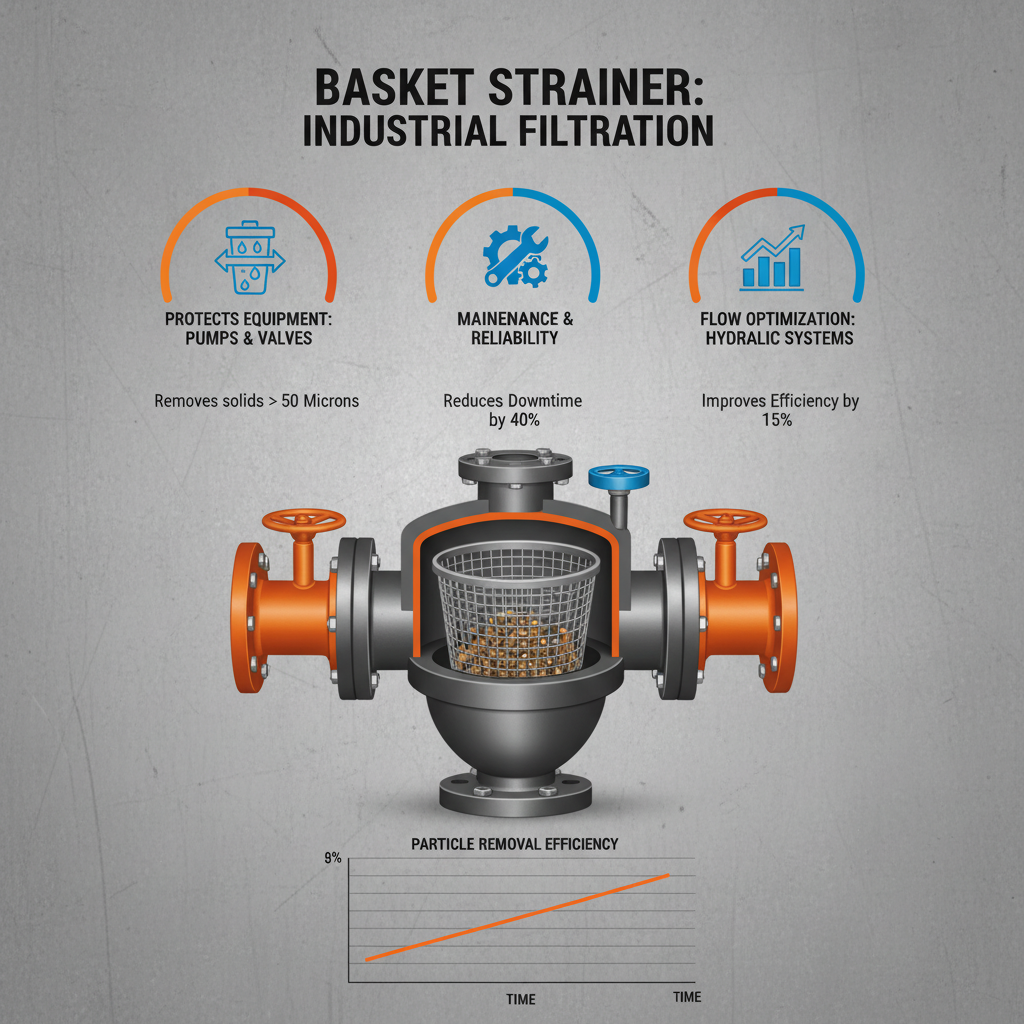
At its heart, a basket strainer is about preventing solid materials from entering and clogging drain lines. It’s a deceptively simple concept, but incredibly effective. We’re talking about everything from hair and soap scum in bathrooms to food particles and debris in kitchens and industrial settings. Without a quality strainer, you're facing potential blockages, backups, and the associated costs and headaches.
From a practical perspective, I’ve seen these used in everything from residential plumbing to large-scale commercial kitchens and even industrial wastewater management systems. The common thread is the need to protect downstream equipment and maintain efficient drainage. A poorly designed or installed basket strainer can quickly negate any benefits.
The Global Significance of basket strainer
Look, plumbing issues are universal. Whether you're in a bustling city or a remote rural area, the need to manage wastewater and prevent drain blockages is constant. According to the World Health Organization, inadequate sanitation is a major contributor to preventable diseases globally. While a basket strainer isn't a complete sanitation solution, it's a vital component in maintaining a functional and hygienic plumbing system.
Consider the impact in developing nations, where plumbing infrastructure may be less robust. A reliable basket strainer can significantly extend the lifespan of existing systems and reduce the frequency of costly repairs. It’s a low-tech, high-impact solution.
And it's not just about sanitation. In industrial settings, proper drainage is crucial for environmental compliance. Strainers help prevent pollutants from entering waterways, protecting ecosystems and public health. The ISO 14001 standard, for example, emphasizes the importance of environmental management systems, and proper drainage is a key element of that.
Defining the basket strainer
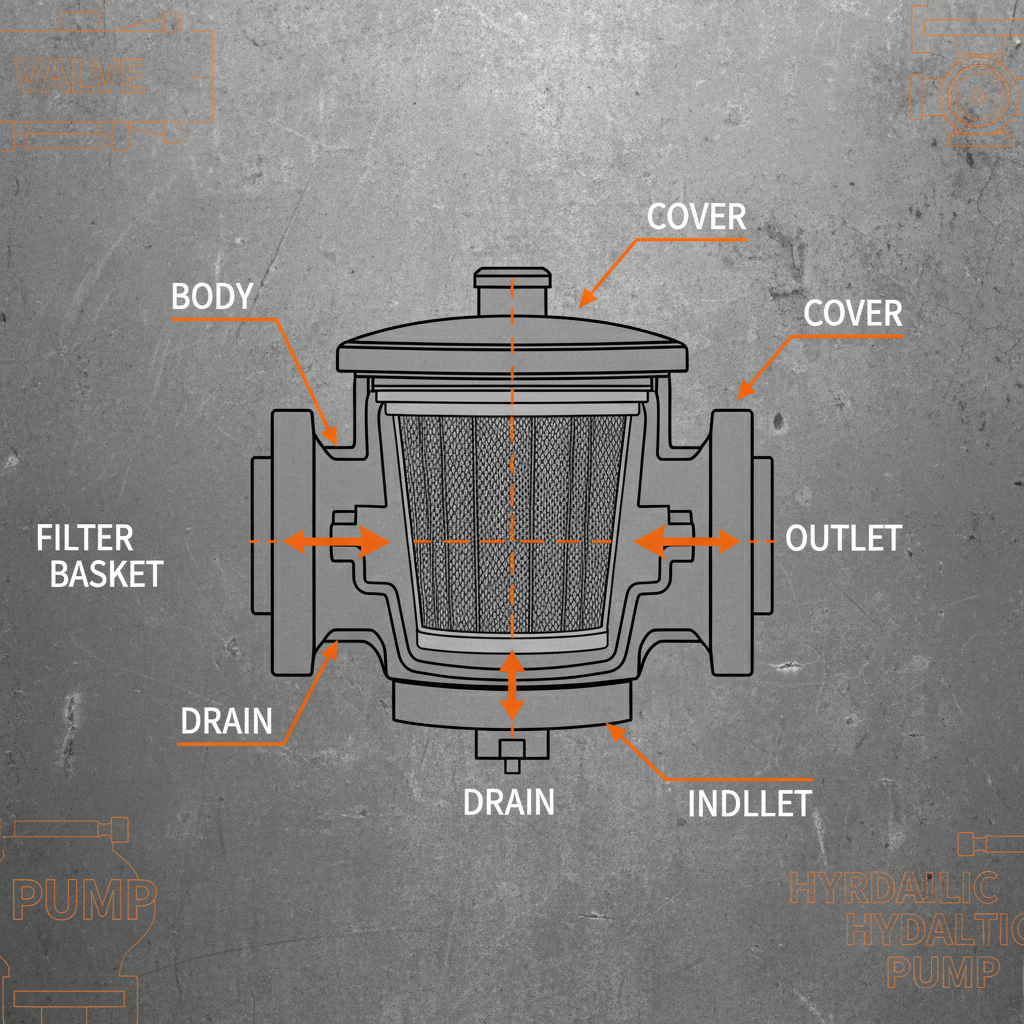
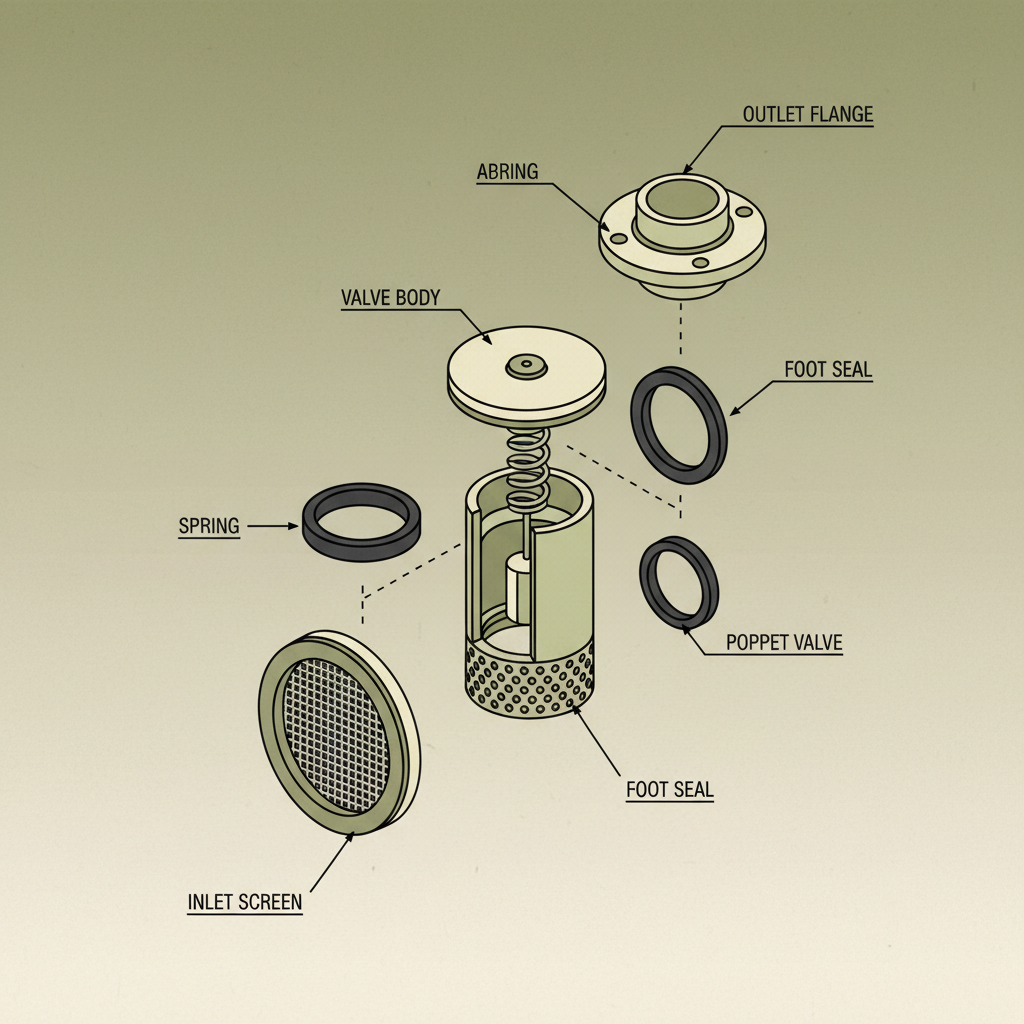
Simply put, a basket strainer is a type of drain fitting designed to capture solids while allowing liquids to pass through. It's typically a cylindrical mesh basket housed within a threaded or flanged body that connects to a drain pipe. The basket is removable, allowing for easy cleaning and disposal of collected debris.
The connection to modern industry, and even humanitarian needs, is pretty direct. Think about commercial kitchens, food processing plants, hospitals – any place where large volumes of water and waste are generated. Without effective strainers, these systems would quickly become overwhelmed. In emergency relief scenarios, portable sanitation systems often incorporate basket strainers to prevent blockages and maintain hygiene.
The design itself has evolved over time, from basic perforated plates to more sophisticated woven mesh and even self-cleaning models. But the core principle remains the same: catch the solids, let the liquids flow.
Critical Aspects of basket strainer Performance
There are a few key things I look at when evaluating a basket strainer. First is the material. Stainless steel is generally the gold standard, offering excellent corrosion resistance and durability. Plastic strainers are cheaper, but they’re more prone to cracking and degradation, especially when exposed to harsh chemicals or high temperatures.
Second, the mesh size matters. A finer mesh will catch smaller particles, but it can also clog more easily. You have to balance filtration efficiency with flow rate. And third, the construction quality is crucial. A poorly manufactured strainer can leak, corrode quickly, or simply fall apart under pressure.
Performance Metrics of basket strainer Materials
Real-World Applications of basket strainer
I’ve seen these things used in a massive range of settings. In commercial kitchens, they’re absolutely essential for preventing grease and food particles from clogging drain lines. In hospitals, they’re used to capture medical waste and prevent contamination. Even in residential plumbing, a good basket strainer can save a homeowner a lot of trouble.
In post-disaster relief operations, portable sanitation systems rely heavily on basket strainers to maintain hygiene and prevent the spread of disease. And in remote industrial zones, where access to maintenance is limited, durable, reliable strainers are critical for keeping operations running smoothly.
Long-Term Value and Advantages of basket strainer
The initial cost of a quality basket strainer might be a bit higher than a cheap plastic alternative, but the long-term savings are significant. Reduced maintenance, fewer repairs, and a longer lifespan all add up. From a sustainability perspective, choosing durable materials like stainless steel reduces the need for frequent replacements, minimizing waste.
There’s also a safety aspect. A clogged drain can create unsanitary conditions and even pose a health hazard. A properly functioning basket strainer contributes to a cleaner, safer environment. It's a small investment that can yield big returns.
Future Trends in basket strainer Technology
We’re starting to see some interesting innovations in this space. Self-cleaning strainers, for example, use automated mechanisms to remove debris, reducing the need for manual cleaning. Smart strainers, equipped with sensors, can monitor flow rates and detect potential blockages, providing early warnings.
There’s also a growing emphasis on using sustainable materials, like recycled plastics and bio-based polymers, in strainer construction. As environmental regulations become more stringent, these eco-friendly options will likely become more prevalent.
I also anticipate we'll see more integration of basket strainers with building management systems, allowing for remote monitoring and control. This will be particularly valuable in large commercial and industrial facilities.
Summary of Performance Characteristics of Different basket strainer Types
| Strainer Type |
Material Composition |
Maintenance Frequency |
Cost Effectiveness (1-10) |
| Standard Stainless Steel |
304 Stainless Steel |
Monthly Cleaning |
8 |
| PVC |
Polyvinyl Chloride |
Weekly Cleaning |
4 |
| Brass |
Brass Alloy |
Bi-Monthly Cleaning |
6 |
| Self-Cleaning |
Stainless Steel with Automated System |
Quarterly Inspection |
9 |
| Fine Mesh Nylon |
Nylon Polymer |
Daily Cleaning |
3 |
| Cast Iron |
Cast Iron Alloy |
Monthly Cleaning |
7 |
FAQS
For highly corrosive environments, 316 stainless steel is the way to go. It contains molybdenum, which significantly enhances its resistance to chloride corrosion—think saltwater or chemical processing plants. While it's more expensive than 304 stainless steel, the increased lifespan and reduced maintenance costs often make it the more economical choice in the long run. Avoid cheaper materials like PVC or brass in these scenarios, as they'll quickly degrade.
Cleaning frequency depends heavily on the application. In a residential kitchen, a weekly cleaning is usually sufficient. However, in a busy restaurant or industrial setting, daily cleaning might be necessary. The key is to inspect the strainer regularly. If you notice a significant reduction in flow rate, it's time to clean it. Neglecting cleaning can lead to backups and damage to downstream plumbing.
The ideal mesh size depends on the type of debris you need to catch. A finer mesh (e.g., 1mm) will capture smaller particles, but it will also clog more quickly. A coarser mesh (e.g., 3mm) is better for larger debris and will require less frequent cleaning. Consider the specific application and the potential for clogging when making your selection. For instance, a kitchen strainer might need a finer mesh than a floor drain strainer.
Generally, it's best to avoid using harsh chemical drain cleaners in systems with basket strainers, especially those made of plastic. These chemicals can degrade the strainer material and potentially damage the plumbing. If you must use a drain cleaner, opt for an enzymatic cleaner, which is less corrosive. Always follow the manufacturer's instructions and rinse thoroughly afterwards. Physical removal of the blockage is usually the preferred method.
Look for visible signs of corrosion, cracks, or damage to the strainer basket or body. A persistent leak, even after tightening connections, is a clear indication of a problem. If the strainer is consistently clogging despite regular cleaning, it might be worn out and need replacing. Also, if you notice rust or discoloration in the surrounding plumbing, it could be a sign that the strainer is corroding and affecting the rest of the system.
Proper installation is crucial for preventing leaks and ensuring optimal performance. First, ensure the drain opening is clean and free of debris. Apply plumber's putty or Teflon tape to the strainer threads (depending on the type). Tighten the strainer securely, but don't overtighten, as this can damage the threads. Finally, test for leaks by running water through the drain. If you’re unsure, consult a qualified plumber.
Conclusion
Ultimately, the basket strainer may seem like a small component, but its impact on the functionality, longevity, and safety of plumbing systems is significant. Choosing the right strainer, installing it properly, and maintaining it regularly can save time, money, and headaches down the road. It's a testament to the idea that sometimes the simplest solutions are the most effective.
Looking ahead, advancements in materials and automation will continue to improve strainer performance and reduce maintenance requirements. By staying informed about these developments and prioritizing quality, we can ensure that these essential components continue to perform reliably for years to come. For a wide selection of high-quality basket strainers and expert advice, visit our website: www.valve-cable.com