


Jan . 27, 2026 17:45 Back to list
Comprehensive Guide to Metal to Metal Butterfly Valve Selection and Applications
Metal to Metal Butterfly Valve: A Comprehensive Guide
Butterfly valves are crucial components in many industrial applications, providing reliable flow control. Among these, metal to metal butterfly valves stand out for their durability and suitability for demanding services. This article explores the features, benefits, applications, and considerations for choosing the right metal to metal butterfly valve. Understanding the nuances of these valves is essential for engineers, procurement professionals, and anyone involved in fluid handling systems. They represent a robust solution where tight shut-off and long-term reliability are paramount.
Understanding Metal to Metal Butterfly Valve Design
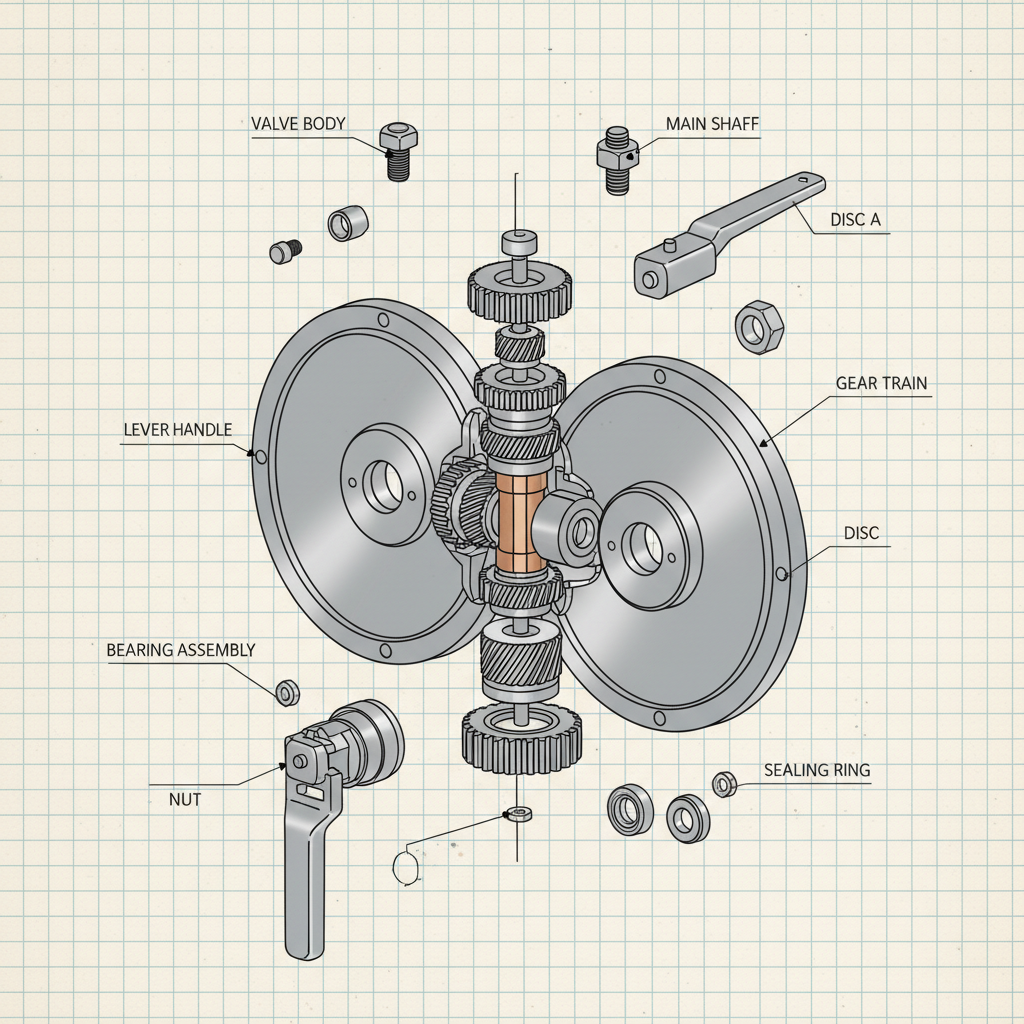
Unlike butterfly valves with elastomer or PTFE seats, metal to metal butterfly valves utilize a metal disc and seat. This construction offers superior performance in high-temperature, high-pressure, and abrasive media applications. The precise machining of both the disc and seat ensures a tight, leak-proof seal. Commonly used materials include stainless steel, alloy steels, and other corrosion-resistant alloys. The key advantage lies in their ability to withstand harsh conditions where softer materials would quickly degrade. These valves are often preferred in industries such as oil and gas, chemical processing, and power generation.
Key Highlights: Superior performance in high-temperature, high-pressure, and abrasive media applications. Precise machining for a tight seal. Construction with stainless steel or alloy steels.
Applications of Metal to Metal Butterfly Valves
The robust design of metal to metal butterfly valves makes them ideal for a wide range of applications. They are frequently used in steam systems, particularly where high temperatures and pressures are present. In the oil and gas industry, they handle crude oil, refined products, and natural gas. Chemical processing plants rely on these valves for managing corrosive fluids and slurries. Power plants utilize them in cooling water systems and boiler applications. Furthermore, they are employed in HVAC systems for large-scale temperature control.
Application Areas:
• Steam Systems
• Oil & Gas Industry
• Chemical Processing
• Power Plants
Metal to Metal Butterfly Valve vs. Other Valve Types
Compared to other valve types like gate valves, globe valves, and ball valves, metal to metal butterfly valves offer a unique set of advantages and disadvantages. Gate valves, while cost-effective, are slow to operate and unsuitable for throttling. Globe valves provide excellent throttling but have higher pressure drops. Ball valves offer quick operation but may not be ideal for high-temperature applications. Metal to metal butterfly valves strike a balance, providing good flow control, relatively quick operation, and suitability for harsh environments.
Selecting the Right Metal to Metal Butterfly Valve
Choosing the correct valve requires careful consideration of several factors. First, determine the fluid being handled and its compatibility with the valve materials. Second, assess the operating temperature and pressure. Ensure the valve’s specifications exceed these parameters. Third, consider the required level of leakage tightness. Metal to metal butterfly valves offer excellent shut-off capabilities, but specific designs offer varying degrees of tightness. Finally, evaluate the actuation method – manual, pneumatic, or electric – based on your system’s needs. Valve-Cable.com provides comprehensive specifications and support to help you make the right choice.
Maintenance and Longevity
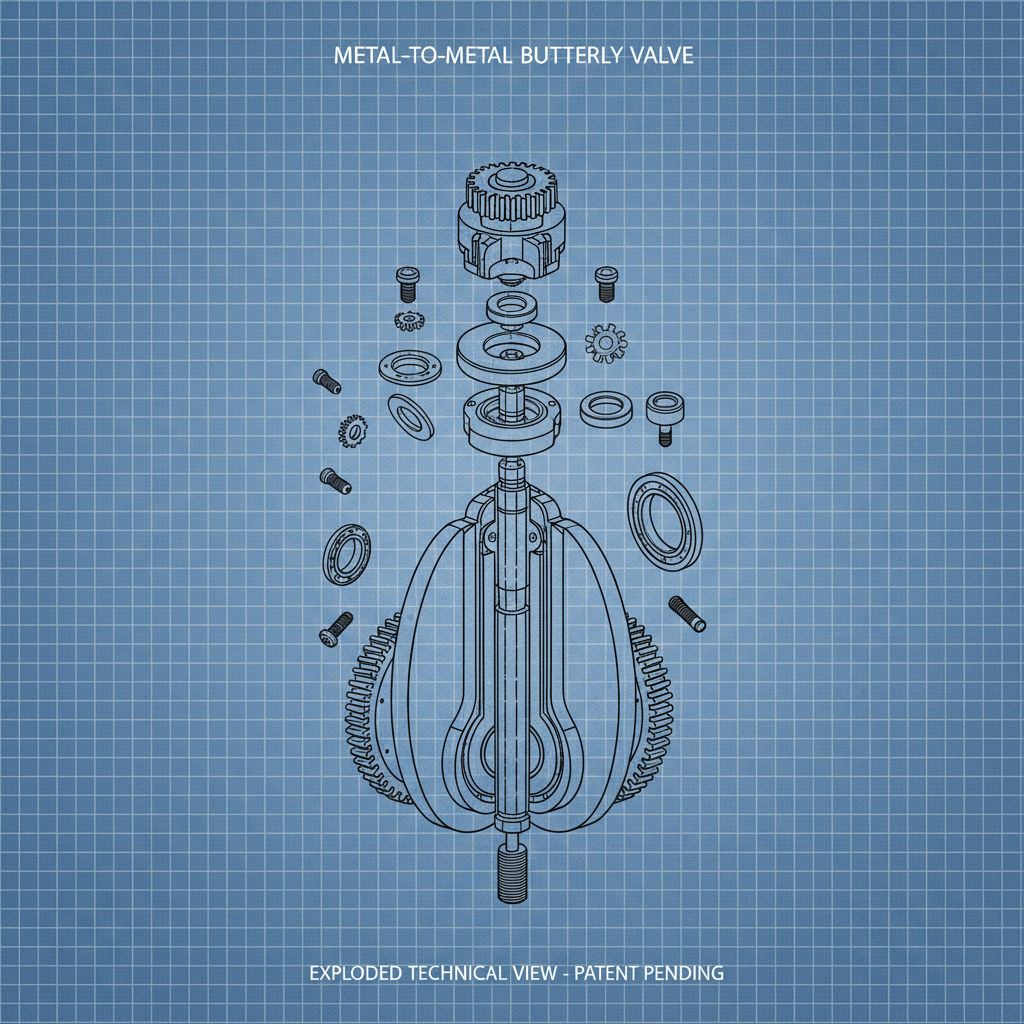
Proper maintenance is crucial for ensuring the long-term reliability of metal to metal butterfly valves. Regularly inspect the disc and seat for wear or damage. Lubricate moving parts as recommended by the manufacturer. Periodically check the actuation mechanism for smooth operation. Avoid over-tightening the disc, as this can damage the sealing surfaces. By following these simple maintenance procedures, you can significantly extend the lifespan of your valves and minimize downtime.
Conclusion: Investing in Reliable Flow Control
The metal to metal butterfly valve offers a robust and reliable solution for demanding fluid handling applications. Its superior performance in high-temperature, high-pressure, and abrasive environments, coupled with its relatively compact design, makes it a preferred choice across numerous industries. Choosing the right valve and implementing a preventative maintenance program will ensure long-term efficiency and safety.
Frequently Asked Questions (FAQs)
What materials are commonly used in metal to metal butterfly valve construction?
Common materials include stainless steel (304, 316), alloy steels (such as Hastelloy and Inconel), and carbon steel with specialized coatings. The choice of material depends on the fluid being handled and the operating conditions. Stainless steel is often selected for its corrosion resistance, while alloy steels are used in extremely harsh environments. Understanding the chemical compatibility between the valve material and the fluid is crucial to prevent corrosion and ensure long-term reliability.
What is the typical leakage rate for a metal to metal butterfly valve?
The leakage rate for a metal to metal butterfly valve is typically very low, often conforming to industry standards such as ANSI/FCI 70-2 or API 598. However, the exact leakage rate depends on the valve design, the quality of the machining, and the seating material. Tight shut-off metal to metal butterfly valves are specifically designed to minimize leakage, making them suitable for critical applications where even small leaks are unacceptable.
How do I determine the correct size butterfly valve for my application?
Determining the correct size involves considering the flow rate, pipe diameter, and pressure drop. It's essential to calculate the required valve area to accommodate the flow rate without excessive pressure loss. Valve manufacturers typically provide sizing charts and tools to assist with this process. Proper sizing is crucial for optimal performance and efficiency. Consulting with a valve specialist can also help ensure accurate sizing.
What are the advantages of using metal to metal butterfly valves in high-temperature applications?
Metal to metal butterfly valves excel in high-temperature applications due to the inherent heat resistance of their materials. Unlike elastomer-seated valves, which can degrade and lose their sealing capabilities at elevated temperatures, metal seats maintain their integrity. This ensures reliable shut-off and prevents leakage, even in extreme thermal conditions. They are a go-to solution for steam systems and other high-temperature processes.
Share
Prev:
Latest news
-
Understanding the 6 butterfly valve price Industrial Buying GuideNewsApr.16,2026
-
Analyzing the 50mm Butterfly Valve Price and Buyer GuideNewsApr.09,2026
-
Comprehensive Guide to 40mm Butterfly Valve Price Factors and Quality ConsiderationsNewsApr.07,2026
-
Comprehensive Guide to 4 Inch Sluice Valve Price and Key Selection FactorsNewsApr.04,2026
-
Comprehensive Guide to 4 Butterfly Valve Price Factors and Ranges in 2024NewsMar.31,2026
-
Comprehensive Guide to 300mm Butterfly Valve Price and Industrial ApplicationsNewsMar.28,2026
 English
  Afrikaans
  Albanian
  Amharic
  Arabic
  Armenian
  Azerbaijani
  Basque
  Belarusian
  Bengali
  Bosnian
  Bulgarian
  Catalan
  Cebuano
  China
China  China (Taiwan)
  Corsican
  Croatian
  Czech
Czech  Danish
  Dutch
Dutch  Esperanto
  Estonian
  Finnish
  French
  Frisian
  Galician
  Georgian
  German
  Greek
Greek  Gujarati
  Haitian Creole
  Hausa
Hausa  Hawaiian
  Hebrew
  Hindi
Hindi  Miao
Miao  Hungarian
  Icelandic
  Igbo
Igbo  Indonesian
  Irish
Irish  Italian
  Japanese
  Javanese
  Kannada
  Kazakh
  Khmer
Khmer  Rwandese
  Korean
  Kurdish
  Kyrgyz
  Lao
Lao  Latin
Latin  Latvian
  Lithuanian
  Luxembourgish
  Macedonian
  Malgashi
  Malay
Malay  Malayalam
  Maltese
  Maori
Maori  Marathi
  Mongolian
  Myanmar
  Nepali
  Norwegian
  Norwegian
  Occitan
  Pashto
  Persian
  Polish
  Portuguese
  Punjabi
  Romanian
  Russian
  Samoan
  Scottish Gaelic
  Serbian
  Sesotho
  Shona
Shona  Sindhi
  Sinhala
  Slovak
  Slovenian
  Somali
  Spanish
  Sundanese
  Swahili
  Swedish
  Tajik
Tajik  Tamil
Tamil  Tatar
Tatar  Telugu
  Thai
Thai  Turkish
  Turkmen
  Ukrainian
  Urdu
Urdu  Uighur
  Uzbek
Uzbek  Vietnamese
  Welsh
Welsh  Bantu
Bantu  Yiddish
  Yoruba
  Zulu
Zulu