Let me tell you, after years of walking construction sites, getting my hands dirty with materials, and talking shop with the engineers, the importance of a reliable di air valve can't be overstated. It’s not glamorous, but it's absolutely foundational. We're talking about maintaining pressure, controlling flow, ensuring safety – things that, when they go wrong, can bring a whole project to a screeching halt. It’s the stuff that keeps projects on schedule and, frankly, keeps people safe. It’s a critical component that impacts every stage of the build, from initial groundwork to final commissioning. A quality di air valve is an investment, not an expense.
I’ve seen too many projects delayed – costing serious money – because of faulty valves. It's not always the biggest, most visible part of the job, but these little guys are the backbone of any pneumatic or hydraulic system. We rely on them for everything: operating machinery, controlling automated processes, even simple things like testing and flushing lines. You start cutting corners on something this fundamental, and you’re just asking for trouble down the line. And trust me, trouble on a construction site is rarely cheap or easy to fix. A consistent, reliable flow control is paramount.
Ultimately, the choice of a di air valve impacts the entire project lifecycle. From initial installation to long-term maintenance, it’s a decision that affects efficiency, safety, and profitability. Don’t underestimate the value of a properly specified and installed valve. It's a small part of a much larger picture, but it's a part you can't afford to get wrong.
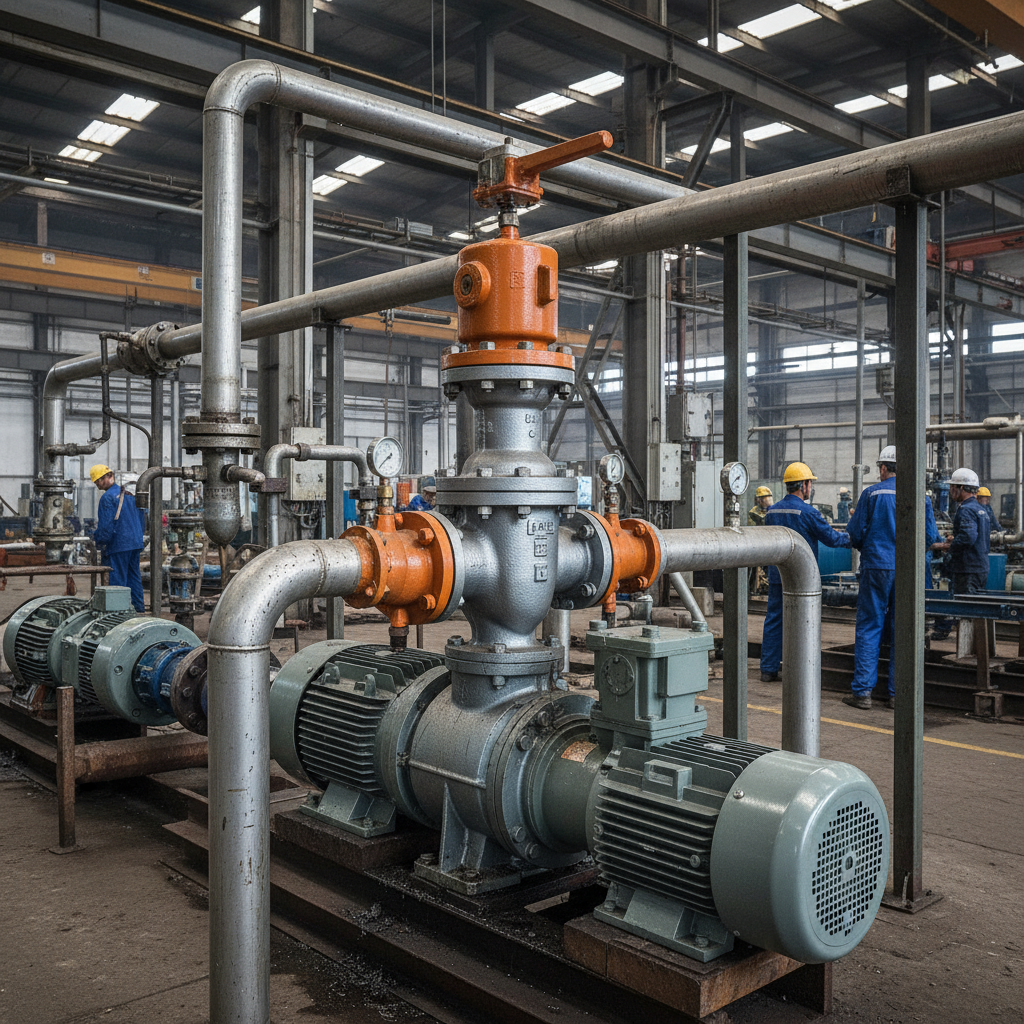
Understanding di air valve: A Practical Overview
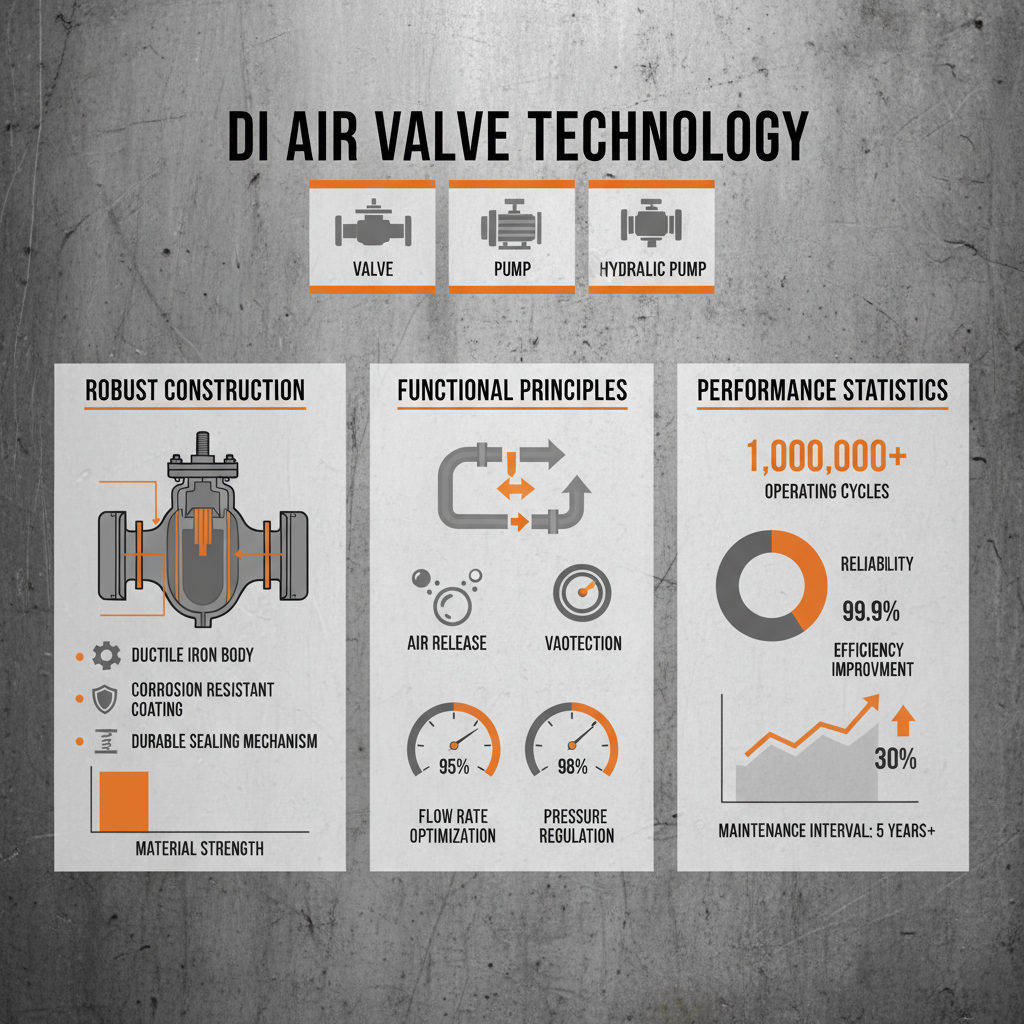
From a boots-on-the-ground perspective, a di air valve is all about reliable control of air flow. It’s what lets us operate pneumatic tools, automate processes, and maintain consistent pressure in systems. It might sound simple, but the impact is huge. A poorly performing valve can lead to inefficiencies, downtime, and even safety hazards. I've seen a lot of frustration caused by valves that leak, stick, or just plain fail when you need them most.
Good di air valve construction means durability, responsiveness, and minimal maintenance. That translates directly into fewer headaches for the crews and better productivity overall. It’s about choosing a valve that can withstand the harsh conditions of a construction site – dust, dirt, vibration, and temperature fluctuations.
FAQS
The biggest mistake is focusing solely on price. Cheaper valves often use inferior materials and manufacturing processes, leading to premature failure and costly downtime. It’s crucial to consider the application, pressure requirements, and environmental conditions before making a decision. Investing in a higher-quality valve upfront can save you a lot of headaches in the long run. Look for certifications and reputable brands, and don’t be afraid to ask for technical specifications.
Regular inspection and maintenance are critical for ensuring reliable performance. I recommend visual inspections at least monthly, checking for leaks, corrosion, and damage. Annual preventative maintenance, including lubrication and seal replacement, is also essential. Keeping a detailed maintenance log can help you track valve performance and identify potential issues before they become major problems. Ignoring maintenance is a recipe for disaster.
Common causes include contamination, corrosion, excessive pressure, and mechanical wear. Dust, dirt, and debris can damage valve seals and internal components. Corrosion can weaken materials and lead to leaks. Exceeding the valve’s pressure rating can cause catastrophic failure. And over time, moving parts simply wear out. Proper filtration, regular cleaning, and adherence to operating specifications can help prevent these failures.
Absolutely. For harsh environments like those with corrosive chemicals or extreme temperatures, stainless steel valves are a must. For applications requiring high precision, proportional valves offer more precise control. For high-flow applications, larger diameter valves are needed. It’s essential to select a valve that’s specifically designed to withstand the conditions it will be exposed to. Ignoring this can lead to rapid failure and costly repairs.
Determining the correct size requires considering the flow rate, pressure drop, and system requirements. You’ll need to calculate the required orifice size based on these factors. There are online calculators and engineering resources available to help with this. It's also important to factor in future expansion and potential changes in system requirements. An undersized valve will restrict flow, while an oversized valve can lead to instability.
Solenoid valves are electrically operated valves that control the flow of air. They are often used in automated systems to remotely switch air flow on or off. They act as the "brains" of the operation, responding to signals from controllers or sensors. They’re incredibly versatile and widely used in pneumatic systems across all industries, providing quick and reliable control.
Conclusion
Ultimately, the humble di air valve is a critical component in countless applications, from construction sites to industrial facilities and beyond. Its reliability, durability, and precise control directly impact productivity, safety, and profitability. Choosing the right valve, investing in regular maintenance, and staying abreast of the latest innovations are all essential for maximizing its long-term value.
Looking ahead, the integration of smart technologies and a focus on sustainability will continue to drive innovation in the di air valve space. By embracing these advancements, we can build more efficient, reliable, and environmentally responsible systems. For more information and to explore our range of high-quality valves, visit our website: www.valve-cable.com.
Related Posts
-

The Crucial Role of Accessories in Enhancing Product Functionality and Longevity
-
Exploring the Critical Role of Gate Valve NRS in Modern Infrastructure
-
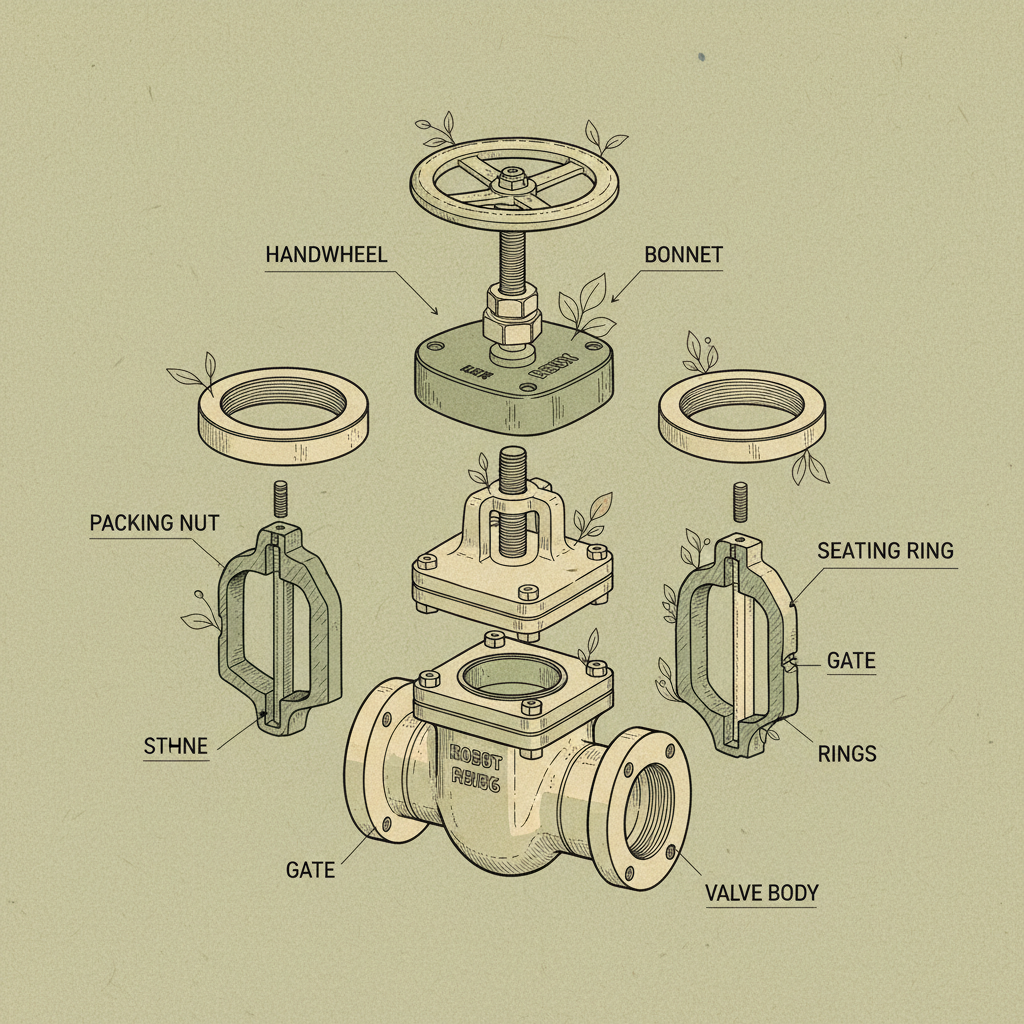
Practical Considerations for Gate Valve Selection and Long Term Reliability
-
Exploring High Performance Butterfly Valve Technology and Industrial Applications