Mar . 10, 2026 02:05 Back to list
Understanding the 2 Butterfly Valve Price Landscape and Key Factors
Understanding the 2 Butterfly Valve Price Landscape
When sourcing components for fluid control systems, understanding the 2 butterfly valve price is critical for project budgeting and overall cost-effectiveness. This guide will delve into the factors influencing pricing, typical price ranges, and where to find competitive options. A thorough understanding of these elements will empower you to make informed decisions. Butterfly valves are widely used in various industries due to their efficiency and relative simplicity, and finding a balance between quality and affordability is key.
Key Factors Affecting 2 Butterfly Valve Price
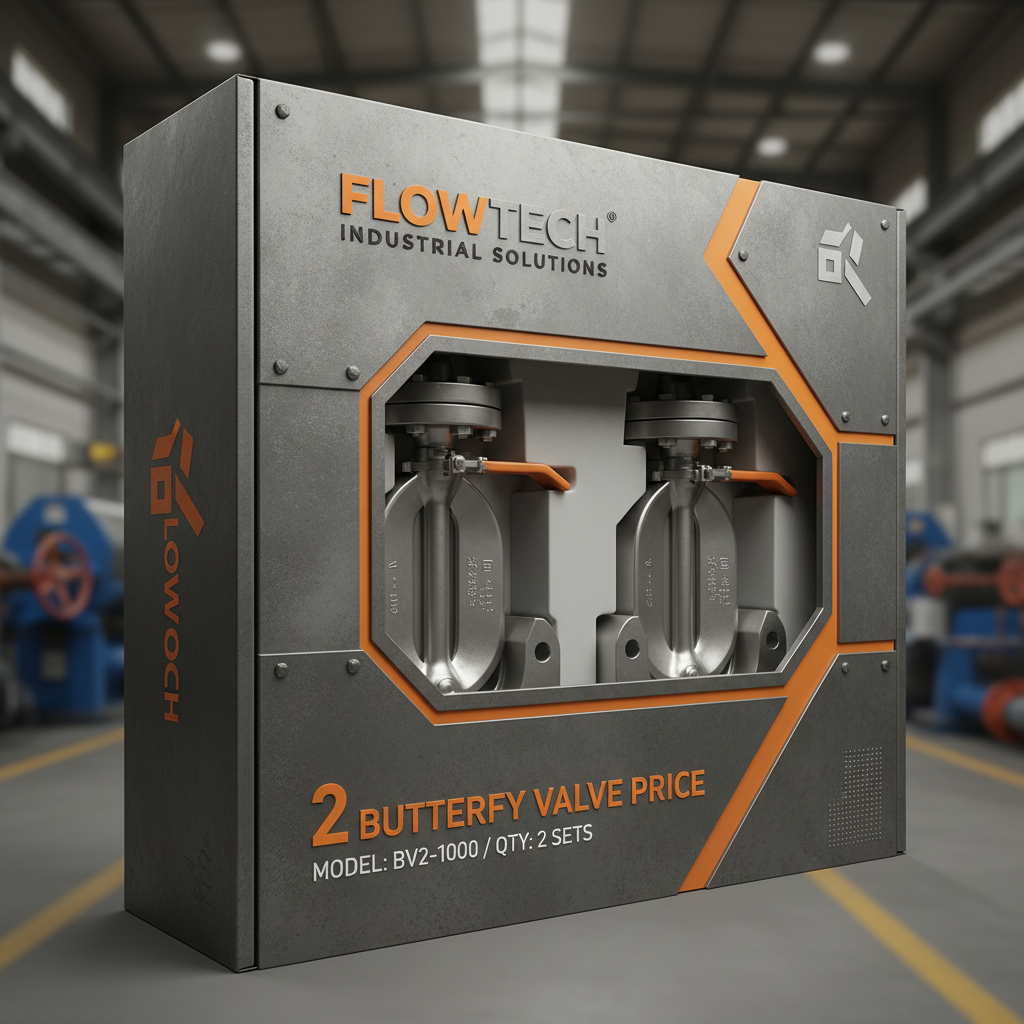
Several factors contribute to the final price of a 2-inch butterfly valve. Material is a primary driver; valves constructed from stainless steel (304, 316) will naturally be more expensive than those made from cast iron or PVC. The type of disc material (e.g., stainless steel, brass, PTFE-lined) also impacts cost. Valve actuation type – manual, pneumatic, or electric – significantly changes the price. Electric actuators are typically the most expensive. Furthermore, pressure ratings, certifications (e.g., ISO, API), and the manufacturer's brand reputation all influence the price. Finally, order quantity plays a role, with larger orders often qualifying for discounts. Understanding these variables is essential for accurate cost estimation.
Key Highlights: Material selection, actuation type, pressure rating, and certifications are the major factors affecting the price of a 2-inch butterfly valve.
Typical Price Ranges for 2 Butterfly Valves
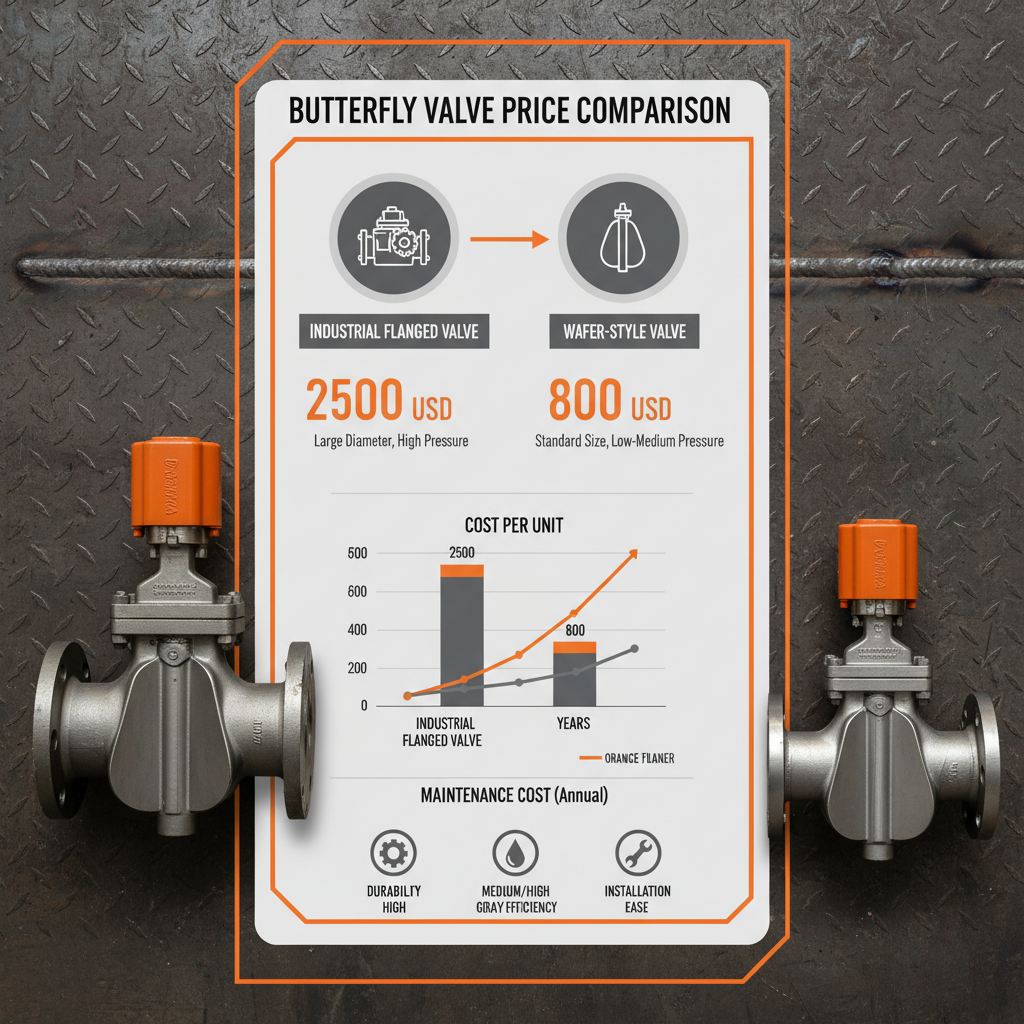
The 2 butterfly valve price can vary significantly. Here's a general overview (USD):
Comparing Prices from Different Suppliers
Obtaining quotes from multiple suppliers is vital to secure the best possible price. Consider both domestic and international sources, such as Valve-Cable.com and other established manufacturers and distributors. Compare not only the price but also the shipping costs, lead times, and warranty terms. Beware of significantly lower prices, as they might indicate lower quality materials or unreliable manufacturing processes.
The Impact of Volume Discounts on 2 Butterfly Valve Price
Bulk purchases often result in substantial discounts. Valve suppliers typically offer tiered pricing, where the price per valve decreases as the order quantity increases. If you anticipate needing multiple valves, negotiating a volume discount can lead to significant savings. It’s beneficial to forecast your requirements accurately and consolidate your orders whenever possible.
Conclusion: Finding the Right 2 Butterfly Valve for Your Budget
Determining the optimal 2 butterfly valve price requires careful consideration of material, actuation, quantity, and supplier selection. By understanding these factors and proactively seeking quotes, you can ensure a cost-effective and reliable solution for your fluid control needs.
Frequently Asked Questions (FAQs)
What is the typical lead time for a 2-inch butterfly valve order?
Lead times vary depending on the supplier's inventory and the valve's configuration. Standard valves in common materials often have a lead time of 1-2 weeks. However, customized valves or those requiring specific certifications can take 4-8 weeks or longer. It's crucial to confirm the lead time with the supplier before placing your order, especially for time-sensitive projects. Factors like the current global supply chain situation can also impact delivery times.
What certifications should I look for when purchasing a 2-inch butterfly valve?
The required certifications depend on your application and industry regulations. Common certifications include ISO 9001 (quality management), API 609 (butterfly valve standards), and specific certifications for materials used (e.g., FDA compliance for food and beverage applications). Ensure the valve meets the necessary safety and performance standards for your intended use. Verify the certification is current and issued by a reputable organization.
What are the advantages of stainless steel butterfly valves over cast iron?
Stainless steel butterfly valves offer superior corrosion resistance compared to cast iron, making them ideal for applications involving corrosive fluids or harsh environments. They also generally have a longer lifespan and require less maintenance. While stainless steel valves are more expensive upfront, their durability and reliability can result in lower long-term costs. Cast iron valves are suitable for non-corrosive applications where cost is a primary concern.
Share
Latest news
-
Understanding the 6 butterfly valve price Industrial Buying GuideNewsApr.16,2026
-
Analyzing the 50mm Butterfly Valve Price and Buyer GuideNewsApr.09,2026
-
Comprehensive Guide to 40mm Butterfly Valve Price Factors and Quality ConsiderationsNewsApr.07,2026
-
Comprehensive Guide to 4 Inch Sluice Valve Price and Key Selection FactorsNewsApr.04,2026
-
Comprehensive Guide to 4 Butterfly Valve Price Factors and Ranges in 2024NewsMar.31,2026
-
Comprehensive Guide to 300mm Butterfly Valve Price and Industrial ApplicationsNewsMar.28,2026
 English
  Afrikaans
  Albanian
  Amharic
  Arabic
  Armenian
  Azerbaijani
  Basque
  Belarusian
  Bengali
  Bosnian
  Bulgarian
  Catalan
  Cebuano
  China
China  China (Taiwan)
  Corsican
  Croatian
  Czech
Czech  Danish
  Dutch
Dutch  Esperanto
  Estonian
  Finnish
  French
  Frisian
  Galician
  Georgian
  German
  Greek
Greek  Gujarati
  Haitian Creole
  Hausa
Hausa  Hawaiian
  Hebrew
  Hindi
Hindi  Miao
Miao  Hungarian
  Icelandic
  Igbo
Igbo  Indonesian
  Irish
Irish  Italian
  Japanese
  Javanese
  Kannada
  Kazakh
  Khmer
Khmer  Rwandese
  Korean
  Kurdish
  Kyrgyz
  Lao
Lao  Latin
Latin  Latvian
  Lithuanian
  Luxembourgish
  Macedonian
  Malgashi
  Malay
Malay  Malayalam
  Maltese
  Maori
Maori  Marathi
  Mongolian
  Myanmar
  Nepali
  Norwegian
  Norwegian
  Occitan
  Pashto
  Persian
  Polish
  Portuguese
  Punjabi
  Romanian
  Russian
  Samoan
  Scottish Gaelic
  Serbian
  Sesotho
  Shona
Shona  Sindhi
  Sinhala
  Slovak
  Slovenian
  Somali
  Spanish
  Sundanese
  Swahili
  Swedish
  Tajik
Tajik  Tamil
Tamil  Tatar
Tatar  Telugu
  Thai
Thai  Turkish
  Turkmen
  Ukrainian
  Urdu
Urdu  Uighur
  Uzbek
Uzbek  Vietnamese
  Welsh
Welsh  Bantu
Bantu  Yiddish
  Yoruba
  Zulu
Zulu