Mar . 19, 2026 02:05 Back to list
Understanding the 24 Butterfly Valve Price Landscape and Key Factors
Understanding the 24 Butterfly Valve Price Landscape
When sourcing components for fluid control systems, the 24 butterfly valve price is a critical factor for businesses. This article provides an in-depth look at the pricing considerations, factors influencing cost, and how to find competitive options. Understanding these aspects is essential for effective procurement, ensuring project budgets are met without compromising on quality. We’ll explore the various elements impacting price, different types of valves, and where to find reliable suppliers.
Key Factors Influencing 24 Butterfly Valve Price
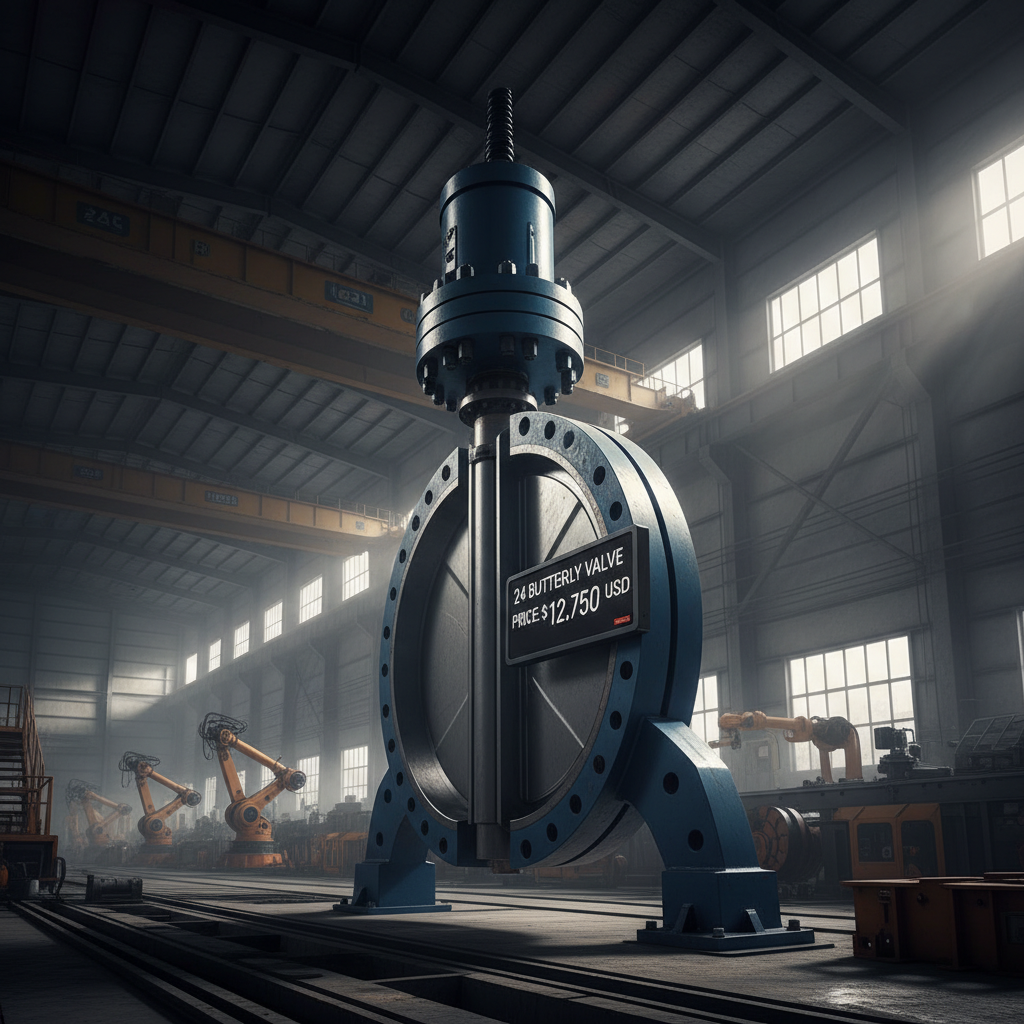
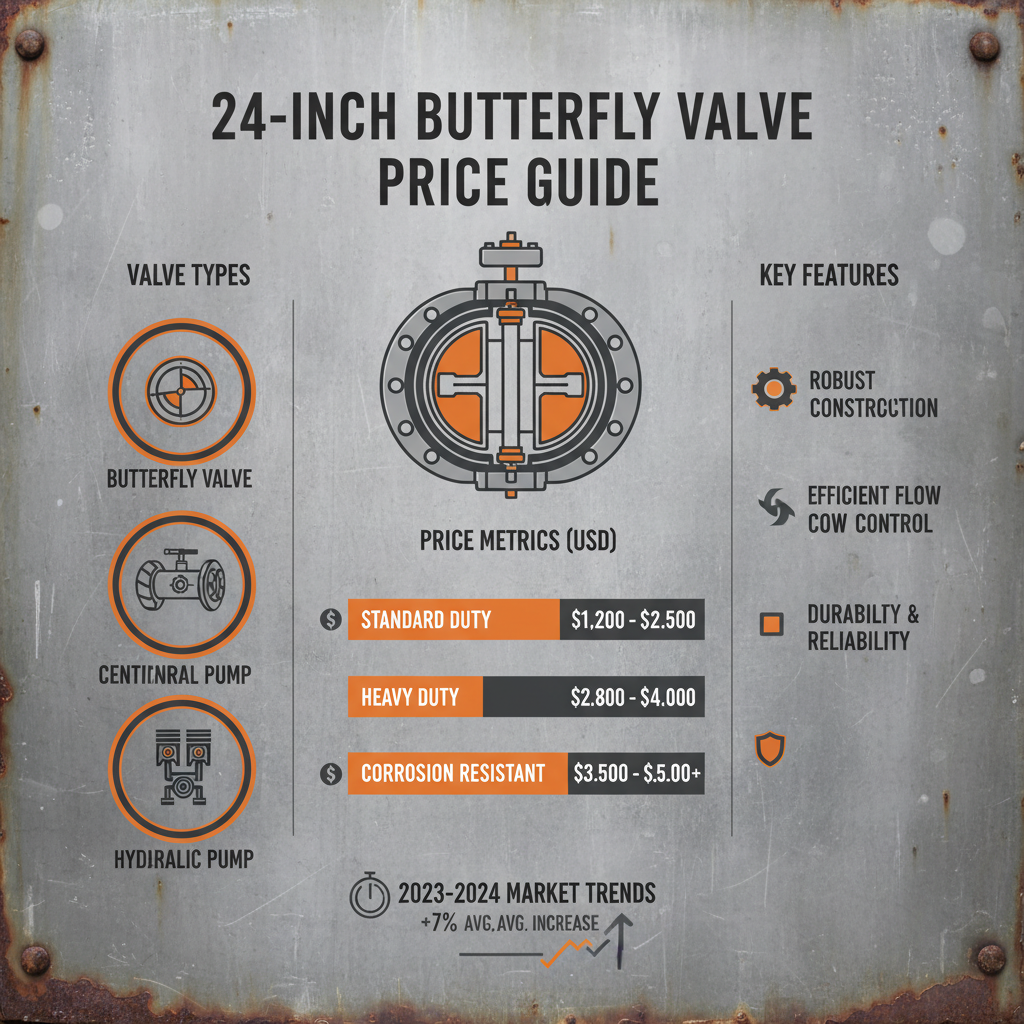
The price of a 24-inch butterfly valve is influenced by a multitude of factors. Material selection plays a significant role; stainless steel valves are generally more expensive than ductile iron or carbon steel options due to their corrosion resistance and durability. The valve’s pressure rating also impacts cost – higher pressure valves require more robust construction and therefore command a higher price. Manufacturing processes, such as casting vs. forging, and the complexity of the internal components (disc design, seat materials) further contribute to the final price. Finally, the supplier's location, brand reputation, and order volume can all affect the overall cost. Don't forget to factor in potential shipping costs and import duties, especially when sourcing internationally.
Key Highlights: Material, Pressure Rating, Manufacturing Process, Supplier Reputation, Shipping costs and import duties all greatly influence the price.
A Detailed Look at Material Costs & Their Impact on Price
Material selection is paramount. Let’s breakdown common materials and their typical price implications. Ductile iron offers a good balance of strength and cost-effectiveness, making it a popular choice for many applications. Carbon steel is even more affordable but offers less corrosion resistance. Stainless steel (304, 316) provides superior corrosion protection, especially in harsh environments, but carries a significantly higher price tag. Exotic alloys like Hastelloy or Monel are used in extremely corrosive applications and represent the highest cost option. The seat material (EPDM, PTFE, Buna-N) also affects price, with PTFE generally being more expensive due to its chemical inertness and high-temperature resistance.
Material Price Comparison:
• Ductile Iron: Moderate Cost
• Carbon Steel: Lowest Cost
• Stainless Steel (304/316): High Cost
• Exotic Alloys: Very High Cost
24 Inch Butterfly Valve Price: Comparing Valve Types
Within the 24-inch butterfly valve category, several types exist, each with different price points. Lug-type butterfly valves are easier to install and maintain but generally cost more than wafer-type valves. Flange-type valves offer the highest level of security and are typically the most expensive. High-performance butterfly valves, designed for tight shut-off and demanding applications, come at a premium. The type of actuator (manual, pneumatic, electric) also significantly impacts the final price. A manual valve will be the most affordable, while an electric actuator adds substantial cost. Valve-Cable offers a wide range of these options.
Finding the Best 24 Butterfly Valve Price: Supplier Considerations
Sourcing from reputable suppliers is crucial. Look for companies with a proven track record, quality certifications (ISO 9001, for example), and responsive customer support. Consider both domestic and international suppliers, but factor in shipping costs, lead times, and potential import duties. Request quotes from multiple vendors to compare prices and negotiate better terms. Be sure to specify your exact requirements (material, pressure rating, type, actuator) when requesting quotes to ensure accurate comparisons. Don't only focus on the lowest price; consider the overall value proposition, including quality, reliability, and after-sales service.
Understanding Quotations and Negotiating Effectively
When reviewing quotes for a 24 butterfly valve, carefully examine the details. Ensure the quote includes all necessary components (valve, actuator, flanges, gaskets) and specifies the material grades and pressure ratings. Pay attention to the payment terms, lead time, and shipping costs. Don’t hesitate to negotiate. If you are placing a large order, you may be able to secure a volume discount. Building a long-term relationship with a supplier can also lead to favorable pricing. Remember, a lower price doesn’t always mean a better deal; focus on finding the optimal balance between cost, quality, and reliability.
Conclusion: Smart Procurement for Optimal Value
Understanding the factors that influence the 24 butterfly valve price is crucial for making informed purchasing decisions. By carefully considering material selection, valve type, supplier reputation, and negotiation strategies, businesses can secure high-quality valves at competitive prices. Investing in reliable valves is essential for ensuring the efficiency and safety of your fluid control systems.
Frequently Asked Questions (FAQs)
What is the typical lead time for a 24-inch butterfly valve?
Lead times can vary significantly depending on the valve type, material, and supplier. Standard valves in common materials may have a lead time of 2-4 weeks. However, valves with specific configurations or exotic materials may require 6-12 weeks or longer. It's crucial to confirm the lead time with the supplier before placing your order, especially for time-sensitive projects. Factors like current manufacturing capacity and shipping distances also impact delivery times.
Are there any hidden costs associated with purchasing a 24-inch butterfly valve?
Beyond the valve's base price, several potential hidden costs can arise. Shipping and handling charges, import duties (for international purchases), and any necessary installation costs should be considered. Additionally, the cost of compatible accessories, such as actuators, flanges, and gaskets, can add to the overall expense. Be sure to request a detailed breakdown of all costs from the supplier to avoid unexpected surprises.
What factors should I consider when choosing a butterfly valve supplier?
When selecting a supplier, prioritize their reputation, experience, and quality certifications (like ISO 9001). Check their references and read customer reviews. Ensure they offer competitive pricing and transparent quotes. Assess their ability to meet your specific requirements, including material specifications, pressure ratings, and delivery timelines. Responsive customer support and after-sales service are also crucial considerations. Valve-Cable provides excellent support in this area.
What is the difference between a wafer and lug type butterfly valve, in terms of cost and installation?
Wafer-type butterfly valves are generally less expensive due to their simpler design. They require bolting between two flanges and use gaskets for sealing. Lug-type valves are more expensive because they have lugs that allow for installation without flange alignment, simplifying maintenance. Installation is generally faster and easier with lug-type valves, reducing labor costs, even though the initial cost of the valve is higher.
Share
Latest news
-
Understanding the 6 butterfly valve price Industrial Buying GuideNewsApr.16,2026
-
Analyzing the 50mm Butterfly Valve Price and Buyer GuideNewsApr.09,2026
-
Comprehensive Guide to 40mm Butterfly Valve Price Factors and Quality ConsiderationsNewsApr.07,2026
-
Comprehensive Guide to 4 Inch Sluice Valve Price and Key Selection FactorsNewsApr.04,2026
-
Comprehensive Guide to 4 Butterfly Valve Price Factors and Ranges in 2024NewsMar.31,2026
-
Comprehensive Guide to 300mm Butterfly Valve Price and Industrial ApplicationsNewsMar.28,2026
 English
  Afrikaans
  Albanian
  Amharic
  Arabic
  Armenian
  Azerbaijani
  Basque
  Belarusian
  Bengali
  Bosnian
  Bulgarian
  Catalan
  Cebuano
  China
China  China (Taiwan)
  Corsican
  Croatian
  Czech
Czech  Danish
  Dutch
Dutch  Esperanto
  Estonian
  Finnish
  French
  Frisian
  Galician
  Georgian
  German
  Greek
Greek  Gujarati
  Haitian Creole
  Hausa
Hausa  Hawaiian
  Hebrew
  Hindi
Hindi  Miao
Miao  Hungarian
  Icelandic
  Igbo
Igbo  Indonesian
  Irish
Irish  Italian
  Japanese
  Javanese
  Kannada
  Kazakh
  Khmer
Khmer  Rwandese
  Korean
  Kurdish
  Kyrgyz
  Lao
Lao  Latin
Latin  Latvian
  Lithuanian
  Luxembourgish
  Macedonian
  Malgashi
  Malay
Malay  Malayalam
  Maltese
  Maori
Maori  Marathi
  Mongolian
  Myanmar
  Nepali
  Norwegian
  Norwegian
  Occitan
  Pashto
  Persian
  Polish
  Portuguese
  Punjabi
  Romanian
  Russian
  Samoan
  Scottish Gaelic
  Serbian
  Sesotho
  Shona
Shona  Sindhi
  Sinhala
  Slovak
  Slovenian
  Somali
  Spanish
  Sundanese
  Swahili
  Swedish
  Tajik
Tajik  Tamil
Tamil  Tatar
Tatar  Telugu
  Thai
Thai  Turkish
  Turkmen
  Ukrainian
  Urdu
Urdu  Uighur
  Uzbek
Uzbek  Vietnamese
  Welsh
Welsh  Bantu
Bantu  Yiddish
  Yoruba
  Zulu
Zulu