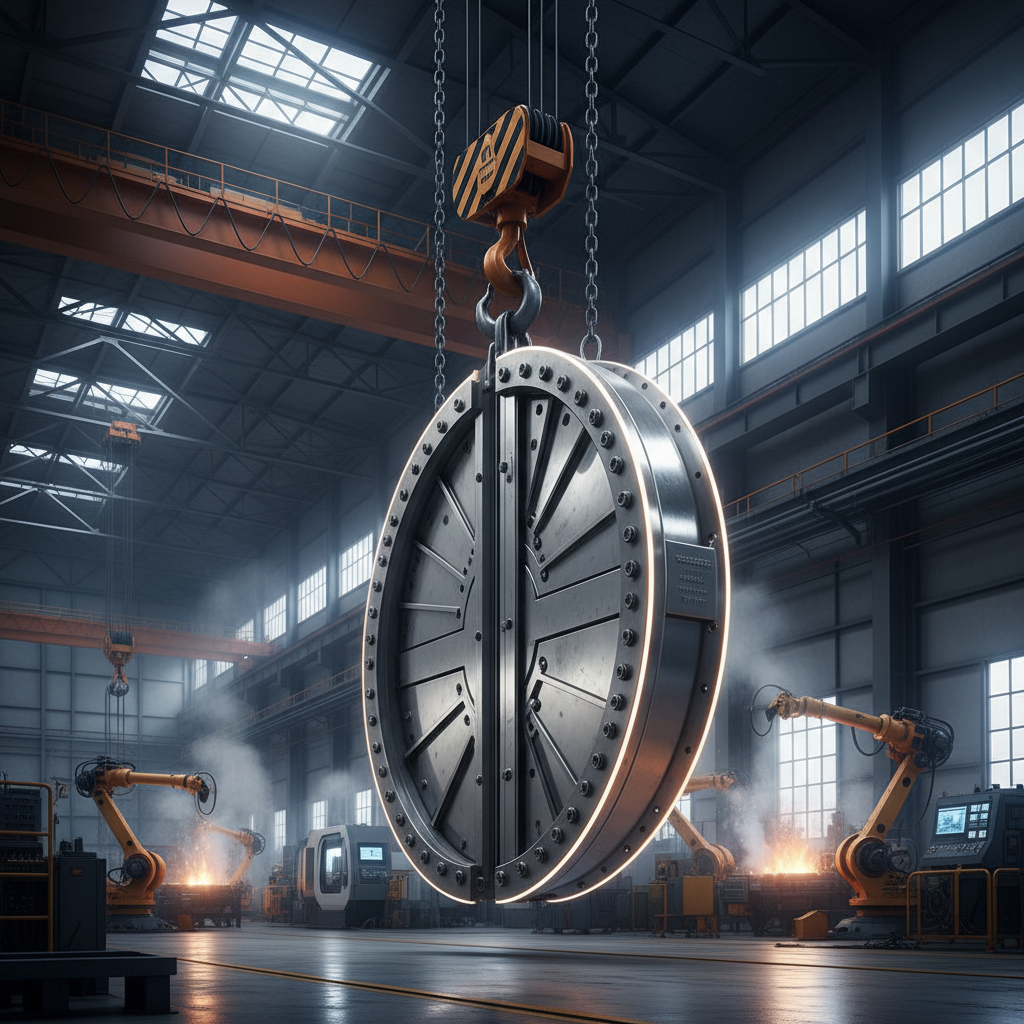
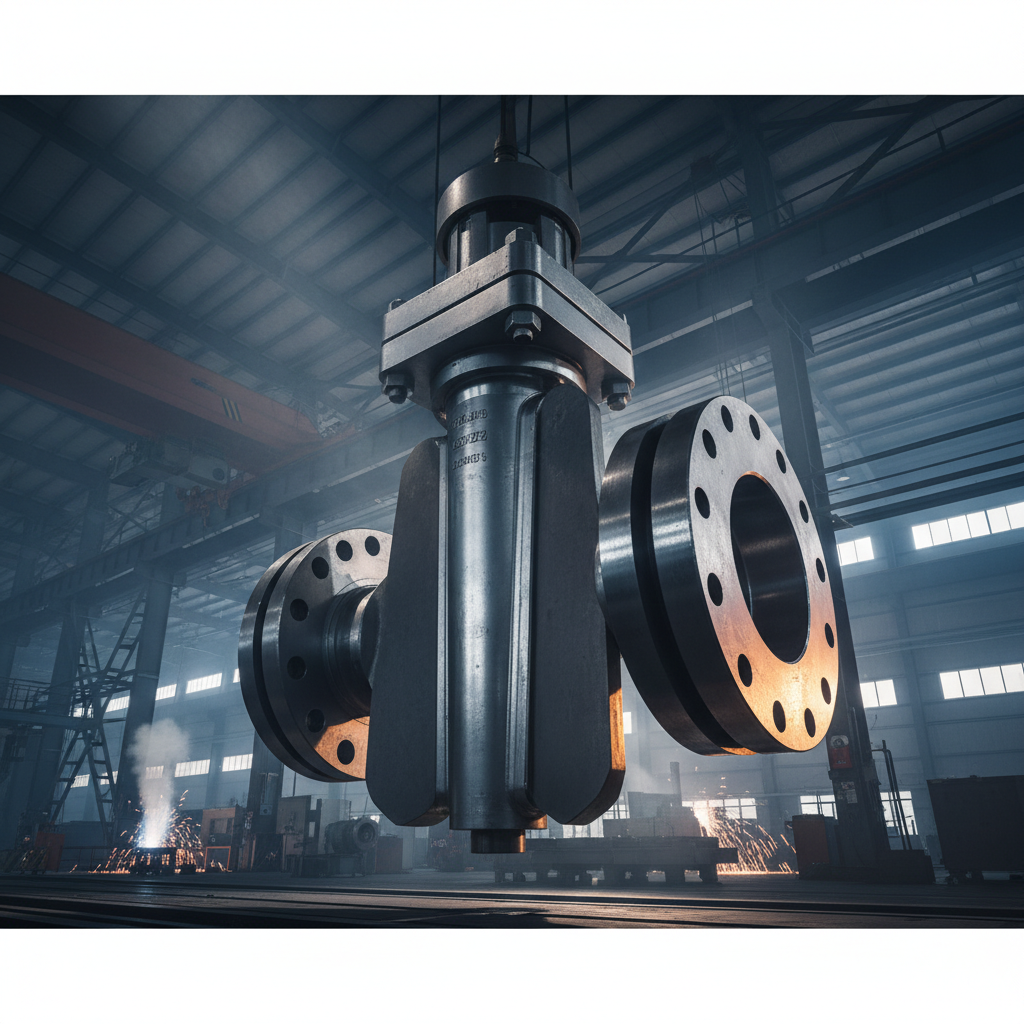
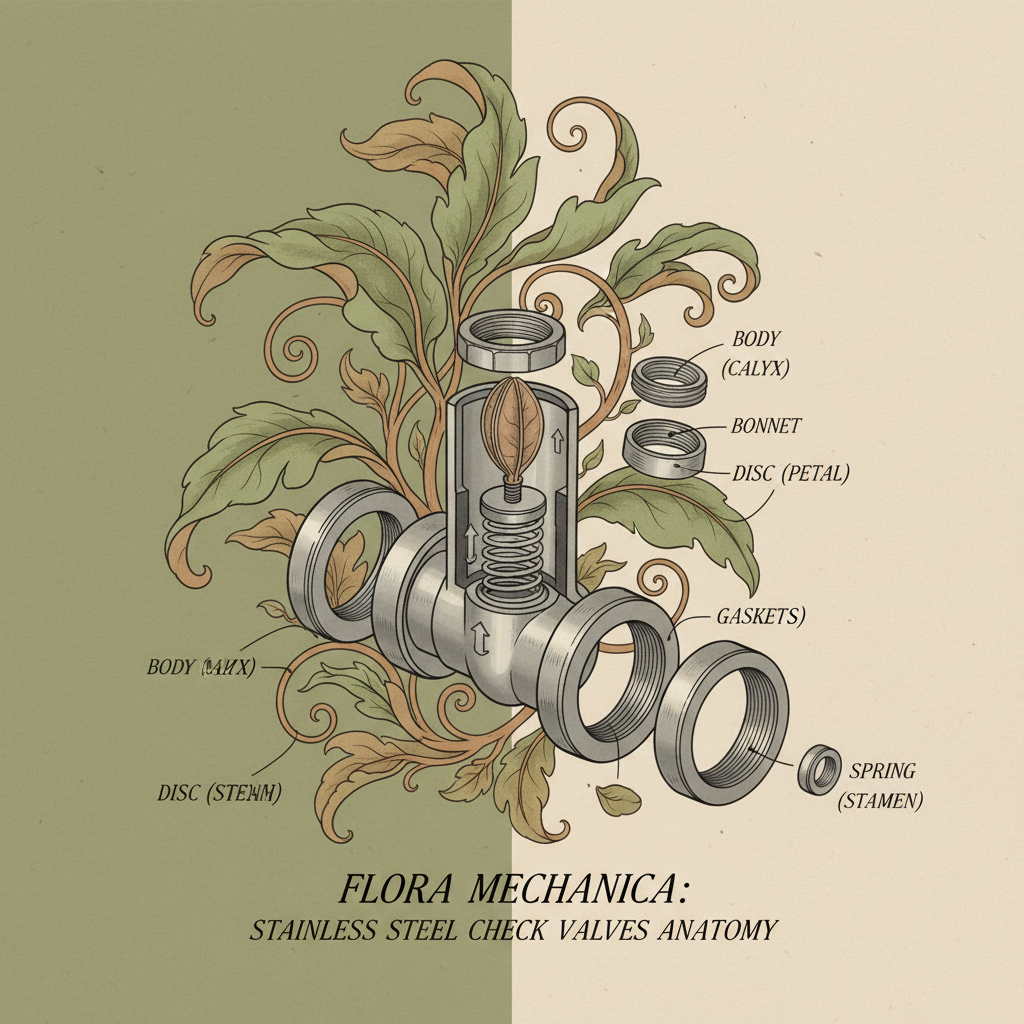
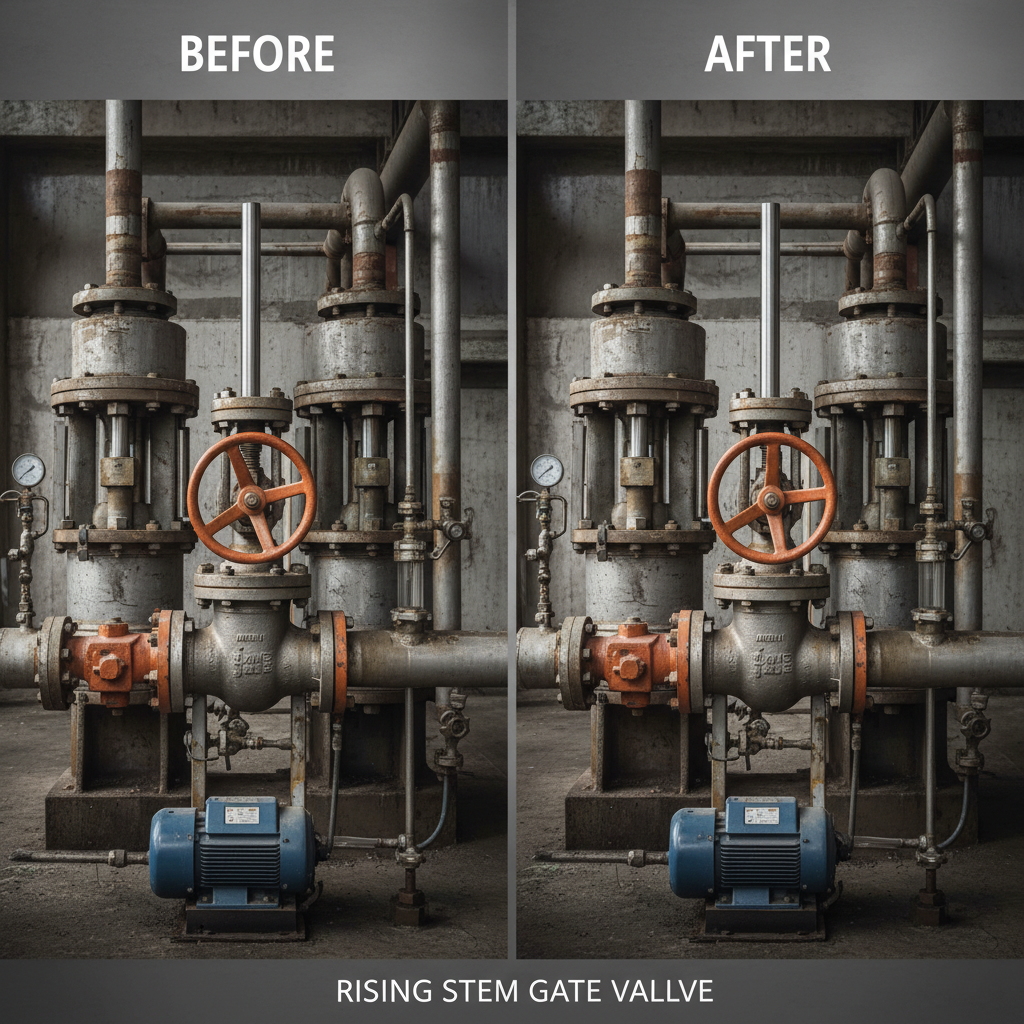
Lug type butterfly valves are critical components in fluid handling systems across a multitude of industries, offering a reliable and cost-effective solution for flow control. Their design, characterized by a disc rotating within a resiliently lined body and secured with lug connections, makes them particularly well-suited for applications requiring frequent maintenance and easy installation. Understanding the intricacies of these valves—from material selection to operational considerations—is paramount for engineers, technicians, and procurement specialists alike. The global demand for efficient and robust valve technologies continues to rise, driving innovation and refinement in the design and manufacturing of lug type butterfly valves.
The proliferation of infrastructure projects, particularly in emerging economies, coupled with increasing environmental regulations mandating precise flow control and leak prevention, fuels the growth of the butterfly valve market. Furthermore, the inherent advantages of lug type valves, such as simplified maintenance procedures and the ability to easily replace liners, contributes to reduced lifecycle costs. This makes them an attractive option when compared to other valve types. The consistent advancements in polymer technology are expanding the range of applications where lug type butterfly valves provide an optimal solution.
The efficacy of these valves doesn’t simply lie in their functionality; it's also in their adaptability. From potable water distribution to chemical processing, and even to wastewater treatment, lug type butterfly valves demonstrate a versatile performance profile. Their widespread adoption is a testament to their proven reliability and ability to meet the demanding requirements of diverse industrial processes, directly impacting operational efficiency and safety across various sectors.
Introduction to Lug Type Butterfly Valves
Lug type butterfly valves distinguish themselves through a unique mounting arrangement utilizing lugs integrated into the valve’s body. These lugs facilitate easy installation and removal, often requiring only two bolts per lug. This contrasts with wafer-style valves which require long bolts through the entire pipeline, significantly streamlining maintenance procedures and minimizing downtime. The design directly addresses the need for accessibility in critical industrial applications.
Furthermore, the lug design allows for bidirectional shut-off capabilities, offering enhanced safety and operational flexibility. They’re particularly valuable in systems where space constraints are a concern, or where frequent valve servicing is required. This combination of practical advantages makes lug type butterfly valves a frequently specified component in diverse industrial settings where efficient flow control is paramount.
Global Relevance and Market Dynamics
The global market for butterfly valves, including the lug type variety, is substantial and projected to continue its growth trajectory. According to recent reports, the market was valued at approximately USD 7.8 billion in 2023 and is anticipated to reach USD 11.2 billion by 2030, exhibiting a CAGR of 5.3% during the forecast period. This expansion is primarily driven by infrastructure development, urbanization, and increasing demand for efficient water and wastewater management solutions, particularly in Asia-Pacific and the Middle East.
The demand for lug type butterfly valves is particularly pronounced in industries like chemical processing, pharmaceuticals, and oil and gas, where stringent safety standards and reliable performance are non-negotiable. Growing awareness of water conservation and energy efficiency also contributes to the adoption of these valves in water treatment plants and power generation facilities. Addressing the challenges of aging infrastructure in developed nations represents another significant market opportunity.
The increasing stringency of environmental regulations – notably ISO 14001 and similar international standards – necessitates the use of valves that minimize leakage and ensure precise flow control. Lug type butterfly valves, when properly selected and maintained, align with these requirements, contributing to sustainable and responsible industrial practices. This regulatory pressure further boosts the demand for high-quality valve solutions.
Defining Lug Type Butterfly Valves
A lug type butterfly valve is a quarter-turn rotational motion valve used to regulate or isolate flow. Unlike wafer-style valves which rely on the pipeline bolts for support, lug type valves have their own lugs on the valve body. These lugs are designed to be bolted directly to a flange, eliminating the need to support the valve between flanges during installation or maintenance. This simplifies the process and reduces potential stress on the valve and pipeline.
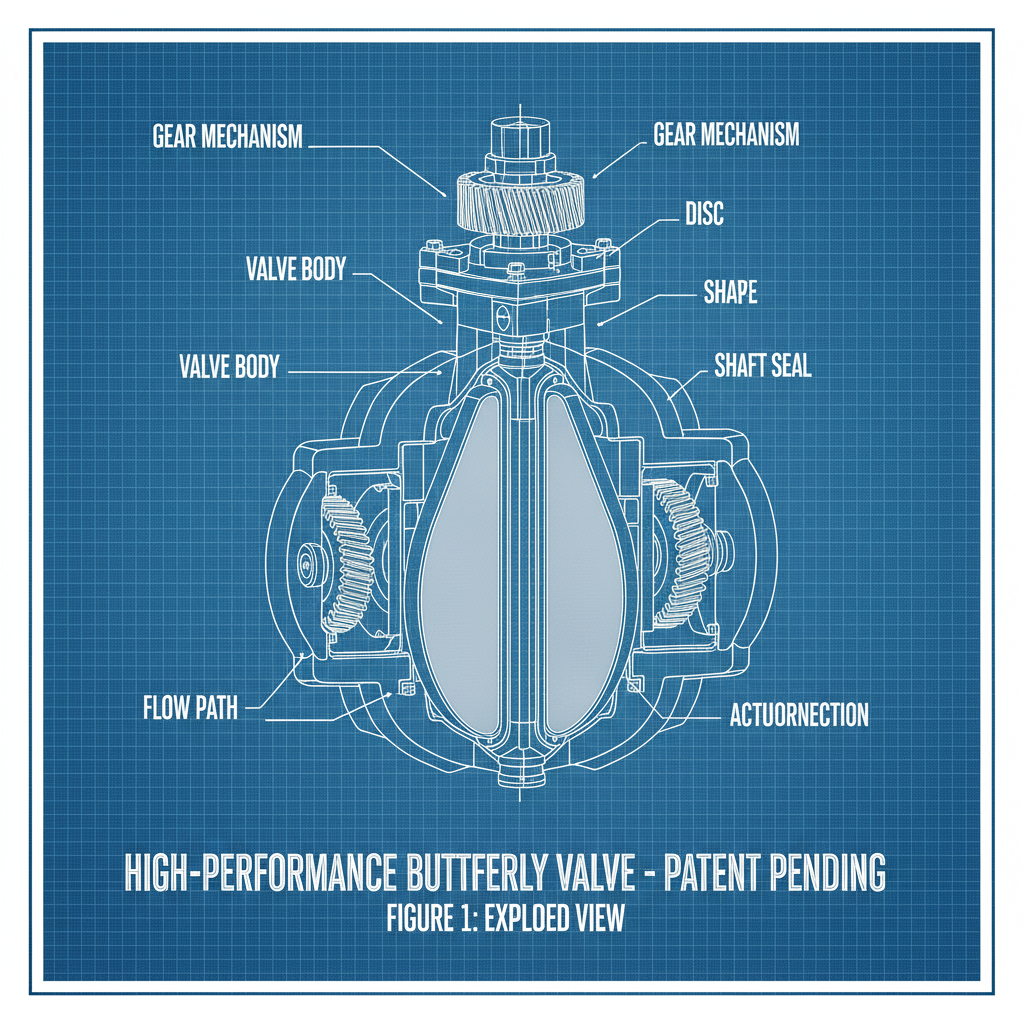
The core component of a lug type butterfly valve is the disc, which rotates perpendicular to the flow. When fully open, the disc is oriented parallel to the flow path, offering minimal obstruction. When closed, the disc rotates 90 degrees, blocking the flow. The disc is typically coated with a resilient material, such as EPDM or PTFE, to ensure a tight seal and prevent leakage. The valve body itself is often constructed from materials like cast iron, stainless steel, or ductile iron, chosen for their strength and corrosion resistance.
The connection between this valve type and modern industry extends beyond simple flow control. Its modular design and ease of maintenance directly contribute to increased plant uptime and reduced operational costs. Furthermore, the adaptability of lug type butterfly valves to various fluid types and pressures makes them vital in numerous critical processes, from managing potable water supplies to controlling the flow of corrosive chemicals. This ensures that vital resource management is maintained.
Key Characteristics and Components
Lug type butterfly valves are renowned for several key characteristics. First, their inherent Durability is derived from the robust construction of the valve body and the high-quality materials used in the disc and seat. This ensures long-term reliability even in harsh operating environments. Secondly, Scalability is a significant advantage, as these valves are available in a wide range of sizes and pressure ratings, accommodating various pipeline diameters and flow requirements.
A third crucial aspect is Cost Efficiency. Compared to other valve types, lug type butterfly valves often offer a lower initial cost and reduced maintenance expenses. The simplified installation and servicing procedures contribute to these cost savings. Their ease of maintenance also translates to reduced downtime. Another key factor is Ease of Maintenance. The lug design allows for quick removal and replacement of the valve without disrupting the entire pipeline system, minimizing downtime and maintenance costs.
Lug Type Butterfly Valve Performance Metrics
Applications Across Industries
Lug type butterfly valves find widespread application across a diverse range of industries. In Water and Wastewater Treatment, they regulate flow in distribution networks, pumping stations, and treatment processes, ensuring efficient and reliable delivery of potable water. The chemical industry utilizes them for controlling the flow of corrosive and hazardous materials, where their robust construction and leak-tight sealing are crucial.
In the Oil and Gas sector, lug type butterfly valves are employed in pipelines, refineries, and offshore platforms to manage the flow of crude oil, natural gas, and refined products. Their ability to withstand high pressures and temperatures makes them ideal for these demanding applications. Furthermore, the pharmaceutical industry leverages these valves for precise control in sterile processes, guaranteeing product purity and regulatory compliance.
In remote industrial zones, where access for maintenance can be challenging, the lug design simplifies valve replacement, minimizing downtime and associated costs. This is also true for post-disaster relief operations, where quick deployment and easy repair are critical.
Advantages and Long-Term Value
The tangible benefits of employing lug type butterfly valves extend beyond immediate cost savings. The enhanced reliability directly translates to reduced downtime and increased operational efficiency, boosting overall profitability. The simplified maintenance procedures lower long-term maintenance costs, providing a significant return on investment. Moreover, the ability to readily replace valve liners extends the valve's service life, further contributing to long-term value.
From a sustainability standpoint, the reduced energy consumption associated with minimized pressure drop contributes to a smaller environmental footprint. The safety features inherent in the lug design and reliable sealing reduce the risk of leaks and spills, protecting both personnel and the environment. Ultimately, lug type butterfly valves instill trust and confidence in critical process control, ensuring the safety and efficiency of operations.
Future Trends and Innovations
The future of lug type butterfly valve technology is poised for exciting advancements, driven by trends in digital transformation and sustainability. Smart valves equipped with sensors and communication capabilities will enable remote monitoring, predictive maintenance, and automated control, maximizing operational efficiency and reducing unplanned downtime. Furthermore, the adoption of advanced materials, such as high-performance polymers and corrosion-resistant alloys, will expand the range of applications and extend valve lifespan.
The integration of 3D printing technologies is also promising, potentially enabling customized valve designs tailored to specific application requirements. Furthermore, greater emphasis will be placed on developing environmentally friendly valve designs with reduced carbon footprints, aligning with the global shift towards green energy and sustainable industrial practices.
Analysis of Lug Type Butterfly Valve Innovation Areas
| Innovation Area |
Impact on Efficiency |
Implementation Complexity |
Potential ROI |
| Smart Sensors Integration |
High (Predictive Maintenance) |
Medium |
8/10 |
| Advanced Polymer Liners |
Medium (Increased Corrosion Resistance) |
Low |
7/10 |
| 3D Printed Valve Bodies |
High (Customization, Reduced Weight) |
High |
9/10 |
| Automated Actuator Systems |
Medium (Precision Control) |
Medium |
7/10 |
| Digital Twin Integration |
High (Real-time Monitoring & Simulation) |
High |
8/10 |
| Self-Cleaning Valve Designs |
Medium (Reduced Maintenance) |
Medium |
6/10 |
FAQS
The primary difference lies in the mounting mechanism. Wafer valves require long bolts to pass through the entire pipeline for installation, whereas lug type valves have integrated lugs allowing bolting directly to flanges. This simplifies maintenance, as lug valves can be removed without disturbing the pipeline. Lug valves also offer bidirectional shut-off, unlike many wafer valves. The lug design lends itself to higher pressures and more robust performance.
Common materials include cast iron, ductile iron, stainless steel (304, 316), and various polymers for the disc and seat (EPDM, PTFE, Viton). The choice depends on the fluid being handled, the operating temperature, and the required corrosion resistance. Stainless steel is favored for aggressive chemicals, while ductile iron offers good strength and cost-effectiveness for water applications.
Lug type butterfly valves are widely used in water treatment plants for controlling flow in raw water intake, clarification, filtration, and distribution systems. They are suitable for regulating flows in pumping stations, and for isolation purposes during maintenance. Their robust design and reliable sealing make them ideal for handling potable water and wastewater efficiently and safely.
Accurate sizing requires considering the pipeline diameter, flow rate, and fluid characteristics. The pressure rating must exceed the maximum operating pressure of the system with a suitable safety factor. Consulting valve sizing charts, utilizing flow calculation software, and referring to industry standards (like ANSI/API standards) are crucial steps. Always verify compatibility with the fluid and temperature.
Regular inspection of the disc, seat, and actuator is recommended. Periodic lubrication of the actuator and inspection of the lug bolts for tightness are essential. The seat may require replacement over time due to wear and tear. A preventive maintenance schedule should be established to ensure long-term reliable operation. lug type butterfly valve offers comprehensive maintenance guides.
While some lug type butterfly valves can handle elevated temperatures, it’s crucial to select valves specifically designed for high-temperature service. Material selection is critical; stainless steel and specific polymer linings are required to withstand the thermal stress and maintain sealing integrity. Check the manufacturer's specifications for temperature limits and ensure compatibility with the fluid.
Conclusion
In conclusion, lug type butterfly valves represent a versatile and reliable solution for flow control across a wide spectrum of industries. Their inherent advantages – simplified maintenance, ease of installation, robust construction, and cost-effectiveness – make them a preferred choice for numerous applications. The continued evolution of materials and smart technologies promises further enhancements in performance, efficiency, and sustainability.
Looking ahead, embracing innovations like digital twin integration and automated actuation systems will unlock even greater potential for optimizing valve performance and reducing operational costs. Investing in high-quality lug type butterfly valves and implementing a proactive maintenance strategy is crucial for ensuring long-term reliability, safety, and environmental responsibility. To learn more about our comprehensive range of lug type butterfly valves and find the optimal solution for your specific needs, visit our website: www.valve-cable.com.