


Apr . 04, 2026 02:05 Back to list
Comprehensive Guide to 4 Inch Sluice Valve Price and Key Selection Factors
Understanding 4 Inch Sluice Valve Price and Key Considerations
When sourcing 4 inch sluice valves for industrial applications, understanding the price structure and influencing factors is crucial. This article provides a comprehensive overview of what affects the 4 inch sluice valve price, material choices, key features, and where to find reliable suppliers. We'll cover everything from basic material costs to specialized design considerations, empowering you to make an informed purchasing decision. Selecting the right valve ensures efficient and reliable flow control in your systems.
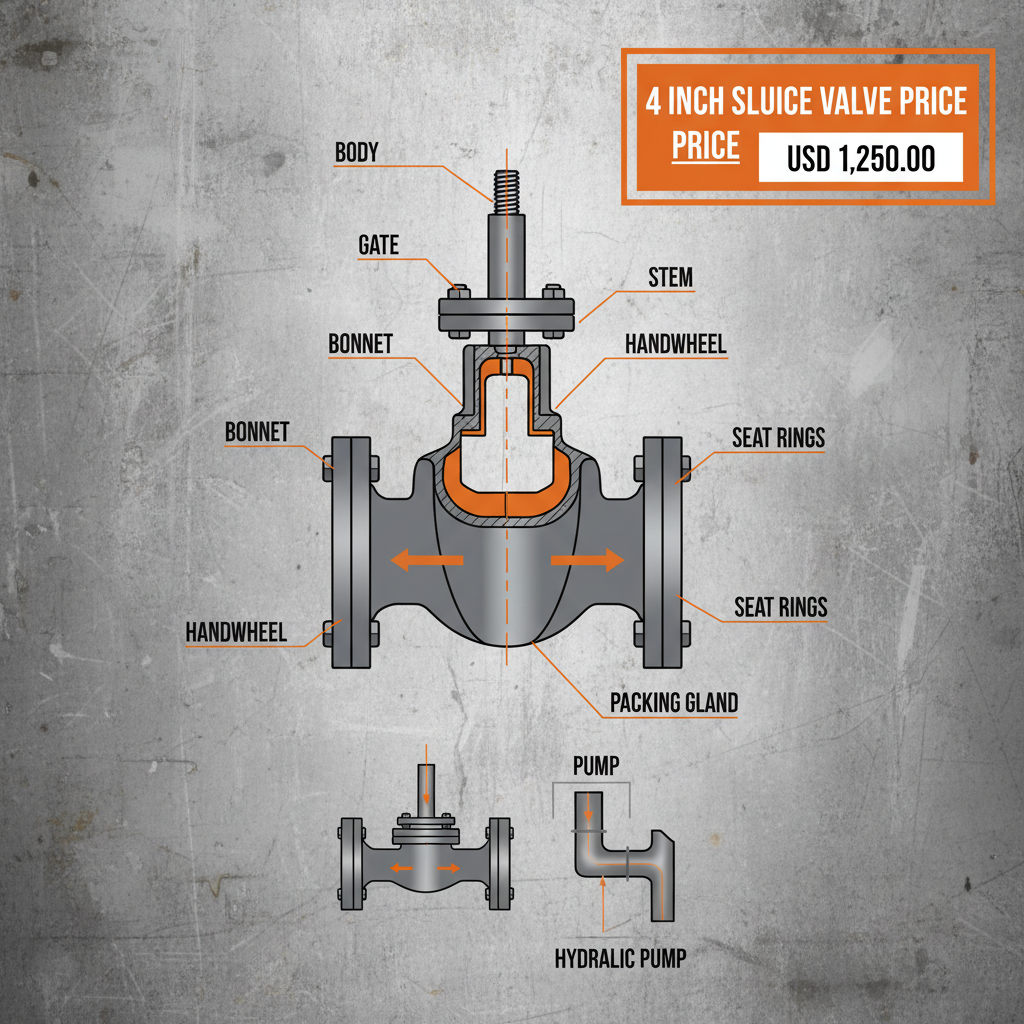
Factors Influencing 4 Inch Sluice Valve Price
Several factors contribute to the overall 4 inch sluice valve price. The primary driver is the material used in construction. Cast iron is generally more affordable, while stainless steel (304, 316) and alloy steel options command higher prices due to their corrosion resistance and durability. Manufacturing complexity, including the precision of the gate and seat, also plays a significant role. Furthermore, certifications (e.g., ISO, API) and the reputation of the manufacturer can influence cost. Finally, the order volume and supplier location will impact pricing due to shipping and potential bulk discounts.
Key Price Drivers: Material grade, Manufacturing Complexity, Certifications, Supplier Reputation, Order Quantity.
Material Options and Their Impact on Cost
The material of a 4 inch sluice valve directly impacts its performance and price. Cast iron valves are the most economical choice, suitable for non-corrosive applications with moderate temperatures and pressures. Ductile iron offers improved strength and ductility compared to gray cast iron, but at a slightly higher cost. Stainless steel (304/316) provides excellent corrosion resistance, making it ideal for harsh environments and chemical processing, but significantly increases the price. Alloy steel valves offer high strength and temperature resistance and are used in demanding applications, resulting in the highest price point. Choosing the right material is a balance between cost, performance requirements, and environmental conditions.
Material Comparison:
• Cast Iron: Lowest Cost, Limited Corrosion Resistance
• Ductile Iron: Moderate Cost, Improved Strength
• Stainless Steel (304/316): High Cost, Excellent Corrosion Resistance
• Alloy Steel: Highest Cost, High Strength & Temperature Resistance
Price Comparison: 4 Inch Sluice Valves by Material
The following table provides a general price range for 4 inch sluice valves based on different materials. These prices are estimates and can vary based on specific configurations, supplier, and order quantity. It’s vital to obtain quotes from multiple vendors to get the most competitive pricing. The prices listed are USD.
Choosing a Reliable Supplier: Valve-Cable.com
Selecting a reputable supplier is vital for ensuring quality, reliability, and competitive pricing. Valve-Cable.com is a leading provider of industrial valves, offering a wide range of 4 inch sluice valves in various materials and configurations. We pride ourselves on delivering high-quality products, competitive pricing, and excellent customer service. Our team can assist you in selecting the optimal valve for your specific application and provide detailed technical specifications. We also offer customized solutions to meet unique requirements.
Key Features to Look for in a 4 Inch Sluice Valve
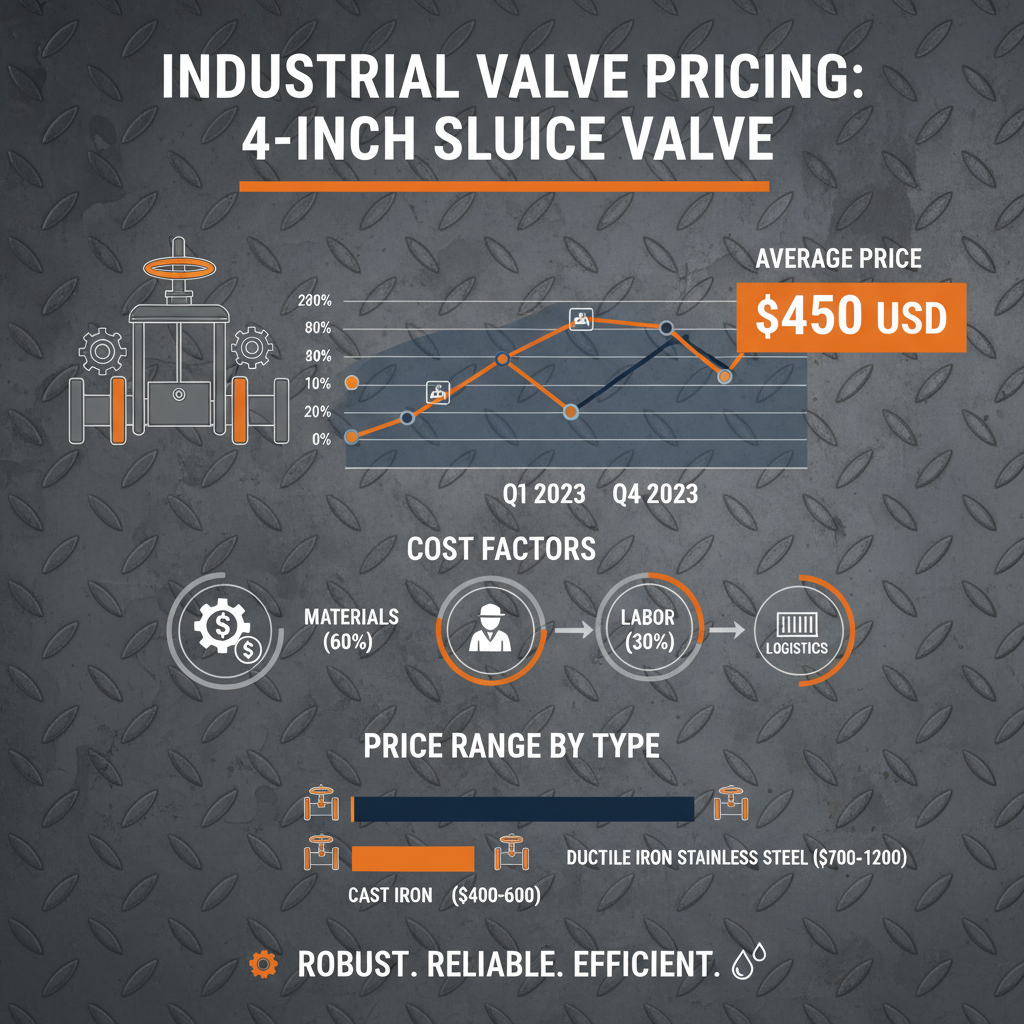
When evaluating 4 inch sluice valves, consider these key features: Gate Material: Ensure compatibility with the fluid being handled. Seat Material: Look for a tight seal to prevent leakage. Body Construction: Solid construction for durability and pressure resistance. Actuation Type: Manual, pneumatic, or electric options depending on automation needs. Certifications: Confirm compliance with relevant industry standards. Corrosion Resistance: Choose a material that can withstand the operating environment. These features will contribute to the valve's long-term performance and reliability.
Conclusion: Finding the Right 4 Inch Sluice Valve
Understanding the factors that influence 4 inch sluice valve price is crucial for making an informed decision. By carefully considering material options, supplier reputation, and key features, you can secure a valve that meets your specific needs and budget. Valve-Cable.com provides high-quality valves, expert advice, and competitive pricing. Choose the right valve for optimal flow control and long-term reliability.
Frequently Asked Questions (FAQs)
What is the typical lead time for a 4 inch sluice valve order?
Lead times can vary depending on the material, quantity, and current production schedule. Generally, standard valves in common materials like cast iron have a lead time of 2-4 weeks. Stainless steel or alloy steel valves, or customized configurations, may have lead times of 6-8 weeks or longer. Contacting Valve-Cable.com directly will provide a precise estimate for your specific order requirements. We strive to minimize lead times without compromising quality.
What certifications should I look for when purchasing a 4 inch sluice valve?
Common certifications for industrial valves include ISO 9001 (quality management), API 600 (flanged steel gate valves), and CE marking (European conformity). These certifications demonstrate that the valve has been manufactured to meet specific industry standards for quality, performance, and safety. Ensure the valve you purchase has the appropriate certifications for your application and regulatory requirements. Valve-Cable.com provides valves with relevant certifications.
Can Valve-Cable.com provide customized 4 inch sluice valve solutions?
Yes, Valve-Cable.com offers customized valve solutions to meet specific application requirements. This includes modifications to materials, dimensions, actuation types, and connection configurations. Our engineering team can work with you to design and manufacture a valve tailored to your precise needs. Contact us to discuss your customization requirements.
What is the difference between a resilient seated gate valve and a traditional sluice valve?
A traditional sluice valve utilizes a metal-to-metal seal, while a resilient seated gate valve employs an elastomeric seat to achieve a tighter shutoff. Resilient seated valves are often preferred for potable water applications and fluids where minimal leakage is crucial. While traditional sluice valves are more robust for higher pressures and temperatures, resilient seated valves provide better sealing performance at lower pressures. The Valve-Cable.com team can help you determine which type is best suited for your specific application.
Share
Latest news
-
Understanding the 6 butterfly valve price Industrial Buying GuideNewsApr.16,2026
-
Analyzing the 50mm Butterfly Valve Price and Buyer GuideNewsApr.09,2026
-
Comprehensive Guide to 40mm Butterfly Valve Price Factors and Quality ConsiderationsNewsApr.07,2026
-
Comprehensive Guide to 4 Butterfly Valve Price Factors and Ranges in 2024NewsMar.31,2026
-
Comprehensive Guide to 300mm Butterfly Valve Price and Industrial ApplicationsNewsMar.28,2026
 English
  Afrikaans
  Albanian
  Amharic
  Arabic
  Armenian
  Azerbaijani
  Basque
  Belarusian
  Bengali
  Bosnian
  Bulgarian
  Catalan
  Cebuano
  China
China  China (Taiwan)
  Corsican
  Croatian
  Czech
Czech  Danish
  Dutch
Dutch  Esperanto
  Estonian
  Finnish
  French
  Frisian
  Galician
  Georgian
  German
  Greek
Greek  Gujarati
  Haitian Creole
  Hausa
Hausa  Hawaiian
  Hebrew
  Hindi
Hindi  Miao
Miao  Hungarian
  Icelandic
  Igbo
Igbo  Indonesian
  Irish
Irish  Italian
  Japanese
  Javanese
  Kannada
  Kazakh
  Khmer
Khmer  Rwandese
  Korean
  Kurdish
  Kyrgyz
  Lao
Lao  Latin
Latin  Latvian
  Lithuanian
  Luxembourgish
  Macedonian
  Malgashi
  Malay
Malay  Malayalam
  Maltese
  Maori
Maori  Marathi
  Mongolian
  Myanmar
  Nepali
  Norwegian
  Norwegian
  Occitan
  Pashto
  Persian
  Polish
  Portuguese
  Punjabi
  Romanian
  Russian
  Samoan
  Scottish Gaelic
  Serbian
  Sesotho
  Shona
Shona  Sindhi
  Sinhala
  Slovak
  Slovenian
  Somali
  Spanish
  Sundanese
  Swahili
  Swedish
  Tajik
Tajik  Tamil
Tamil  Tatar
Tatar  Telugu
  Thai
Thai  Turkish
  Turkmen
  Ukrainian
  Urdu
Urdu  Uighur
  Uzbek
Uzbek  Vietnamese
  Welsh
Welsh  Bantu
Bantu  Yiddish
  Yoruba
  Zulu
Zulu