Mar . 11, 2026 02:05 Back to list
Comprehensive Guide to 2 Inch Butterfly Valve Price and Key Selection Factors
Understanding 2 Inch Butterfly Valve Price and Key Considerations
When sourcing 2 inch butterfly valves, understanding the price fluctuations and factors influencing cost is crucial for informed purchasing decisions. This article provides a comprehensive overview of 2 inch butterfly valve pricing, exploring the various elements that contribute to the overall expense, and offering insights into maximizing value for your investment. We’ll cover material choices, manufacturing processes, and where to find reliable suppliers like Valve-Cable.com.
Factors Influencing the 2 Inch Butterfly Valve Price
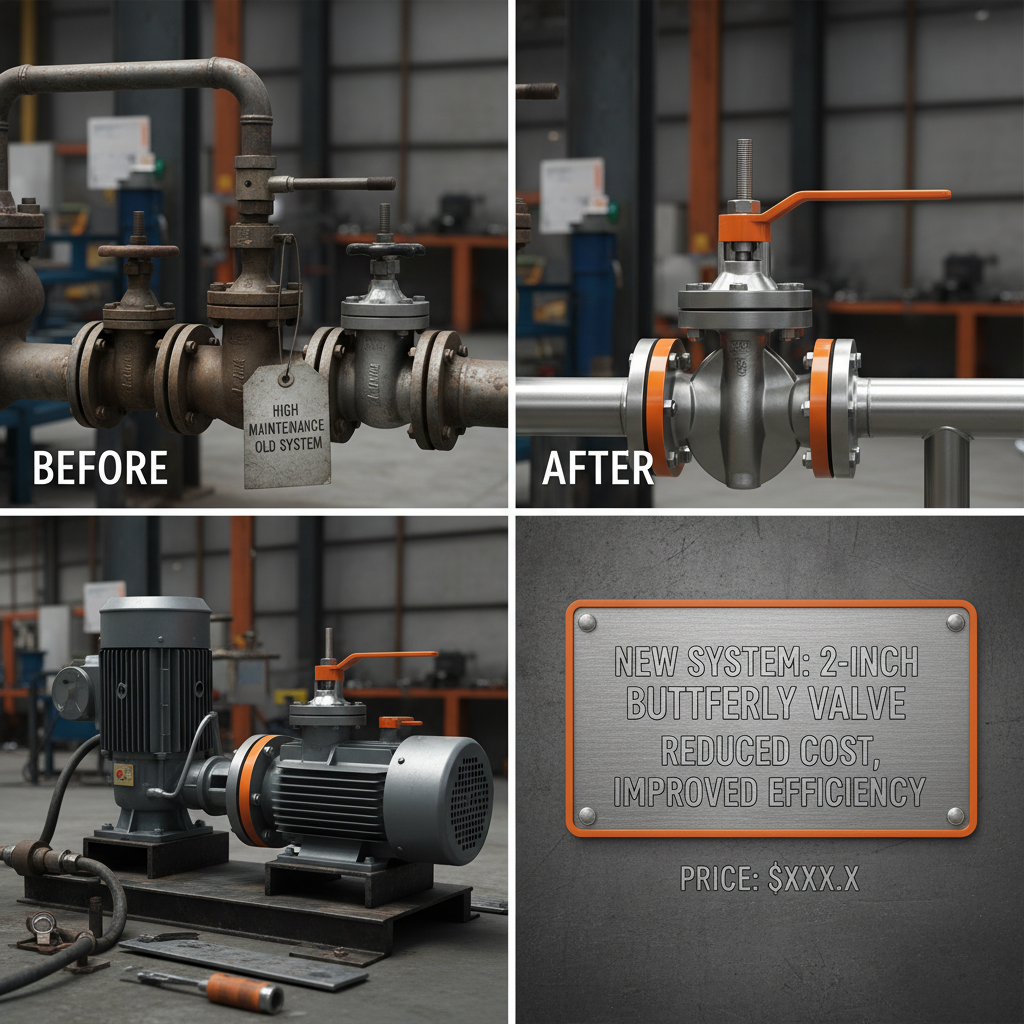
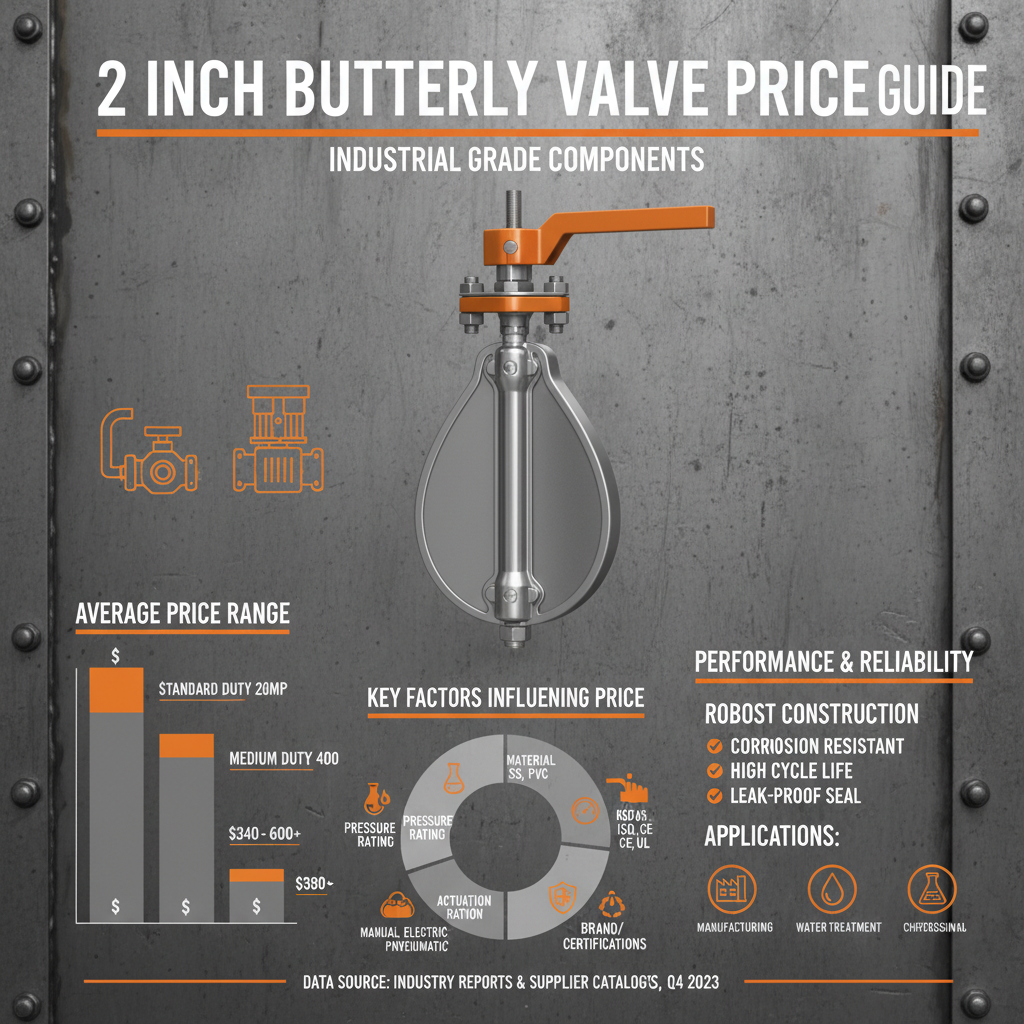
The price of a 2 inch butterfly valve isn't fixed; it’s a dynamic figure influenced by several key factors. The primary driver is the material of construction. Valves made from stainless steel (SS304, SS316) are significantly more expensive than those crafted from cast iron or ductile iron due to the superior corrosion resistance and durability of stainless steel. Another important aspect is the valve's intended application. Valves designed for high-pressure or extreme temperature environments demand more robust materials and construction techniques, therefore commanding a higher price. Furthermore, the manufacturer’s reputation and quality control processes also impact the cost, with established brands often charging a premium for their reliability and performance. Finally, geographic location and market demand play a role, with prices varying based on shipping costs and supply/demand dynamics.
Key Highlights: Material selection, application requirements, manufacturer reputation, and market conditions are the primary factors influencing 2 inch butterfly valve prices.
Material Comparison and Price Ranges
Choosing the right material is critical. Cast iron valves are the most affordable, typically ranging from $50 to $150. Ductile iron valves offer improved strength and corrosion resistance, with prices between $80 and $250. Stainless steel (SS304) valves provide excellent corrosion protection and are priced around $150 to $400. For highly corrosive environments, SS316 stainless steel is preferred, with prices ranging from $200 to $500 or more. The cost also increases with specialized coatings or linings (e.g., PTFE, epoxy) for enhanced chemical resistance. Considering the long-term cost of ownership, investing in a higher-quality material can often be more economical, minimizing maintenance and replacement costs.
Material Cost Breakdown:
• Cast Iron: $50 - $150
• Ductile Iron: $80 - $250
• Stainless Steel (SS304): $150 - $400
• Stainless Steel (SS316): $200 - $500+
2 Inch Butterfly Valve Price: A Comparative Analysis
Comparing different suppliers is essential. Direct manufacturers, like Valve-Cable.com, often offer competitive pricing by eliminating intermediary costs. Distributors typically add a markup, but may provide convenience and faster delivery. Importing from overseas can potentially lower costs, but consider shipping fees, import duties, and potential quality control issues. Always request quotes from multiple vendors, outlining your specific requirements (material, pressure rating, connection type) to ensure accurate comparisons.
Choosing the Right Valve for Your Application
Beyond price, consider the specific requirements of your application. Factors such as the fluid being handled, operating temperature, pressure levels, and connection type (flanged, wafer, lug) will dictate the appropriate valve type and material. For instance, corrosive fluids necessitate stainless steel or valves with specialized linings. High-pressure applications require valves with robust construction and pressure ratings. Properly specifying your needs will ensure you select a valve that delivers reliable performance and longevity. Valve-Cable.com offers expert guidance to help you select the optimal valve for your particular application.
Conclusion: Making an Informed Decision
Determining the 2 inch butterfly valve price requires careful consideration of various factors. By understanding the impact of material, application, supplier, and specific requirements, you can make an informed decision that balances cost-effectiveness with performance and reliability. Partnering with a reputable supplier like Valve-Cable.com ensures you receive high-quality valves at competitive prices, backed by expert support. Don't compromise on quality; invest in a valve that will provide years of dependable service.
Frequently Asked Questions (FAQs)
What is the typical lead time for a 2 inch butterfly valve order?
Lead times can vary depending on the valve's specifications and the supplier's inventory levels. Standard valves are typically in stock and can ship within 3-5 business days. Customized valves or those requiring specific materials may have lead times of 2-4 weeks. It’s always best to confirm lead times with the supplier before placing your order. Valve-Cable.com provides accurate lead time estimates during the quotation process.
What connection types are available for 2 inch butterfly valves?
Common connection types include wafer, lug, and flanged. Wafer valves are the most economical and are suitable for low-pressure applications. Lug valves provide a more secure connection and are easier to install. Flanged valves are designed for high-pressure and high-temperature applications, offering maximum structural integrity. The best connection type depends on the specific requirements of your piping system.
Do you offer any warranties on your 2 inch butterfly valves?
Yes, Valve-Cable.com provides a standard warranty against defects in materials and workmanship. The warranty period typically ranges from 12 months to 24 months, depending on the valve type and application. We stand behind the quality of our products and are committed to providing excellent customer support.
Share
Latest news
-
Understanding the 6 butterfly valve price Industrial Buying GuideNewsApr.16,2026
-
Analyzing the 50mm Butterfly Valve Price and Buyer GuideNewsApr.09,2026
-
Comprehensive Guide to 40mm Butterfly Valve Price Factors and Quality ConsiderationsNewsApr.07,2026
-
Comprehensive Guide to 4 Inch Sluice Valve Price and Key Selection FactorsNewsApr.04,2026
-
Comprehensive Guide to 4 Butterfly Valve Price Factors and Ranges in 2024NewsMar.31,2026
-
Comprehensive Guide to 300mm Butterfly Valve Price and Industrial ApplicationsNewsMar.28,2026
 English
  Afrikaans
  Albanian
  Amharic
  Arabic
  Armenian
  Azerbaijani
  Basque
  Belarusian
  Bengali
  Bosnian
  Bulgarian
  Catalan
  Cebuano
  China
China  China (Taiwan)
  Corsican
  Croatian
  Czech
Czech  Danish
  Dutch
Dutch  Esperanto
  Estonian
  Finnish
  French
  Frisian
  Galician
  Georgian
  German
  Greek
Greek  Gujarati
  Haitian Creole
  Hausa
Hausa  Hawaiian
  Hebrew
  Hindi
Hindi  Miao
Miao  Hungarian
  Icelandic
  Igbo
Igbo  Indonesian
  Irish
Irish  Italian
  Japanese
  Javanese
  Kannada
  Kazakh
  Khmer
Khmer  Rwandese
  Korean
  Kurdish
  Kyrgyz
  Lao
Lao  Latin
Latin  Latvian
  Lithuanian
  Luxembourgish
  Macedonian
  Malgashi
  Malay
Malay  Malayalam
  Maltese
  Maori
Maori  Marathi
  Mongolian
  Myanmar
  Nepali
  Norwegian
  Norwegian
  Occitan
  Pashto
  Persian
  Polish
  Portuguese
  Punjabi
  Romanian
  Russian
  Samoan
  Scottish Gaelic
  Serbian
  Sesotho
  Shona
Shona  Sindhi
  Sinhala
  Slovak
  Slovenian
  Somali
  Spanish
  Sundanese
  Swahili
  Swedish
  Tajik
Tajik  Tamil
Tamil  Tatar
Tatar  Telugu
  Thai
Thai  Turkish
  Turkmen
  Ukrainian
  Urdu
Urdu  Uighur
  Uzbek
Uzbek  Vietnamese
  Welsh
Welsh  Bantu
Bantu  Yiddish
  Yoruba
  Zulu
Zulu