Okt . 22, 2025 15:19 Siyahıya qayıt
Strainer Sale: Best Strainer Types for Piping — Save Now?
Suction Diffusers in Focus: What’s Really Driving Today’s Strainer Market
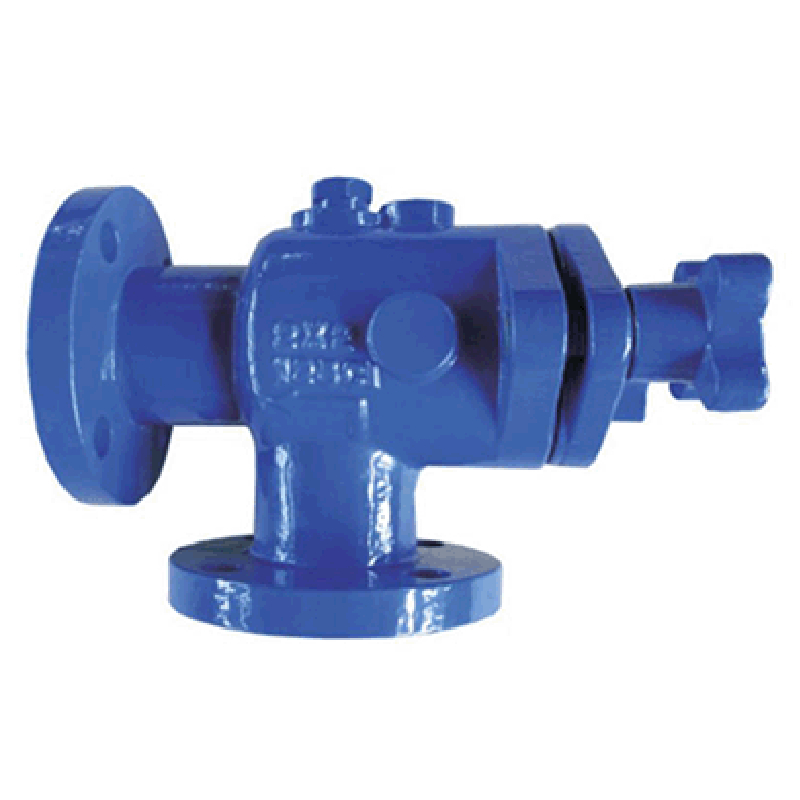
Every fall, my inbox fills with messages from facility managers asking the same question: Where can I find the best strainer sale for heavy-duty pump protection? The short answer is to look closely at suction diffusers, especially models that combine an elbow, straightening vanes, and a serviceable basket. The standout this season is the Suction Diffuser from Hebei (Ningjin), which I saw up close during a recent shop walk-through. It's compact, surprisingly robust, and reasonably priced.
Industry Trends (and a quick reality check)
The HVAC and water-transfer sectors are shifting toward low-footprint pump inlets and more predictable NPSH margins. In plain English: operators want fewer fittings and leak points, and a diffuser that straightens the flow. With lifecycle costs under the microscope, a well-built suction diffuser often beats a separate elbow + Y-strainer combination. On strainer sale events, the value delta widens—especially for projects with tight mechanical rooms.
Product Snapshot: Suction Diffuser (Valve-Cable, Hebei)
Origin: No.88 Zhengxi Road, Yanbai Development, Ningjin, Hebei, China. Flange drilling matches ASME B16.1 / DIN 2533 / BS 4504, with test/inspection to API 598 and BS EN 12266 (factory protocols). Sizes up to 20". To be honest, the machining looked clean and the internal basket finish was better than I expected at this price point.
| Parameter | Specification (≈, real-world use may vary) |
|---|---|
| Nominal size | DN50–DN500 (2"–20") |
| Flange standard | ASME B16.1 / DIN 2533 / BS 4504 |
| Body material | Cast or ductile iron; carbon steel on request |
| Basket mesh | ≈ 20–40 mesh standard; custom mesh available |
| Coating | Epoxy-lined interior (potable options on request) |
| Testing | Seat & shell per API 598 / BS EN 12266 |
| Service life | ≈ 10–15 years in treated water; harsher media reduces life |
| Maintenance | Top cover access; blow-down drain standard |
Where it fits (and why it wins)
- HVAC chilled/hot water pumps: steadier inlet velocity profile; fewer elbows.
- Municipal/industrial water: basket protects impellers from scale, grit.
- Fire protection and irrigation: quick access to clean-outs matters.
- Chemical transfer (non-corrosive): with proper coating and mesh selection.
Many customers say the integrated diffuser saves about 20–30% of space and fittings compared with separate components. On strainer sale promos, that math gets even friendlier.
Manufacturing and QA flow (short version)
Materials receipt with heat numbers → casting/forging (as specified) → CNC machining of flanges/bores → basket fabrication and welds → epoxy coating cure → assembly and gasket fit-up → hydrostatic and seat tests (API 598 / BS EN 12266) → dimensional check to drawing → packaging with MTCs (EN 10204 3.1 on request). It’s not glamorous, but it’s what keeps pumps alive.
Vendor snapshot (quick comparison)
| Vendor | Size Range | Lead Time | Customization | Price Index |
|---|---|---|---|---|
| Valve-Cable (Hebei) | 2"–20" | ≈ 2–5 weeks | High (mesh, coating, tappings) | $$ (strong strainer sale discounts) |
| EU Brand A | 2"–16" | ≈ 6–8 weeks | Medium | $$$ |
| US Brand B | 3"–20" | ≈ 4–7 weeks | Medium–High | $$$–$$$$ |
Customization options
Alternate flange drillings, mesh grades, gauge tappings, epoxy systems (NSF-aligned on request), drain valves, and nameplate/data tag formatting. Documentation packs can include hydro test reports and material traceability.
Field notes and micro–case studies
- Data center (Frankfurt): pump vibration dropped ≈ 18% after swap to diffuser; ΔP stable at 0.08 bar at design flow.
- Textile plant (Gujarat): basket changeout every 6 weeks vs. weekly with prior Y-strainer; less fiber bridging.
- Municipal booster (NSW): cavitation pitting halted; operators credit straighter inlet velocity profile.
Feedback skews positive; a few folks wished for tool-free covers, but maintenance still rates access “quick.” During a strainer sale, the ROI is almost embarrassingly fast.
Bottom line
If you’re speccing pump inlets for HVAC or water transfer, a properly tested suction diffuser with recognized flange and test standards is the smart play. This Hebei unit ticks the right boxes without ticking off your budget.
Authoritative references
- ASME B16.1 – Gray Iron Pipe Flanges and Flanged Fittings.
- DIN 2533 – Flanges PN16.
- BS 4504 – Circular flanges for pipes, valves, and fittings.
- API 598 – Valve inspection and testing (seat & shell tests).
- BS EN 12266 – Industrial valves, testing of metallic valves.
Paylaşın
Ən son xəbərlər
-
Understanding the 6 butterfly valve price Industrial Buying GuideXəbərlərApr.16,2026
-
Analyzing the 50mm Butterfly Valve Price and Buyer GuideXəbərlərApr.09,2026
-
Comprehensive Guide to 40mm Butterfly Valve Price Factors and Quality ConsiderationsXəbərlərApr.07,2026
-
Comprehensive Guide to 4 Inch Sluice Valve Price and Key Selection FactorsXəbərlərApr.04,2026
-
Comprehensive Guide to 4 Butterfly Valve Price Factors and Ranges in 2024XəbərlərMar.31,2026
-
Comprehensive Guide to 300mm Butterfly Valve Price and Industrial ApplicationsXəbərlərMar.28,2026
 Azerbaijani
  English
  Afrikaans
  Albanian
  Amharic
  Arabic
  Armenian
  Basque
  Belarusian
  Bengali
  Bosnian
  Bulgarian
  Catalan
  Cebuano
  China
China  China (Taiwan)
  Corsican
  Croatian
  Czech
Czech  Danish
  Dutch
Dutch  Esperanto
  Estonian
  Finnish
  French
  Frisian
  Galician
  Georgian
  German
  Greek
Greek  Gujarati
  Haitian Creole
  Hausa
Hausa  Hawaiian
  Hebrew
  Hindi
Hindi  Miao
Miao  Hungarian
  Icelandic
  Igbo
Igbo  Indonesian
  Irish
Irish  Italian
  Japanese
  Javanese
  Kannada
  Kazakh
  Khmer
Khmer  Rwandese
  Korean
  Kurdish
  Kyrgyz
  Lao
Lao  Latin
Latin  Latvian
  Lithuanian
  Luxembourgish
  Macedonian
  Malgashi
  Malay
Malay  Malayalam
  Maltese
  Maori
Maori  Marathi
  Mongolian
  Myanmar
  Nepali
  Norwegian
  Norwegian
  Occitan
  Pashto
  Persian
  Polish
  Portuguese
  Punjabi
  Romanian
  Russian
  Samoan
  Scottish Gaelic
  Serbian
  Sesotho
  Shona
Shona  Sindhi
  Sinhala
  Slovak
  Slovenian
  Somali
  Spanish
  Sundanese
  Swahili
  Swedish
  Tajik
Tajik  Tamil
Tamil  Tatar
Tatar  Telugu
  Thai
Thai  Turkish
  Turkmen
  Ukrainian
  Urdu
Urdu  Uighur
  Uzbek
Uzbek  Vietnamese
  Welsh
Welsh  Bantu
Bantu  Yiddish
  Yoruba
  Zulu
Zulu