
Okt . 20, 2025 16:32 Siyahıya qayıt
Grooved End Butterfly Valve: Easy Install & Reliable Flow Control
Industry Trends and the Evolution of Grooved End Butterfly Valves
The modern industrial landscape is continuously evolving, demanding advanced fluid control solutions that offer not only superior performance and reliability but also enhanced efficiency in installation and maintenance. Global infrastructure projects, municipal water management, sophisticated HVAC systems, and various industrial processes are expanding in scale and complexity. This growth inherently drives the need for valve technologies that can adapt to these demands while reducing overall project timelines and operational expenditures. Traditional piping connection methods, such as flanging or welding, often introduce significant labor costs, prolonged installation periods, and complexities in system modifications.
In response to these challenges, the adoption of quick-connect piping solutions has seen a remarkable surge. Among these innovative approaches, the grooved end butterfly valve has emerged as a particularly versatile and highly effective component. Its design is specifically engineered for seamless integration into grooved piping systems, offering a compelling alternative that addresses many of the limitations associated with conventional valve installations. This design facilitates faster installation, simplified maintenance, and often provides improved seismic resistance, positioning it as a preferred choice for critical infrastructure and commercial applications alike.
Recent industry analyses, including reports from major market research firms, indicate a consistent upward trend in the demand for grooved piping components, largely propelled by the commercial construction and fire protection sectors. This trend directly underpins the increasing preference for grooved butterfly valves and other grooved end valve types. Continuous innovations in material science, manufacturing precision, and actuator technologies further enhance the performance envelope of these valves, enabling their application in increasingly challenging environments, from corrosive industrial fluids to high-pressure fire suppression systems. This comprehensive overview will explore the technical intricacies, compelling application benefits, and strategic considerations for deploying these advanced fluid control devices.
Technical Specifications and Design Principles
The design of a grooved end butterfly valve is meticulously optimized for robust performance, long-term durability, and seamless compatibility with modern grooved piping systems. A thorough understanding of its key technical parameters is indispensable for engineers and procurement specialists to ensure optimal system integration, operational reliability, and an extended service life in demanding industrial and commercial environments.
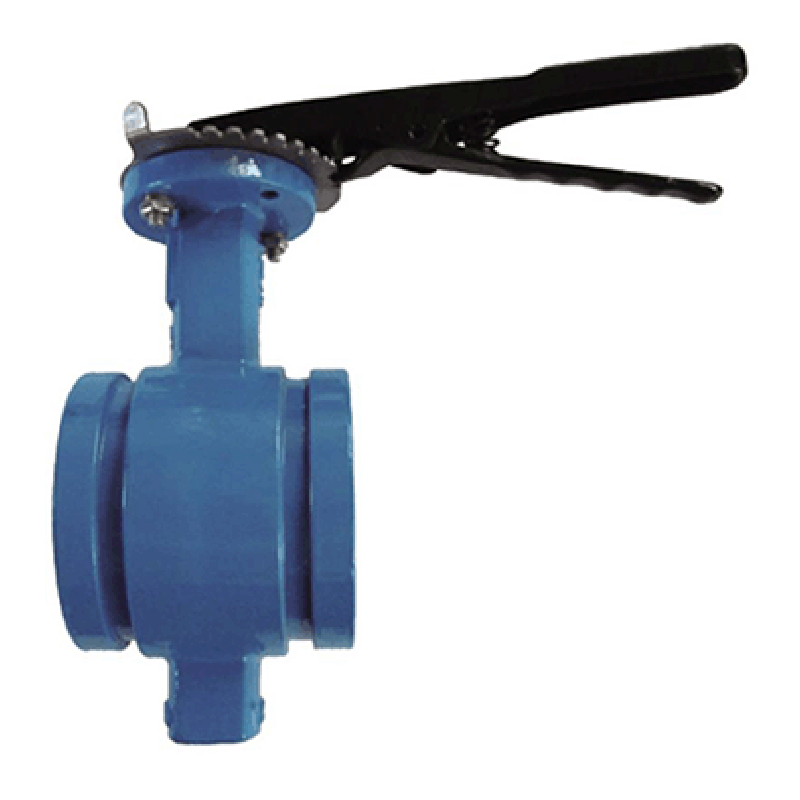
Figure 1: Illustrative depiction of a high-performance grooved end butterfly valve.
Valve bodies are predominantly constructed from ductile iron, typically conforming to ASTM A536, Grade 65-45-12, offering excellent strength and impact resistance. For applications requiring superior corrosion resistance, particularly in chemical processing or saltwater environments, stainless steel (e.g., CF8M/316) options are available. The disc, which controls fluid flow, is a critical component and is commonly fabricated from materials such as nickel-plated ductile iron, various grades of stainless steel (304, 316), or aluminum bronze, chosen based on compatibility with the fluid medium and desired erosion resistance. The resilient seat, responsible for achieving a bubble-tight seal, is generally made from EPDM (Ethylene Propylene Diene Monomer) for water-based systems due to its excellent resistance to aging, ozone, and many chemicals, or NBR (Nitrile Butadiene Rubber) for applications involving oils, fuels, and hydrocarbons. Specialized seat materials like Viton or Silicone are available for wider temperature ranges or unique chemical compatibilities, including FDA-approved variants for potable water or food-grade applications.
Beyond these core specifications, critical considerations include face-to-face dimensions, which often conform to established industry standards like ISO 5752 series 20, ensuring interchangeability. The torque requirements for actuation are also precisely calculated to ensure smooth and reliable operation, whether manually or through automated systems. Compatibility with various grooved coupling brands and adherence to authoritative references such as UL, FM, or API standards for specialized applications like fire protection or oil and gas further underscore their design integrity. Comprehensive technical documentation, including material certifications, performance curves, and compliance reports, is routinely provided to ensure alignment with project requirements and regulatory standards.
The Advanced Manufacturing Process of Grooved End Butterfly Valves
The production of a high-quality grooved end butterfly valve is a meticulous and highly controlled multi-stage process, integrating advanced engineering principles with stringent quality assurance protocols. This comprehensive manufacturing flow is designed to ensure that each valve not only meets precise technical specifications but also delivers reliable performance and an extended service life in even the most demanding industrial and commercial environments.
Detailed Process Flow:
- 1. Material Selection & Design Validation: The foundation of a superior valve lies in the selection of premium-grade raw materials. For the valve body, this typically involves high-quality ductile iron (e.g., ASTM A536) or corrosion-resistant stainless steel (e.g., ASTM A351 CF8M) ingots. Elastomeric seats are precisely formulated from high-purity EPDM or NBR compounds to ensure optimal sealing characteristics and chemical resistance. Prior to manufacturing, detailed CAD/CAM models are thoroughly reviewed and validated against rigorous international industry standards such as AWWA C606 and ISO 7005 to confirm exact dimensional, material, and performance specifications.
-
2. Casting or Forging of Body and Disc:
- Casting: For ductile iron valve bodies, a precision sand casting process is employed. Molten metal is poured into meticulously prepared molds, ensuring uniform wall thickness, exceptional structural integrity, and consistency across batches. After a controlled cooling period, the castings undergo shot blasting to remove any surface scale and achieve a clean, smooth finish suitable for subsequent processing.
- Forging: While less common for the entire valve body, certain critical components or smaller, high-performance discs may be produced via forging. This process imparts superior mechanical properties, including enhanced strength and improved grain structure, vital for components subjected to high stress or extreme operating conditions.
-
3. CNC Machining: This stage is paramount for achieving the tight tolerances and precise dimensions essential for leak-free operation and seamless compatibility with grooved piping systems.
- Body Machining: The internal bore, stem bore, and actuator mounting pads are all precisely machined. Crucially, the grooved ends are formed using specialized CNC tooling, ensuring perfect compliance with grooved coupling standards (e.g., AWWA C606) for a secure, robust, and leak-tight mechanical joint.
- Disc Machining: The disc edges are meticulously machined to create a smooth, concentric, and highly polished profile. This precise shaping ensures minimal seating torque, reduces wear on the elastomeric liner, and maximizes sealing efficiency when the valve is in the closed position.
- Stem & Other Components: Valve stems are precision-machined from corrosion-resistant stainless steel bars, typically featuring square or double-D connections for secure disc attachment and robust interface with various actuator types.
- 4. Coating & Surface Treatment: For ductile iron bodies, a fusion-bonded epoxy (FBE) coating is applied. This advanced, multi-layer electrostatic process provides exceptional corrosion resistance, superior UV stability, and enhanced impact protection, significantly extending the valve's operational service life, particularly in outdoor or aggressive environmental conditions. The coating application typically adheres to stringent standards such as ASTM A536 or EN 12842.
- 5. Assembly: Highly skilled technicians meticulously assemble the valve components in a controlled environment. This intricate process includes carefully inserting the elastomeric seat into the valve body, precisely fitting the disc onto the stem, and then inserting the complete stem and disc assembly into the body. High-performance packing and thrust washers are strategically installed to prevent external leakage and minimize operating torque, ensuring smooth and consistent operation. Finally, the chosen actuators (lever, gear, pneumatic, or electric) are mounted and rigorously calibrated to ensure precise control.
-
6. Rigorous Testing & Quality Assurance: Every single grooved end butterfly valve undergoes a comprehensive battery of tests to guarantee full compliance with international performance standards and safety regulations. This rigorous validation process includes:
- Hydrostatic Body Test (ISO 5208, API 598): This critical test verifies the pressure integrity of the valve body and its connections, ensuring it can withstand specified internal pressures without leakage or structural failure.
- Seat Leakage Test (ISO 5208, API 598): This test rigorously evaluates the sealing capability of the disc and seat assembly at various pressure differentials, ensuring bubble-tight shut-off.
- Operational Torque Test: The force required to smoothly open and close the valve is precisely measured, confirming it falls within the designed parameters for ease of actuation and preventing premature wear.
- Dimensional Inspection: A thorough inspection ensures all critical dimensions, particularly the precisely machined grooved ends, fully comply with relevant industry standards for perfect fitment.
- Material Certification Verification: Raw material certificates are meticulously checked against specifications to guarantee the authenticity, composition, and quality of all materials used in construction.
- 7. Final Inspection & Packaging: After successfully passing all stringent tests, valves undergo a comprehensive final inspection for any cosmetic defects, proper labeling (including compliance marks like UL/FM where applicable), and overall functional integrity. Each valve is then carefully packaged using protective materials to prevent any damage during storage and transit to the client site.
These meticulous manufacturing and testing protocols ensure a robust, high-performance product, enabling an expected service life of 15-25 years, contingent on proper installation, operating conditions, and adherence to recommended maintenance schedules. The target industries for these valves are expansive, including critical sectors such as petrochemical, metallurgy, power generation, commercial HVAC, and municipal water supply & drainage. The robust construction and stringent testing demonstrate significant advantages in typical application scenarios, specifically contributing to energy saving through minimal flow restriction and offering exceptional corrosion resistance due to advanced coatings and superior material selection.
Key Application Scenarios and Operational Benefits
The inherent versatility and robust design of the grooved end butterfly valve position it as an ideal choice across a multitude of industries where reliable, efficient fluid control is absolutely essential. Its distinctive grooved connection system provides notable advantages, particularly in applications demanding rapid installation, simplified maintenance, and inherent system flexibility in dynamic operational environments. This makes them highly suitable for projects seeking to optimize both initial setup costs and long-term operational expenditures.
Typical Application Scenarios:
- HVAC Systems (Heating, Ventilation, Air Conditioning): Widely deployed in chilled water, hot water, and condenser water lines within commercial buildings, data centers, hospitals, and industrial facilities. The compact design and exceptionally low pressure drop characteristic of grooved butterfly valves significantly contribute to overall energy efficiency and optimize system performance. This translates into substantial energy saving potential over the entire lifecycle of the building, making them a key component in green building initiatives. Their quick installation further minimizes disruption during system upgrades or essential repairs.
- Fire Protection Systems: These valves are indispensable for effectively controlling water flow in critical sprinkler and standpipe systems. Many grooved end butterfly valve models are rigorously tested and carry UL (Underwriters Laboratories) listing and FM (Factory Mutual) approval for fire protection services, ensuring strict compliance with stringent safety standards like NFPA 13. Their robust construction and highly reliable sealing capabilities are paramount for rapid and effective emergency response, safeguarding lives and property.
- Water Treatment & Distribution: Extensively utilized in municipal water treatment plants, sophisticated pumping stations, and expansive distribution networks for managing both potable water and wastewater. The inherent corrosion resistance offered by advanced epoxy-coated ductile iron or specialized stainless steel options is absolutely crucial for ensuring long-term reliability and maintaining the integrity of the fluid in these often aggressive fluid environments.
- General Industrial Piping (Light to Medium Duty): Highly suitable for a broad spectrum of general industrial applications, encompassing process water lines, cooling water systems, and compressed air distribution. The remarkable ease of installation and replacement inherent in their design significantly minimizes costly downtime in high-stakes industrial operations, thereby enhancing productivity.
- Mining and Mineral Processing: While typically operating in extremely demanding conditions, certain grooved end valve configurations, equipped with specialized abrasion-resistant liners and robust disc materials, can be effectively employed for slurry handling or essential utility water systems within mining operations. They significantly benefit from robust construction and the critical ease of field maintenance, which is paramount in remote or harsh environments.
In all these diverse scenarios, the inherent technical advantages of the grooved connection system translate directly into tangible operational benefits. These include, but are not limited to, significantly reduced installation time (often demonstrating up to 30% faster installation compared to traditional flanged connections), a noticeably lower system weight (reducing structural support requirements), inherent flexibility that provides increased resilience against seismic movement and thermal expansion, and drastically simplified maintenance routines. The precise flow control capability intrinsic to butterfly valves also ensures optimal system regulation, ultimately contributing to overall operational efficiency and reduced energy consumption across the entire fluid network.
Technical Advantages and Performance Benefits
The widespread adoption of grooved end butterfly valve technology is firmly rooted in a series of compelling technical advantages that cumulatively contribute to significantly enhanced system performance, a reduced total cost of ownership, and improved operational safety across various industrial and commercial applications. These benefits are not merely theoretical but are consistently demonstrated in real-world installations.
Key Technical Advantages:
- Rapid Installation and Disassembly: The inherent simplicity of the grooved connection system allows for dramatically faster valve installation and removal when compared to labor-intensive flanged or welded connections. This efficiency directly translates to substantially reduced labor costs, minimizes overall project schedules, and ensures minimal system downtime during critical maintenance procedures or necessary component replacements.
- Compact Design and Reduced Weight: Grooved butterfly valves are intrinsically designed to be significantly lighter and possess shorter face-to-face dimensions than their traditional flanged counterparts. This compact form factor leads to several benefits, including reduced structural support requirements for piping systems, lower shipping costs, and simplified handling, which is particularly advantageous when working in confined mechanical spaces or during large-scale installations.
- Enhanced Vibration and Seismic Resistance: The unique flexibility afforded by grooved couplings provides an inherent degree of shock and vibration absorption within the piping system. This crucial feature significantly improves the system's overall resilience against dynamic forces, including seismic activity, water hammer events, and transient pressure surges, thereby enhancing safety and operational continuity.
- Bi-Directional Sealing: The vast majority of modern grooved end butterfly valve designs are engineered for reliable bi-directional flow. This capability ensures a consistent, dependable shut-off regardless of the fluid's flow direction, which simplifies installation procedures and can significantly reduce inventory requirements as fewer specialized valve types are needed.
- Low Pressure Drop and Energy Efficiency: The highly streamlined design of the disc within the valve's flow path is engineered to minimize turbulence and consequently reduce pressure drop when the valve is in its fully open position. This optimized flow characteristic directly leads to tangible energy savings in pumping operations, contributing to a lower overall operational carbon footprint and reduced electricity costs.
- Corrosion Resistance and Durability: With readily available options for advanced fusion-bonded epoxy coatings, high-grade stainless steel components, and sophisticated elastomeric liners, these valves offer exceptional resistance to corrosion from a wide array of fluids and aggressive environmental exposure. This superior protection directly contributes to a considerably longer service life, significantly reduced maintenance frequency, and enhanced long-term system reliability.
To further delineate these compelling advantages, a direct comparative analysis between different valve connection types, specifically focusing on the grooved end valve versus the traditional flanged butterfly valve, definitively highlights the substantial operational and economic benefits associated with the grooved system.
This compelling comparative data unequivocally underscores why the grooved end valve has rapidly ascended to become a universally preferred fluid control solution in modern piping system design. Its advantages are particularly pronounced for large-scale commercial and industrial projects where paramount considerations include installation efficiency, long-term cost-effectiveness, and overall operational reliability.
Vendor Comparison and Selection Criteria
Selecting the optimal vendor for grooved end butterfly valve solutions is an equally critical decision as choosing the valve itself. A reliable supplier offers more than just a product; they provide a comprehensive partnership founded on unwavering quality, profound technical expertise, and highly responsive support. Key criteria must meticulously guide the selection process to ensure long-term satisfaction, unimpeachable operational integrity, and optimal return on investment for any project.
Essential Vendor Selection Criteria:
- Certifications and Compliance: It is imperative to verify that the vendor's products consistently meet or exceed relevant international standards. These include, but are not limited to, ISO 9001 (Quality Management System), ISO 14001 (Environmental Management System), and specific product-level certifications such as UL Listing, FM Approval, CE Marking, API Monogram, or AWWA compliance. Such certifications serve as irrefutable evidence of adherence to stringent manufacturing and quality control processes.
- Product Quality and Material Traceability: Insist on receiving verifiable material certifications (MTRs) and comprehensive internal quality control reports for each specific batch of products. A truly reputable vendor will offer full traceability for every grooved end valve, from the initial raw material sourcing through to the final finished product, ensuring authenticity and consistent quality.
- Technical Expertise and Support: A robust vendor provides unparalleled expert technical assistance. This encompasses crucial services such as in-depth application engineering, precise sizing recommendations, complex system design consultations, and proactive troubleshooting. Access to a team of highly experienced engineers can prove invaluable, particularly for navigating the complexities of large-scale or highly specialized projects.
- Customization Capabilities: For specialized or niche applications, the vendor's ability to offer bespoke valve solutions is a significant advantage. This includes customizing valve materials, applying specialized coatings, integrating unique actuation systems, or even implementing design modifications to meet highly specific pressure, temperature, or chemical compatibility requirements.
- Lead Time and Supply Chain Reliability: Critically evaluate the vendor's average lead times for both standard off-the-shelf and custom-engineered orders. Assess their inventory management practices and their proven capability to consistently meet agreed-upon delivery schedules, which is particularly vital for managing the logistics of large, time-sensitive projects.
- After-Sales Service and Warranty: A comprehensive warranty policy, coupled with robust after-sales support (including readily available spare parts, detailed maintenance guidance, and responsive field service), is absolutely crucial for minimizing potential operational disruptions and ensuring the sustained performance of the product over its entire operational lifespan.
- Reputation and Track Record: Conduct thorough due diligence by reviewing client testimonials, detailed case studies, and credible industry references. A long-standing market presence and an impressive portfolio of successful projects with reputable clients are strong indicators of a vendor's unwavering reliability, established authoritativeness, and commitment to excellence within the industry.
By diligently and comprehensively evaluating these critical factors, businesses can strategically forge enduring partnerships that guarantee access to the highest-performance grooved end butterfly valve solutions, rigorously backed by unparalleled service, expert support, and a steadfast commitment to long-term client success.
Customized Solutions for Specialized Applications
While standard grooved end butterfly valve models are designed to efficiently cater to a broad spectrum of common industrial and commercial applications, a significant number of specialized industrial processes and large-scale infrastructure projects possess unique, highly specific requirements. These often necessitate tailored solutions that go beyond off-the-shelf offerings. Customization is not merely an option but a critical pathway to ensuring optimal performance, significantly extended lifespan, and absolute compliance with highly specific operational constraints and regulatory mandates.
Key Areas of Customization:
- Material Upgrades for Aggressive Media: For applications involving highly corrosive or exceptionally abrasive fluid media, where standard ductile iron or nickel-plated discs would prove insufficient, extensive material upgrades are essential. Customization can involve the use of full stainless steel (e.g., 316L, Duplex, Super Duplex), Hastelloy, Titanium, or other exotic alloys for both the valve body and disc. Additionally, specialized seat materials such as high-performance PTFE (Teflon), Viton, or Hypalon are utilized for extreme temperatures, aggressive chemical compatibility, or specific hygienic requirements.
- Advanced Actuation Solutions: Beyond standard manual lever or gear operators, customization encompasses the integration of sophisticated electric actuators (featuring advanced controls like fail-safe options, battery backup, or precise proportional control), pneumatic actuators (available in single or double-acting configurations), and hydraulic actuators. These are often integrated with specific communication protocols (e.g., Modbus, Profibus, EtherNet/IP) for seamless incorporation into advanced industrial automation and Building Management Systems (BMS).
- Specialized Coatings and Liners: For operations in extremely aggressive environments, such as saltwater intake, strong acids, bases, or highly abrasive slurries, custom internal linings (e.g., thick rubber, advanced PTFE compounds) or enhanced external coatings (e.g., marine-grade epoxy, ceramic coatings, galvanization) can be expertly applied. These significantly extend the valve's corrosion resistance, abrasive wear life, and overall environmental durability.
- Tailored Pressure and Temperature Ratings: While standard valves capably cover common operational ranges, bespoke designs can be meticulously engineered to safely handle exceptionally higher pressures or extreme temperature fluctuations. This is achieved through reinforced body designs, the incorporation of highly specialized sealing technologies, and the use of robust, high-strength stem configurations.
- Optimized Flow Characteristics and Control: For applications demanding ultra-precise flow modulation or specific characteristic curves, custom disc profiles or internal flow modifiers can be incorporated. These modifications are critical for achieving specific Cv (flow coefficient) values or precise flow-rate control, which is indispensable for sensitive process control applications where accuracy is paramount.
Engaging and collaborating closely with a vendor that possesses formidable engineering capabilities and a highly flexible manufacturing infrastructure is absolutely essential for successfully developing and delivering these bespoke grooved butterfly valves. Such a strategic partnership ensures that even the most challenging and intricate application requirements are met with precision-engineered, high-performance, and perfectly adapted solutions.
Real-World Application Case Studies
The tangible and measurable benefits of grooved end butterfly valve technology are most powerfully demonstrated through successful real-world implementations. These detailed case studies provide concrete evidence of how these advanced valves effectively address specific industrial and commercial challenges, consistently delivering measurable improvements in efficiency, operational reliability, and overall cost-effectiveness for our discerning clients.
Case Study 1: Large-Scale Commercial HVAC System Upgrade in a Major Hospital
A leading metropolitan hospital embarked on a significant and urgent HVAC system overhaul, facing extremely tight deadlines and the formidable challenge of minimizing any operational disruption to critical patient care services. The existing system relied on outdated, traditional flanged valves, which were proving to be excessively slow to install, labor-intensive, and inherently heavy. By strategically specifying grooved butterfly valves for all new and upgraded chilled water, hot water, and condenser water lines (ranging in size from DN100 to DN250), the project achieved truly remarkable efficiency gains. Installation time was drastically reduced by approximately 40% when compared to initial estimates for flanged connections, leading to substantial labor cost savings that directly impacted the project's budget. The inherently lighter weight of the entire grooved system also considerably simplified structural support requirements, further streamlining the construction process. The quick-connect nature of the grooved system allowed for exceptionally rapid system commissioning and significantly easier future maintenance procedures, with the client proudly reporting a 25% reduction in anticipated valve-related maintenance hours over the critical first year of operation.
Case Study 2: Municipal Water Treatment Plant Expansion in a Coastal Region
An ambitious expansion project for a municipal water treatment facility, situated in a challenging coastal region, necessitated the installation of numerous isolation and precise flow control points within its extensive potable water distribution network. Key concerns for the client included ensuring exceptional long-term corrosion resistance, guaranteeing completely leak-free operation, and facilitating maximum ease for future expansion or modification of the system. The optimal solution involved the widespread utilization of advanced epoxy-coated ductile iron grooved end valve units, specifically fitted with high-performance EPDM seats. These meticulously engineered valves provided outstanding corrosion resistance against both treated water and various chemicals routinely employed in the purification process. The highly efficient grooved connection system empowered the contractor to rapidly assemble large sections of piping, including all integrated valves, effectively reducing the overall construction timeline by nearly 20%. Furthermore, the inherent flexibility of grooved couplings offered improved seismic resilience, a particularly critical factor for robust infrastructure in this seismically active coastal region. The plant manager highly commended the demonstrated reliability and the significantly simplified inspection access afforded by the innovative grooved piping system, leading to enhanced operational safety and reduced inspection times.
These compelling real-world examples powerfully underscore the tangible and profound benefits that grooved end butterfly valve technology consistently brings to diverse and demanding applications. They unequivocally demonstrate its critical role as a modern, exceptionally efficient, and highly reliable fluid control solution, indispensable for forward-thinking industries and infrastructure projects.
Frequently Asked Questions (FAQ)
- Q: What is the primary advantage of a grooved end butterfly valve over a flanged butterfly valve?
- A: The primary advantage is the significantly enhanced ease and speed of installation. Grooved connections require considerably less time and labor to install compared to flanged connections, which involve precise alignment of bolt holes, insertion of numerous bolts, and meticulous torqueing of nuts. This directly translates to substantial reductions in overall project costs and much quicker system commissioning times.
- Q: Are grooved end butterfly valves suitable for high-pressure applications?
- A: Standard grooved end butterfly valve units are typically rated for working pressures up to PN10/PN16 (equivalent to 145/232 PSI) or Class 150 (ANSI). For applications demanding exceptionally higher pressures, specialized heavy-duty grooved couplings and reinforced valve body designs may be available. It is always essential to thoroughly consult with the manufacturer and diligently review specific product ratings and certifications for such demanding applications.
- Q: What materials are commonly used for the seat and disc in a grooved end butterfly valve?
- A: The resilient seat is most commonly made from EPDM (Ethylene Propylene Diene Monomer) for general water-based systems due to its excellent properties, or NBR (Nitrile Butadiene Rubber) for services involving oils and hydrocarbons. Other specialized materials like Viton or Silicone are available for specific chemical compatibilities or extreme temperature requirements. The discs are typically constructed from robust nickel-plated ductile iron, various grades of stainless steel (304/316), or highly durable aluminum bronze.
- Q: Can grooved butterfly valves be automated for remote control?
- A: Yes, absolutely. Grooved butterfly valves are very commonly fitted with a wide range of actuators, including electric, pneumatic, or hydraulic types, enabling precise remote operation, advanced process control, or seamless integration into sophisticated Building Management Systems (BMS) for enhanced automation and monitoring.
- Q: What regular maintenance is typically required for a grooved end valve?
- A: Routine maintenance for a grooved end valve typically involves periodic visual inspections for any signs of external leakage, checking the smooth functionality of the actuator (if present), and ensuring the valve operates freely throughout its full range of motion. The grooved couplings themselves should also be inspected periodically for integrity. The resilient seat is generally considered the primary wear part; should leakage occur, the seat can often be replaced without the necessity of completely removing the entire valve body from the pipeline, significantly simplifying and speeding up service procedures.
Procurement, Warranty, and After-Sales Support
A streamlined procurement process, meticulously coupled with a robust warranty and comprehensive after-sales support infrastructure, is absolutely integral to the enduring success and operational longevity of any industrial project utilizing grooved end butterfly valve technology. Our unwavering commitment extends far beyond the mere delivery of a product; it is deeply rooted in ensuring sustained operational excellence and client satisfaction throughout the entire lifecycle of the valve.
- Lead Time and Fulfillment: Standard sizes and readily available configurations of our grooved end valve products are consistently offered with highly competitive lead times, often facilitating dispatch within 2-4 weeks for ex-stock items. For custom-engineered solutions or exceptionally large-volume orders, transparent and realistic timelines are communicated upfront, meticulously managed proactively, and consistently adhered to. We leverage a highly efficient and globally optimized logistics network to ensure precise, timely, and secure delivery to project sites across the globe.
- Warranty Commitments: All of our grooved butterfly valves are rigorously backed by a comprehensive and clearly defined warranty. This typically spans a period of 12 to 24 months from the verifiable date of installation or 18 months from the date of shipment, providing robust coverage against any manufacturing defects and material failures that may occur under normal operating conditions. Specific, detailed warranty terms and conditions are meticulously provided with each individual quotation and comprehensive product documentation, ensuring complete transparency and fostering absolute client confidence in our product quality and reliability.
- Customer Support and After-Sales Service: Our dedicated and highly experienced team of technical support engineers is readily available to provide expert assistance throughout every phase, from initial product selection and detailed installation guidance to advanced troubleshooting and proactive maintenance queries. We maintain a comprehensive and readily accessible inventory of essential spare parts (e.g., replacement seats, stems, actuators) to facilitate timely repairs and effectively minimize any potential system downtime. For complex projects or critical system deployments, specialized on-site technical assistance can also be meticulously arranged, unequivocally reinforcing our steadfast commitment to ensuring reliable, long-term performance for every single grooved end butterfly valve we supply.
Conclusion and Commitment to Excellence
The grooved end butterfly valve unequivocally represents a cornerstone of modern, highly efficient fluid control technology, consistently offering unparalleled benefits in terms of rapid installation, superior operational flexibility, and long-term, unyielding reliability. Its widespread and successful integration into diverse and critical industries, ranging from sophisticated HVAC systems in commercial complexes to vital municipal water infrastructure projects, serves as a powerful testament to its robust engineering design and the continuous innovation that propels its ongoing development.
By strictly adhering to the most rigorous manufacturing standards and providing an extensive framework of comprehensive support, we steadfastly ensure that our valves not only meet but consistently exceed the demanding expectations of B2B clients and discerning engineers across the globe. Our unwavering commitment to uncompromising quality, superior performance, and absolute customer satisfaction underpins every single product we meticulously deliver, firmly positioning the grooved end butterfly valve as the intelligent, forward-thinking choice for professionals seeking optimal fluid control solutions that deliver sustained value and operational integrity.
Authoritative References:
- 1. AWWA C606. (2015). Standard for Grooved and Shouldered Joints. American Water Works Association.
- 2. ISO 5208. (2015). Industrial valves — Pressure testing of metallic valves. International Organization for Standardization.
- 3. NFPA 13. (2022). Standard for the Installation of Sprinkler Systems. National Fire Protection Association.
- 4. ASTM A536. (2019). Standard Specification for Ductile Iron Castings. ASTM International.
- 5. API 598. (2016). Valve Inspection and Testing. American Petroleum Institute.
Paylaşın
Ən son xəbərlər
-
Understanding the 6 butterfly valve price Industrial Buying GuideXəbərlərApr.16,2026
-
Analyzing the 50mm Butterfly Valve Price and Buyer GuideXəbərlərApr.09,2026
-
Comprehensive Guide to 40mm Butterfly Valve Price Factors and Quality ConsiderationsXəbərlərApr.07,2026
-
Comprehensive Guide to 4 Inch Sluice Valve Price and Key Selection FactorsXəbərlərApr.04,2026
-
Comprehensive Guide to 4 Butterfly Valve Price Factors and Ranges in 2024XəbərlərMar.31,2026
-
Comprehensive Guide to 300mm Butterfly Valve Price and Industrial ApplicationsXəbərlərMar.28,2026
 Azerbaijani
  English
  Afrikaans
  Albanian
  Amharic
  Arabic
  Armenian
  Basque
  Belarusian
  Bengali
  Bosnian
  Bulgarian
  Catalan
  Cebuano
  China
China  China (Taiwan)
  Corsican
  Croatian
  Czech
Czech  Danish
  Dutch
Dutch  Esperanto
  Estonian
  Finnish
  French
  Frisian
  Galician
  Georgian
  German
  Greek
Greek  Gujarati
  Haitian Creole
  Hausa
Hausa  Hawaiian
  Hebrew
  Hindi
Hindi  Miao
Miao  Hungarian
  Icelandic
  Igbo
Igbo  Indonesian
  Irish
Irish  Italian
  Japanese
  Javanese
  Kannada
  Kazakh
  Khmer
Khmer  Rwandese
  Korean
  Kurdish
  Kyrgyz
  Lao
Lao  Latin
Latin  Latvian
  Lithuanian
  Luxembourgish
  Macedonian
  Malgashi
  Malay
Malay  Malayalam
  Maltese
  Maori
Maori  Marathi
  Mongolian
  Myanmar
  Nepali
  Norwegian
  Norwegian
  Occitan
  Pashto
  Persian
  Polish
  Portuguese
  Punjabi
  Romanian
  Russian
  Samoan
  Scottish Gaelic
  Serbian
  Sesotho
  Shona
Shona  Sindhi
  Sinhala
  Slovak
  Slovenian
  Somali
  Spanish
  Sundanese
  Swahili
  Swedish
  Tajik
Tajik  Tamil
Tamil  Tatar
Tatar  Telugu
  Thai
Thai  Turkish
  Turkmen
  Ukrainian
  Urdu
Urdu  Uighur
  Uzbek
Uzbek  Vietnamese
  Welsh
Welsh  Bantu
Bantu  Yiddish
  Yoruba
  Zulu
Zulu