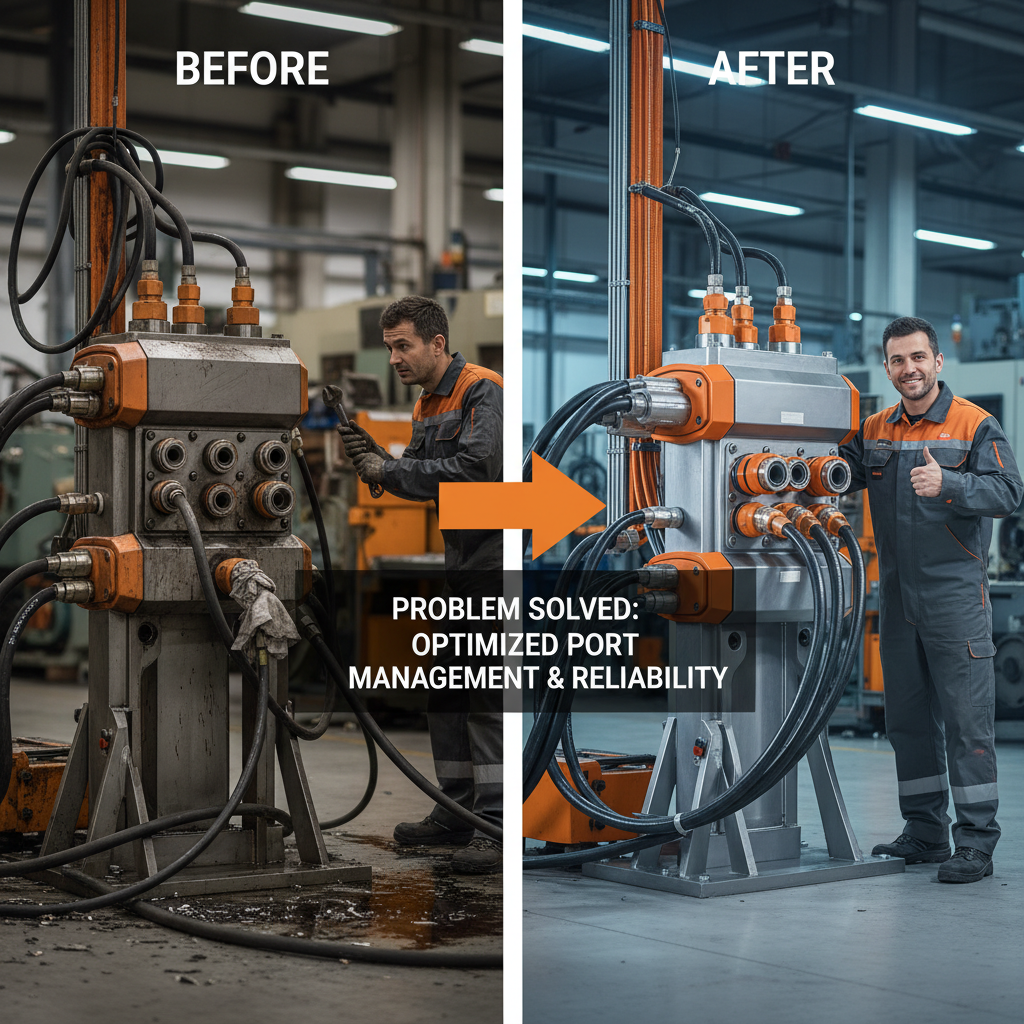
The grooved end butterfly valve represents a critical component in modern fluid handling systems, offering a robust and reliable solution for flow control across a diverse range of industries. Its design, featuring grooved ends for quick and secure connections, simplifies installation and maintenance, making it a preferred choice for applications demanding efficiency and safety. Understanding the nuances of grooved end butterfly valves is increasingly important given the global expansion of infrastructure projects and the growing need for optimized fluid management.
Globally, the demand for efficient and reliable valve technology is driven by factors like urbanization, industrial growth, and the need for sustainable water management. The International Standards Organization (ISO) continually updates standards for valve performance and safety, reflecting the importance of these components in critical infrastructure. Grooved end butterfly valves address challenges related to installation time, cost, and maintenance, particularly in remote or difficult-to-access locations.
The increasing emphasis on infrastructure resilience and operational efficiency further solidifies the significance of grooved end butterfly valves. From municipal water distribution networks to large-scale industrial processes, these valves play a vital role in ensuring smooth and controlled fluid transfer, contributing to overall system performance and longevity.
Defining the Grooved End Butterfly Valve
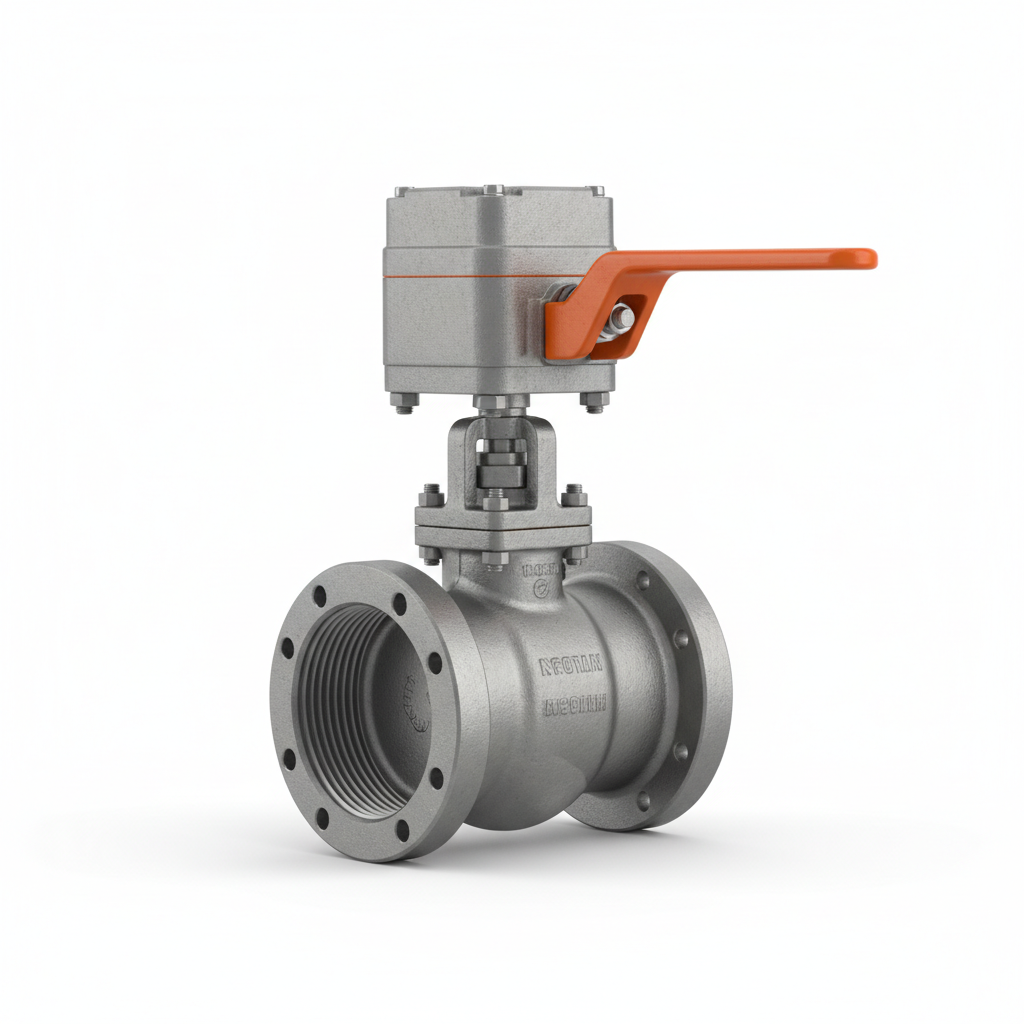
A grooved end butterfly valve is a type of valve that uses a disc-shaped closure element to regulate or isolate fluid flow. The key distinction lies in its end connections, which feature grooves designed to accept grooved couplings, allowing for rapid and secure assembly without the need for welding or threading. This makes it a highly adaptable solution in various piping systems.
These valves are integral to modern industrial infrastructure, particularly in systems requiring frequent maintenance or modifications. Their quick-connect design significantly reduces downtime and installation costs, aligning with the humanitarian need for rapid deployment in emergency situations, like water sanitation efforts or disaster relief operations, where efficient fluid control is paramount.
Global Relevance and Industry Impact
The global valve market, and specifically the segment for grooved end butterfly valves, is a multi-billion dollar industry driven by infrastructure development and industrial processes. Countries undergoing rapid urbanization, such as those in Asia and Africa, exhibit significant demand. According to market research reports, the water and wastewater treatment sector remains a primary consumer of these valves, demanding both large-diameter and specialized materials for corrosive environments.
Industries like oil and gas, chemical processing, and power generation also heavily rely on the reliability and efficiency offered by grooved end butterfly valves. The need for stringent safety standards and reduced environmental impact necessitates the use of high-quality valves capable of preventing leaks and optimizing flow.
Furthermore, the increasing adoption of standardized piping systems utilizing grooved couplings is driving the demand for compatible grooved end butterfly valves. This standardization streamlines maintenance, reduces inventory requirements, and enhances overall system interoperability.
Core Characteristics of Grooved End Butterfly Valves
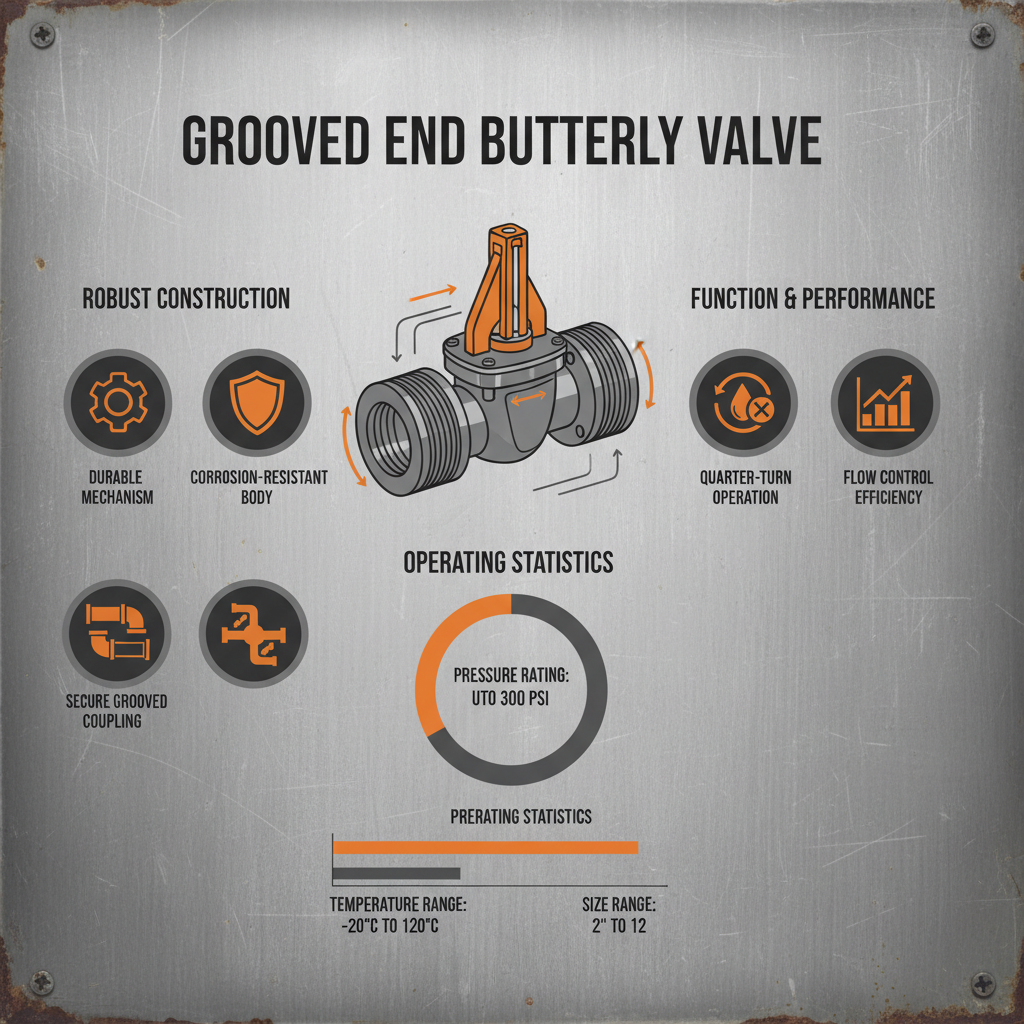
Grooved end butterfly valves possess several defining characteristics. Firstly, their quick-connect grooved ends dramatically reduce installation time and labor costs compared to traditional welding or threading methods. This rapid installation is a key benefit in time-sensitive applications.
Secondly, these valves offer excellent flow characteristics with minimal pressure drop. The butterfly disc design creates a streamlined flow path, resulting in energy savings and improved system efficiency. Thirdly, the robust construction, utilizing materials like ductile iron or stainless steel, ensures long-term durability and resistance to corrosion. This is particularly important in harsh operating environments.
Finally, they are relatively lightweight compared to other valve types, simplifying handling and installation. The grooved end connection also provides a secure and leak-proof seal, minimizing the risk of fluid loss and environmental contamination.
Key Performance Indicators of Grooved End Butterfly Valves
Evaluating the performance of a grooved end butterfly valve requires considering several key indicators. Tight shut-off is paramount, ensuring minimal leakage even after prolonged use. Pressure rating, indicating the maximum operating pressure, is also critical and must align with system requirements.
The valve’s flow coefficient (Cv) determines its capacity to handle fluid flow, influencing system efficiency. Another crucial factor is the material compatibility, ensuring resistance to the specific fluid being handled to prevent corrosion and maintain long-term reliability.
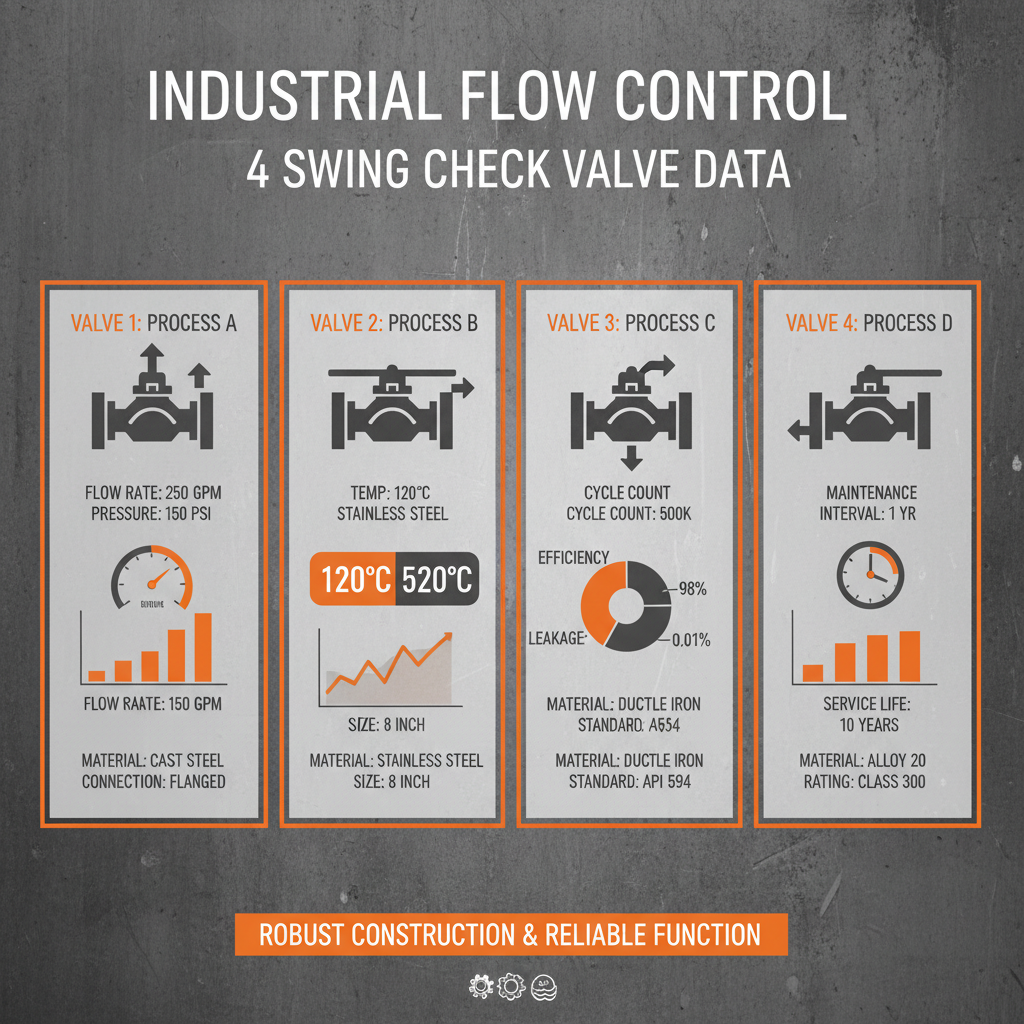
Grooved End Butterfly Valve Performance Metrics
Diverse Applications of Grooved End Butterfly Valves
Grooved end butterfly valves find application across a wide spectrum of industries. In water and wastewater treatment plants, they regulate flow in pipelines, clarifiers, and filtration systems. Their quick-connect feature is crucial for maintenance and repairs, minimizing disruptions to essential services.
The chemical processing industry utilizes these valves for handling corrosive and hazardous fluids, relying on their robust construction and leak-proof sealing. Power plants employ them in cooling water systems and steam lines, ensuring reliable temperature control and efficient operation.
Long-Term Benefits and Value Proposition
Investing in grooved end butterfly valves translates to significant long-term benefits. Reduced installation and maintenance costs directly impact the bottom line. The valve's durability and resistance to corrosion minimize the need for frequent replacements, lowering life-cycle costs.
Furthermore, the enhanced safety and reliability of these valves contribute to operational efficiency and prevent costly downtime. They align with sustainability goals by minimizing leakage and reducing energy consumption through optimized flow control, promoting responsible resource management.
Future Trends and Technological Advancements
The future of grooved end butterfly valves is intertwined with advancements in materials science and digital technology. The development of lighter, more corrosion-resistant materials, such as advanced polymers and alloys, will further enhance valve performance and lifespan.
Smart valve technology, integrating sensors and IoT connectivity, will enable real-time monitoring of valve status, predictive maintenance, and remote control. Digital twins and simulation tools will facilitate optimized valve selection and system design, maximizing efficiency and minimizing risks.
Automation and integration with control systems will further streamline operations and improve response times, especially in critical infrastructure applications.
Summary of Grooved End Butterfly Valve Advancements and Challenges
| Advancement Area |
Current Status |
Potential Impact |
Implementation Challenges |
| Material Science |
Development of high-performance alloys and polymers. |
Increased corrosion resistance, reduced weight, extended lifespan. |
High material costs, qualification and certification processes. |
| Smart Valve Technology |
Integration of sensors for pressure, temperature, and flow monitoring. |
Predictive maintenance, remote diagnostics, optimized performance. |
Data security concerns, integration with existing systems, cost of implementation. |
| Digital Twin Modeling |
Creation of virtual representations of valves and systems. |
Optimized design, performance simulation, improved reliability. |
Accuracy of models, computational resources, data integration. |
| Automation & Control Systems |
Integration with SCADA and DCS systems. |
Automated operation, faster response times, reduced human error. |
Cybersecurity vulnerabilities, system complexity, training requirements. |
| Standardization of Communication Protocols |
Efforts to establish common communication standards. |
Enhanced interoperability, seamless data exchange, reduced integration costs. |
Industry collaboration, overcoming proprietary concerns, ensuring security. |
| Sustainable Manufacturing Processes |
Adoption of eco-friendly manufacturing techniques. |
Reduced environmental impact, lower carbon footprint, improved corporate social responsibility. |
Higher initial investment, supply chain complexity, regulatory compliance. |
FAQS
Grooved end connections offer significantly faster installation and disassembly compared to threaded or welded connections. They require no specialized welding skills and reduce downtime for maintenance. The grooved coupling provides a robust and leak-proof seal, minimizing the risk of fluid loss. They’re also readily adaptable to existing grooved piping systems, simplifying integration and reducing overall project costs.
Common materials include ductile iron, stainless steel (304, 316), and epoxy-coated ductile iron. Ductile iron is cost-effective for general water applications. Stainless steel is preferred for corrosive environments like chemical processing. Epoxy-coated ductile iron provides enhanced corrosion resistance for water and wastewater treatment. Material selection should always align with the fluid being handled and the operating conditions.
Ensure the grooves on both the valve and coupling are clean and free of debris. Use appropriate gaskets compatible with the fluid. Follow the manufacturer’s torque specifications for tightening the coupling bolts evenly and sequentially. A visual inspection should confirm proper gasket compression and seating. Periodic inspections and re-torqueing may be necessary to maintain a reliable seal.
Regular inspection of the disc, seat, and stem for wear or damage is crucial. Lubricate the stem periodically to ensure smooth operation. Check the coupling bolts for tightness and corrosion. Replace gaskets as needed. Implementing a preventative maintenance schedule based on the operating conditions and fluid characteristics will significantly extend the valve's service life.
Grooved end butterfly valves are available in various pressure classes. It’s essential to select a valve with a pressure rating that exceeds the maximum operating pressure of the system. Higher pressure applications typically require valves constructed from stronger materials like stainless steel and with reinforced couplings. Always consult the manufacturer's specifications to ensure suitability for a specific high-pressure application.
Larger valve diameters generally result in higher flow rates and lower pressure drop. However, the specific flow characteristics also depend on the valve's design and the flow coefficient (Cv). Selecting the appropriate valve size based on the system's flow requirements is critical for optimizing performance and minimizing energy losses. Accurate flow calculations and system analysis are recommended.
Conclusion
In conclusion, grooved end butterfly valves offer a compelling combination of efficiency, reliability, and cost-effectiveness, making them a cornerstone of modern fluid handling systems. Their quick-connect design, durability, and adaptability address critical challenges across diverse industries, from water treatment and chemical processing to power generation and infrastructure development. Understanding their characteristics and implementing proper maintenance practices are essential for maximizing their long-term value.
Looking ahead, the continued advancements in materials science, smart valve technology, and automation promise to further enhance the performance and capabilities of grooved end butterfly valves. By embracing these innovations, industries can optimize their operations, reduce costs, and contribute to a more sustainable future. For comprehensive solutions and expert guidance, visit our website: valve-cable.com.