0%

Table of Contents

The double eccentric butterfly valve is a critical component in fluid control systems across a vast range of industries, from water treatment and power generation to chemical processing and oil & gas. Its unique design, offering tighter shut-off and reduced wear compared to concentric designs, makes it an increasingly preferred choice for demanding applications. Understanding the nuances of this valve type is paramount for engineers, plant operators, and procurement professionals seeking reliable and efficient flow control solutions. The growing need for optimized performance and extended service life drives the continuing development and adoption of double eccentric butterfly valves globally.

Globally, the demand for effective fluid control solutions is surging, fueled by infrastructural development in emerging economies and the need for improved efficiency in established industrial sectors. According to a report by the World Bank, investment in water infrastructure alone is projected to exceed $1.7 trillion by 2030. The double eccentric butterfly valve plays a vital role in these projects, particularly where tight sealing and minimal pressure drop are essential. Furthermore, increasing environmental regulations necessitate valves capable of preventing leakage and minimizing emissions, bolstering the market for this specific valve type.

The rise in demand is also linked to the need for robust, long-lasting equipment in challenging environments. Double eccentric butterfly valves are proving crucial in remote locations and demanding applications, where maintenance access is limited and downtime must be minimized. Their adaptability and relatively low maintenance requirements make them an attractive solution for a wide array of industries.
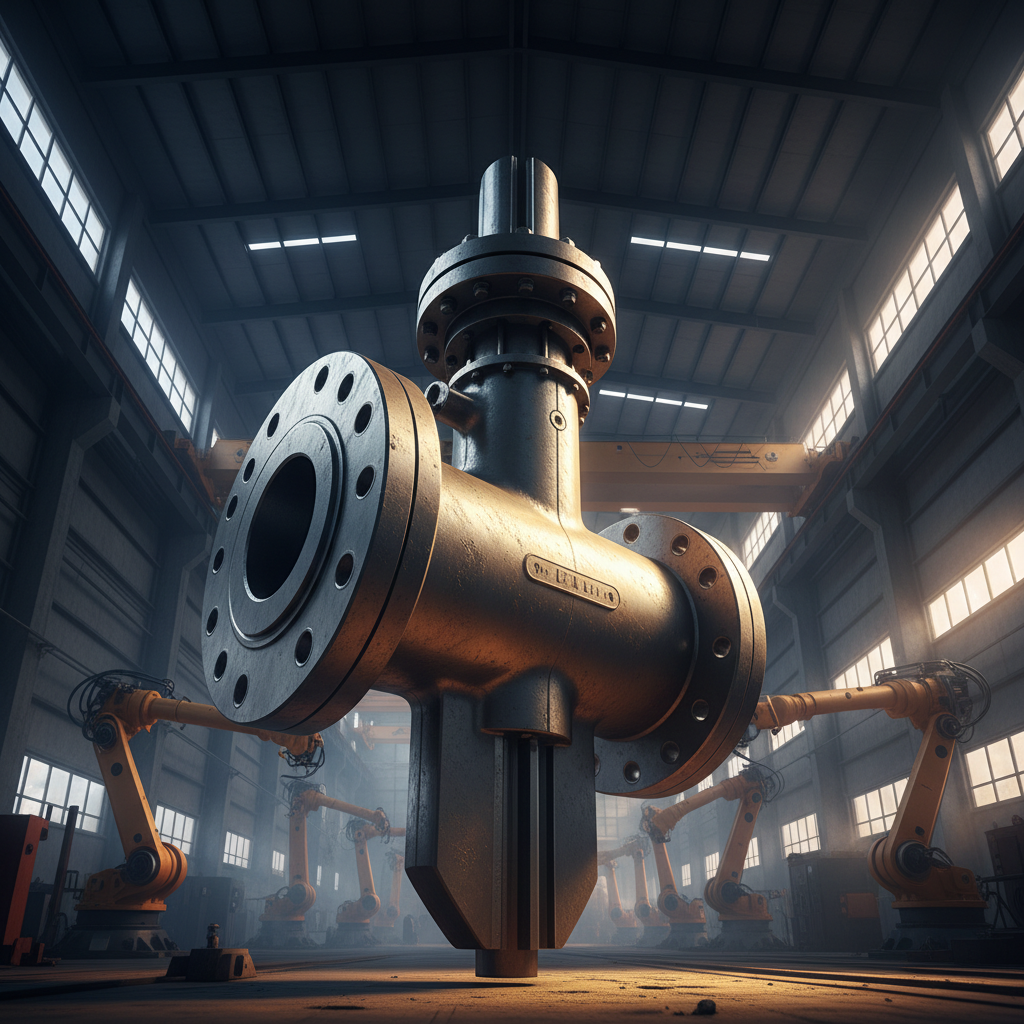
Exploring the Advantages of Double Eccentric Butterfly Valve Technology

Introduction to double eccentric butterfly valve

Exploring the Advantages of Double Eccentric Butterfly Valve Technology

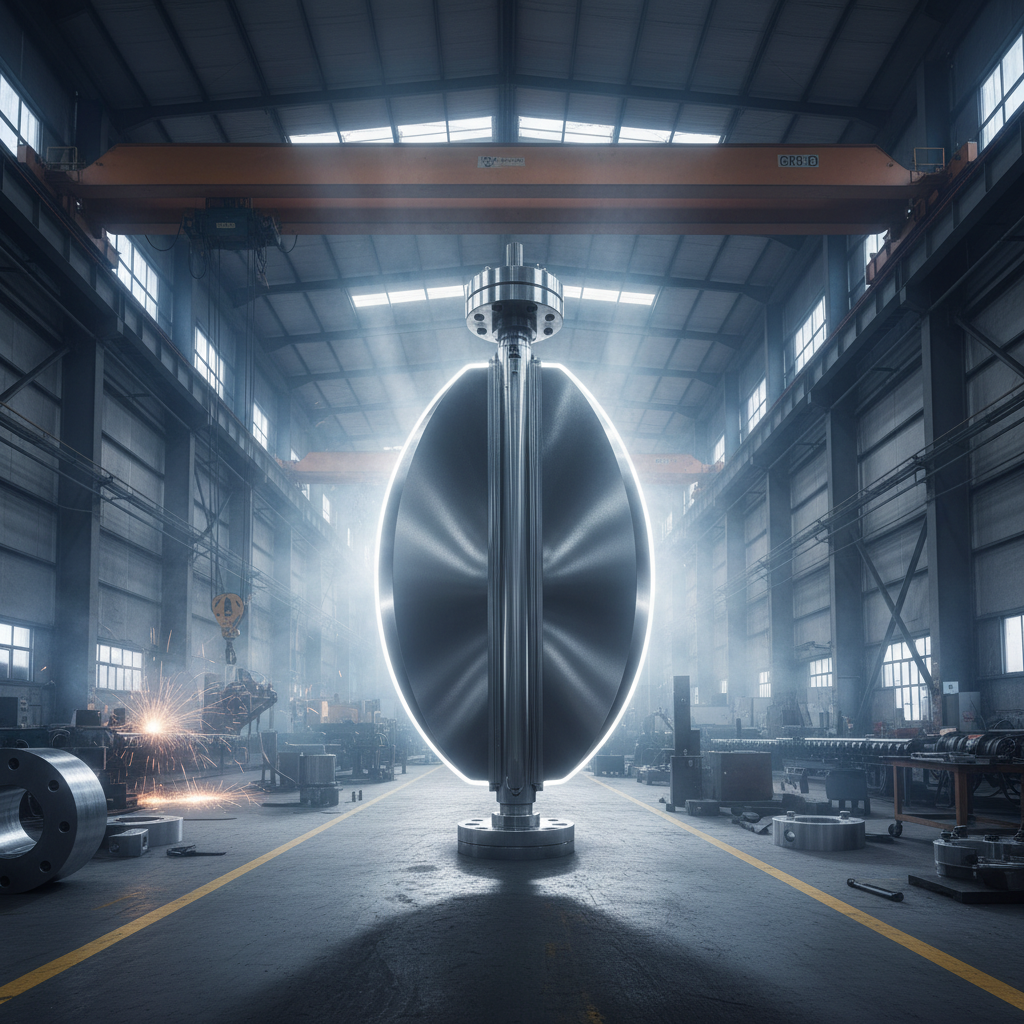
A double eccentric butterfly valve is a type of valve that utilizes an offset disc and stem design to achieve a tighter seal and minimize wear on the valve seat. Unlike a concentric butterfly valve, where the stem passes directly through the center of the disc, the stem in a double eccentric valve is offset, both from the centerline of the disc and the seat. This dual offset action allows the disc to rotate and seal against the seat without sliding contact, reducing friction and extending the valve’s lifespan.

This design is crucial in various applications requiring reliable shut-off and minimal leakage. From controlling water flow in municipal systems to regulating chemical processes in industrial plants, the double eccentric butterfly valve offers a robust and efficient solution. Understanding the mechanics behind this valve is essential for selecting the right valve for a specific application and ensuring optimal performance.

Understanding the Core Principles

The fundamental principle behind the double eccentric butterfly valve lies in its unique offset design. The offset stem ensures that the disc only contacts the downstream seat during closure, eliminating the sliding action that causes wear in concentric valves. This minimizes frictional forces, enabling smoother operation and reducing the risk of seat damage. The second eccentricity, relating to the disc's centerline offset, further enhances sealing capabilities by creating a more focused contact point.

The geometry of this design also minimizes the torque required to operate the valve, especially at higher pressures. This reduced torque translates to lower actuator demands, potentially reducing costs and improving system efficiency. The consistent, non-scraping contact between the disc and seat is the cornerstone of the valve’s longevity and reliability.

This design allows for a tighter shut-off compared to concentric butterfly valves, reducing leakage and enhancing process control. This is especially important in applications involving hazardous or valuable fluids. Proper material selection, coupled with the double eccentric design, allows for adaptation to various corrosive and high-temperature environments.

Key Components and Material Science

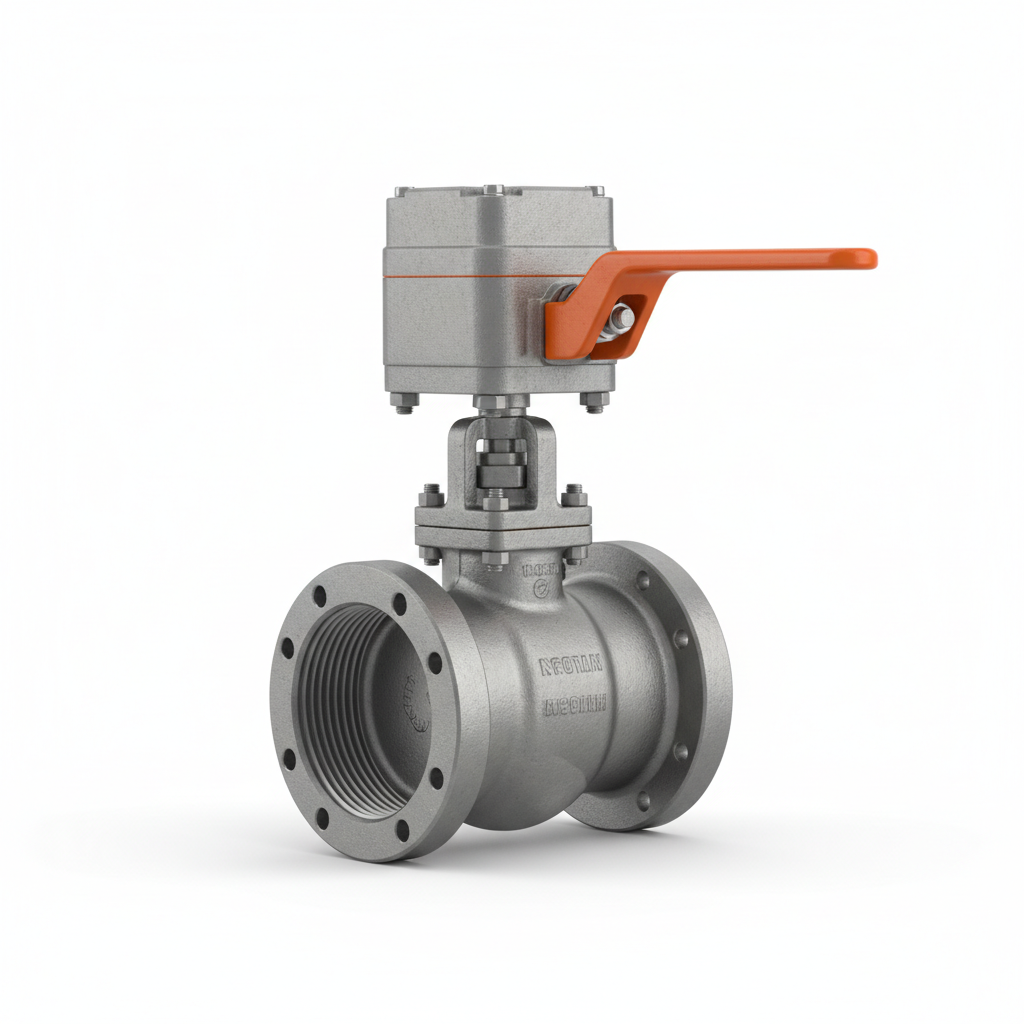
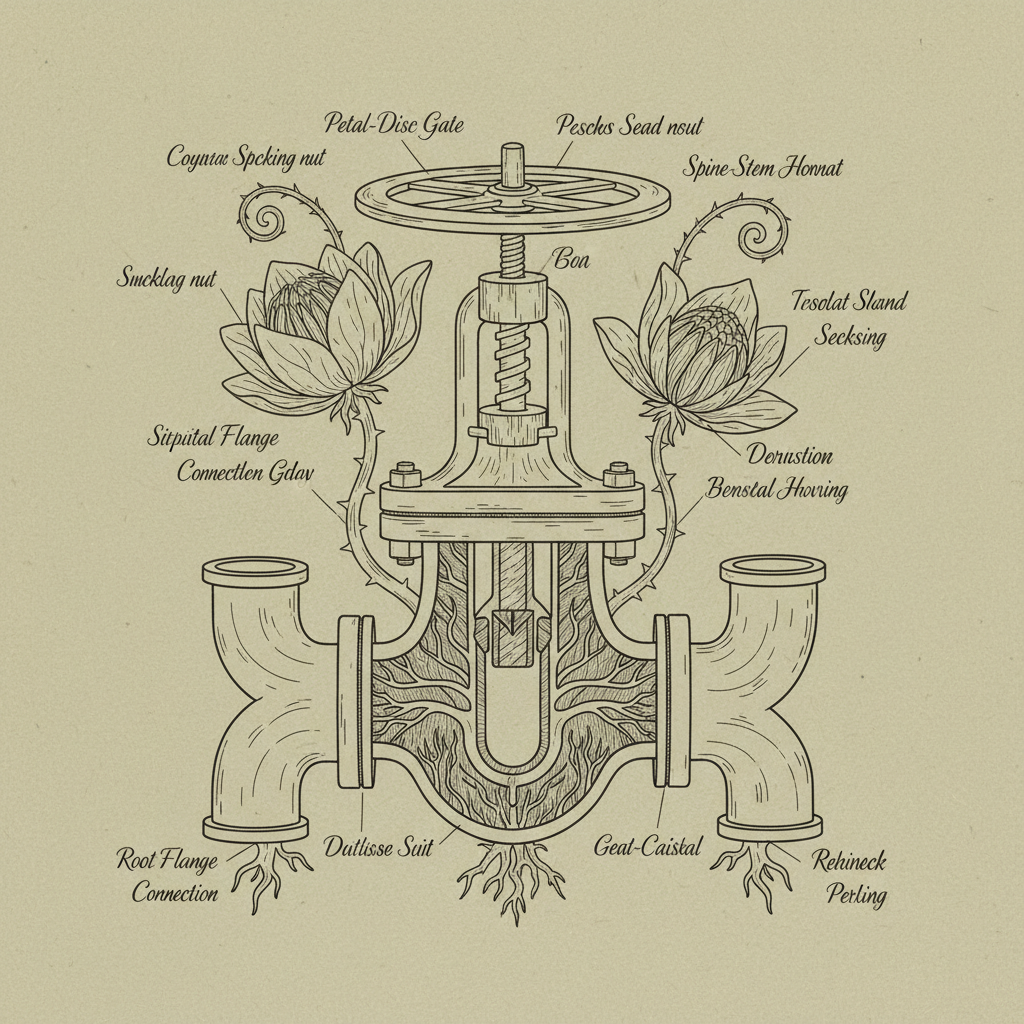
The primary components of a double eccentric butterfly valve include the valve body, the disc, the stem, the seat, and the actuator. The valve body, typically constructed from cast iron, stainless steel, or alloy steel, provides the structural support for the internal components. The disc, responsible for regulating flow, is often made from stainless steel, ductile iron, or alloy materials chosen for their corrosion resistance and durability.

Material selection is crucial for ensuring optimal performance and longevity. The seat material, often PTFE (Teflon) or other engineered polymers, must provide a tight seal and resist chemical attack. The stem, typically made of stainless steel, is designed for robust operation and resistance to corrosion. The actuator, which drives the valve’s operation, can be pneumatic, electric, or hydraulic, depending on the application’s requirements.

Advanced material science plays a pivotal role in enhancing the performance of double eccentric butterfly valves. For instance, the use of duplex stainless steels provides superior corrosion resistance in harsh environments, while specialized coatings can further protect valve components from erosion and wear. The proper pairing of materials to the specific fluid being controlled is essential for maximizing valve lifespan and minimizing maintenance needs.

Performance Characteristics & Metrics

Key performance characteristics of a double eccentric butterfly valve include its flow coefficient (Cv), pressure drop, leakage rate, and operating torque. The flow coefficient, a measure of the valve’s capacity to pass fluid, is influenced by the valve size, disc geometry, and flow conditions. Pressure drop, the loss of pressure as fluid flows through the valve, is minimized by the streamlined design of the double eccentric valve.

Leakage rate, a critical metric for many applications, is significantly lower in double eccentric designs compared to concentric valves due to the tight sealing capabilities. Operating torque, the force required to actuate the valve, is also reduced, leading to lower actuator costs and improved system efficiency.

double eccentric butterfly valve Performance Comparison


Real-World Applications Across Industries

Double eccentric butterfly valves find extensive use in the water and wastewater treatment industry, controlling flow in pipelines, reservoirs, and treatment plants. Their reliable shut-off and resistance to corrosion make them ideal for handling potable water and corrosive chemicals. In the power generation sector, these valves regulate steam and cooling water flow in power plants, ensuring efficient and safe operation.

The chemical processing industry benefits from the valve’s ability to handle aggressive media, while the oil and gas sector utilizes them for controlling flow in pipelines and refining processes. Furthermore, these valves are becoming increasingly prevalent in HVAC systems, providing precise temperature control and energy efficiency. The double eccentric butterfly valve is a critical component for fluid control in these diverse sectors.

Long-Term Benefits and Cost Analysis

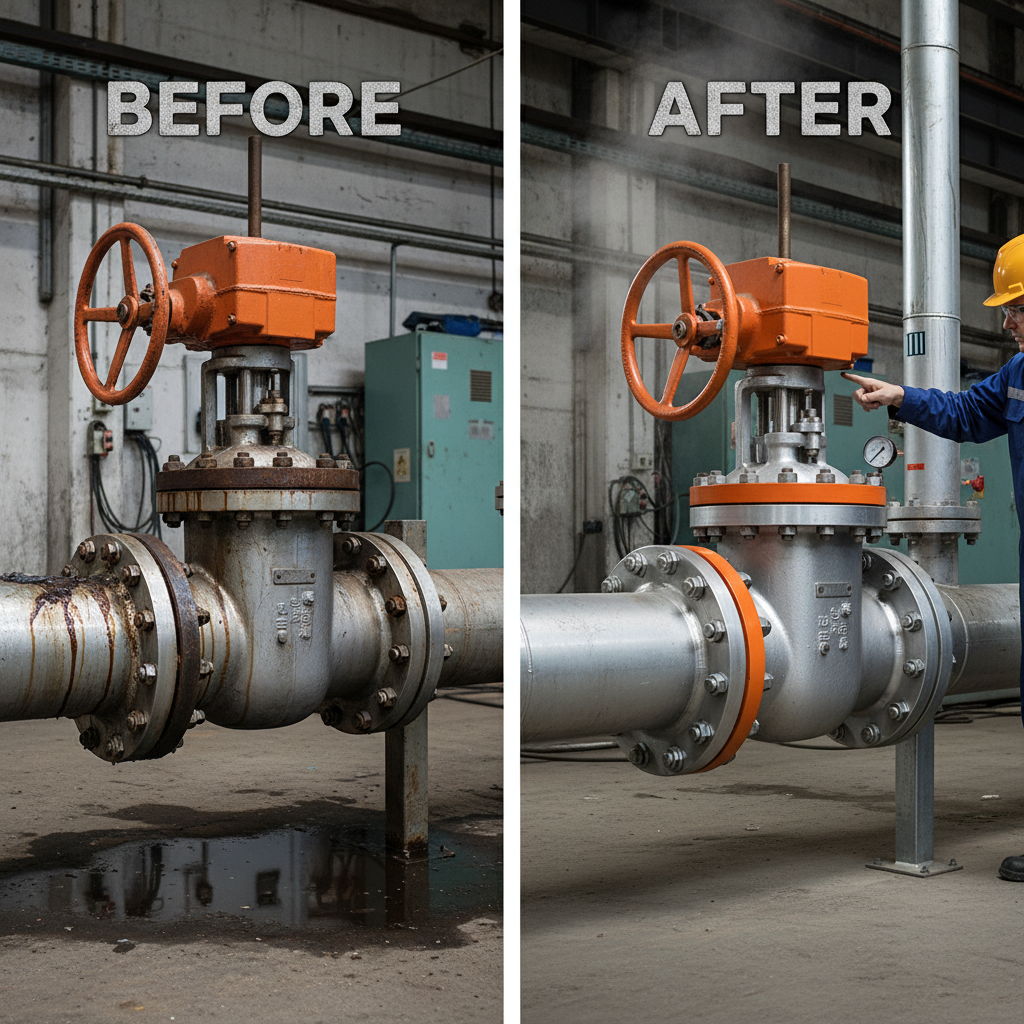
The long-term benefits of utilizing a double eccentric butterfly valve extend beyond initial cost savings. The reduced wear and tear on the valve seat translate to lower maintenance requirements and extended service life, minimizing downtime and reducing operational expenses. The tighter shut-off capabilities contribute to energy efficiency by preventing leakage and reducing waste.

A comprehensive cost analysis should consider not only the initial purchase price but also the life cycle costs, including maintenance, repair, and replacement. While the initial investment may be slightly higher than a concentric butterfly valve, the long-term savings associated with reduced maintenance and extended lifespan often make the double eccentric design a more cost-effective solution.

The increased reliability and enhanced safety features also contribute to overall cost savings by minimizing the risk of costly failures and environmental incidents.

Future Trends and Technological Advancements

The future of double eccentric butterfly valve technology is focused on advancements in materials, automation, and digital integration. The development of new, high-performance polymers and advanced alloys will further enhance corrosion resistance and extend valve lifespan. Smart valve technologies, incorporating sensors and data analytics, are enabling predictive maintenance and optimizing valve performance.

Digitalization is playing an increasingly significant role, with remote monitoring and control capabilities allowing operators to proactively address potential issues and improve system efficiency. Furthermore, the integration of 3D printing and additive manufacturing techniques is enabling the creation of customized valve designs tailored to specific application requirements.

Sustainability is also driving innovation, with a focus on developing eco-friendly materials and reducing the carbon footprint of valve manufacturing processes. The double eccentric butterfly valve is poised to benefit from these advancements, becoming even more reliable, efficient, and sustainable.

FAQS

What are the primary advantages of a double eccentric butterfly valve over a concentric design?

The primary advantages include a tighter shut-off due to the offset design, reduced wear on the valve seat (leading to a longer lifespan), and lower operating torque. The dual eccentricity eliminates sliding contact between the disc and seat, minimizing friction and enhancing reliability. These features are especially beneficial in demanding applications involving abrasive or corrosive fluids.

What materials are commonly used in the construction of double eccentric butterfly valves?

Common materials include cast iron, ductile iron, stainless steel (304, 316, duplex), and alloy steels for the valve body and disc. The seat is typically made of PTFE (Teflon) or other engineered polymers. The stem is usually constructed from stainless steel for corrosion resistance. Material selection depends on the specific application and fluid being controlled.

What maintenance is typically required for a double eccentric butterfly valve?

Routine maintenance typically involves inspecting and lubricating the stem and actuator, checking the seat for wear or damage, and verifying the tightness of all connections. Periodic inspection and replacement of the seat may be required depending on the fluid being controlled and the operating conditions. A proactive maintenance schedule is key to maximizing valve lifespan.

Can double eccentric butterfly valves be used with abrasive fluids?

Yes, but material selection is crucial. Using hardened materials for the disc and seat, such as stainless steel with specialized coatings, can significantly improve resistance to abrasive wear. Regular inspection and replacement of worn components are also recommended when handling abrasive fluids. Proper valve sizing is also critical to maintain acceptable flow velocities.

What is the typical leakage rate of a double eccentric butterfly valve?

Double eccentric butterfly valves offer a significantly lower leakage rate compared to concentric designs. Leakage rates are typically specified as a percentage of the valve size and are often compliant with industry standards like ANSI/FCI 70-2 or API 598. Tight shut-off is one of the key benefits of this valve type.

How does actuator type affect the performance of a double eccentric butterfly valve?

The actuator type (pneumatic, electric, or hydraulic) influences the speed of operation, control precision, and suitability for different applications. Pneumatic actuators are common for quick on/off operation, while electric actuators offer precise control and are often used in automated systems. Hydraulic actuators provide high torque for larger valves and demanding applications.

Conclusion

In conclusion, the double eccentric butterfly valve stands as a robust and reliable solution for fluid control across a diverse range of industries. Its unique design, minimizing wear and maximizing sealing efficiency, provides significant long-term benefits, including reduced maintenance, extended lifespan, and enhanced safety. Understanding the principles behind this valve type is essential for engineers, operators, and procurement professionals seeking optimal performance and cost-effectiveness.

Looking ahead, advancements in materials, automation, and digital integration will further enhance the capabilities of double eccentric butterfly valves, making them even more adaptable and sustainable. We encourage you to explore the possibilities and consider how this technology can benefit your operations. Visit our website at www.valve-cable.com to learn more and discover the perfect valve solution for your needs.

Richard Garcia

Richard Garcia

Richard Garcia is a Supply Chain Manager for Hebei Honest Industrial Group, responsible for ensuring the smooth flow of materials and products from our factory to customers worldwide. He expertly manages logistics, inventory control, and vendor relationships. Richard has 12 years of experience in international trade and is knowledgeable about
Previous Advanced Triple Offset Butterfly Valve Technology for Flow Control Systems
Next Understanding Control Valve Technology for Efficient Industrial Processes