You know, I've been running around construction sites all year, dealing with dust, concrete, and a whole lot of headaches. Lately, everyone's talking about smarter valves, stuff with sensors and remote controls. Seems like every other engineer is trying to jam some IoT thing into a butterfly valve. It's a bit much, to be honest. It's not that it’s bad, but… have you noticed how often these "smart" solutions just create more problems than they solve?
Anyway, I think a good butterfly valve is still, fundamentally, about keeping things flowing without leaking. Simple. People tend to overthink the design. I encountered this at a factory in Ningbo last time – they were trying to make a super-streamlined disc, all fancy curves. Looked beautiful in the CAD drawing, but it created turbulence in the flow. More wear and tear, more vibration… a nightmare for the actuators. It’s the small stuff, you know?
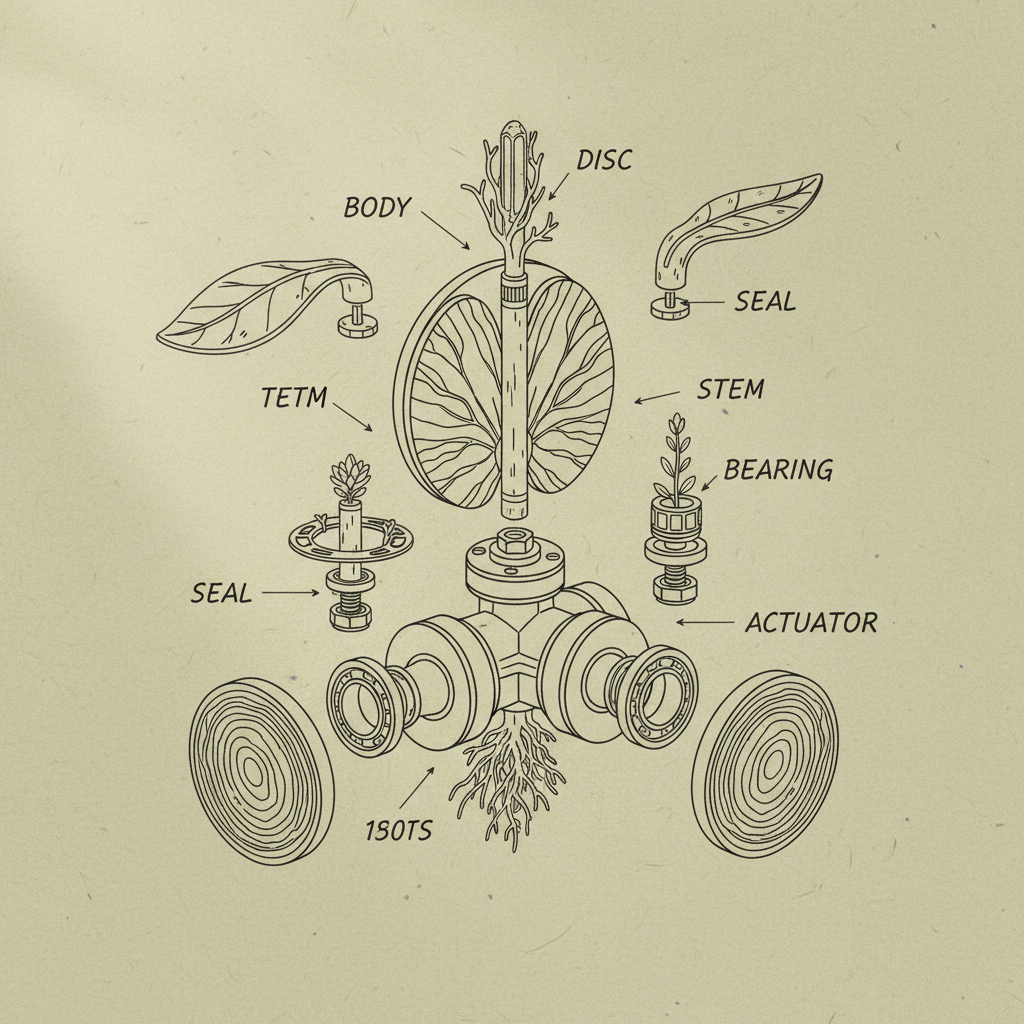
The materials... now that’s something I pay close attention to. We mostly use ductile iron for the body, good balance of strength and cost. Smells faintly metallic when you cut it, kind of like old coins. For the disc, it’s usually stainless steel – 316, primarily. You can tell a good 316 by the way it feels – smooth, cool to the touch. Cheaper stainless steels… they feel gritty. And the seals? EPDM is standard for water, but for harsher chemicals, you need Viton or PTFE. The PTFE is oddly satisfying to work with – it’s slippery, almost waxy.
Industry Trends and Design Pitfalls
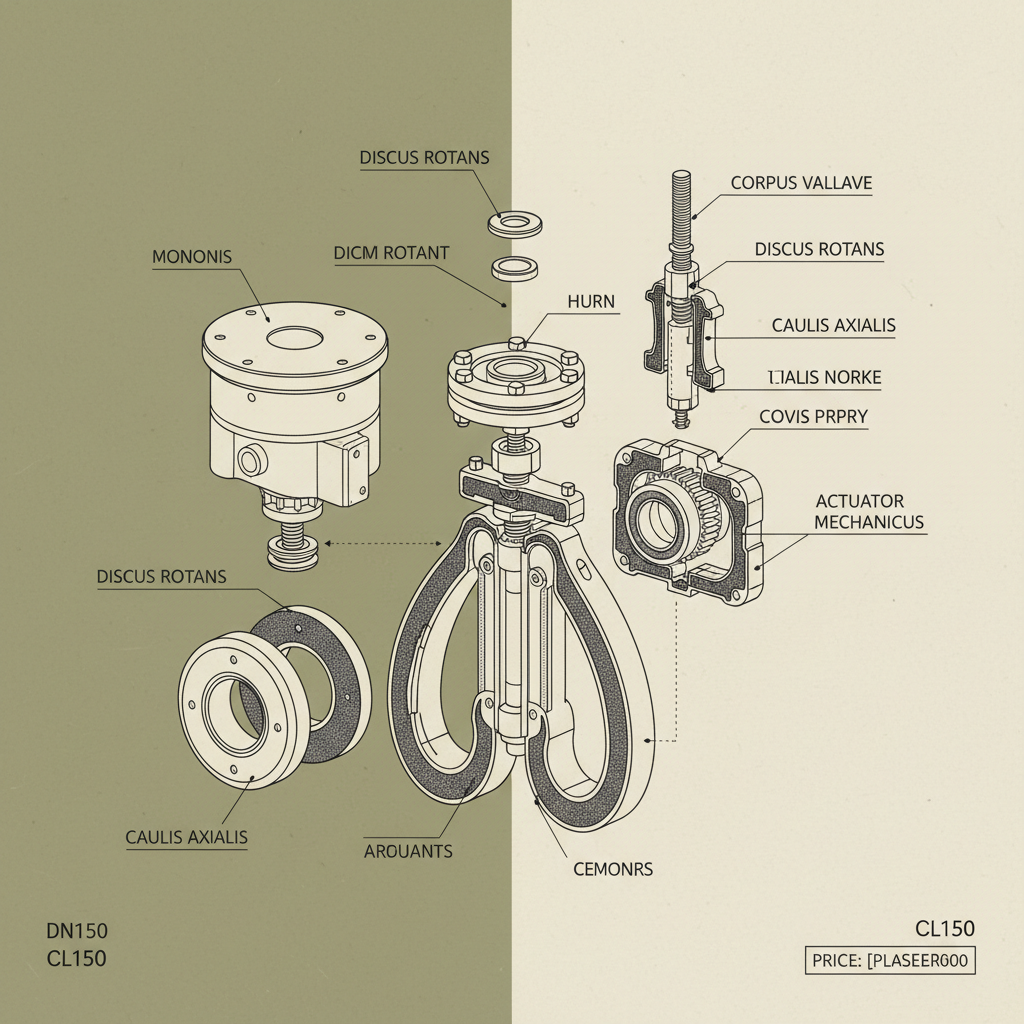
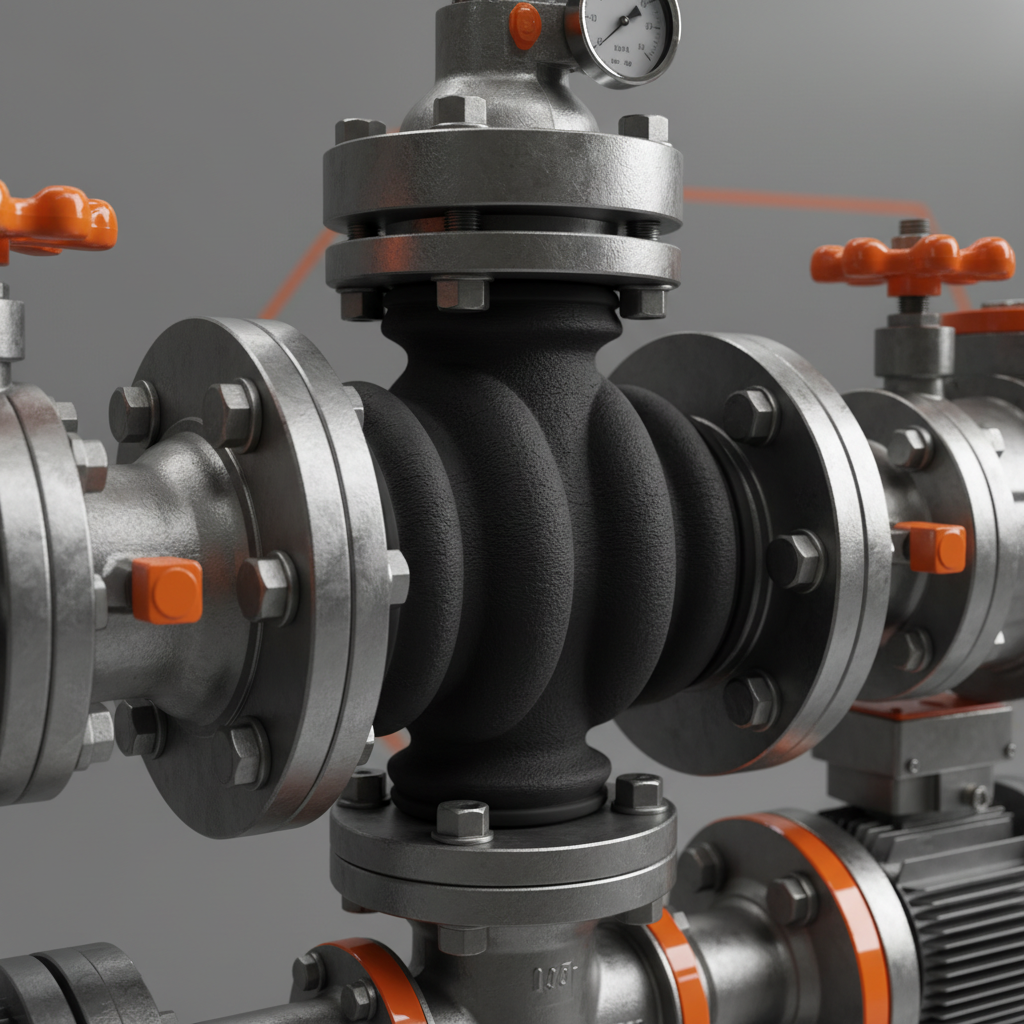
Strangely enough, the biggest trend right now isn't about making better valves, it's about making them "smarter". I mean, sensors, remote operation, data analytics… it’s a whole world. But a lot of these guys forget the basics. They’re so focused on the tech that they neglect the fluid dynamics. It’s like putting a rocket engine on a donkey cart. You'll get a fast donkey cart, but it’s still a donkey cart! I've seen designs where they’ve tried to integrate the sensor wiring inside the valve body. Bad idea. Corrosion, interference… just a mess.
The biggest pitfall? Over-engineering. Sometimes, a simple design is the best design. And a lot of these younger engineers… they want everything to be complex. They’re chasing perfection, but they’re missing the point. A valve needs to be reliable, durable, and affordable. Not a science project.
FAQS
In a clean water application, assuming proper installation and maintenance, a good quality butterfly valve should last anywhere from 20 to 30 years. Of course, this depends on the frequency of operation, water pressure, and the quality of the materials. I've seen some valves last even longer, but you can't count on it. Regular inspection and reseating of the disc are key to extending its life. Don’t forget to lubricate the stem occasionally!
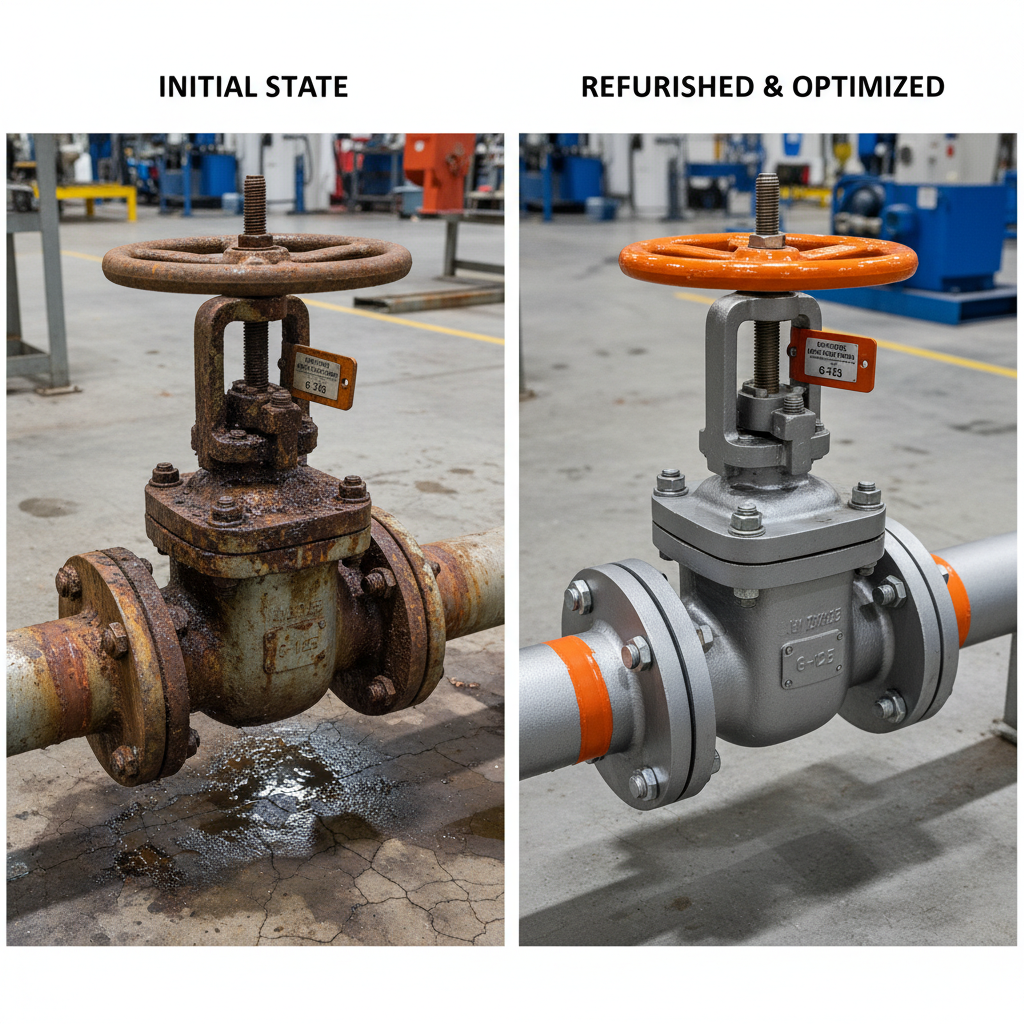
Leakage usually comes down to a few things: a worn or damaged seat, a corroded disc, or improper tightening of the flange bolts. Sometimes the disc is just out of alignment. Cavitation can also cause damage to the disc and seat, leading to leaks. Regularly checking the torque on the bolts is crucial. If you see any signs of corrosion, address it immediately. Ignoring it will only make things worse.
You can use a butterfly valve for throttling, but it’s not ideal. Prolonged throttling can cause erosion and cavitation, shortening the valve's lifespan. It’s better to use a globe valve or a ball valve for applications where precise flow control is needed. If you absolutely have to use a butterfly valve for throttling, keep it relatively open – don’t restrict the flow too much.
A lug butterfly valve has lugs on the valve body that allow it to be bolted directly to the flanges. It can be installed in a system without requiring a flange on the valve itself. A wafer butterfly valve, on the other hand, needs flanges on either side to be bolted between. Lug valves are generally easier to install and maintain, but they’re also more expensive. Wafer valves are a good choice for applications where space is limited.
For highly corrosive environments, you’ll want to use materials like stainless steel (316 is a good starting point), Alloy 20, or Hastelloy for the valve body and disc. For the seat, PTFE or other fluoropolymers are a must. Proper selection of materials is crucial to prevent corrosion and ensure a long service life. The type of chemical involved is key to knowing which material will work best.
The frequency of seat replacement depends on the application and the operating conditions. As a general rule of thumb, you should inspect the seat annually and replace it if you notice any signs of wear or damage. In harsh environments or with abrasive fluids, you may need to replace the seat more frequently. Regular maintenance is the key to preventing leaks and extending the valve's lifespan.
Conclusion
So, there you have it. Butterfly valves – seemingly simple things, but a whole lot goes into making a good one. It's about choosing the right materials, understanding the application, and paying attention to the details. The industry is chasing smart features, but the fundamentals still matter most.
Don't get caught up in the hype. Focus on reliability, durability, and cost-effectiveness. And remember, a well-designed and properly installed butterfly valve can save you a lot of headaches down the road. If you're looking for reliable butterfly valve solutions, visit our website.
Related Posts