0%

Table of Contents

Look, I’ve been crawling around construction sites for fifteen years, smelling concrete and steel every day. Lately, everyone's talking about smart valves, right? IoT, predictive maintenance, the whole shebang. It's not just hype, things are changing. Used to be, you'd just walk the line, listen for leaks, maybe bang on a pipe. Now, you've got sensors telling you what's happening before you even hear a drip. It's a bit unnerving, honestly.

But you gotta remember, fancy tech doesn't replace good old-fashioned know-how. I’ve seen too many engineers design stuff on a computer that just… doesn’t work in the real world. They forget about the grease, the vibrations, the guys trying to wrench things tight in awkward positions. It's frustrating, to be honest.

And the biggest thing I see getting screwed up? Seal design. People underestimate how much a tiny bit of misalignment can affect performance. You design for perfect conditions in the lab, but out there, it's never perfect.
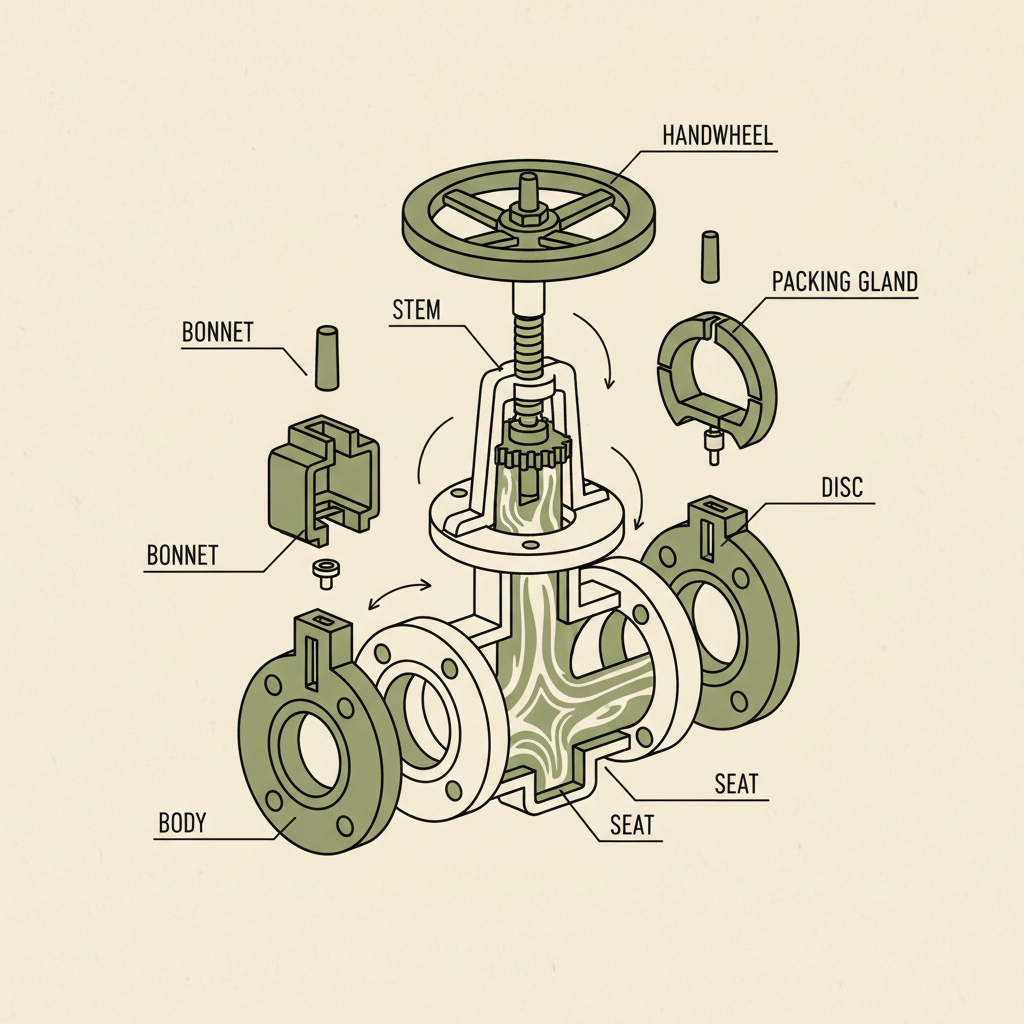
Advancements in Globe Valve Technology and Real World Application Challenges

The Rise of Smart Globe Valves

Advancements in Globe Valve Technology and Real World Application Challenges

It’s all about data, really. Globe valves, traditionally, they just were. You turned the handle, and things flowed or didn’t. Now? You get flow rates, pressure readings, temperature, even vibration analysis. That info goes to a central system, and you can spot problems before they become catastrophic. It's a big shift.

The demand is insane, particularly in oil and gas. They’re all trying to optimize production and reduce downtime. And frankly, regulations are pushing them towards it too. Gotta show you're monitoring things, right?

Design Pitfalls and Material Choices

I encountered this at a factory in Tianjin last time, this young engineer, fresh out of school, designing a valve body out of… stainless steel. For a sewage treatment plant. Seriously? Have you smelled sewage? That stuff is corrosive. Cast iron or even a specialized polymer would have been way more sensible. You need to think about the environment it's going into.

And the seals. Oh, the seals. Too much pressure, too much temperature, the wrong fluid, and they just… fail. Viton is good for a lot, but not everything. EPDM is great for water, but not for hydrocarbons. It’s a constant balancing act.

Strangely, I've also seen a trend toward over-engineering. Making things way stronger than they need to be, which just adds weight and cost. Sometimes, simpler is better.

Real-World Testing and User Behavior

Lab tests are fine, but they’re just… not real. We need to test these things under actual conditions. I’ve personally overseen tests where we buried valves in the ground for six months, exposed them to saltwater, cycled them thousands of times. It’s messy, it’s time-consuming, but it’s the only way to be sure.

And user behavior? Completely unpredictable. I've seen guys try to use a valve as a hammer. Really. Another time, a worker tried to lubricate a valve with…cooking oil. They don’t read the manuals, I tell ya. They just want it to work.

You design for the 'ideal' user, but you have to anticipate the 'real' user. That means robust designs, clear labeling, and maybe a little bit of built-in idiot-proofing.

Advantages, Disadvantages, and Customization

The advantages are obvious, right? Increased efficiency, reduced downtime, better safety. But there are downsides. The initial cost is higher, and you need skilled technicians to maintain the system. And frankly, there's a risk of cyberattacks. If someone hacks into your valve network, they could cause a lot of trouble.

Customization is where things get interesting. We had a customer, a chemical plant, who needed a valve that could handle a particularly corrosive fluid at extremely high temperatures. They wanted a special alloy coating, a modified seal design, and a built-in pressure relief valve. It wasn’t cheap, but it solved their problem. It’s about finding that sweet spot between standard parts and bespoke solutions.

Globe Valve Performance Metrics


Application Scenarios: Oil & Gas vs. Water Treatment

Oil and gas, they want everything heavy-duty, explosion-proof, and capable of handling extreme pressures and temperatures. They also need certifications out the wazoo. It's a bureaucratic nightmare, honestly. But the money’s good.

Water treatment is different. They’re more concerned about corrosion resistance and long-term reliability. Cost is a bigger factor. And they have to comply with strict environmental regulations. It's less glamorous, but just as important.

Anyway, I think the biggest trend, regardless of application, is moving towards modular designs. Makes installation and maintenance a whole lot easier.

Material Performance Comparison

Listen, you can talk about fancy alloys all day long, but at the end of the day, it's about what works in the field. Cast iron, surprisingly, still holds its own in a lot of applications. It’s cheap, it’s durable, and it's easy to repair. Stainless steel is good for corrosion resistance, but it’s expensive and can be prone to cracking under certain conditions.

Polymers are becoming more popular, especially for low-pressure applications. They're lightweight, corrosion-resistant, and relatively inexpensive. But they're not as strong as metal, and they can be damaged by UV light.

It really depends on the specific application. There's no one-size-fits-all answer.

Core Material Attributes for Globe Valve Selection

Material Type Corrosion Resistance (1-10) Strength/Durability (1-10) Cost (1-10 - 1 being cheapest)
Cast Iron 4 8 2
Stainless Steel (316) 9 7 7
PVC 8 4 1
CPVC 7 5 3
Hastelloy C-276 10 6 10
Ductile Iron 6 9 4

FAQS

What's the biggest mistake people make when choosing a globe valve?

Honestly, it's not considering the fluid. You gotta know what's flowing through it – is it abrasive? Corrosive? What's the temperature? Pick the wrong material, and you're asking for trouble. I've seen valves fail within weeks because someone skimped on the alloy. It's always about the fluid, the fluid, the fluid. They don’t read the specs, just go for the cheapest option.

How important is regular maintenance with these smart valves?

Crucial. All that data is useless if the sensors are fouled or the actuators are gummed up. You need a preventative maintenance schedule, regular inspections, and skilled technicians who know what they're doing. These aren't 'set it and forget it' devices. They need attention, or they'll become expensive paperweights.

What's the lifespan of a typical globe valve in a harsh environment?

That's a tough one. Depends on the environment, the fluid, the materials, and the maintenance. But generally, you’re looking at 5-10 years, maybe more if you’re really diligent with upkeep. But anything beyond that, and you're pushing your luck. It’s better to replace it proactively than wait for a catastrophic failure.

Are these smart valves worth the investment compared to traditional ones?

In the long run, usually yes. The reduced downtime, the increased efficiency, the ability to predict failures – it all adds up. But you need to factor in the upfront cost, the installation cost, and the training cost. It’s not a slam dunk, but for a lot of applications, it pays for itself.

Can globe valves be retrofitted with smart sensors?

You can, but it's not always easy. It depends on the valve design and the type of sensor you're trying to install. Sometimes you need to replace the entire valve. It's often more cost-effective to just buy a new smart valve from the start, but retrofitting is an option if you have a specific reason to keep the existing valve.

What are the biggest cybersecurity concerns with smart valves?

Well, you're essentially connecting critical infrastructure to the internet. That opens up a whole can of worms. Someone could potentially hack into the system and manipulate the valves, causing a disruption or even a disaster. You need robust security protocols, firewalls, and regular security audits.

Conclusion

So, where does all this leave us? Smart globe valves are here to stay. They’re offering real benefits in terms of efficiency, reliability, and safety. But they’re not a silver bullet. You need to understand the underlying technology, choose the right materials, and implement a robust maintenance program. And don't forget the human factor – skilled technicians and operators are still essential.

Ultimately, whether this thing works or not, the worker will know the moment he tightens the screw. That’s the truth of it. You can have all the fancy sensors and data in the world, but if the valve doesn’t physically perform, it’s all for nothing. And that’s what keeps me coming back to the construction sites, year after year. globe valve

William Thompson

William Thompson

William Thompson is a Product Development Engineer specializing in butterfly and check valves at Hebei Honest Industrial Group. He focuses on incorporating the latest advancements in materials and design to enhance valve performance and longevity. William holds a PhD in fluid dynamics and is responsible for researching and implementing new
Previous Optimizing Foot Valve Performance Through Material Science and Practical Design
Next Navigating Modern Construction Challenges with Prefabrication and the Strainer Method