In the complex landscape of modern electrical infrastructure, copper cable wire remains the gold standard for conductivity and reliability. As industries shift toward higher energy efficiency and smarter grids, the demand for high-purity copper conductors has surged, making it a critical component in everything from residential wiring to heavy-duty industrial machinery.
The global energy transition is placing unprecedented pressure on electrical distribution systems. With the rise of electric vehicles and renewable energy integration, the ability of copper cable wire to handle high current loads with minimal energy loss is not just a technical advantage, but a necessity for maintaining grid stability and safety.
Understanding the nuances of copper alloy compositions, insulation materials, and installation standards is essential for engineers and procurement specialists. By optimizing the choice of copper cable wire, companies can significantly reduce long-term operational costs while enhancing the lifespan of their electrical installations.
Global Industry Context of Copper Cable Wire
From a global perspective, the market for copper cable wire is intrinsically linked to the pace of urbanization and industrialization. According to data aligned with ISO standards and industrial growth reports, the electrification of emerging economies in Asia and Africa has led to a sustained increase in the demand for high-conductivity copper. This isn't merely about quantity; it is about the quality of the metal and the sophistication of the insulation used to protect it.
However, the industry faces a paradoxical challenge: while the need for copper grows, the volatility of raw material prices and the environmental impact of mining create supply chain risks. This has forced manufacturers to innovate, focusing on "lean" copper usage—where high-precision engineering allows for smaller diameters without compromising the current-carrying capacity of the copper cable wire.
Defining Copper Cable Wire and Its Utility
At its most basic level, copper cable wire consists of one or more copper conductors, typically insulated with a protective layer of PVC, XLPE, or rubber. Unlike aluminum alternatives, copper provides superior electrical conductivity and thermal stability, which minimizes voltage drops over long distances and reduces the risk of overheating in high-load scenarios.
In the context of modern humanitarian and industrial needs, these cables serve as the nervous system of the built environment. Whether it is providing stable power to a remote field hospital or ensuring the precision of automated valves in a chemical plant, the reliability of the copper cable wire determines the overall safety and efficiency of the operation.
Furthermore, the versatility of copper allows it to be drawn into extremely fine strands for data transmission or thick bars for primary power distribution. This adaptability ensures that it remains the primary choice for applications where failure is not an option and where the highest standards of electrical integrity are required.
Core Components of High-Performance Cabling
The efficacy of copper cable wire is primarily determined by its purity. Oxygen-free copper (OFC) is often utilized in high-end industrial settings to prevent oxidation, which can increase resistance and lead to energy loss over time.
Insulation and jacketing represent the second critical component. Depending on the environment, a copper cable wire might require chemical-resistant polymers for oil-and-gas applications or fire-retardant materials for high-rise building safety, ensuring that the core conductor remains protected from external corrosion.
Finally, the structural design—whether stranded or solid core—impacts the flexibility and durability of the copper cable wire. Stranded cables are preferred in robotic arms and moving machinery where constant bending occurs, whereas solid cores are ideal for permanent architectural installations.
Global Applications and Industrial Use Cases
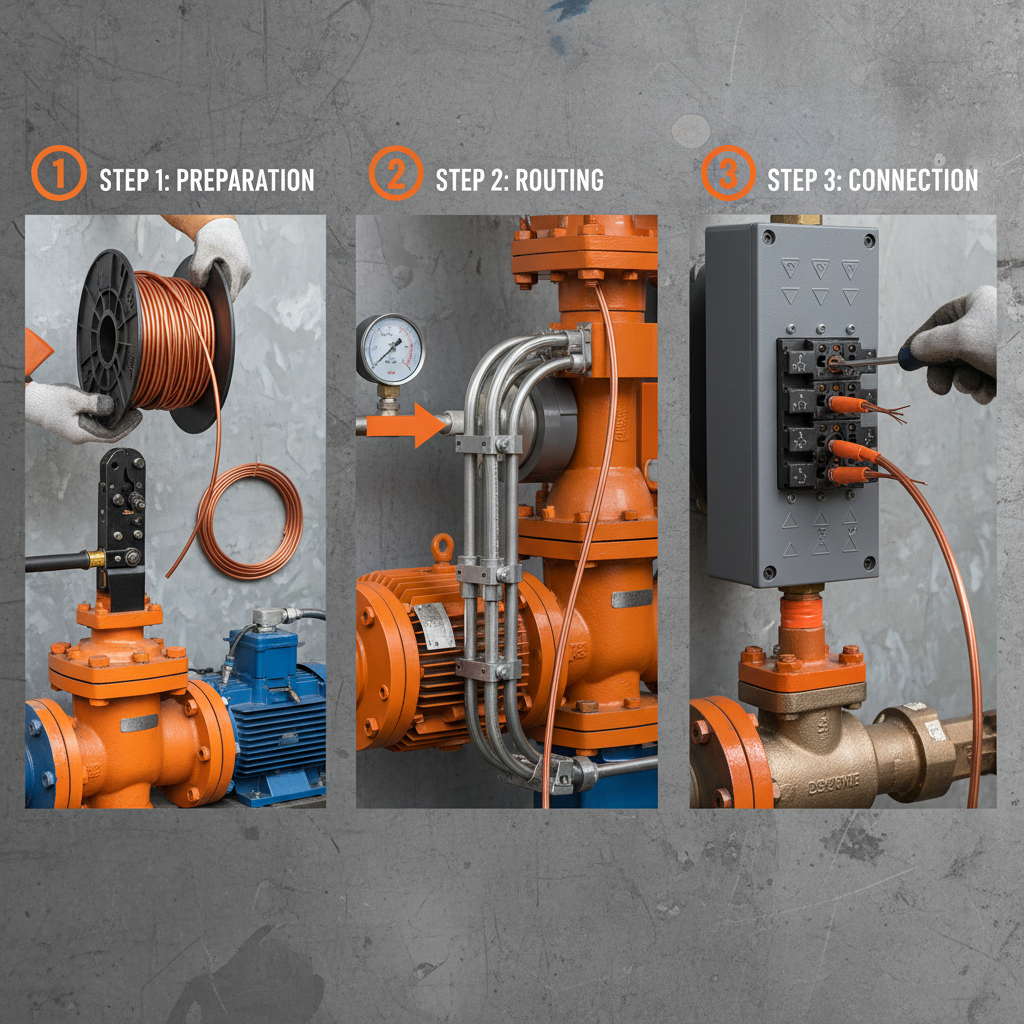
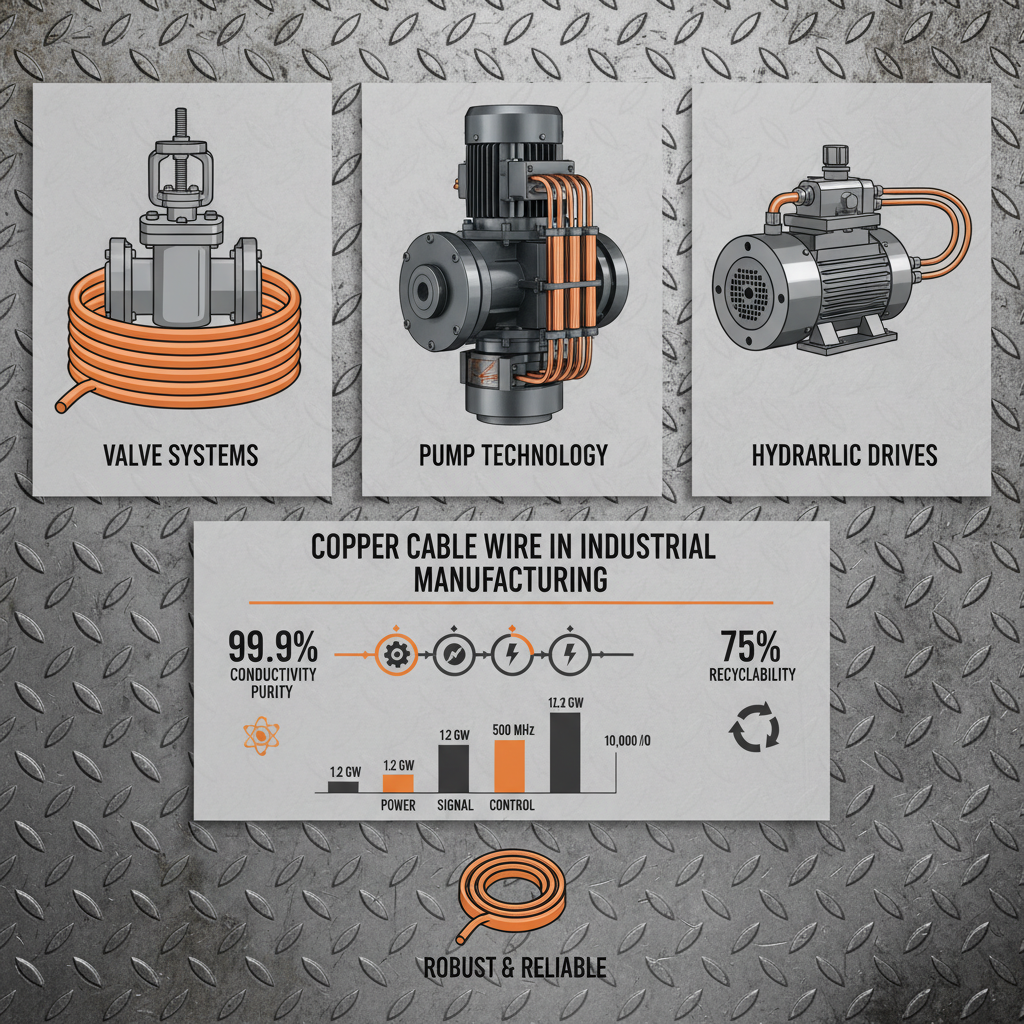
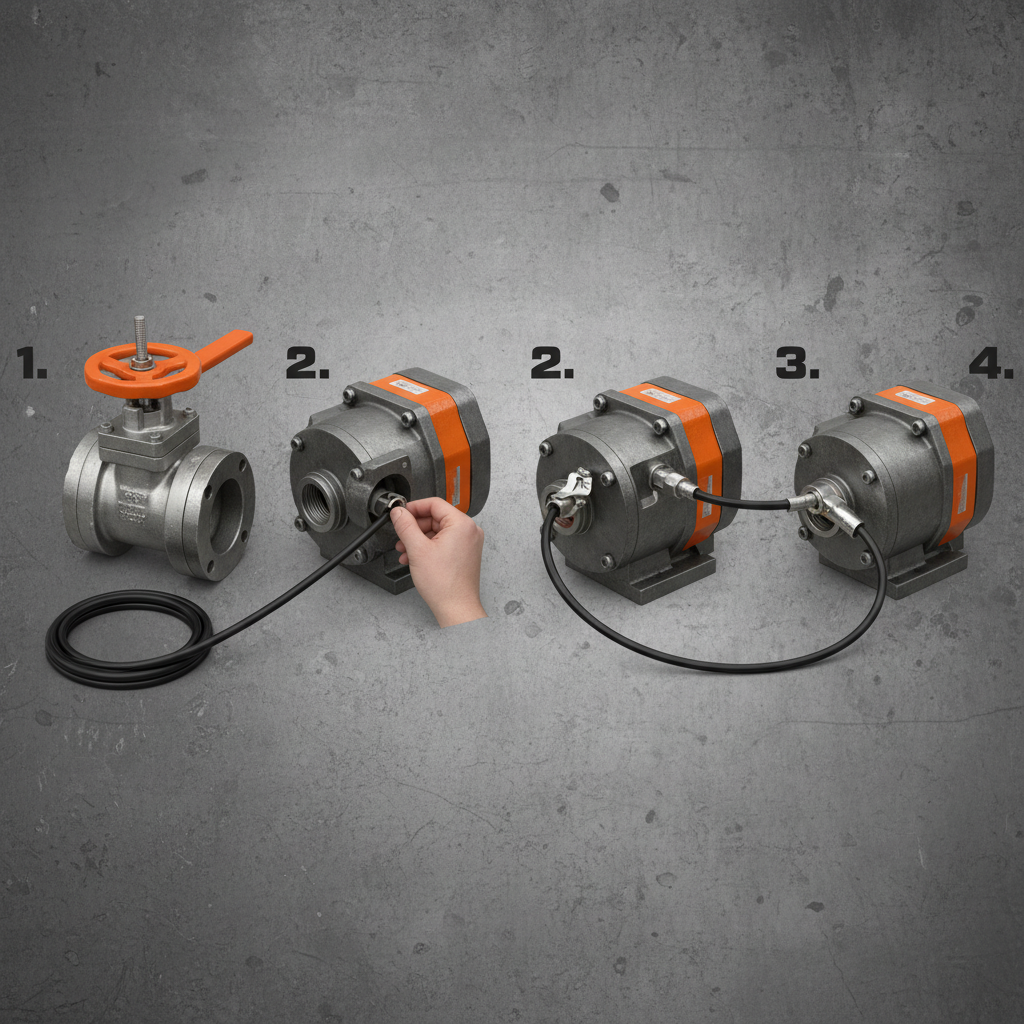
The application of copper cable wire spans nearly every sector of the global economy. In the energy sector, it is indispensable for wind turbine arrays and solar farm inverters, where the ability to handle fluctuating currents is paramount. In heavy manufacturing, specifically in the production of valves and pipe fittings, copper cabling powers the actuators and sensors that automate fluid control systems.
In remote industrial zones, such as mining operations in the Andes or offshore oil rigs in the North Sea, the resilience of specialized copper cable wire prevents costly downtime. These environments demand cables that can withstand extreme temperature swings and saltwater corrosion while maintaining a steady flow of power to critical safety systems.
Performance Analysis of Copper Cable Wire Types
Tangible Advantages and Long-Term Value
The long-term value of investing in high-quality copper cable wire lies in its unmatched reliability. From a logical standpoint, copper's low resistance means less energy is wasted as heat, directly lowering electricity bills and reducing the carbon footprint of the facility. From a safety perspective, the inherent stability of copper reduces the likelihood of electrical fires, providing peace of mind to facility managers and owners.
Beyond the technical specifications, there is a strong sustainability angle. Copper is 100% recyclable without any loss of performance. This circular economy aspect ensures that the copper cable wire installed today will not become hazardous waste tomorrow, but rather a valuable resource for future generations, aligning industrial growth with ecological responsibility.
Future Trends in Copper Conductor Technology
The future of copper cable wire is being shaped by the digital transformation of the industry. We are seeing the emergence of "smart cables" that integrate fiber-optic sensors within the copper shielding to monitor temperature and strain in real-time, allowing for predictive maintenance before a failure occurs.
Furthermore, the push toward green energy is driving the development of new copper alloys that offer even higher conductivity at extreme temperatures. These innovations are crucial for the next generation of ultra-fast EV charging stations and high-capacity data centers, where heat management is the primary engineering hurdle.
Automation and AI are also refining the manufacturing process. Using AI-driven quality control, manufacturers can now ensure a level of consistency in copper cable wire purity that was previously impossible, reducing the margin of error and increasing the overall safety of global electrical grids.
Challenges and Expert Solutions in Implementation
Despite its advantages, the implementation of copper cable wire is not without challenges. The most prominent issue is oxidation, especially in humid or coastal environments. Expert solutions include the use of tinned copper, where a thin layer of tin is applied to the copper strands to prevent corrosion without significantly impacting conductivity.
Another common hurdle is the weight and cost of copper compared to aluminum. For long-distance transmission, engineers often employ a hybrid approach, using aluminum for the main runs and copper cable wire for the critical terminations and connections where high current density is required.
Lastly, improper installation often leads to "hot spots" at termination points. The professional solution is the adoption of standardized compression fittings and torque-controlled tightening, ensuring that the copper cable wire maintains a perfect electrical contact throughout its operational life.
Comparison of Copper Cable Wire Implementation Standards
| Application Scenario |
Recommended Cable Type |
Critical Metric |
Expected Lifespan |
| Industrial Automation |
Stranded Copper |
Flexibility Index |
15-20 Years |
| Coastal Power Grids |
Tinned Copper |
Corrosion Resistance |
25+ Years |
| High-Precision Audio/Data |
Oxygen-Free Copper |
Signal Purity |
30+ Years |
| Residential Wiring |
Solid Core Copper |
Cost-Efficiency |
40+ Years |
| Heavy Machinery |
Rubber-Insulated Copper |
Thermal Threshold |
10-15 Years |
| Renewable Energy Hubs |
XLPE Copper Cable |
Current Load Capacity |
20-25 Years |
FAQS
While aluminum is lighter and cheaper, copper cable wire is superior in terms of conductivity, ductility, and resistance to corrosion. Copper is preferred for smaller gauges and high-current connections where space is limited and reliability is paramount, whereas aluminum is often used for long-distance high-voltage transmission lines.
The most effective way to prevent oxidation in copper cable wire is by using tinned copper or applying high-quality dielectric grease at connection points. Additionally, ensuring that the cable is properly jacketed with materials like PVC or XLPE prevents moisture and oxygen from reaching the conductor.
Solid copper cable wire consists of a single thick conductor and is best for permanent installations. Stranded wire is made of many thin filaments twisted together, making it far more flexible and resistant to fatigue, which is ideal for cabling in machinery or vehicles.
Copper itself has a high melting point, but the limitation is usually the insulation. By using specialized copper cable wire with silicone or PTFE insulation, cables can operate in environments ranging from -60°C to over 200°C without degrading.
Higher purity, such as in Oxygen-Free Copper, reduces the number of impurities that obstruct electron flow. This results in lower electrical resistance, meaning copper cable wire with higher purity runs cooler and transmits power more efficiently.
Yes, copper cable wire is one of the most sustainable industrial materials because it is infinitely recyclable. Recycling copper requires significantly less energy than mining new ore, making it a cornerstone of green building and sustainable engineering.
Conclusion
In summary, copper cable wire remains an indispensable asset in the modern industrial toolkit, offering a perfect blend of conductivity, durability, and sustainability. From its critical role in automating heavy equipment to its ability to power the next generation of green energy grids, the technical superiority of copper ensures that it will remain the primary choice for high-stakes electrical infrastructure.
As we move toward a future defined by electrification and smart automation, the focus will shift toward higher purity materials and integrated sensing technologies. For companies looking to ensure the longevity and safety of their operations, investing in premium copper cable wire is not just a procurement decision, but a strategic investment in operational resilience. Visit our website for more information: www.valve-cable.com