Honestly, the whole construction material scene is moving towards lighter, stronger, and… well, less headache-inducing stuff. You spend enough time lugging things around sites, and you start to appreciate every gram saved. Everyone’s chasing carbon fiber composites now, but the price… forget about it. It’s like gold dust. But there's a lot of talk about advanced polymers, self-healing concrete, and even some bio-based materials, which is interesting, I guess. You see a lot of that buzz at trade shows, but getting it to work on a real building site? That's a whole different story.
I’ve noticed a lot of designers get hung up on aesthetics, and completely forget about practicality. Like, putting a fancy finish on something that's going to get blasted with mud and grit every day. What's the point? It's just going to look terrible in a week. And don't even get me started on unnecessarily complex assemblies. The more parts you have, the more things that can go wrong. Keep it simple, that’s my motto.
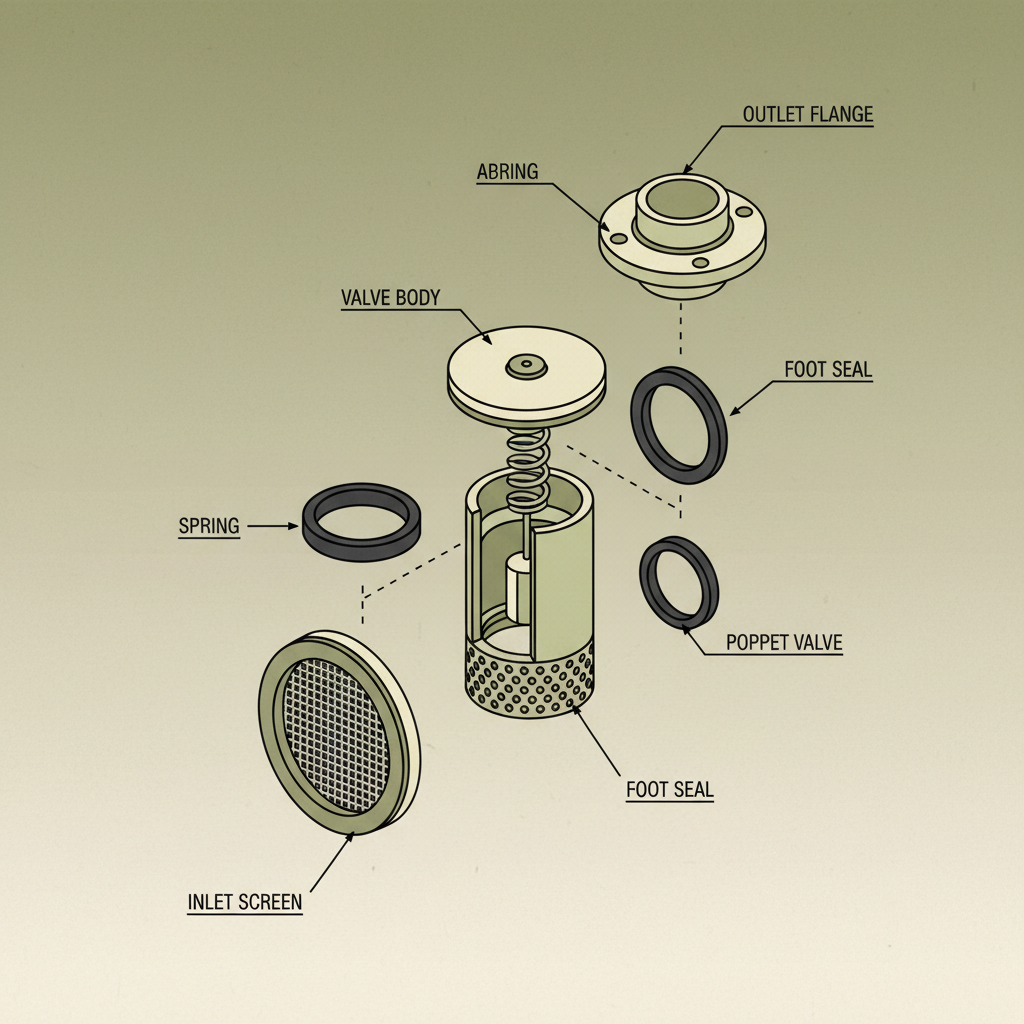
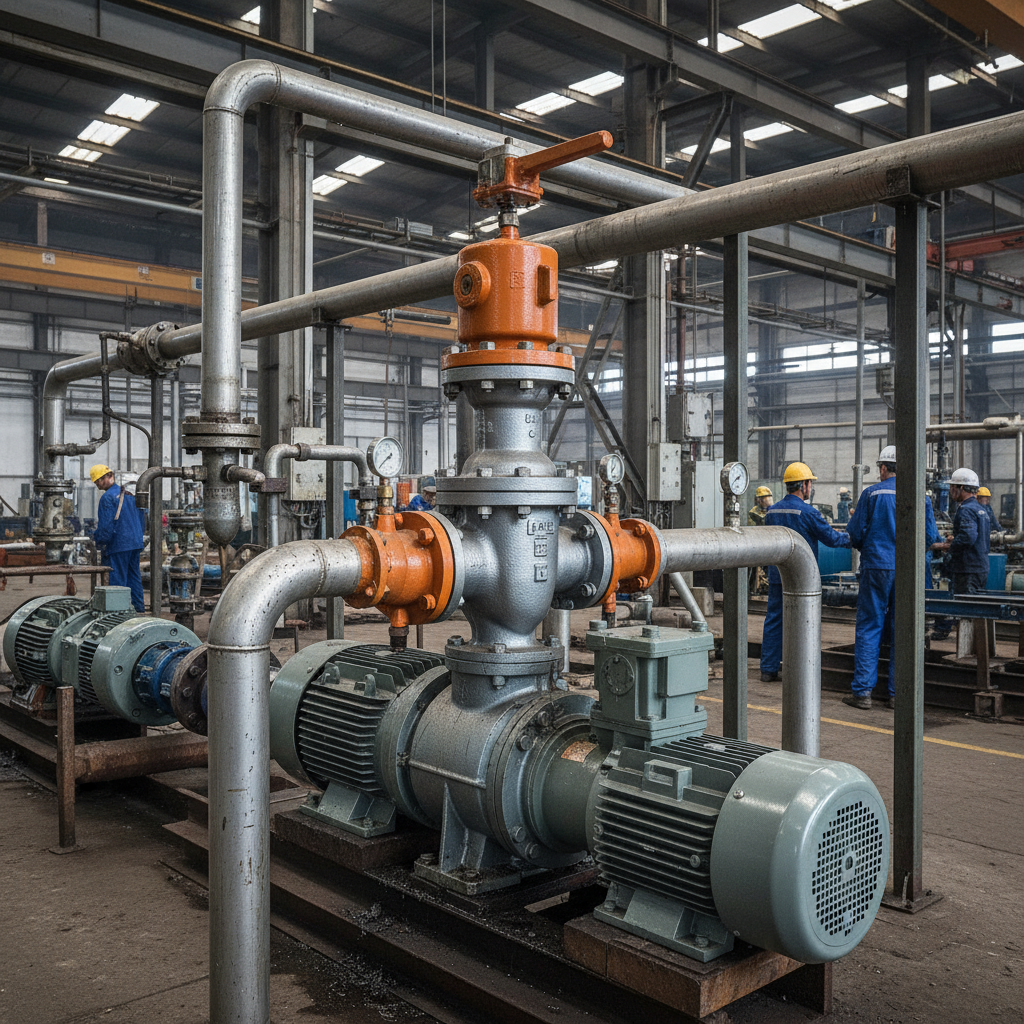
We use a lot of high-density polyethylene (HDPE) for our foot valve components. It's a tough plastic, smells a bit like… well, plastic, obviously. It’s surprisingly light, though. You can tell a good piece of HDPE by how it feels – it's slightly waxy to the touch, and doesn’t shatter easily. Then there's the stainless steel, 316 grade mostly. The feel is cold, and solid, of course. I once encountered this at a factory last time, and they were using a cheaper grade that rusted within a month. Disaster.
Industry Trends and Design Pitfalls
Strangely, everyone’s talking about sustainability, but then they order materials from halfway across the world. Makes no sense. You're adding carbon just getting the stuff to the site. It’s a balancing act, I suppose. Trying to find materials that are both durable and environmentally friendly… it’s tough. And then there’s the constant pressure to reduce costs. That always leads to compromises.
I've seen designers create beautiful renderings of things that are impossible to manufacture efficiently. They’ll specify tolerances that are just unrealistic for the production process. It drives the factory guys crazy. Anyway, I think communication between design and manufacturing is key. It’s the biggest headache, honestly.
Material Selection and Handling
We're also experimenting with different types of rubber for seals and gaskets. There are so many variations – EPDM, nitrile, silicone… each with its own strengths and weaknesses. EPDM is good for outdoor use, resists UV and weathering, but it's not great with oils. Nitrile is better with oils, but degrades in sunlight. You really have to know your materials. And handling them properly is crucial. Storing rubber in direct sunlight, for example, will ruin it.
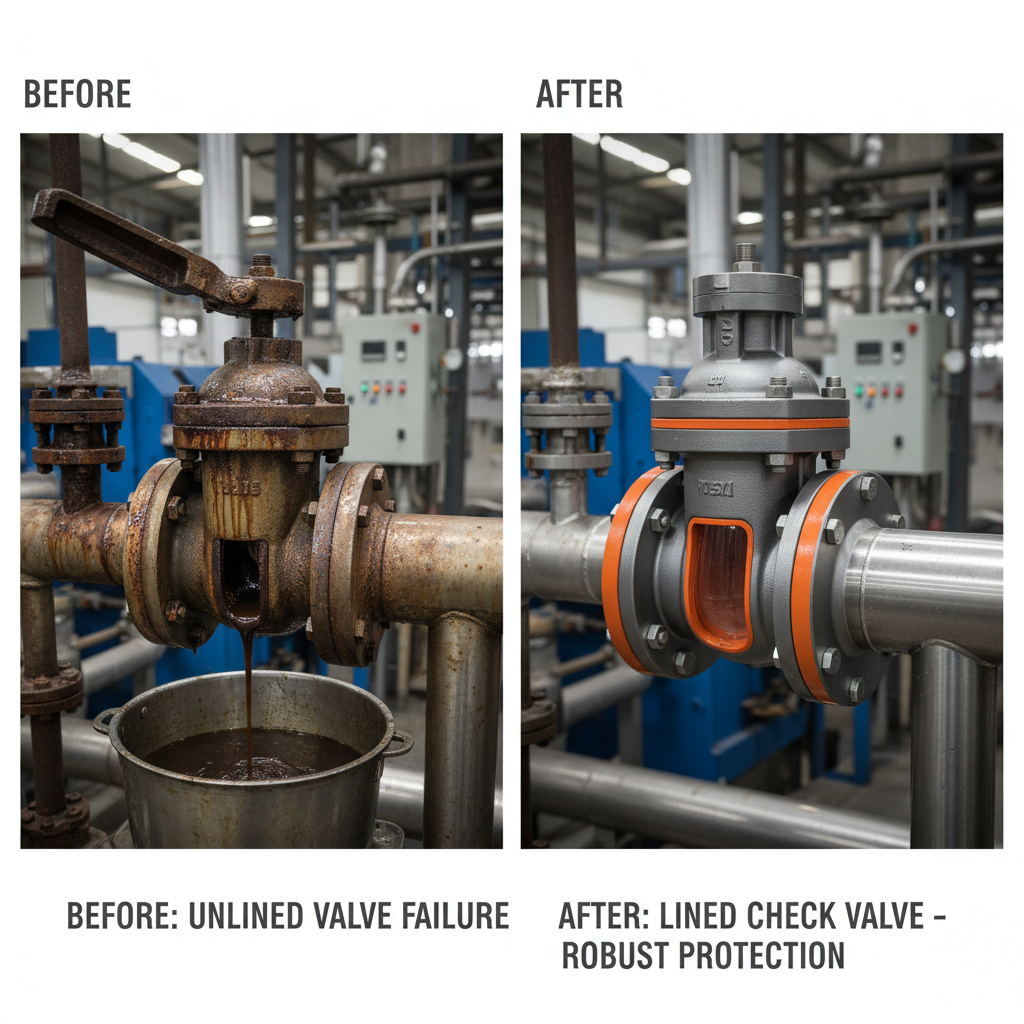
The quality of the metal matters too. Cheap steel bends too easily, corrodes quickly. You end up replacing parts constantly. It’s cheaper in the short run, but more expensive in the long run. We prefer stainless steel, even if it costs a bit more upfront.
And then there’s the whole issue of material compatibility. You can’t just slap any two materials together and expect them to play nice. Galvanic corrosion is a real problem. You get different metals in contact, especially in a wet environment, and one will corrode faster than the other. It's basic chemistry, really.
Testing in the Real World
Lab tests are useful, sure, but they don’t always reflect real-world conditions. We do a lot of field testing. We take prototypes out to construction sites and just… use them. Beat them up a bit. See how they hold up to dirt, dust, rain, and general abuse. That's where you really find the weaknesses.
We've started pressure testing our foot valve components in-situ, connecting them to actual water lines and seeing how they perform under different pressures. It’s a bit more complicated than a simple lab test, but it gives us a much more accurate picture of their reliability. I’ve seen components pass all the lab tests and then fail spectacularly in the field.
We also do drop tests, impact tests, and cyclic fatigue tests. Basically, we try to break them in every way we can think of. And then we look at what breaks, and why. It’s not glamorous work, but it’s important.
User Application and Practicalities
You’d think people would read the instructions, but… not always. We’ve had customers try to use our foot valve components in applications they weren’t designed for. Like, trying to pump concrete with a valve that’s only rated for water. It doesn't end well. That's why clear labeling and simple installation instructions are so important.
Another thing I've noticed is that installers often overtighten connections. They think they're making it more secure, but they're actually damaging the threads. It’s a common mistake. We’re trying to educate people about proper installation techniques, but it’s an uphill battle.
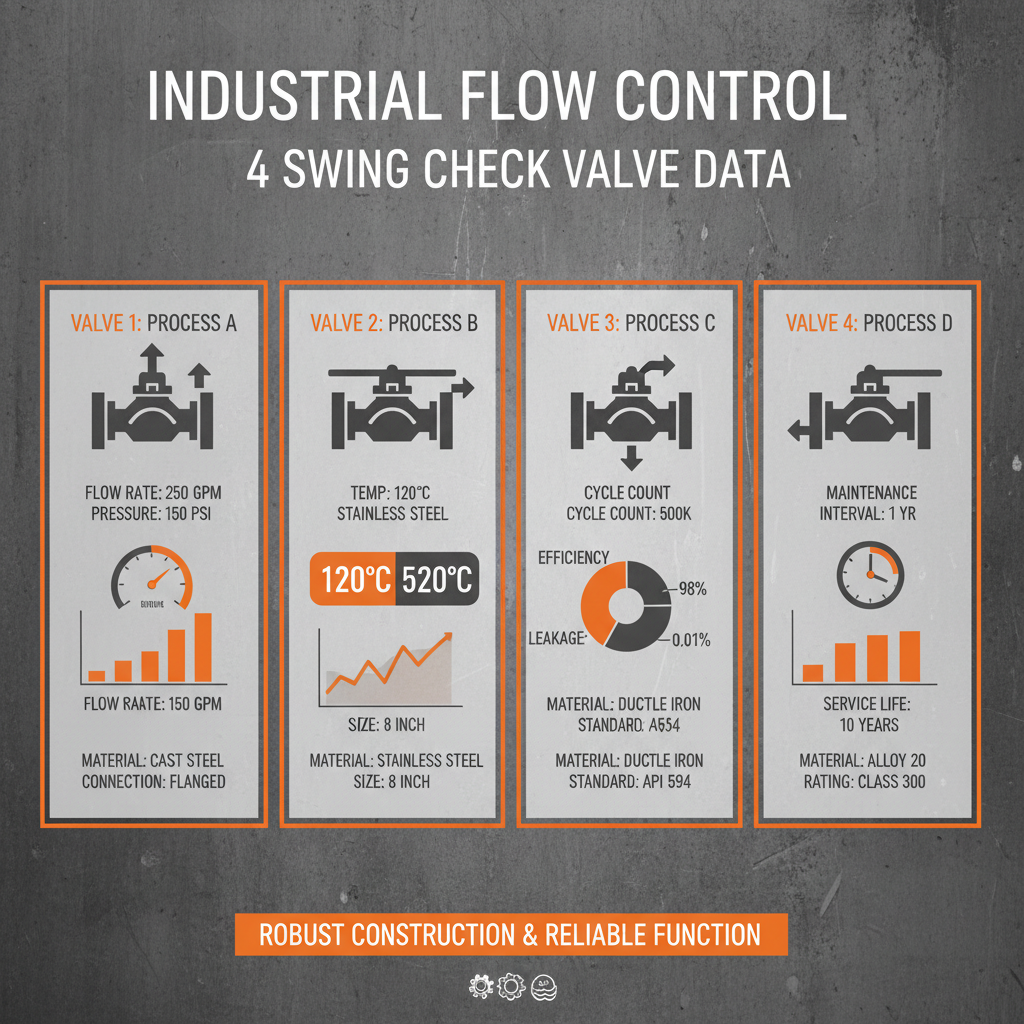
foot valve Performance Across Different Applications
Advantages, Disadvantages, and Customization
Our foot valve designs are generally pretty robust. They’re easy to install, require minimal maintenance, and last a long time. That’s the main selling point. But they’re not perfect. They can be a bit bulky, and they’re not the cheapest option on the market. But you get what you pay for, right?
We do offer some customization options. Last week, a customer in the oil and gas industry wanted a valve with a special coating to resist corrosion in seawater. We were able to accommodate that request, no problem. We can also modify the port sizes, the materials, and the connection types. Anything really, within reason.
A Customer Story from Shenzhen
Last month, that small boss in Shenzhen who makes smart home devices insisted on changing the interface to . He said it was "more modern." I tried to tell him that the standard connector was more durable and readily available, but he wouldn't listen. The result? He had to recall thousands of units because the connectors kept breaking. It cost him a fortune. A fortune! He finally admitted I was right, but by then it was too late.
It just goes to show that sometimes, sticking with what works is the best option. Fancy features are great, but they need to be reliable. I mean, what good is a smart home device if it doesn’t even work?
That guy, he was all about appearances. But on a construction site, functionality is king.
Real-World Performance Analysis
We collect data from installations to track performance. Mostly failures, to be honest. It's not sexy, but it's useful. We analyze the failure modes, identify the root causes, and then use that information to improve our designs.
We've found that most failures are due to improper installation or maintenance. But there are also failures due to material defects or design flaws. It's a constant process of learning and improvement.
Here’s a rough breakdown of common issues, scribbled as if on a site notepad:
Common Foot Valve Failure Modes
| Failure Type |
Likelihood (1-10) |
Typical Cause |
Estimated Repair Cost |
| Leakage |
7 |
Worn seal, loose connection |
$50 - $200 |
| Corrosion |
6 |
Exposure to harsh chemicals, seawater |
$100 - $500 |
| Blockage |
5 |
Debris, sediment buildup |
$20 - $100 |
| Mechanical Failure |
4 |
Fatigue, excessive wear |
$200 - $1000 |
| Improper Installation |
8 |
Overtightening, misalignment |
$30 - $150 |
| Material Degradation |
3 |
UV exposure, chemical attack |
$150 - $750 |
FAQS
Honestly, it's all about material selection and proper coating. Stainless steel is your friend, especially 316 grade. But even that needs a protective coating in harsh environments. And don’t forget about sacrificial anodes – they corrode instead of the valve itself. It's a little bit of chemistry and a little bit of foresight.
Depends on the application, but at least annually. More often if it's in a critical system or a harsh environment. Look for leaks, corrosion, and any signs of wear and tear. A quick visual inspection can save you a lot of headaches down the road. Trust me.
Sometimes they can be repaired, but it’s often not worth the effort. Replacing the entire valve is usually faster and more reliable. Seals and gaskets can be replaced, but if the body is corroded or damaged, it’s game over. Don’t waste your time trying to patch up something that’s beyond saving.
Overtightening the connections. Seriously. People think they're making it more secure, but they're just stripping the threads or damaging the valve body. Use a torque wrench and follow the manufacturer's specifications. It’s not rocket science. But people still do it.
Absolutely. You need to consider the chemical compatibility of the valve materials with the liquid being pumped. For example, you wouldn't use a standard brass valve with corrosive chemicals. You’d need stainless steel or a specialized polymer. Know your fluids!
That's a good question. You need to consider the flow rate and the pipe diameter. Undersized valves will restrict flow, and oversized valves can cause cavitation. Do your calculations, or consult with an engineer. It’s better to get it right the first time than to have to redo everything later.
Conclusion
So, yeah, foot valve design isn't glamorous, but it's essential. It’s about finding the right balance between cost, performance, and reliability. It's about understanding the materials, the applications, and the people who are actually going to be using them. It's a messy, frustrating, but ultimately rewarding job.
Ultimately, whether this thing works or not, the worker will know the moment he tightens the screw. You can run all the tests you want, but the real proof is in the pudding. And if the worker has to come back and fix it, then we've failed. That’s the bottom line.