Trunnion mounted systems represent a crucial element in modern industrial infrastructure, enabling efficient and reliable handling of critical components across diverse sectors. From large-scale valve actuation in pipelines to precision positioning in aerospace applications, the ability to support and rotate heavy loads with stability and control is paramount. Understanding the principles behind trunnion mounted designs, their advantages, and emerging trends is vital for engineers, project managers, and anyone involved in the design, operation, or maintenance of such systems. This knowledge drives innovation and ensures the continued safe and effective operation of countless processes globally.
The global relevance of trunnion mounted solutions is intrinsically linked to the expanding demands of industries like oil and gas, water treatment, power generation, and manufacturing. With the increasing need for robust and reliable infrastructure to support growing populations and economic activity, the demand for high-performance trunnion mounted components is projected to steadily increase. According to industry reports, the global valve market, a major consumer of trunnion mounted components, is expected to reach \$83.7 billion by 2028, growing at a CAGR of 5.2% from 2021 to 2028 (source: Grand View Research).
A key challenge addressed by trunnion mounted systems lies in managing the significant stresses and forces associated with large, rotating equipment. Traditional mounting methods often struggle with stability, leading to premature wear, reduced efficiency, and potential safety hazards. Trunnion mounted designs, by providing a robust and strategically supported pivot point, mitigate these risks, offering enhanced performance, increased operational lifespan, and reduced maintenance costs. This makes them indispensable in scenarios where reliability is non-negotiable.
Introduction to Trunnion Mounted Systems
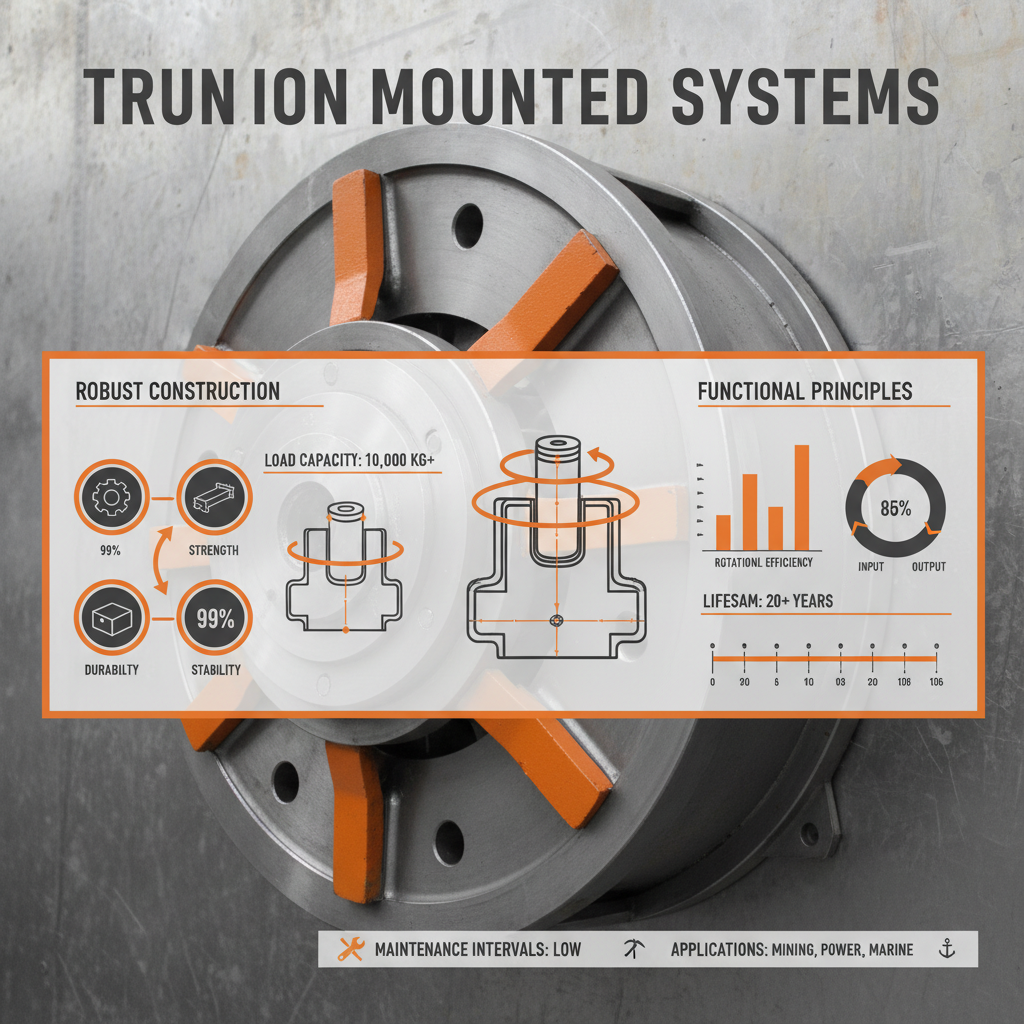
Trunnion mounted systems are a foundational engineering approach to supporting and rotating heavy loads, particularly in demanding industrial environments. They utilize a trunnion – a cylindrical projection – as a pivot point, allowing for smooth and controlled rotation while distributing weight effectively. This design is critical in applications requiring significant torque and precise positioning, such as large valves, mixers, and rotating equipment in processing plants.
The core principle revolves around minimizing stress concentration and ensuring stable operation. By strategically positioning the trunnion and utilizing robust bearing systems, these setups enhance the longevity and reliability of the supported components. This is particularly important in sectors where downtime is costly, or operational failures can have significant safety implications. trunnion mounted systems have become a cornerstone of many essential processes.
Defining Trunnion Mounted Configurations
At its essence, a trunnion mounted configuration involves securing a component via cylindrical trunnions to a supporting structure. These trunnions are typically fitted with bearings, such as roller bearings or sleeve bearings, to facilitate smooth rotation and minimize friction. The arrangement allows for rotation around a horizontal axis, offering a stable platform for components that require frequent turning or adjustment. Various configurations exist, tailored to specific load requirements and operational conditions.
The specific design considerations often involve factors like load capacity, rotational speed, environmental conditions, and the presence of corrosive substances. For example, a trunnion mounted valve in a chemical processing plant will require different materials and sealing solutions compared to a similar valve used in a water treatment facility. The goal remains consistent: to provide a secure, reliable, and low-maintenance rotational support system.
Understanding the different types of bearings used in trunnion mounted systems – from simple bronze bushings to sophisticated spherical roller bearings – is crucial for optimal performance. Selecting the appropriate bearing type directly impacts load capacity, rotational precision, and overall system lifespan.
Key Components of Trunnion Mounted Designs
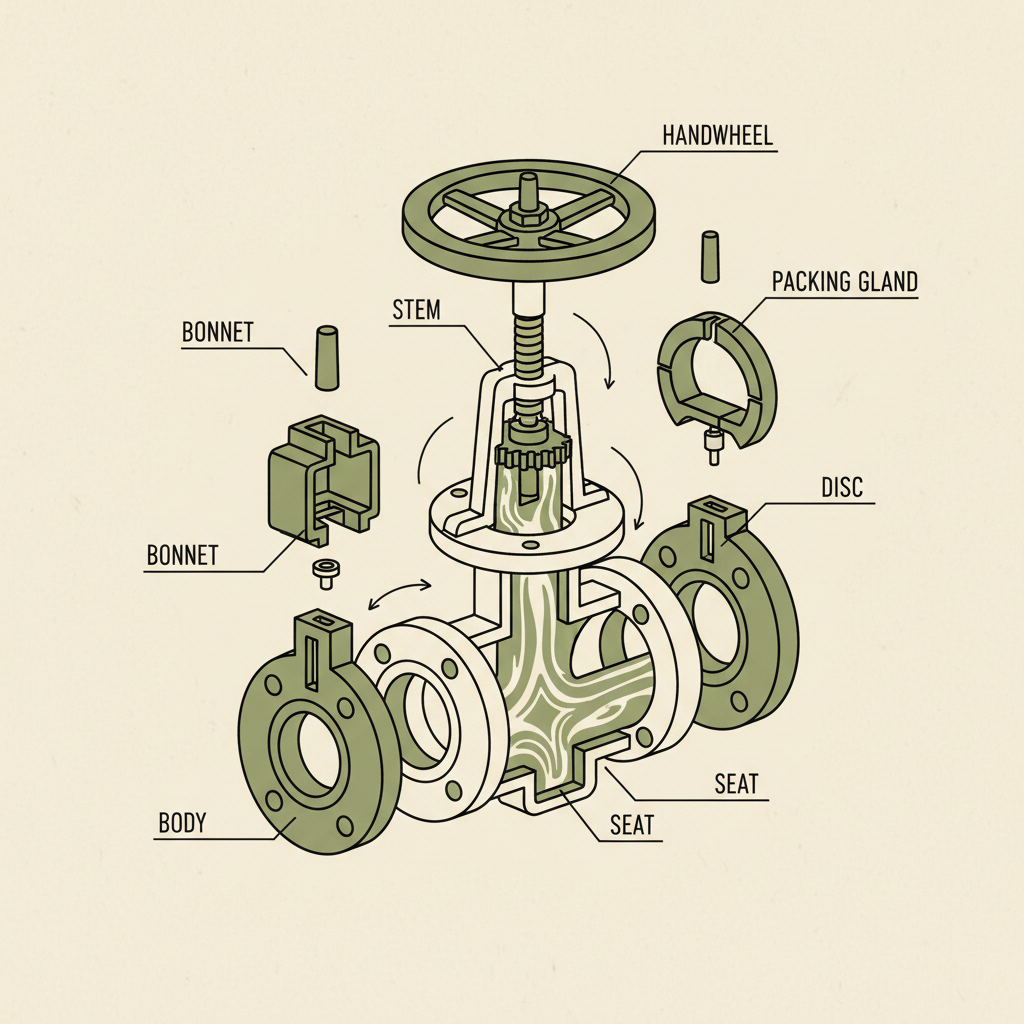
Several core components contribute to the functionality and reliability of trunnion mounted systems. These include the trunnions themselves, typically constructed from high-strength steel or stainless steel, and the bearings that support their rotation. Seals play a critical role in preventing contaminant ingress and lubricant leakage, especially in harsh environments. Additionally, the supporting structure, often a robust frame or mounting plate, must be designed to withstand the significant loads and stresses imposed by the rotating component.
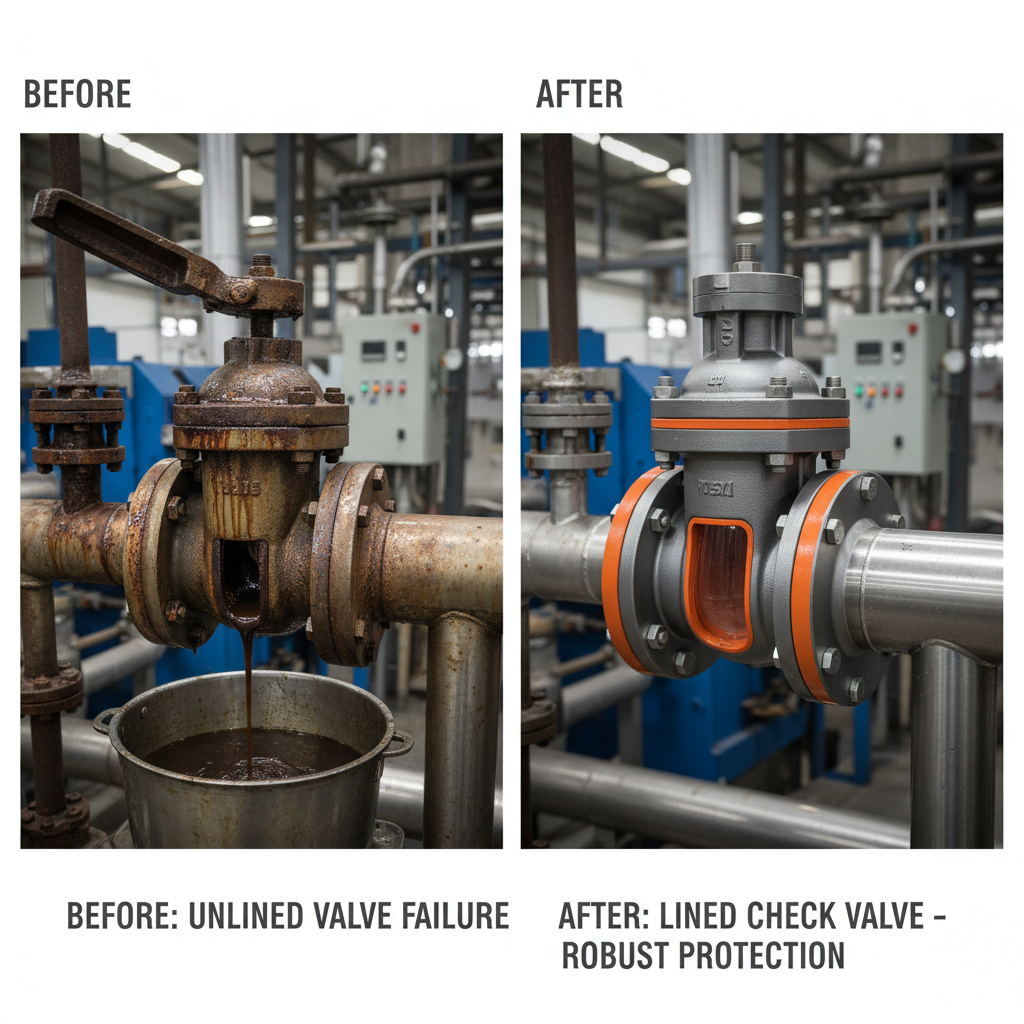
The choice of materials for each component is paramount. For example, in corrosive environments, stainless steel trunnions and chemically resistant seals are essential to prevent premature failure. Similarly, the bearing material must be selected based on load capacity, rotational speed, and temperature conditions. Often, engineers utilize finite element analysis (FEA) to optimize the design and material selection for maximum durability and performance.
Lubrication is also a vital element. Regular and appropriate lubrication reduces friction, minimizes wear, and extends the lifespan of the bearings and trunnions. Lubrication systems can range from simple manual greasing to automated oil circulation systems, depending on the application's demands.
Performance Characteristics of Trunnion Mounted Systems
Trunnion mounted systems excel in several key performance characteristics. First, they offer exceptional load-bearing capacity, allowing them to support substantial weights without deformation or instability. Second, they provide smooth and controlled rotation, minimizing vibration and ensuring precise positioning. This is particularly important in applications where accurate alignment is critical.
The stability of trunnion mounted systems also contributes to extended operational lifespan and reduced maintenance requirements. By minimizing stress concentration and preventing excessive wear, these designs reduce the frequency of repairs and replacements, resulting in lower lifecycle costs.
Comparative Performance of Trunnion Mounted Methods
Global Applications of Trunnion Mounted Technology
Trunnion mounted systems find widespread applications across a multitude of industries. In the oil and gas sector, they are essential for operating large ball valves and control valves in pipelines and processing plants. In water treatment facilities, they support mixers and agitators used to blend chemicals and ensure efficient water purification. Power generation plants utilize them in turbine control mechanisms and damper systems.
Beyond these core industries, trunnion mounted configurations are also prevalent in manufacturing, aerospace, and even the construction sector. For instance, rotating platforms for heavy machinery and positioning systems for large telescopes often rely on trunnion mounted designs. These are utilized in post-disaster relief operations and remote industrial zones, due to the reliability of the trunnion mounted designs.
Advantages and Long-Term Value Proposition
The advantages of employing trunnion mounted systems extend beyond mere mechanical performance. Tangible benefits include reduced maintenance costs due to increased durability, improved operational efficiency through precise control and smooth rotation, and enhanced safety by minimizing the risk of component failure. The increased reliability translates to significant cost savings over the equipment lifecycle.
Moreover, these systems contribute to sustainability by reducing energy consumption and minimizing waste. Their robust design and extended lifespan reduce the need for frequent replacements, conserving resources and minimizing environmental impact. The long-term value proposition is clear: trunnion mounted systems represent a sound investment in reliable, efficient, and sustainable industrial infrastructure.
Future Trends and Innovations in Trunnion Mounting
The future of trunnion mounting is poised for innovation, driven by advancements in materials science, automation, and digital technologies. The development of lighter, stronger materials – such as carbon fiber composites – will enable the creation of even more efficient and durable systems. Integration with IoT sensors and predictive maintenance algorithms will allow for real-time monitoring of system performance and proactive identification of potential issues.
Furthermore, the growing emphasis on sustainability will drive the development of eco-friendly lubrication solutions and designs that minimize energy consumption. The adoption of additive manufacturing (3D printing) will enable customized trunnion mounted components tailored to specific application requirements, optimizing performance and reducing waste.
The rise of digital twins, virtual representations of physical assets, will also play a role, enabling engineers to simulate and optimize trunnion mounted system performance under various operating conditions.
Summary of Trunnion Mounted System Challenges and Potential Solutions
| Challenge |
Impact |
Potential Solution |
Implementation Difficulty (1-5) |
| Corrosion in Harsh Environments |
Reduced Lifespan, Increased Maintenance |
Use Corrosion-Resistant Materials (e.g., Stainless Steel, Special Alloys) |
3 |
| High Loads & Stress Concentration |
Component Failure, Reduced Reliability |
Optimized Trunnion Design with FEA, Use High-Strength Bearings |
4 |
| Lubrication System Failures |
Increased Friction, Wear, and Heat |
Automated Lubrication Systems with Redundancy |
3 |
| Bearing Wear & Degradation |
Loss of Precision, Increased Vibration |
Regular Bearing Inspection & Replacement, Use High-Quality Bearings |
2 |
| Difficulty in Remote Monitoring |
Delayed Issue Detection, Increased Downtime |
Integration of IoT Sensors for Real-time Performance Data |
4 |
| Design Complexity for Custom Applications |
Long Lead Times, High Engineering Costs |
Utilize Modular Design Principles & Additive Manufacturing |
5 |
FAQS
Trunnion mounted systems offer superior load-bearing capacity, stability, and rotational precision compared to many alternative methods. This is achieved through a strategically designed pivot point and robust bearing systems. They excel in handling heavy loads with minimal stress concentration, leading to extended component lifespan and reduced maintenance. Furthermore, the design inherently facilitates smooth and controlled rotation, crucial in applications demanding accurate positioning.
Environmental factors play a critical role in material selection. Corrosive environments, such as those found in chemical processing or marine applications, necessitate the use of corrosion-resistant materials like stainless steel, specialized alloys, or protective coatings. Extreme temperatures require materials with stable mechanical properties over a wide temperature range. Furthermore, exposure to UV radiation or abrasive particles demands materials resistant to degradation. A thorough understanding of the operating environment is essential for long-term reliability.
Regular maintenance is crucial for optimal performance. This typically includes periodic lubrication of bearings, inspection of seals for leaks or damage, and visual checks for signs of corrosion or wear. Depending on the application, more in-depth inspections may involve non-destructive testing to assess the structural integrity of the trunnions and supporting structure. Proactive maintenance can significantly extend the lifespan of the system and prevent costly downtime.
Yes, trunnion mounted systems can be adapted for high-speed rotation, but careful design considerations are required. This includes selecting bearings specifically rated for high-speed operation, ensuring proper lubrication to minimize friction and heat generation, and implementing dynamic balancing to prevent vibration. The materials used must also be capable of withstanding the centrifugal forces generated at high speeds.
Trunnion mounted systems find several applications in renewable energy. They are used in solar panel tracking systems to optimize sunlight capture, in wind turbine pitch control mechanisms to regulate blade angle, and in hydro turbine control systems to manage water flow. Their reliability and ability to withstand harsh environmental conditions make them well-suited for these demanding applications.
The bearing type is a critical factor influencing performance. Roller bearings offer high load capacity and are suitable for heavy-duty applications. Sleeve bearings are simpler and more cost-effective, but have lower load capacity and higher friction. Spherical roller bearings allow for misalignment, which is beneficial in applications where precise alignment is difficult to achieve. The correct choice depends on load requirements, rotational speed, environmental conditions, and alignment tolerances.
Conclusion
In conclusion, trunnion mounted systems represent a cornerstone of modern industrial engineering, providing robust, reliable, and efficient solutions for supporting and rotating heavy loads. Their versatility and adaptability make them essential in a wide range of industries, from oil and gas to renewable energy. By understanding the core components, performance characteristics, and future trends surrounding these systems, engineers and operators can optimize performance, reduce costs, and enhance safety.
Looking ahead, continuous innovation in materials science, automation, and digital technologies will further enhance the capabilities of trunnion mounted systems. Embracing these advancements will be crucial for meeting the evolving demands of a rapidly changing industrial landscape. To learn more about tailored trunnion mounted solutions for your specific application, visit our website: www.valve-cable.com