The global demand for efficient and reliable flow control solutions is constantly increasing, driven by industries ranging from water treatment and chemical processing to power generation and pharmaceuticals. Central to this demand is the lined butterfly valve, a critical component in managing fluid flow across diverse applications. Understanding its principles, benefits, and evolving technologies is crucial for engineers, facility managers, and anyone involved in process control. The robust design and adaptability of the lined butterfly valve make it a key element in ensuring operational safety, optimizing performance, and minimizing environmental impact.
The rising complexity of industrial processes and stricter regulatory requirements regarding emissions and safety have intensified the need for advanced valve technologies. The lined butterfly valve addresses these challenges by providing a cost-effective and reliable solution for controlling a wide range of fluids, including corrosive and abrasive materials. Its relatively simple design translates to easier maintenance and reduced downtime, making it a preferred choice for many critical applications. Furthermore, advancements in materials and lining technologies continue to expand the valve’s applicability.
Investing in a thorough understanding of lined butterfly valves isn't merely a technical exercise; it's an investment in operational efficiency, safety, and long-term sustainability. From optimizing energy consumption to preventing costly leaks and ensuring compliance with environmental regulations, the benefits are far-reaching. This knowledge empowers professionals to make informed decisions, select the right valve for specific applications, and maximize its performance throughout its lifecycle.
Introduction to Lined Butterfly Valves
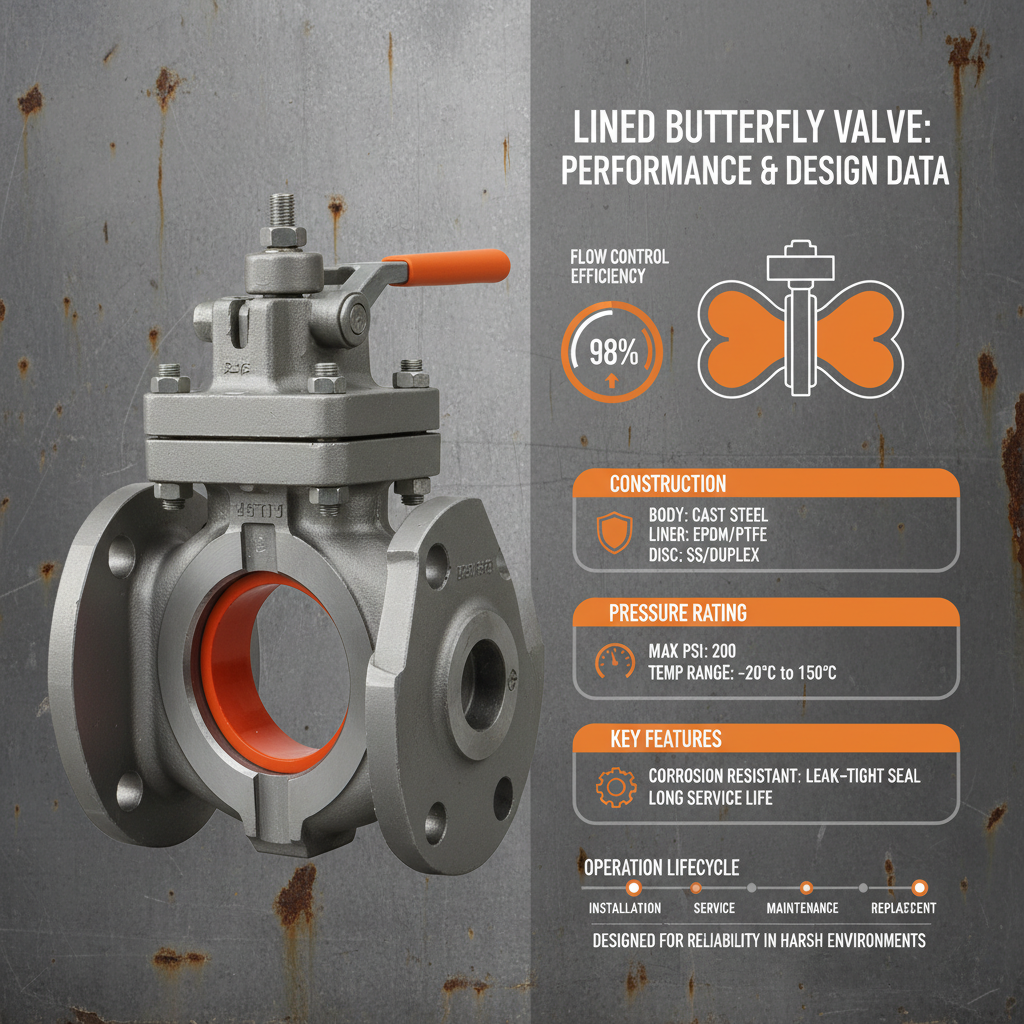
Lined butterfly valves are pivotal in numerous industrial processes, offering a robust and economical solution for flow regulation. Their design incorporates a disc rotating within a body, and crucially, a protective lining that safeguards against corrosion, erosion, and chemical attack. This makes them ideal for handling aggressive media in demanding environments. Lined butterfly valve designs address diverse application needs.
The versatility of lined butterfly valves stems from their adaptability to various lining materials, including PTFE, PFA, EPDM, and chlorobutyl rubber. Each lining offers specific chemical resistance and temperature capabilities, allowing for customization to suit unique process requirements. This makes them a preferred choice over traditional valves in applications where material compatibility is paramount, ensuring long-term performance and reliability.
Defining the Lined Butterfly Valve
A lined butterfly valve is a type of quarter-turn valve used to regulate or isolate flow. What sets it apart is the presence of a lining – typically a polymer – bonded to the valve body and disc. This lining creates a barrier between the fluid and the valve’s metallic components, preventing corrosion and contamination. The valve operates by rotating the disc perpendicular to the flow direction, effectively controlling the flow rate.
The significance of this design lies in its ability to handle highly corrosive or abrasive fluids that would quickly degrade conventional metal valves. This characteristic is particularly critical in industries such as chemical processing, pulp and paper, and wastewater treatment, where aggressive chemicals and slurries are commonplace. The lined butterfly valve, therefore, becomes an indispensable element in maintaining process integrity and preventing environmental hazards.
In essence, the lined butterfly valve bridges the gap between the need for flow control and the challenges posed by harsh chemical environments. Its construction balances affordability, reliability, and compatibility, making it a mainstay in modern industrial infrastructure and a fundamental component in maintaining safe and efficient operations.
Core Components and Characteristics
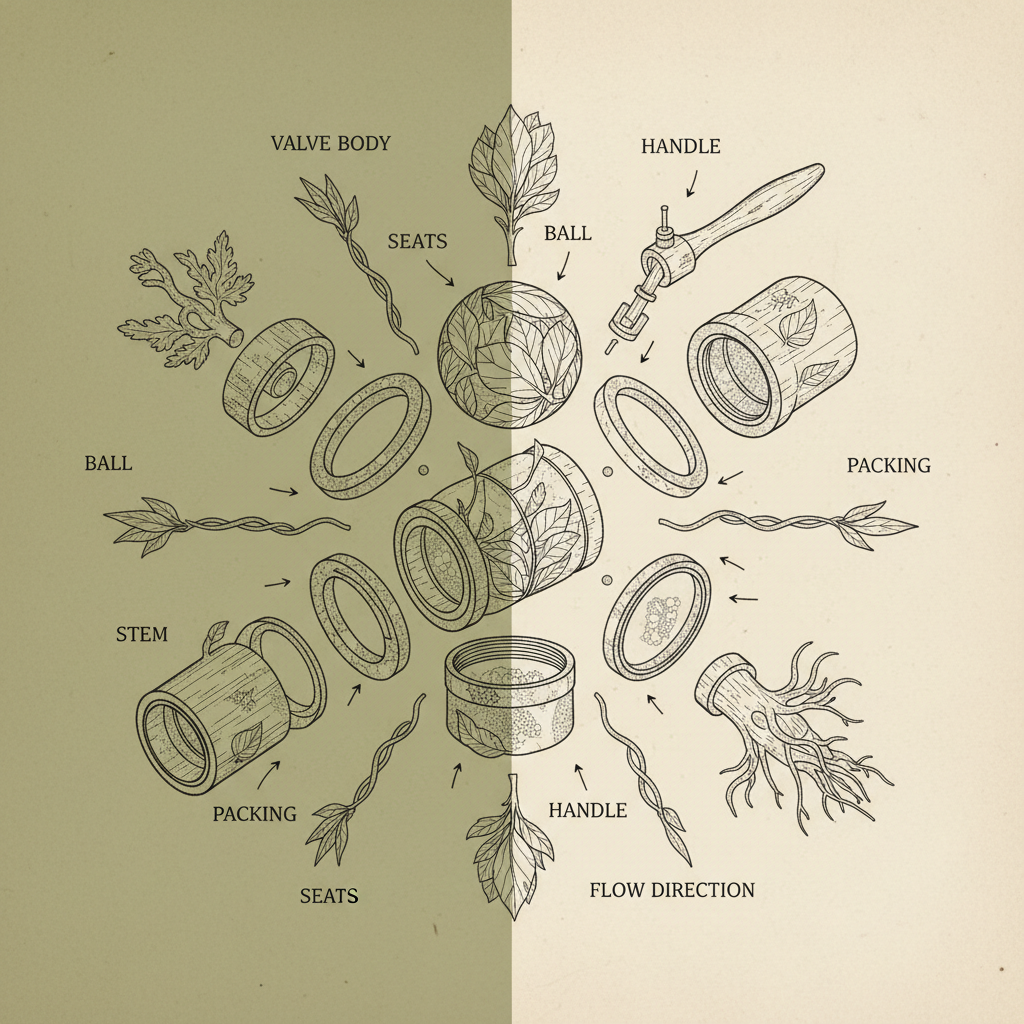
The core components of a lined butterfly valve include the valve body, the disc, the stem, the seat, and the lining itself. The valve body provides structural support, while the disc controls the flow. The stem transmits rotational movement from the actuator to the disc, and the seat creates a tight seal when the valve is closed. The lining, however, is the defining feature, providing crucial protection against corrosion and erosion.
Key characteristics of these valves include their relatively lightweight construction, compact design, and low pressure drop. The quarter-turn operation ensures quick opening and closing, while the broad range of available materials allows for tailored solutions to diverse application demands. The lining material directly impacts the valve’s chemical resistance, temperature range, and overall lifespan.
Proper selection of the lining is therefore paramount. PTFE linings offer excellent chemical resistance but have temperature limitations, while PFA linings provide broader temperature capabilities. EPDM and chlorobutyl rubber are commonly used for applications involving specific chemicals or elastomers. Understanding these characteristics is essential for specifying the correct valve for any given application.
Key Performance Indicators of Lined Butterfly Valves
Evaluating the performance of a lined butterfly valve requires considering several key indicators. These metrics quantify its efficiency, reliability, and suitability for specific applications. Understanding these KPIs is vital for ensuring optimal operation and maximizing the valve’s lifespan.
These indicators include leakage rate, pressure drop, cycle life, chemical resistance, and temperature range. Leakage rate measures the amount of fluid that escapes past the seat when the valve is closed, indicating the seal's effectiveness. Pressure drop reflects the resistance to flow caused by the valve, influencing energy consumption. Cycle life determines the number of opening/closing cycles the valve can withstand before failure.
Comparative Analysis of Lined Butterfly Valve Lining Materials
Global Applications and Industry Adoption
Lined butterfly valves find widespread application across a diverse range of industries globally. The chemical processing industry relies heavily on them for handling corrosive acids, alkalis, and solvents. In the pulp and paper industry, they control the flow of slurries and bleaching agents. Water and wastewater treatment plants utilize them for managing chlorine, sodium hypochlorite, and other disinfection chemicals.
Their use extends to the pharmaceutical industry, where precise flow control and hygiene are paramount, and to the power generation sector, where they regulate cooling water and steam. Furthermore, they are becoming increasingly prevalent in the mining and mineral processing industries for handling abrasive slurries and tailings.
Geographically, demand for lined butterfly valves is particularly strong in industrialized nations such as the United States, Germany, and Japan, as well as rapidly developing economies like China and India. These regions are witnessing significant investments in infrastructure and industrial expansion, driving the need for reliable and corrosion-resistant flow control solutions.
Advantages and Long-Term Value Proposition
The advantages of employing lined butterfly valves extend beyond their initial cost-effectiveness. Their durability and low maintenance requirements translate to significant long-term savings. The corrosion resistance provided by the lining minimizes the need for frequent replacements, reducing downtime and operational expenses.
Furthermore, they contribute to environmental sustainability by preventing leaks and minimizing the release of harmful chemicals. Their lightweight design and compact footprint simplify installation and reduce space requirements. This combination of factors creates a compelling value proposition for businesses seeking reliable and cost-efficient flow control solutions.
Future Trends and Innovations in Lined Butterfly Valve Technology
The future of lined butterfly valve technology is poised for innovation driven by sustainability and digitalization. Advancements in materials science are leading to the development of new lining materials with enhanced chemical resistance, temperature capabilities, and abrasion resistance. The integration of smart sensors and IoT technologies allows for remote monitoring, predictive maintenance, and optimized performance.
Automation and digital twins are also playing an increasing role, enabling virtual testing and optimization of valve performance under various operating conditions. These trends are aimed at reducing downtime, improving efficiency, and extending the lifespan of these critical components, contributing to a more sustainable and resilient industrial landscape.
The ongoing focus on green energy and reduced emissions is also driving demand for valves specifically designed for handling alternative fuels and environmentally friendly fluids, pushing the boundaries of material compatibility and performance.
Future Trends and Innovations in Lined Butterfly Valve Technology
The future of lined butterfly valve technology is poised for innovation driven by sustainability and digitalization. Advancements in materials science are leading to the development of new lining materials with enhanced chemical resistance, temperature capabilities, and abrasion resistance. The integration of smart sensors and IoT technologies allows for remote monitoring, predictive maintenance, and optimized performance.
Automation and digital twins are also playing an increasing role, enabling virtual testing and optimization of valve performance under various operating conditions. These trends are aimed at reducing downtime, improving efficiency, and extending the lifespan of these critical components, contributing to a more sustainable and resilient industrial landscape.
The ongoing focus on green energy and reduced emissions is also driving demand for valves specifically designed for handling alternative fuels and environmentally friendly fluids, pushing the boundaries of material compatibility and performance.
Summary of Challenges and Potential Solutions for Lined Butterfly Valves
| Challenge |
Root Cause |
Potential Solution |
Implementation Cost (1-10) |
| Lining Delamination |
Poor bonding process or material incompatibility. |
Enhanced surface preparation & optimized bonding techniques. |
4 |
| Permeation through Lining |
Chemical attack or inadequate lining thickness. |
Selection of more resistant lining material or increased lining thickness. |
6 |
| Seal Wear |
Abrasive particles or high pressure differentials. |
Hardened seal materials or filtration systems. |
5 |
| Actuator Corrosion |
Exposure to corrosive atmospheres. |
Protective coatings or stainless steel actuators. |
3 |
| Difficult Inspection |
Limited visual access to internal components. |
Non-destructive testing (NDT) methods like ultrasonic testing. |
7 |
| High Initial Cost |
Specialized materials and manufacturing processes. |
Optimize design and material selection based on application. |
5 |
FAQS
Lined butterfly valves offer several advantages in corrosive environments. They generally have a lower pressure drop compared to ball valves, resulting in energy savings. The lining provides superior protection against chemical attack, extending the valve’s lifespan and reducing maintenance costs. While ball valves are robust, the full metal construction can be susceptible to corrosion, requiring frequent replacements. Lined butterfly valves, with their protective barrier, often prove a more cost-effective and reliable solution for handling aggressive fluids.
Selecting the correct lining material is crucial for optimal performance. You'll need to consider the chemical compatibility of the lining with the fluid, the operating temperature, and the pressure. PTFE is excellent for broad chemical resistance, but its temperature limitations may necessitate PFA for higher heat applications. For specific elastomers, EPDM and chlorobutyl offer resistance to certain chemical families. Chemical compatibility charts and consultation with a valve specialist are highly recommended to ensure the proper selection.
The lifespan of a lined butterfly valve varies widely depending on the application and operating conditions. Typically, they can last between 5-20 years. Key factors influencing lifespan include the corrosiveness of the fluid, the operating temperature and pressure, the quality of the lining material and bonding process, and the frequency of cycling. Regular inspection and preventative maintenance can significantly extend the valve’s service life.
Regular maintenance is key to long-term reliability. Inspections should include visual checks for lining damage, seal wear, and actuator functionality. Lubricate the stem and actuator regularly. For critical applications, consider periodic non-destructive testing (NDT) to assess the integrity of the lining and valve body. Avoid over-tightening the disc during closing, as this can damage the seal and lining.
Lined butterfly valves can be used in high-pressure applications, but the pressure rating is dependent on the valve’s design, materials, and lining type. It’s essential to select a valve specifically designed and rated for the intended pressure. The valve body and disc must be capable of withstanding the pressure, and the lining must be securely bonded to prevent delamination. Consult with a valve specialist to ensure proper selection for high-pressure environments.
Proper installation is crucial. Ensure the valve is aligned correctly with the pipeline. Use appropriate gaskets and bolting materials. Follow the manufacturer’s torque specifications for the bolts to avoid over-compression of the lining. Carefully inspect the valve for any damage during installation. It’s best practice to perform a leak test after installation to confirm a tight seal and proper operation.
Conclusion
In conclusion, the lined butterfly valve stands as a cornerstone of modern fluid control, offering a unique blend of reliability, cost-effectiveness, and adaptability. Its ability to handle corrosive and abrasive fluids makes it essential across diverse industries, from chemical processing to water treatment. Understanding its core components, performance indicators, and emerging trends is vital for professionals seeking to optimize operations and ensure long-term sustainability.
As technology advances and environmental concerns grow, the role of lined butterfly valves will only become more critical. Continuous innovation in materials, smart technologies, and sustainable designs will further enhance their performance and broaden their application scope. We encourage you to explore our comprehensive range of lined butterfly valves and contact our expert team to find the perfect solution for your specific needs. Visit our website: www.valve-cable.com