

Sep . 02, 2024 16:16 Back to list
os & y gate valve
Understanding OS and Y Gate Valves
Gate valves are essential components in various industrial and plumbing applications, widely used for controlling fluid flow. Among the different types of gate valves, the OS (Outside Stem) and Y gate valves stand out due to their unique designs and functionalities. This article delves into what makes these valves important and how they operate.
Understanding OS and Y Gate Valves
On the other hand, Y gate valves are characterized by their distinctive shape, resembling the letter Y. This design is specifically engineered to minimize flow resistance and turbulence, making Y gate valves suitable for high-pressure applications. The angle created by the two bodies of the valve allows for a more direct flow path, which can enhance efficiency and reduce energy consumption. As a result, Y gate valves are commonly used in industries such as oil and gas, chemical processing, and water treatment.
os & y gate valve
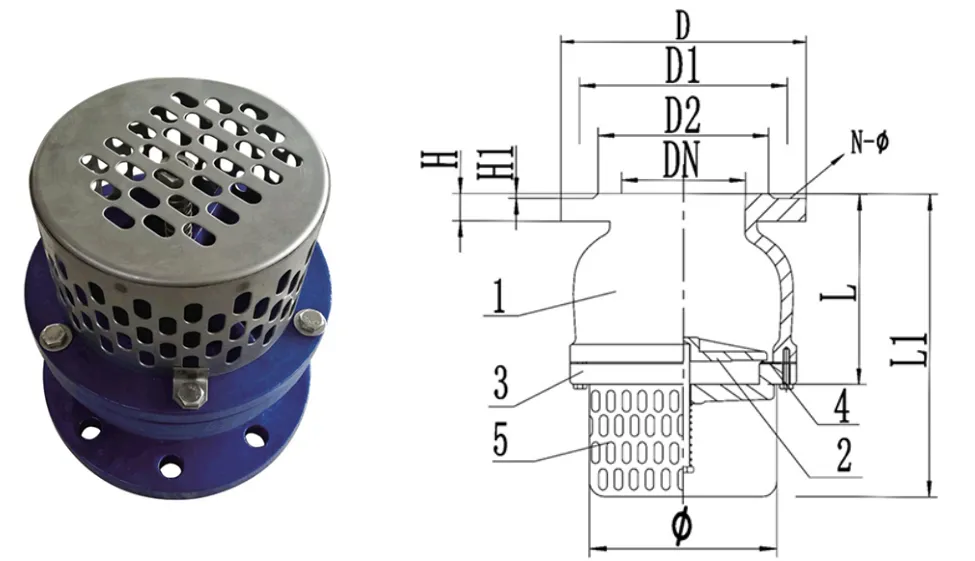
When comparing the two types of valves, it’s important to consider their specific applications. OS gate valves are typically favored in systems where space is limited and ease of maintenance is a priority. Their straightforward design accommodates various settings, from residential plumbing systems to larger industrial installations.
In contrast, Y gate valves are often preferred in scenarios where fluid dynamics play a crucial role. Their ability to handle higher pressure and flow rates makes them ideal for applications involving steam, water, and other dynamic fluids. The structural integrity provided by the Y design also contributes to increased reliability under challenging conditions.
In conclusion, both OS and Y gate valves serve vital roles in managing fluid flow in various systems. Understanding their unique characteristics and applications can help engineers and operators choose the right valve for their specific needs. Whether it’s the simplified functionality of OS gate valves or the efficient flow dynamics of Y gate valves, each type brings distinct advantages that contribute to optimal system performance and reliability.
Share
Latest news
-
Understanding the 6 butterfly valve price Industrial Buying GuideNewsApr.16,2026
-
Analyzing the 50mm Butterfly Valve Price and Buyer GuideNewsApr.09,2026
-
Comprehensive Guide to 40mm Butterfly Valve Price Factors and Quality ConsiderationsNewsApr.07,2026
-
Comprehensive Guide to 4 Inch Sluice Valve Price and Key Selection FactorsNewsApr.04,2026
-
Comprehensive Guide to 4 Butterfly Valve Price Factors and Ranges in 2024NewsMar.31,2026
-
Comprehensive Guide to 300mm Butterfly Valve Price and Industrial ApplicationsNewsMar.28,2026
 English
  Afrikaans
  Albanian
  Amharic
  Arabic
  Armenian
  Azerbaijani
  Basque
  Belarusian
  Bengali
  Bosnian
  Bulgarian
  Catalan
  Cebuano
  China
China  China (Taiwan)
  Corsican
  Croatian
  Czech
Czech  Danish
  Dutch
Dutch  Esperanto
  Estonian
  Finnish
  French
  Frisian
  Galician
  Georgian
  German
  Greek
Greek  Gujarati
  Haitian Creole
  Hausa
Hausa  Hawaiian
  Hebrew
  Hindi
Hindi  Miao
Miao  Hungarian
  Icelandic
  Igbo
Igbo  Indonesian
  Irish
Irish  Italian
  Japanese
  Javanese
  Kannada
  Kazakh
  Khmer
Khmer  Rwandese
  Korean
  Kurdish
  Kyrgyz
  Lao
Lao  Latin
Latin  Latvian
  Lithuanian
  Luxembourgish
  Macedonian
  Malgashi
  Malay
Malay  Malayalam
  Maltese
  Maori
Maori  Marathi
  Mongolian
  Myanmar
  Nepali
  Norwegian
  Norwegian
  Occitan
  Pashto
  Persian
  Polish
  Portuguese
  Punjabi
  Romanian
  Russian
  Samoan
  Scottish Gaelic
  Serbian
  Sesotho
  Shona
Shona  Sindhi
  Sinhala
  Slovak
  Slovenian
  Somali
  Spanish
  Sundanese
  Swahili
  Swedish
  Tajik
Tajik  Tamil
Tamil  Tatar
Tatar  Telugu
  Thai
Thai  Turkish
  Turkmen
  Ukrainian
  Urdu
Urdu  Uighur
  Uzbek
Uzbek  Vietnamese
  Welsh
Welsh  Bantu
Bantu  Yiddish
  Yoruba
  Zulu
Zulu