Sep . 11, 2025 08:40 Back to list
Optimal 3008 Cable Selection Guide for Superior Performance
Strategic 3008 cable selection for Industrial Applications
In today's highly demanding industrial landscape, the strategic selection of cabling solutions is paramount for operational reliability, efficiency, and safety. The specific requirements for robust, high-performance cables necessitate a deep understanding of material science, manufacturing precision, and application-specific demands. This article delves into the critical aspects of selecting optimal cabling, focusing on advanced solutions like the Type AC90, which embodies innovation in industrial connectivity. Our discussion will cover the intricacies of engineering, design, and deployment to empower B2B decision-makers with the knowledge to make informed procurement choices.
Effective cable management and selection are not just about meeting current operational needs but also about anticipating future demands and ensuring system longevity. The integration of advanced materials, combined with rigorous testing protocols, ensures that modern industrial cables can withstand extreme environmental conditions, high mechanical stresses, and complex electrical loads. Such foresight is crucial in sectors where downtime is costly and performance is non-negotiable.
Industry Trends and Market Dynamics in Cable Manufacturing
The global industrial cable market is experiencing significant growth, driven by increasing automation, smart factory initiatives, and the expansion of renewable energy infrastructure. Key trends include the demand for miniaturization without compromising performance, enhanced data transmission capabilities, and the development of eco-friendly, halogen-free materials. Furthermore, there's a growing emphasis on specialized cables designed for specific applications, such as high-temperature environments, chemical resistance, and severe mechanical stress. This trend directly impacts the need for precise 3008 cable selection to optimize system performance and reduce total cost of ownership.
The rise of IoT and Industry 4.0 paradigms mandates cables capable of high-speed data transfer alongside power delivery. This convergence often requires hybrid cable designs that integrate fiber optics with traditional copper conductors, pushing manufacturers like leading 2 pin power cord manufacturers and 3 1 cctv cable manufacturers to innovate their product lines. The market is also seeing increased demand for highly flexible cables for robotic applications and robust armored cables for harsh outdoor installations, highlighting the diverse needs across industries.
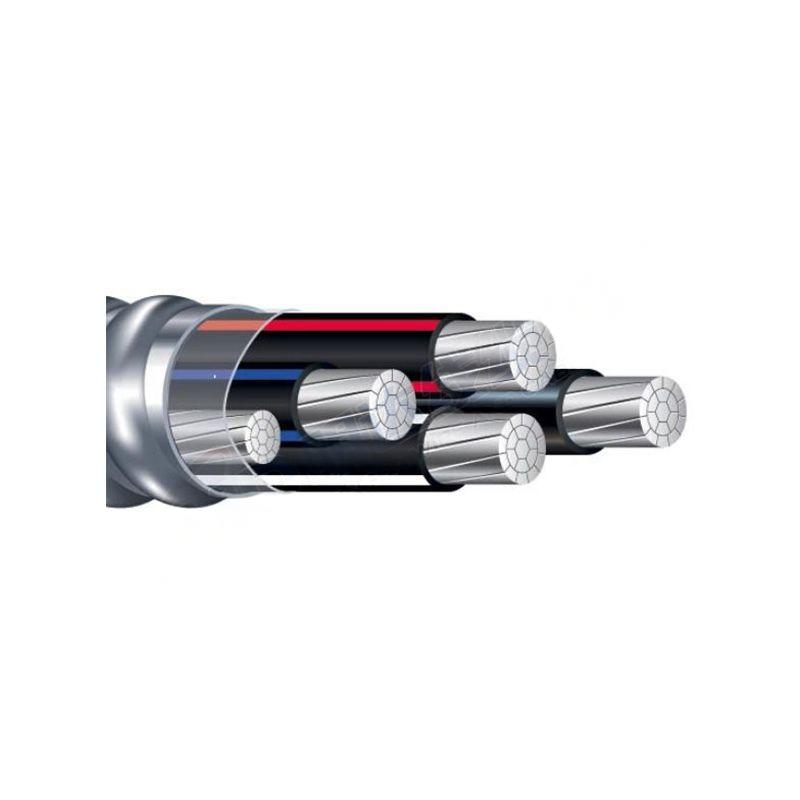
Another significant trend involves the development of fire-resistant and low-smoke zero-halogen (LSZH) cables, crucial for safety in public buildings and critical infrastructure. Regulatory bodies worldwide are tightening standards, driving manufacturers to invest heavily in research and development to meet these stringent requirements. This continuous innovation ensures that end-users benefit from increasingly reliable and safer products.
The Manufacturing Process of Advanced Industrial Cables
The production of high-performance industrial cables, such as those requiring precise 3008 cable selection, involves a multi-stage, highly controlled process to ensure superior electrical, mechanical, and environmental properties. This process integrates advanced material science with precision engineering, adhering to international quality standards like ISO 9001 and often specific industry certifications such as UL or CE.
Process Flow Overview:
1. Material Procurement & Preparation
High-purity copper or aluminum conductors, advanced polymer compounds for insulation and sheathing (e.g., XLPE, PVC, TPE, EPR), and specialized fillers/armoring materials.
2. Conductor Drawing & Stranding
Copper/aluminum rods are drawn into fine wires, then stranded into specific configurations (e.g., concentric, rope lay) to achieve desired flexibility and conductivity. Meets ASTM B, IEC 60228 standards.
3. Insulation Extrusion
Each conductor is precisely coated with insulating material using extrusion machinery, ensuring uniform thickness and dielectric strength. Curing processes (e.g., steam, dry) applied for XLPE.
4. Cabling & Laying-Up
Insulated cores are twisted together (e.g., pair, triplet, quad) or laid up concentrically with precise lay lengths, often with fillers for shape stability. Shielding may be applied here (foil, braid).
5. Inner Sheathing & Armoring (Optional)
An inner jacket or bedding layer is extruded. For armored cables, steel wire armor (SWA) or steel tape armor (STA) is applied for mechanical protection, critical for applications involving physical stress or direct burial.
6. Outer Sheathing
The final protective outer jacket is extruded, providing resistance to UV, chemicals, abrasion, and moisture. Materials like PVC, PE, PUR, or LSZH are chosen based on application environment and regulations.
7. Quality Control & Testing
Extensive electrical (conductivity, insulation resistance, high voltage), mechanical (tensile strength, flexibility, abrasion resistance), and environmental (temperature, UV, chemical) tests. Adherence to IEC, ANSI, VDE standards is standard.
8. Spooling & Packaging
Finished cables are carefully spooled, labeled, and packaged, ready for distribution. Proper packaging ensures protection during transit and storage.
The materials chosen for insulation and sheathing are critical. For instance, XLPE (Cross-linked Polyethylene) offers excellent thermal, electrical, and mechanical properties, suitable for medium and high voltage applications, and boasts a service life often exceeding 30 years under normal operating conditions. In petrochemical and metallurgy industries, cables require exceptional corrosion resistance and flame retardancy, often achieved with specialized halogen-free and oil-resistant polymer compounds. In water supply & drainage systems, cables must endure moisture and chemical exposure, demanding robust, sealed jacketings. The precision in each step directly contributes to advantages like energy saving through optimized conductivity and superior corrosion resistance due to advanced jacketing materials.
Technical Specifications and Parameters of Advanced Cables
When considering 3008 cable selection, a detailed review of technical specifications is essential. The Type AC90 cable, for example, is engineered to meet rigorous industrial demands, featuring attributes that ensure superior performance and longevity. Below is a representative table outlining key parameters for high-performance industrial cables, which directly influence their suitability for specific applications.
Typical Technical Specifications for Type AC90 Cable
| Parameter | Specification (Type AC90 Example) | Industry Standard |
|---|---|---|
| Conductor Material | Annealed Bare Copper, Class 5 Flexible | IEC 60228 |
| Insulation Material | Special PVC Compound / XLPE | IEC 60502-1, VDE 0276 |
| Rated Voltage | 300/500V, 0.6/1kV | IEC 60502-1 |
| Operating Temperature Range | -40°C to +90°C (Flexible usage) | EN 50264-1 |
| Minimum Bending Radius | 5-7 x Cable Diameter (Flexible Installation) | IEC 60811 |
| Outer Sheath Material | Oil-resistant PVC / PUR / LSZH | IEC 60332-1, VDE 0207 |
| Flame Retardancy | Self-extinguishing, Halogen-free optional | IEC 60332-1-2, IEC 61034, IEC 60754 |
| Chemical Resistance | Excellent resistance to oils, acids, alkalis | VDE 0250 |
| UV Resistance | Good for outdoor installations (with specific jacket) | UL 1581 |
Understanding these parameters is crucial for ensuring the cable matches the operational environment. For instance, a 40 hp motor cable size will require specific current carrying capacities, which directly relate to the conductor cross-sectional area and material. Overlooking these details can lead to overheating, premature failure, and significant operational downtime.
Application Scenarios and Technical Advantages
The versatility and robustness of modern industrial cables enable their deployment across a myriad of challenging environments. Proper 3008 cable selection ensures optimal performance and safety in each unique scenario.
Typical Industries and Advantages:
- Petrochemical Industry: Cables are exposed to aggressive chemicals, hydrocarbons, and extreme temperatures. Advantages include superior chemical and oil resistance (e.g., PUR, CPE jackets) and flame retardancy (IEC 60332-3 compliance) to prevent fire spread, enhancing safety and operational continuity.
- Metallurgy and Heavy Manufacturing: High temperatures, abrasive dust, and mechanical stress are common. Cables offer heat resistance (up to 180°C with silicone/mica insulation), mechanical robustness (armored options), and resilience against slag and metal splashes, reducing maintenance and replacement costs.
- Water Supply & Drainage Systems: Constant exposure to moisture, underground conditions, and potential corrosive elements. Key advantages are excellent water ingress protection (submersible ratings), UV resistance for outdoor installations, and corrosion-resistant materials for conductors and sheathing, ensuring long-term reliability.
- Renewable Energy (Solar/Wind): Cables must withstand extreme weather, UV radiation, and dynamic movements. Benefits include high UV and ozone resistance, wide operating temperature ranges, and flexibility for connection to moving parts, contributing to higher energy yield and system uptime.
- Automation and Robotics: Continuous flex, torsion, and small bending radii are typical. Cables offer exceptional flexibility, long flex life cycles (millions of cycles), and compact designs, crucial for dynamic applications and reducing the need for frequent replacement, which aligns with efficient 300mm cable tray 90 bend installations.
- Data Centers and IT Infrastructure: High-density cabling, stringent fire safety requirements, and EMI/RFI shielding. Advantages include low smoke zero halogen (LSZH) properties for enhanced safety, superior data integrity through effective shielding, and optimized space utilization.
These specialized cables contribute directly to energy saving by minimizing power loss due to optimized conductor design and efficient insulation. Their enhanced durability and resistance to harsh conditions lead to significantly extended service life, reducing replacement frequency and associated labor costs, thereby improving overall operational expenditure.
Vendor Comparison and Customization Solutions
The market for industrial cables is diverse, with numerous manufacturers offering a range of products. Differentiating between vendors requires evaluating not just product specifications but also their R&D capabilities, quality control processes, and ability to provide tailored solutions for specific client needs. Reputable companies consistently demonstrate adherence to ISO/FDA standards, substantial years of service, and a strong portfolio of partner clients.
A key differentiator for superior 3008 cable selection is the availability of customized solutions. While standard cables address general requirements, many industrial applications necessitate bespoke designs. This could involve specific conductor gauges, unique insulation compounds for extreme temperatures or chemical exposure, specialized shielding for EMI/RFI immunity, or integrated power and data lines within a single cable sheath.
Customization Options Often Include:
- Conductor Configuration: From fine-stranded for high flexibility to solid for maximum current capacity, tailored to exact mechanical and electrical demands.
- Insulation & Jacket Materials: Selection from a wide range of polymers (e.g., PE, PVC, PUR, TPE, FEP, PFA) for specific chemical, temperature, UV, or abrasion resistance.
- Shielding & Armoring: Custom levels of protection against electromagnetic interference (EMI), radio frequency interference (RFI), and mechanical damage, including braided, foil, or spiraled shields and various armor types.
- Hybrid Designs: Combining power, signal, and fiber optic elements into a single cable to simplify installation and reduce cable runs.
- Color Coding & Marking: Specific color schemes for cores and jackets, along with custom printing for easy identification and compliance.
- Packaging & Lengths: Custom reel sizes and specific cut lengths to minimize waste and streamline installation processes.
Engaging with manufacturers who offer comprehensive engineering support during the design phase is crucial. This collaborative approach ensures that the final cable solution is perfectly aligned with the client's operational environment and performance expectations, often resulting in optimized system longevity and reduced total cost of ownership.
Application Case Studies and Customer Feedback
Real-world application case studies provide tangible evidence of performance and reliability, reinforcing the importance of expert 3008 cable selection. Our clients, spanning diverse industrial sectors, consistently report significant improvements in system uptime and operational efficiency after deploying our specialized cable solutions.
Case Study 1: Petrochemical Plant Expansion
A major petrochemical facility in the Middle East required control and instrumentation cables for a new cracking unit. The environment presented extreme heat, corrosive agents (H₂S, HCl), and a high risk of flame propagation. Standard PVC cables experienced rapid degradation. We supplied custom-designed Type AC90 cables with FEP insulation and a PUR outer sheath, achieving superior resistance to chemical attack and operating temperatures up to 150°C.
- Outcome: Eliminated cable failures previously occurring every 6-8 months, resulting in a projected 40% reduction in maintenance costs over five years.
- Client Feedback: "The tailored chemical resistance and thermal performance of these cables have drastically improved our operational stability and safety metrics."
Case Study 2: Automated Assembly Line Upgrade
A prominent automotive manufacturer sought to upgrade its robotic assembly lines, requiring highly flexible, torsion-resistant cables for continuous motion applications. Previous cables suffered from fatigue cracks after short operational periods, causing costly production halts. We provided a specialized Type AC90 cable featuring ultrafine stranded copper conductors and a TPE-U jacket, designed for millions of flex cycles and superior torsion resistance.
- Outcome: Achieved over 10 million flex cycles without failure in simulated tests and over 3 years of continuous operation in production, significantly extending cable service life.
- Client Feedback: "The longevity of these cables has dramatically improved our OEE (Overall Equipment Effectiveness) by minimizing unscheduled downtime."
These examples underscore the tangible benefits derived from precise cable engineering and material selection, validating the commitment to quality and customer-centric solutions.
Trustworthiness: FAQ, Lead Time, Warranty & Support
Frequently Asked Questions (FAQ)
Q1: How do I determine the correct 3008 cable selection for my specific application?
A1: Proper cable selection depends on several factors, including voltage, current, operating temperature range, environmental conditions (e.g., chemical exposure, UV, moisture), mechanical stress (flexing, torsion, abrasion), and relevant industry standards. Our technical sales team and engineers can provide detailed consultation to identify the optimal solution.
Q2: What are the typical lead times for custom cable orders?
A2: Lead times vary based on complexity, material availability, and order volume. For standard products, lead times are typically 2-4 weeks. Custom-engineered solutions may range from 6-12 weeks, including design, prototyping, and rigorous testing. We work closely with clients to meet project timelines.
Q3: What warranty is provided with your industrial cables?
A3: We offer a comprehensive warranty, typically ranging from 1 to 5 years, depending on the product type and application. This covers manufacturing defects and material integrity under normal operating conditions. Extended warranties are available for specific project requirements, reflecting our confidence in product durability.
Q4: Do you provide technical support and after-sales service?
A4: Yes, our commitment extends beyond delivery. We offer dedicated technical support, including installation guidance, troubleshooting, and on-site assistance if required. Our after-sales team is available to address any performance concerns and ensure long-term satisfaction. We partner with our clients throughout the product lifecycle.
Fulfillment and Logistics
Our logistics network is optimized for global reach, ensuring efficient and timely delivery of critical industrial cable solutions. We manage fulfillment with meticulous attention to packaging, documentation, and compliance with international shipping regulations, facilitating seamless integration into your supply chain. We offer various shipping options, from expedited air freight for urgent requirements to cost-effective sea freight for bulk orders.
Our Commitment to Quality and Service
As an ISO 9001 certified manufacturer with over two decades of experience, we are dedicated to producing industrial cables that not only meet but exceed stringent performance and reliability benchmarks. Our extensive list of reputable partner clients, including major players in the petrochemical and automation sectors, stands as a testament to our enduring quality and service excellence. We are proud to hold various product-specific certifications (e.g., UL, CE, RoHS compliant) that underscore our adherence to global safety and environmental standards.
References
- International Electrotechnical Commission (IEC). (2022). IEC 60502-1: Power cables with extruded insulation and their accessories for rated voltages from 1 kV (Um = 1.2 kV) up to 30 kV (Um = 36 kV) - Part 1: Cables for rated voltages of 1 kV (Um = 1.2 kV) and 3 kV (Um = 3.6 kV). Retrieved from www.iec.ch
- Underwriters Laboratories (UL). (2023). UL 44: Wires and Cables - Rubber-Insulated. Retrieved from www.ul.com
- VDE Verband der Elektrotechnik Elektronik Informationstechnik e.V. (2021). VDE 0276: Power cables – Part 603: Cables of rated voltage 0.6/1 kV. Retrieved from www.vde.com
- ISO International Organization for Standardization. (2020). ISO 9001: Quality management systems – Requirements. Retrieved from www.iso.org
Share
Latest news
-
Understanding the 6 butterfly valve price Industrial Buying GuideNewsApr.16,2026
-
Analyzing the 50mm Butterfly Valve Price and Buyer GuideNewsApr.09,2026
-
Comprehensive Guide to 40mm Butterfly Valve Price Factors and Quality ConsiderationsNewsApr.07,2026
-
Comprehensive Guide to 4 Inch Sluice Valve Price and Key Selection FactorsNewsApr.04,2026
-
Comprehensive Guide to 4 Butterfly Valve Price Factors and Ranges in 2024NewsMar.31,2026
-
Comprehensive Guide to 300mm Butterfly Valve Price and Industrial ApplicationsNewsMar.28,2026
 English
  Afrikaans
  Albanian
  Amharic
  Arabic
  Armenian
  Azerbaijani
  Basque
  Belarusian
  Bengali
  Bosnian
  Bulgarian
  Catalan
  Cebuano
  China
China  China (Taiwan)
  Corsican
  Croatian
  Czech
Czech  Danish
  Dutch
Dutch  Esperanto
  Estonian
  Finnish
  French
  Frisian
  Galician
  Georgian
  German
  Greek
Greek  Gujarati
  Haitian Creole
  Hausa
Hausa  Hawaiian
  Hebrew
  Hindi
Hindi  Miao
Miao  Hungarian
  Icelandic
  Igbo
Igbo  Indonesian
  Irish
Irish  Italian
  Japanese
  Javanese
  Kannada
  Kazakh
  Khmer
Khmer  Rwandese
  Korean
  Kurdish
  Kyrgyz
  Lao
Lao  Latin
Latin  Latvian
  Lithuanian
  Luxembourgish
  Macedonian
  Malgashi
  Malay
Malay  Malayalam
  Maltese
  Maori
Maori  Marathi
  Mongolian
  Myanmar
  Nepali
  Norwegian
  Norwegian
  Occitan
  Pashto
  Persian
  Polish
  Portuguese
  Punjabi
  Romanian
  Russian
  Samoan
  Scottish Gaelic
  Serbian
  Sesotho
  Shona
Shona  Sindhi
  Sinhala
  Slovak
  Slovenian
  Somali
  Spanish
  Sundanese
  Swahili
  Swedish
  Tajik
Tajik  Tamil
Tamil  Tatar
Tatar  Telugu
  Thai
Thai  Turkish
  Turkmen
  Ukrainian
  Urdu
Urdu  Uighur
  Uzbek
Uzbek  Vietnamese
  Welsh
Welsh  Bantu
Bantu  Yiddish
  Yoruba
  Zulu
Zulu