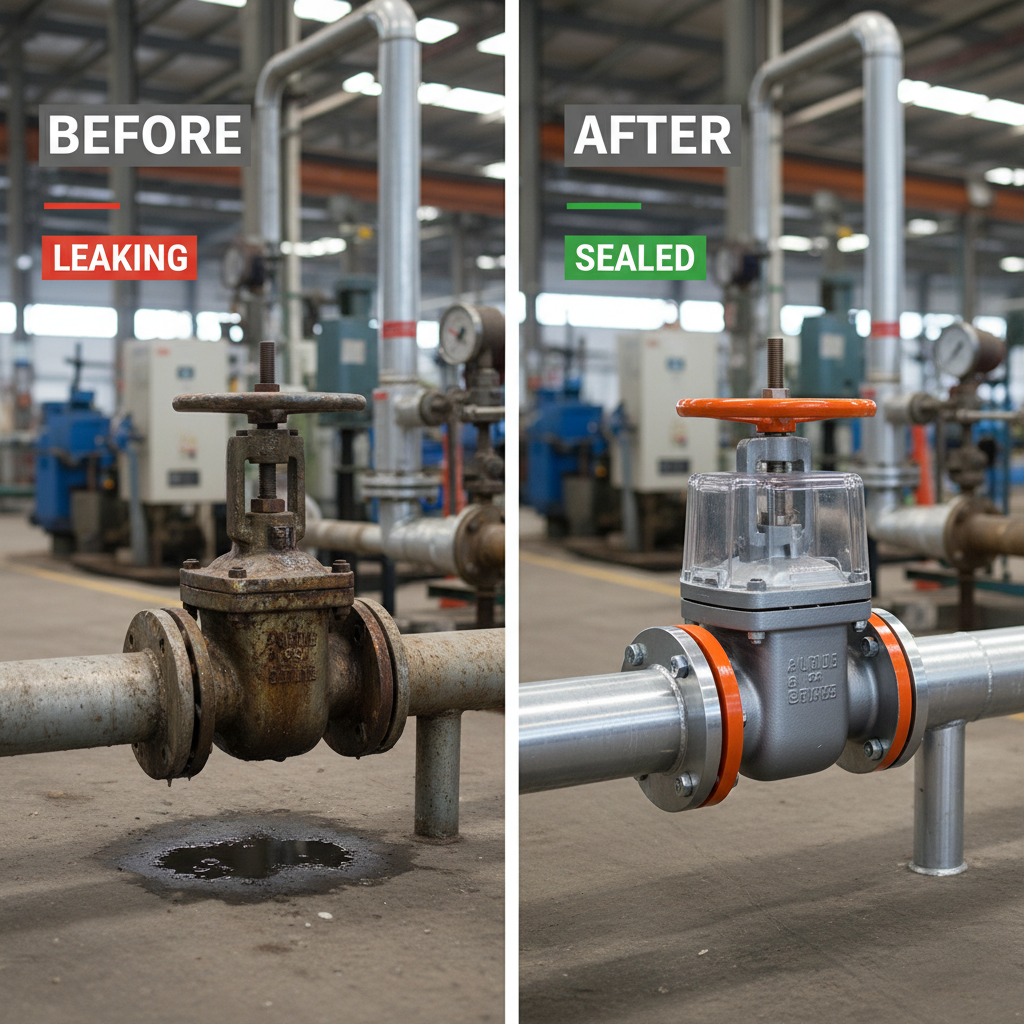
In the complex world of fluid dynamics and industrial piping, ensuring the unidirectional flow of liquids and gases is a fundamental requirement for system safety and efficiency. The floating ball check valve serves as a critical mechanism in this regard, providing a reliable barrier against backflow that can cause catastrophic equipment failure or process contamination. By utilizing a balanced ball design, these valves offer a seamless transition between open and closed states, minimizing pressure drops across the system.
Across global manufacturing sectors, the demand for high-performance flow control solutions has surged as industries move toward higher pressure ratings and more corrosive media. The integration of advanced materials and strict adherence to international standards, such as API 594, ensures that the floating ball check valve remains a staple in critical infrastructure. From oil and gas pipelines to chemical processing plants, the ability to prevent reverse flow without manual intervention is paramount for operational continuity.
Choosing the right valve involves balancing mechanical durability with precise sealing capabilities. Whether dealing with ductile iron bodies or specialized S.S. 316 springs, the floating ball check valve provides the necessary versatility to handle sizes up to 12 inches, ensuring that industrial operators can maintain tight control over their fluid transport systems.
Engineering Standards and Design of Floating Ball Check Valves
The design and manufacture of a high-quality floating ball check valve are governed by rigorous international protocols to ensure safety and interoperability. Specifically, the adherence to API 594 standards ensures that the valve's internal architecture can withstand the stresses of industrial pressure cycles. Furthermore, the flange dimensions are strictly aligned with ASME B16.1 and EN1092, allowing these valves to be integrated into existing piping networks across different geographical regions without the need for costly adapters.
Beyond physical dimensions, the testing and inspection phase is critical. By following API 598 and EN12266, every unit is subjected to stringent leak tests and pressure evaluations. This ensures that the sealing mechanism, typically utilizing NBR, provides a bubble-tight shut-off, preventing any reverse leakage that could compromise the integrity of the upstream equipment.
Material Composition for Enhanced Durability
The longevity of a floating ball check valve is directly linked to the materials used in its construction. The body is typically crafted from ductile iron, providing a superior balance between strength and ductility compared to standard cast iron. This allows the valve to resist cracking under thermal expansion or sudden pressure surges, which is essential for the harsh environments found in heavy manufacturing.
Internal components are strategically selected to fight wear and corrosion. The disc is made from WCB (cast carbon steel), providing the necessary mass and hardness to seat firmly against the seal. Meanwhile, the spring is fabricated from S.S. 316, a high-grade stainless steel known for its exceptional resistance to pitting and crevice corrosion, ensuring that the valve returns to the closed position reliably over thousands of cycles.
To further reduce friction and extend the service life, the valve guide is constructed from a copper alloy, while the stem and spring gland utilize S.S. 13Cr. These material choices ensure that the internal moving parts do not seize, even when exposed to moderately corrosive fluids or sediment-heavy streams, maintaining the operational efficiency of the entire system.
Operational Mechanics of the Floating Ball Design
The core functionality of the floating ball check valve relies on the fluid's own pressure to actuate the mechanism. When the forward pressure exceeds the spring tension, the ball "floats" away from the seat, allowing the medium to pass through with minimal resistance. This automatic operation eliminates the need for external power sources, making it an energy-efficient solution for remote piping installations.
One of the primary advantages of the floating ball check valve is its ability to reduce "water hammer" effects. Because the ball responds rapidly to changes in flow direction, it can close more smoothly than a traditional swing check valve, thereby protecting the piping from the violent pressure spikes that occur when a column of liquid is suddenly halted.
The sealing integrity is maintained by the NBR seal, which compresses under the ball's weight and the spring's force. This creates a tight interface that effectively blocks backflow. The synergy between the S.S. 316 spring and the WCB disc ensures that the closing force is consistent, regardless of the valve's orientation in the pipeline, whether installed horizontally or vertically.
Performance Metrics and Size Optimization
Optimizing the size of a floating ball check valve is crucial for maintaining the desired flow rate while ensuring a complete seal. Available in sizes up to 12 inches (DN 350), these valves are engineered to handle a wide range of pipe diameters. The relationship between the DN (Nominal Diameter) and the L (Face-to-Face length) is carefully calibrated to ensure that the valve does not introduce excessive turbulence into the flow stream.
When selecting a valve, engineers must consider the pressure rating (PN10) and the specific dimensions of the flange holes (N-Φd). A properly sized valve ensures that the pressure drop is minimized, which directly translates to lower pumping costs and reduced wear on the motor. By matching the valve size to the system's flow velocity, operators can maximize the lifespan of the sealing components.
Performance Efficiency of Floating Ball Check Valve Variants
Global Industrial Applications and Use Cases
The versatile nature of the floating ball check valve makes it indispensable in various global industrial contexts. In the oil and gas sector, these valves are frequently used in discharge lines to prevent the return of hydrocarbons into pumps during shutdowns. Their ability to operate in various orientations allows them to be installed in complex offshore rigs where space is limited and piping paths are unconventional.
In municipal water treatment and chemical processing, these valves protect critical filtration units from back-contamination. For instance, in remote industrial zones where manual monitoring is infrequent, the automatic closing feature provides a fail-safe mechanism that protects the entire plant's infrastructure from reverse-flow induced damage, ensuring that water or chemical flow remains unidirectional and controlled.
Long-Term Value and Maintenance Advantages
Investing in a high-quality floating ball check valve yields significant long-term economic value by reducing unplanned downtime. Because the valve's design minimizes the number of friction-heavy moving parts and utilizes corrosion-resistant S.S. 316 springs, the interval between maintenance cycles is greatly extended. This reliability is a key factor for plants operating under 24/7 production schedules where every hour of downtime results in substantial financial loss.
Furthermore, the use of ductile iron and carbon steel ensures a robust structural integrity that withstands the rigors of industrial environments. The simplicity of the ball-and-spring mechanism means that when maintenance is required, the process is straightforward, often involving only the inspection of the NBR seal and the cleaning of the valve guide, rather than a complete system overhaul.
From a safety perspective, the peace of mind provided by an API 598 certified valve is invaluable. Knowing that the floating ball check valve will reliably prevent backflow protects not only the equipment but also the personnel working around high-pressure lines, reducing the risk of leaks and explosions in volatile environments.
Technical Specifications and Dimensional Analysis
A detailed analysis of the floating ball check valve dimensions reveals a precise engineering approach to fluid dynamics. As the nominal diameter (DN) increases from 40mm to 350mm, the face-to-face length (L) grows proportionally, from 110mm up to 381mm. This scaling ensures that the internal ball has sufficient clearance to operate without hindering the flow of the medium, while the PN10 pressure rating remains consistent across the range.
The flange dimensions (ΦD and ΦC) are critical for ensuring a leak-proof connection. For smaller sizes like DN40, the outer diameter is 110mm, whereas the largest size, DN350, reaches 505mm. The number and size of the bolt holes (N-Φd) also increase to accommodate higher mechanical loads, moving from 4 holes of 18mm in smaller units to 16 holes of 23mm in the DN350 model.
Understanding these specifications is essential for procurement and installation teams. By aligning the valve's physical footprint with the pipeline's design, engineers can ensure a seamless fit that prevents stress on the pipe joints and optimizes the overall performance of the flow control system.
Detailed Dimensional and Material Specifications for Floating Ball Check Valves
| Nominal Size (DN) |
Face-to-Face Length (L) |
Flange Outer Diameter (ΦD) |
Bolt Configuration (N-Φd) |
| 40 mm |
110 mm |
110 mm |
4-18 |
| 80 mm |
180 mm |
200 mm |
4-18 |
| 125 mm |
254 mm |
250 mm |
8-19 |
| 200 mm |
292 mm |
340 mm |
8-23 |
| 300 mm |
356 mm |
445 mm |
12-23 |
| 350 mm |
381 mm |
505 mm |
16-23 |
FAQS
The floating ball check valve offers several advantages, most notably a significant reduction in water hammer. Because the ball closes more rapidly and smoothly, it prevents the violent pressure surges associated with swing checks. Additionally, it can be installed in any orientation (horizontal or vertical), whereas swing check valves are typically limited to specific positions to ensure the disc closes properly under gravity.
Yes, provided the material specifications match the medium. Our valves utilize S.S. 316 for the springs and S.S. 13Cr for the stem and spring gland, which provide excellent resistance to oxidation and corrosion. For highly aggressive chemical environments, the WCB disc and ductile iron body offer robust protection, though customized lining or higher alloys can be discussed based on the specific chemical composition of the fluid.
The S.S. 316 spring determines the "cracking pressure"—the minimum forward pressure required to push the ball off its seat. A stronger spring prevents premature opening and reduces chatter in low-flow conditions, while a softer spring allows the valve to open at lower pressures. This balance ensures that the floating ball check valve only opens when there is sufficient flow to justify the transition, maintaining system stability.
Maintenance is generally minimal. Periodic inspections should focus on the NBR sealing ring to check for wear or deformation. Additionally, flushing the valve guide (copper alloy) to remove accumulated debris ensures the ball continues to move freely. Because the design adheres to API 598 standards, the internal components are built for longevity, usually requiring only a seal replacement every few years depending on the cycle frequency.
The current standard range for this specific design goes up to 12 inches (DN 350). For systems requiring larger diameters, the dynamics of the "floating ball" change, and alternative check valve designs (such as dual-plate or piston check valves) are typically recommended to maintain sealing integrity and prevent the ball from becoming too heavy for the spring to manage effectively.
These standards provide a guarantee of quality and compatibility. API 594 ensures that the internal design is optimized for industrial pressure and flow, while ASME B16.1 ensures that the flanges will fit perfectly with other standard pipes and valves in the industry. For the end user, this means easier installation, reduced risk of leaks at the connection points, and a predictable performance profile that meets international safety codes.
Conclusion
The floating ball check valve stands as a pinnacle of efficient flow control, combining the strength of ductile iron and carbon steel with the precision of stainless steel internals. By adhering to strict API and ASME standards, it provides an automated, energy-efficient solution to prevent backflow, reduce water hammer, and protect expensive upstream equipment. From its material composition to its meticulously calculated dimensions, every aspect of the valve is designed to maximize reliability and minimize maintenance in the most demanding industrial environments.
As industries move toward greater automation and more sustainable operations, the role of dependable, low-maintenance components becomes even more critical. We recommend a thorough analysis of flow velocity and medium compatibility to select the optimal size and material grade for your system. For those seeking a fusion of durability and precision in flow management, exploring the full range of our valve solutions is the first step toward a more secure and efficient piping network. Visit our website: www.valve-cable.com