In the complex landscape of modern industrial fluid control, the actuated valve stands as a cornerstone of operational efficiency. By replacing manual labor with automated precision, these systems allow for the seamless regulation of flow, pressure, and temperature across vast piping networks. Whether in a chemical plant or a water treatment facility, the ability to control a valve from a remote console is no longer a luxury, but a critical requirement for safety and productivity.
Globally, the shift toward Industry 4.0 has accelerated the adoption of these automated solutions. The integration of smart actuators with traditional valve bodies has enabled industries to reduce human error, minimize hazardous exposure for technicians, and achieve a level of granular control that was previously impossible. As global infrastructure expands, the demand for reliable, high-cycle automated valves continues to grow, driving innovation in materials and control logic.
Understanding the nuances of an actuated valve is essential for engineers and procurement managers looking to optimize their systems. From selecting the right power source—be it pneumatic, electric, or hydraulic—to ensuring the valve body matches the corrosive nature of the medium, every decision impacts the long-term ROI. This guide explores the technical depths and practical applications of these essential industrial components.
Global Relevance of Actuated Valve Systems
The global industrial sector is currently facing a paradoxical challenge: the need for increased production capacity coupled with stricter environmental and safety regulations. According to ISO standards for industrial automation, the implementation of an actuated valve is often the primary step in reducing operational risks. By removing the need for manual operation in hazardous environments, companies can significantly lower the rate of workplace accidents and ensure a more consistent flow of materials.
From the oil fields of the Middle East to the pharmaceutical labs of Europe, these systems are critical for maintaining precise process parameters. The ability to execute a "fail-safe" closure during an emergency—where the valve automatically shuts or opens upon power loss—is a global safety requirement that prevents catastrophic leaks and environmental disasters, making these components indispensable to the modern industrial infrastructure.
Defining the Actuated Valve in Modern Industry
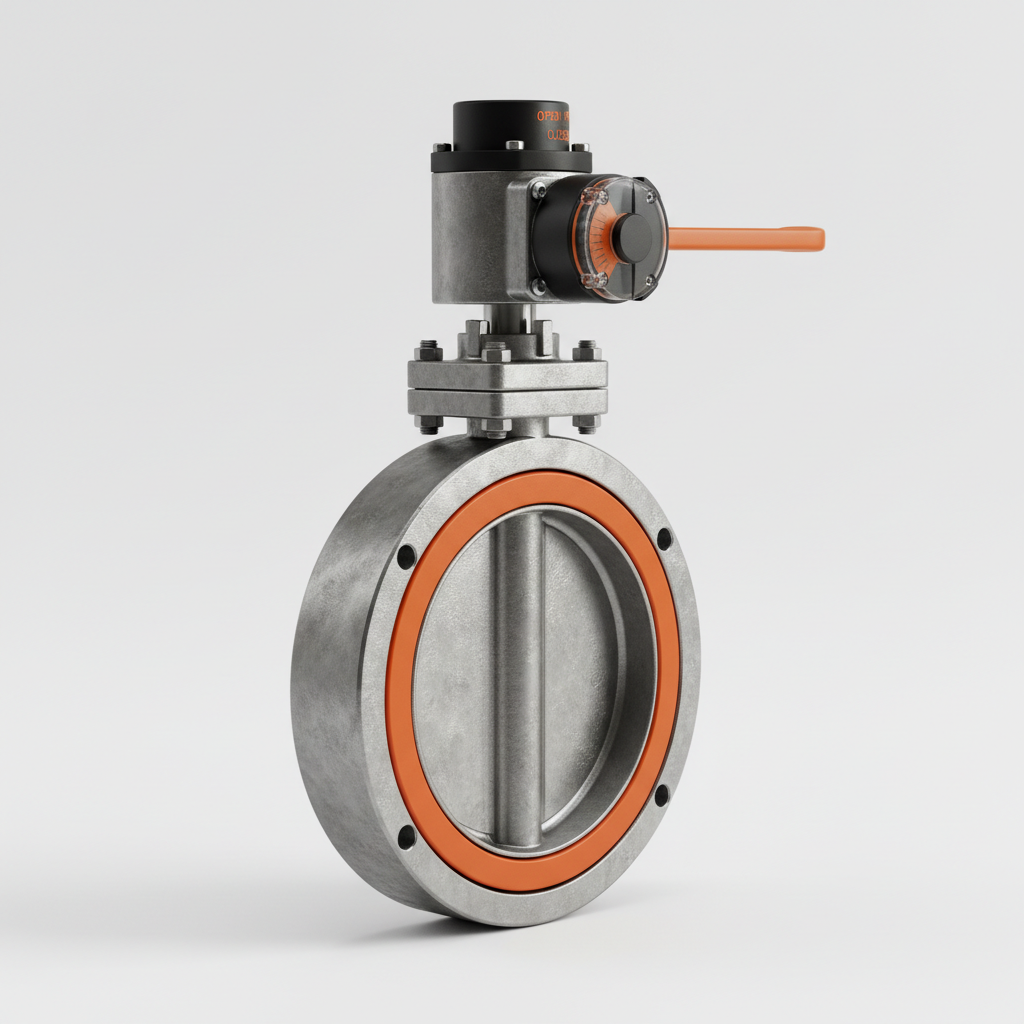
In its simplest terms, an actuated valve is a standard mechanical valve (such as a ball, butterfly, or gate valve) paired with an actuator. The actuator acts as the "muscle" of the operation, converting energy—typically electrical, pneumatic, or hydraulic—into mechanical motion to open, close, or modulate the valve's position without the need for a human operator to turn a handwheel.
This combination transforms a passive pipe component into an active part of a control loop. In modern industry, this means the valve can be integrated with PLC (Programmable Logic Controller) systems and SCADA networks. This connectivity allows for real-time monitoring and adjustment, ensuring that fluid dynamics are optimized based on live sensor data, which is essential for high-precision manufacturing.
Beyond industrial profit, these valves serve critical humanitarian and civic needs. In municipal water treatment plants, actuated valves ensure that clean water is distributed efficiently and that sewage is diverted correctly during storm surges, preventing urban flooding and protecting public health through automated, reliable infrastructure.
Core Components for Operational Durability
The reliability of an actuated valve depends heavily on its core components. First is the valve body itself, which must be composed of materials like stainless steel or specialized alloys to withstand the chemical nature of the medium. The seal and seat materials are equally vital, as they prevent leakage and ensure the valve can maintain a tight shut-off under high pressure.
The actuator is the heart of the system. Whether it is a pneumatic diaphragm or an electric motor, the actuator must provide sufficient torque to overcome the friction of the valve seat. For an actuated valve to be truly durable, the coupling between the actuator and the valve stem must be precision-engineered to prevent slippage and wear over millions of cycles.
Finally, the control interface—including limit switches and positioners—provides the "brain" of the operation. Positioners allow for the fine-tuning of the valve's opening percentage, which is critical for throttling applications. Without high-quality feedback mechanisms, an automated valve would be a "blind" system, unable to confirm if it has actually reached the desired state.
Comparative Performance of Actuation Methods
Choosing the right power source for an actuated valve involves balancing speed, force, and environment. Pneumatic actuators are favored for their rapid response and inherent safety in explosive environments, while electric actuators offer precise positioning and easier integration into digital networks without the need for compressed air infrastructure.
Hydraulic systems, though more complex to install, provide the immense torque required for large-bore valves in heavy industry. The following data illustrates how different actuation methods perform across key operational metrics, helping engineers select the most appropriate technology for their specific process requirements.
Performance Metrics by Actuated Valve Type
Global Applications and Industrial Use Cases
The versatility of the actuated valve allows it to be deployed in nearly every industrial sector. In the oil and gas industry, these valves are used in Emergency Shutdown (ESD) systems, where they must close instantly to prevent oil spills during pipeline ruptures. In remote industrial zones, where human presence is limited, automated valves are the only way to maintain flow control across hundreds of miles of pipeline.
Similarly, in the pharmaceutical and food & beverage industries, actuated valves facilitate "Clean-in-Place" (CIP) processes. By automatically sequencing the flow of cleaning agents and rinses, companies can ensure sterile environments without dismantling the entire piping system. This automation not only increases hygiene standards but significantly reduces the downtime between different product batches.
Long-Term Value and Safety Advantages
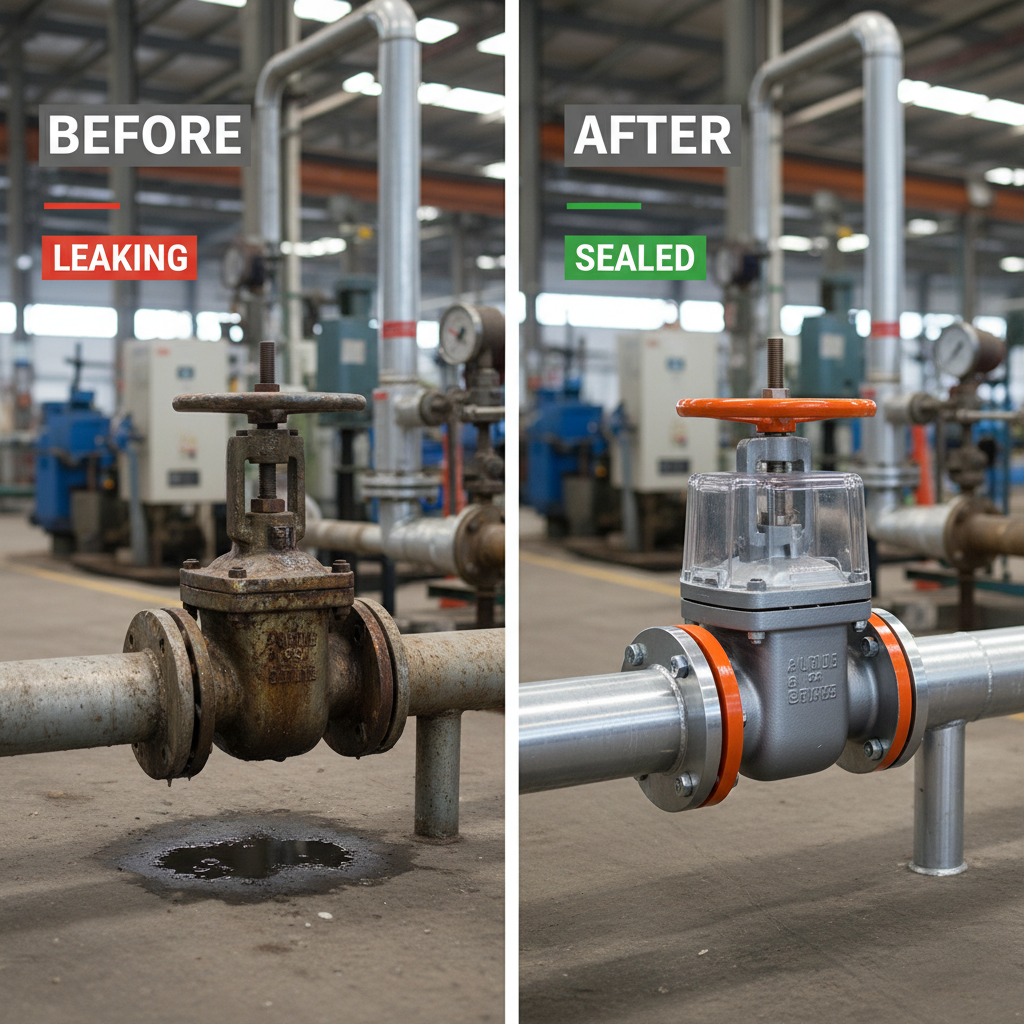
Investing in a high-quality actuated valve provides tangible long-term value by reducing operational expenditures (OPEX). While the initial cost is higher than a manual valve, the reduction in man-hours required for operation and the prevention of product waste through precise modulation lead to a rapid payback period. Furthermore, the consistency of automated operation extends the lifespan of the valve by avoiding the erratic torque often applied during manual operation.
From a safety perspective, the value is immeasurable. Automation eliminates the need for operators to enter "red zones" or climb high-altitude piping racks to turn a valve. This shift in operational philosophy prioritizes human dignity and safety, moving the worker from a high-risk physical role to a supervisory role in a safe control room.
Moreover, the reliability of automated systems fosters a culture of trust within a facility. When engineers know that a valve will respond exactly as programmed, they can push the limits of their process efficiency, knowing that the system is protected by a robust, automated safety net that reacts faster than any human could.
Future Trends in Valve Automation
The future of the actuated valve is inextricably linked to the digital transformation of industry. We are seeing a rise in "Smart Actuators" equipped with IoT sensors that can perform predictive maintenance. Instead of scheduled servicing, these valves can signal when their seals are wearing thin or when a motor is drawing excessive current, allowing for repairs before a failure occurs.
Sustainability is also driving material innovation. New, eco-friendly elastomers and low-friction coatings are being developed to reduce the energy required for actuation. As the world moves toward green hydrogen and carbon capture, actuated valves are being redesigned to handle cryogenic temperatures and highly corrosive gases, ensuring the energy transition is safe and efficient.
Integration with AI-driven process control is the final frontier. Future systems will not just follow a program but will autonomously adjust the opening of an actuated valve in real-time to optimize energy consumption and minimize emissions, aligning industrial production with global carbon-neutrality goals.
Comparison of Actuated Valve Specifications Across Industrial Tiers
|
Valve Tier
|
Typical Actuator Type
|
Response Speed
|
Maintenance Cycle
|
|
Standard Utility
|
Electric (Basic)
|
Moderate
|
24 Months
|
|
Process Control
|
Pneumatic w/ Positioner
|
Fast
|
12 Months
|
|
Heavy Industrial
|
Hydraulic
|
Slow/Powerful
|
18 Months
|
|
Critical Safety (ESD)
|
Spring-Return Pneumatic
|
Instant
|
6 Months
|
|
High-Precision Pharm
|
Servo-Electric
|
Ultra-Precise
|
12 Months
|
|
Cryogenic Gas
|
Specialized Electric
|
Moderate
|
9 Months
|
FAQS
Pneumatic actuated valves use compressed air and are generally faster and safer for explosive environments (ATEX zones). Electric actuated valves use an electric motor, offering higher precision in positioning and easier integration with digital control systems without requiring an air compressor. The choice depends on your site's available power and the required speed of action.
Selecting the correct torque involves calculating the "breakaway torque" (the force needed to open a closed valve) and the "running torque." You must account for the medium's viscosity, the pressure differential across the valve, and a safety factor (usually 20-30%) to ensure the actuator can reliably operate the valve even as seals age or build-up occurs.
This depends on the "fail-safe" configuration. A "Fail-Closed" valve will use a spring-return mechanism to shut the valve automatically when power or air is lost. A "Fail-Open" valve will open, and a "Fail-Last-Position" valve will simply remain where it was. This is a critical safety decision based on whether a closed or open state is safer for your specific process.
Yes, many manual valves are designed with an ISO 5211 mounting pad specifically for this purpose. However, you must ensure the valve stem is compatible with the actuator's drive nut or coupling. It is often recommended to buy a pre-assembled actuated valve to ensure the torque ratings and sealings are perfectly matched by the manufacturer.
Service intervals vary by application. In critical safety roles (ESD), testing may occur every 6 months. For standard utility roles, an annual check is common. Key areas to inspect include actuator seal integrity, lubrication of the stem, and calibration of the limit switches to prevent "hunting" or incomplete closure.
Absolutely. Most modern actuators come with 4-20mA or 0-10V analog signals for modulating valves, or simple digital on/off signals for isolation valves. This allows the actuated valve to be monitored and controlled from a central hub, providing real-time data on the valve's status and position.
Conclusion
The transition from manual to automated fluid control represents a fundamental leap in industrial capability. As we have explored, the actuated valve is more than just a mechanical tool; it is an integrated system that blends metallurgy, power electronics, and software logic to ensure that critical processes remain safe and efficient. By understanding the trade-offs between actuation methods and focusing on high-durability components, companies can achieve a level of operational stability that is essential for competing in the global market.
Looking forward, the synergy between AI and valve automation will redefine the concept of "maintenance," moving from reactive fixes to predictive optimization. We encourage plant managers and engineers to evaluate their current valve infrastructure and consider the long-term safety and efficiency gains of upgrading to smart automated solutions. To explore our full range of high-performance valves and automation accessories, visit our website: www.valve-cable.com.