Sep . 19, 2025 10:25 Back to list
Discover Types of Sluice Valve: Durable & Efficient Gate Valves
Understanding the Manufacturing Process of types of sluice valve
The precise manufacturing of industrial valves is paramount for ensuring operational integrity and safety across critical infrastructure. For types of sluice valve, particularly resilient-seated gate valves, the process combines advanced material science with precision engineering to deliver products capable of extended service life and reliable performance in demanding environments. This section outlines the typical manufacturing flow for high-quality sluice valves, emphasizing key stages, materials, and stringent quality control measures.
Key Stages in Sluice Valve Manufacturing:
-
Design & Engineering (CAD/FEA):
Utilizing advanced Computer-Aided Design (CAD) software, engineers create detailed 3D models and blueprints. Finite Element Analysis (FEA) is employed to simulate stress distribution under various operating conditions, optimizing valve body and wedge designs for maximum strength, minimal material usage, and efficient fluid dynamics. This phase ensures compliance with international standards such as EN 1074 and ISO 5208 from the outset.
-
Material Sourcing & Inspection:
Raw materials, typically Ductile Iron GGG50 (EN-GJS-500-7) for the body and bonnet, Stainless Steel (e.g., SS420, SS304) for the stem, and EPDM rubber for the wedge encapsulation and seals, are sourced from certified suppliers. Each batch undergoes rigorous incoming inspection, including spectrographic analysis for chemical composition and mechanical testing for tensile strength and hardness, ensuring materials meet specified grades and performance criteria.
-
Casting & Forging:
The valve body, bonnet, and wedge are typically cast. Modern foundries employ precise sand casting or investment casting techniques to achieve high dimensional accuracy and superior surface finishes. Forged components, if utilized for specific high-stress parts, enhance grain structure and mechanical properties. Post-casting, components undergo shot blasting to clean surfaces and identify any potential defects, followed by heat treatment to relieve internal stresses and optimize material properties.
-
CNC Machining:
Computer Numerical Control (CNC) machining centers are used for high-precision machining of critical surfaces, including flange faces, stem bores, and sealing areas. This ensures tight tolerances for mating parts, facilitating bubble-tight sealing and smooth operation. For resilient-seated gate valves, the internal body cavity is precisely machined to accommodate the fully encapsulated wedge and achieve a uniform sealing surface.
-
Surface Treatment & Coating:
All ductile iron components undergo thorough cleaning and preparation before receiving a Fusion Bonded Epoxy (FBE) coating. This multi-layer, heat-applied coating (typically 250+ microns) provides exceptional corrosion resistance and complies with standards like WRAS for potable water applications. The FBE coating is critical for extending the service life of types of sluice valve in aggressive media.
-
Assembly & Testing:
Components are meticulously assembled in a clean environment. This includes installing the stem, packing glands, O-rings, handwheel (or gearbox/actuator connection), and the EPDM-encapsulated wedge. Post-assembly, each valve undergoes comprehensive testing according to international standards (e.g., ISO 5208, API 598). This includes hydrostatic shell testing, hydrostatic seat leakage testing (typically Class A/bubble-tight for resilient seats), and operational torque testing. Fugitive emission tests may also be conducted for specific applications.
-
Final Inspection & Packaging:
A final visual inspection verifies dimensions, marking, coating integrity, and overall finish. Valves are then carefully packaged to prevent damage during transit, often with protective covers for flanges and clear labeling including product specifications and traceability codes. This rigorous process ensures a typical service life exceeding 25 years under specified conditions, providing significant energy saving through minimal pressure drop when fully open, and superior corrosion resistance.
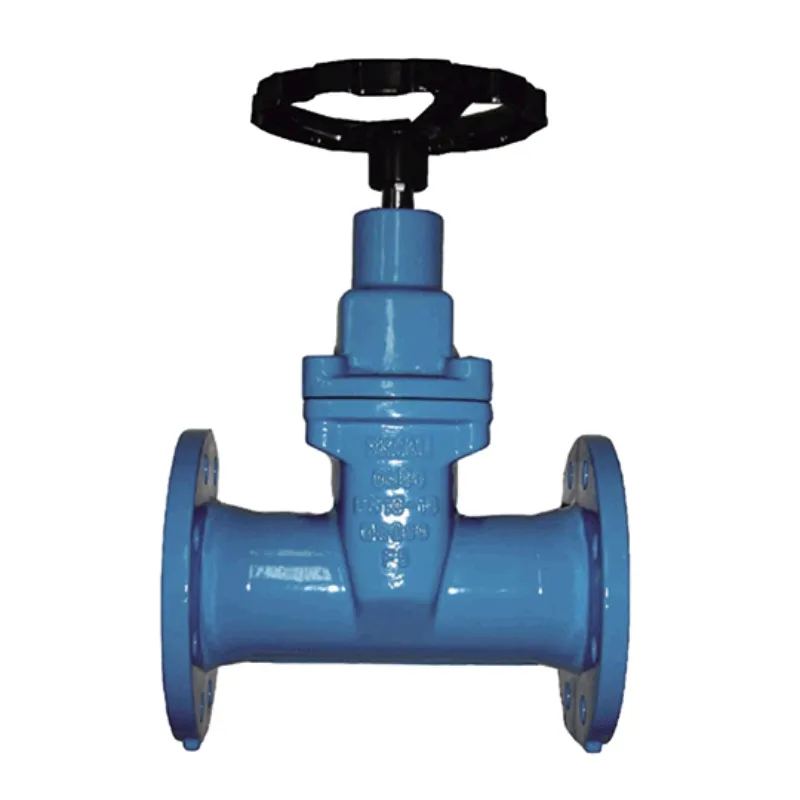
Fig 1: Advanced manufacturing techniques ensure precision and durability in resilient-seated gate valves.
Industry Trends in Valve Technology
The valve industry is undergoing significant transformation driven by technological advancements, sustainability imperatives, and evolving operational demands. Key trends impacting the design, deployment, and maintenance of types of sluice valve include:
- Smart Valve Technology & IoT Integration: The integration of Internet of Things (IoT) sensors and smart actuators is becoming prevalent. This enables real-time monitoring of valve position, pressure, temperature, and flow rates. Predictive maintenance algorithms analyze this data to anticipate failures, optimize service schedules, and prevent costly downtime, moving from reactive to proactive asset management.
- Emphasis on Sustainable Materials & Manufacturing: There's a growing push towards environmentally friendly materials and production processes. This includes exploring recycled content, reducing energy consumption during manufacturing, and ensuring products are free from harmful substances. Fusion Bonded Epoxy (FBE) coatings, for example, are chosen for their durability and inertness in potable water applications, contributing to system longevity and reduced environmental impact.
- Increased Demand for High-Performance Resilient-Seated Gate Valves: As global water infrastructure ages and new projects emerge, the demand for reliable, bubble-tight sealing solutions is surging. Resilient-seated gate valves, due to their superior sealing capabilities, minimal maintenance requirements, and full-bore design, are increasingly preferred over traditional metal-seated gate valves in water and wastewater applications.
- Advanced Manufacturing Techniques: Additive manufacturing (3D printing) for complex valve components and advanced robotics for assembly and testing are improving precision, reducing lead times, and enhancing cost-efficiency. These techniques enable the production of more customized and application-specific valve solutions.
- Digital Twin Technology: Creating digital replicas of physical valves allows for comprehensive simulation and analysis of performance throughout the valve's lifecycle. This aids in design optimization, operational planning, and predictive maintenance strategies, enhancing the overall reliability and efficiency of valve systems.
Technical Specifications: DIN Resilient Seat Gate Valve NRS
The DIN Resilient Seat Gate Valve NRS (Non-Rising Stem) exemplifies precision engineering for critical flow control applications. Designed to meet stringent international standards, this specific category of types of sluice valve offers robust performance and long-term reliability. Below are the detailed specifications for a typical DIN Resilient Seat Gate Valve NRS, highlighting its construction and operational parameters.
General Parameters:
- Size Range: DN50 to DN600 (2" to 24")
- Pressure Rating: PN10, PN16, PN25
- Temperature Range: -10°C to +80°C
- Flange Standard: DIN EN 1092-2, PN10/PN16
- Face-to-Face Dimension: DIN EN 558 Series 14 (F4) / Series 15 (F5)
- Operation: Handwheel (standard), Gearbox, Electric/Pneumatic Actuator
Product Specification Table: DIN Resilient Seat Gate Valve NRS
| Feature | Specification |
|---|---|
| Model | DIN Resilient Seat Gate Valve NRS |
| Body Material | Ductile Iron GGG50 (EN-GJS-500-7) |
| Wedge Material | Ductile Iron GGG50, EPDM Encapsulated (WRAS Approved) |
| Stem Material | Stainless Steel 420 / 304 (Corrosion Resistant) |
| Sealing | EPDM Rubber (Bubble-tight Class A) |
| Nominal Diameter (DN) | 50mm - 600mm (2" - 24") |
| Nominal Pressure (PN) | PN10, PN16, PN25 |
| Operating Temperature | -10°C to +80°C |
| Coating | Fusion Bonded Epoxy (FBE), Min. 250 microns, RAL 5015 |
| Standards Compliance | EN 1074, EN 1171, ISO 5208, EN 1092-2 (Flanges) |
| Features | Non-Rising Stem (NRS), Full Bore, Low Operating Torque, Triple O-ring stem sealing, Replaceable gland packing. |
Application Scenarios for Sluice Valves
The versatility and reliability of types of sluice valve make them indispensable across a multitude of industrial and utility applications. Their robust design, particularly resilient-seated gate valves, ensures secure shut-off and efficient flow control in various media. Below are some primary application scenarios:
- Potable Water Distribution Networks: Resilient-seated gate valves are the preferred choice for municipal water supply lines. Their bubble-tight seal prevents leakage, minimizes water loss, and maintains water quality. The full-bore design ensures minimal pressure drop, optimizing pumping efficiency and reducing energy consumption in extensive networks.
- Wastewater Treatment Plants: In wastewater applications, valves must withstand abrasive solids and corrosive environments. The fusion-bonded epoxy coating and robust ductile iron construction of sluice valves provide excellent corrosion resistance, while the non-rising stem (NRS) design is suitable for confined spaces often found in treatment facilities.
- Irrigation Systems: Large-scale agricultural and landscape irrigation systems require reliable isolation valves to manage water flow efficiently. Sluice valves offer durable service in outdoor conditions, ensuring precise water distribution and minimal maintenance, crucial for effective resource management.
- Fire Protection Systems: As critical components in fire suppression, gate valves act as isolation points for sprinkler systems, hydrants, and standpipes. Their dependable shut-off capability and clear open/closed indication (for OS&Y valves, though NRS is also used) are essential for safety and system maintenance. They must meet specific fire safety standards.
- Industrial Process Lines: While often associated with water, these valves are also used in various industrial processes involving clean liquids, oils, and gases where tight shut-off and high flow capacity are required. Industries include HVAC, chemical processing (non-corrosive media), and general utility lines within manufacturing plants.
- Pump Stations and Reservoirs: To isolate pumps for maintenance or to control flow into and out of reservoirs, sluice valves provide reliable shut-off. Their robust construction handles varying pressures and flow dynamics, ensuring operational continuity for vital water infrastructure.
Technical Advantages of Modern Sluice Valves
Modern resilient-seated types of sluice valve offer significant technical advantages over traditional designs, leading to improved efficiency, extended service life, and reduced operational costs. These advantages are crucial for B2B decision-makers seeking long-term value and reliability.
- Bubble-Tight Sealing (Class A): The fully encapsulated wedge, typically with EPDM rubber, provides a superior, leak-proof seal against the valve body. Unlike metal-seated gate valves that rely on metal-to-metal contact, resilient seats compensate for minor imperfections and resist particulate intrusion, ensuring zero leakage and preventing water loss or contamination.
- Full Bore Design & Low Pressure Drop: When fully open, the valve offers an unobstructed flow path equivalent to the pipeline diameter. This full-bore design minimizes turbulence and pressure drop, resulting in a high flow coefficient (Cv) and reduced energy consumption for pumping systems. This translates directly into operational energy saving.
- Superior Corrosion Resistance: Fusion Bonded Epoxy (FBE) coating, applied with a minimum thickness of 250 microns, provides exceptional protection against corrosion, both internally and externally. This, combined with stainless steel stems and corrosion-resistant ductile iron bodies, significantly extends the valve's service life, especially in harsh or underground environments.
- Low Operating Torque: The smooth, resilient seating surface and precision-engineered stem assembly result in significantly lower operating torque compared to metal-seated valves. This facilitates easier manual operation, reduces the size and cost of actuators, and minimizes wear on internal components.
- Maintenance-Free Design: With no wedge cavity to trap debris and a durable FBE coating, these valves are inherently designed for low maintenance. The non-rising stem (NRS) design eliminates the need for stem lubrication and protection from external elements, further contributing to reduced operational overhead.
- Enhanced Durability & Longevity: Adherence to strict manufacturing standards (e.g., EN 1074, ISO 5208) and the use of high-quality materials ensure that modern sluice valves are built for longevity. They are designed to withstand years of continuous service under specified pressure and temperature ratings, reducing the frequency of replacement and associated costs.
Vendor Comparison: Evaluating Valve Solutions
When selecting isolation valves, a comprehensive vendor and product comparison is essential. Different water gate valve types offer distinct advantages and limitations depending on the specific application requirements. This comparison focuses on common industrial valve types relevant to sluice valve applications.
Product Comparison Table: Gate Valve Types
| Feature | Resilient Seated Gate Valve (DIN NRS) | Metal Seated Gate Valve | Wafer Type Butterfly Valve | Y Type Gate Valve |
|---|---|---|---|---|
| Sealing Capability | Bubble-tight (Class A) | Class IV-V, potential for minor leakage over time | Bubble-tight (soft seat) | Class IV-V, similar to standard metal-seated |
| Flow Path (Full Open) | Full Bore, Unobstructed | Full Bore, Unobstructed | Disc always in flow path, partial obstruction | Full Bore, Unobstructed (for certain designs) |
| Pressure Drop | Very Low | Low | Moderate (due to disc) | Low |
| Media Compatibility | Clean/Potable Water, Wastewater, non-abrasive liquids | General utility, steam, oil, some abrasive slurries | HVAC, low pressure water, some chemicals (depends on liner) | Similar to standard gate valves, often for slurries and abrasive media due to inclined stem |
| Debris Tolerance | High (no wedge cavity) | Low (wedge cavity traps debris) | Moderate | Higher than traditional gate valves due to body design |
| Maintenance | Very Low | Moderate (re-seating/gland packing) | Low (liner replacement) | Moderate |
| Cost (Installation & Valve) | Moderate | Lower valve cost, higher long-term maintenance | Lower (compact design) | Moderate to High (specialized applications) |
| Footprint | Standard | Standard | Compact (especially for `wafer type gate valve`) | Standard (Y-shape body) |
The comparison highlights that while a `wafer type gate valve` (butterfly valve) offers compactness and lower cost, it sacrifices full bore flow and may not be suitable for demanding shut-off applications. Similarly, the `y type gate valve` is often specialized for throttling or handling slurries. For general water and wastewater isolation, the resilient-seated gate valve provides the optimal balance of performance, longevity, and cost-effectiveness, making it a reliable choice among `gate valves for sale` for critical infrastructure.
Customized Solutions for Sluice Valves
Understanding that standard products may not always meet every unique project requirement, leading manufacturers offer extensive customization options for types of sluice valve. These tailored solutions ensure optimal performance, compatibility, and cost-efficiency for specialized applications.
- Material Upgrades & Special Alloys: For highly corrosive or abrasive media, customization can include different body materials (e.g., stainless steel, bronze), stem materials (e.g., Duplex, Monel), or alternative rubber compounds for wedge encapsulation (e.g., NBR for hydrocarbons, Viton for higher temperatures).
- Actuation & Automation: Beyond standard handwheel operation, valves can be customized for integration with electric, pneumatic, or hydraulic actuators. This includes specific mounting flanges (e.g., ISO 5210) and control accessories like limit switches, positioners, and smart diagnostic modules for remote operation and automation.
- Flange Drilling & End Connections: While DIN EN 1092-2 is standard, valves can be manufactured with various flange drillings (e.g., ANSI Class 150/300, BS, JIS) to ensure compatibility with existing piping systems globally. Other end connections like weld ends or specific spigot designs can also be accommodated.
- Extended Stems & Gearboxes: For underground installations or valves located in pits, extended stems with headstocks are offered to allow operation from ground level. Gearbox ratios can be specified to reduce operating torque for very large valves or systems with lower manual force availability.
- Bypass Valves & Draining Connections: Larger valves may benefit from a small bypass valve to equalize pressure before opening, reducing operational effort. Draining plugs or connections can be added for specific maintenance or testing protocols.
- Specialized Coatings: While FBE is standard, specialized coatings for aggressive chemicals, UV resistance, or specific aesthetic requirements (e.g., custom RAL colors) can be applied. Internal lining options may also be available for specific media.
These customization capabilities ensure that irrespective of the complexity, precise `water gate valve types` can be supplied, guaranteeing seamless integration and optimal performance in any given infrastructure project.
Application Case Studies
Real-world applications demonstrate the tangible benefits of high-quality types of sluice valve in critical infrastructure projects. Here are illustrative case studies:
Case Study 1: Municipal Water Supply Upgrade, Metropolitan City A
Challenge: Metropolitan City A's aging water distribution network suffered from significant water loss due to leaking metal-seated gate valves and high maintenance costs. The city aimed to replace over 500 valves across various diameters (DN150-DN400) to improve efficiency and reduce non-revenue water.
Solution: The city partnered with a leading valve manufacturer to supply DIN Resilient Seat Gate Valves NRS, PN16, with Fusion Bonded Epoxy coating. Key considerations included WRAS approval for potable water, bubble-tight sealing, and long-term corrosion resistance for underground installations. The project specified valves with extended stems for easier operation.
Outcome: Over a 2-year replacement program, the city reported a measurable reduction in water loss by approximately 18% in upgraded zones. Maintenance intervals for the new valves were extended by 70%, leading to a 40% reduction in annual operational expenditure related to valve repairs and replacements. Customer feedback highlighted the ease of operation and reliability of the new installations.
Case Study 2: Industrial Wastewater Treatment Plant Expansion, Chemical Park B
Challenge: Chemical Park B expanded its industrial wastewater treatment facility, requiring robust isolation valves capable of handling chemically treated effluent with potential suspended solids. Previous valve types experienced premature corrosion and frequent jamming.
Solution: For this demanding application, the manufacturer provided customized resilient-seated gate valves. While retaining the core DIN NRS design, the valves featured enhanced internal epoxy coatings tailored for mild chemical resistance and specified NBR rubber encapsulation for improved chemical compatibility compared to EPDM. Sizes ranged from DN100 to DN300, PN10.
Outcome: After 3 years of operation, the customized valves showed no signs of internal corrosion or leakage, a significant improvement over previous installations that failed within 12-18 months. The full-bore design effectively managed the flow of treated wastewater without blockages from minor solids, ensuring continuous operation and compliance with environmental discharge regulations. This reduced overall operational costs by minimizing unscheduled downtime.
Frequently Asked Questions (FAQ)
Q: What is the primary benefit of a resilient-seated gate valve compared to a metal-seated gate valve?
A: The primary benefit is bubble-tight (Class A) sealing, which prevents leakage. Resilient-seated valves use an elastomer-encapsulated wedge that creates a complete seal against the body, unlike metal-seated valves which rely on metal-to-metal contact and can develop minor leaks over time. They also eliminate the wedge cavity, preventing debris accumulation.
Q: Can these types of sluice valve be used for abrasive media?
A: Standard resilient-seated gate valves are generally not recommended for highly abrasive media, as abrasive particles can damage the elastomer seating surface. For such applications, specialized valves like knife gate valves with resilient liners or ceramic-lined valves are more suitable. However, for media with minor suspended solids, the full-bore design is advantageous as it prevents debris from accumulating in a wedge cavity.
Q: What does "NRS" stand for, and what are its advantages?
A: NRS stands for Non-Rising Stem. The stem does not extend upwards when the valve is opened, making it ideal for installations with limited headroom, such as underground applications or confined spaces. It also reduces the risk of external damage to the stem and eliminates the need for stem lubrication, contributing to lower maintenance.
Q: What is the typical service life of your DIN Resilient Seat Gate Valves?
A: Our DIN Resilient Seat Gate Valves are designed and manufactured for a long service life, typically exceeding 25 years under specified operating conditions and with proper installation and maintenance. This is achieved through the use of high-quality ductile iron, robust FBE coating, stainless steel components, and adherence to international quality standards.
Lead Time, Warranty & Customer Support
Lead Time & Fulfillment
For standard DIN Resilient Seat Gate Valves, our typical lead time ranges from 4 to 6 weeks, depending on order quantity and current production schedules. Customized solutions or very large diameter valves may require 8 to 12 weeks, as they involve specific material sourcing and bespoke manufacturing processes. We maintain a robust supply chain and global logistics network to ensure timely delivery to project sites worldwide, coordinating closely with clients to meet critical deadlines.
Warranty Commitments
We stand behind the quality and durability of our products. All our DIN Resilient Seat Gate Valves come with a standard 2-year warranty against manufacturing defects from the date of installation or 2.5 years from shipment, whichever comes first. This warranty covers materials and workmanship, ensuring peace of mind for our customers. Extended warranty options are available upon request for specific project requirements.
Customer Support & After-Sales Service
Our commitment to our clients extends beyond the sale. We offer comprehensive after-sales support, including:
- 24/7 Technical Assistance: Our team of experienced engineers is available around the clock to provide technical guidance, troubleshooting, and support.
- Dedicated Account Managers: Each client is assigned a dedicated account manager for streamlined communication and personalized service.
- Installation & Maintenance Guides: Comprehensive documentation and resources are provided to ensure correct installation, operation, and routine maintenance of our valves.
- Spare Parts Availability: We ensure readily available spare parts for critical components to minimize downtime and extend the operational life of our valves.
- On-Site Support: For complex projects or critical issues, on-site technical support can be arranged.
References
- International Organization for Standardization (ISO). "ISO 5208: Industrial valves — Pressure testing of metallic valves."
- European Committee for Standardization (CEN). "EN 1074: Valves for water supply — Fitness for purpose requirements and appropriate verification tests."
- Water Regulations Advisory Scheme (WRAS). "WRAS Approval Scheme for materials and products."
- American Water Works Association (AWWA). "AWWA C509: Resilient-Seated Gate Valves for Water Supply Service."
- American Petroleum Institute (API). "API 598: Valve Inspection and Testing."
Share
Latest news
-
How to Select a Double Sphere Union Type Rubber Joint for Your Piping LayoutNewsNov.02,2026
-
Double Sphere Flange Type Rubber Joint vs Union Type: Materials and Connection FitNewsNov.01,2026
-
Choosing a Lift Check Valve: Working Requirements and Integration FitNewsOct.24,2026
-
Choosing Type W Single Conductor Portable Power Cable 2kV: Application Fit and Specification ChecksNewsOct.24,2026
-
PVC Cable Supplier Guide: Choosing PVC Insulated and Sheathed Conductor Control Cables 0.6/1kVNewsOct.24,2026
-
Choosing DIN Resilient Seat Gate Valve NRS: Working Requirements and Integration FitNewsOct.24,2026
 English
 Afrikaans
 Albanian
 Amharic
 Arabic
 Armenian
 Azerbaijani
 Basque
 Belarusian
 Bengali
 Bosnian
 Bulgarian
 Catalan
 Cebuano
 China
 China (Taiwan)
 Corsican
 Croatian
 Czech
 Danish
 Dutch
 Esperanto
 Estonian
 Finnish
 French
 Frisian
 Galician
 Georgian
 German
 Greek
 Gujarati
 Haitian Creole
 Hausa
 Hawaiian
 Hebrew
 Hindi
 Miao
 Hungarian
 Icelandic
 Igbo
 Indonesian
 Irish
 Italian
 Japanese
 Javanese
 Kannada
 Kazakh
 Khmer
 Rwandese
 Korean
 Kurdish
 Kyrgyz
 Lao
 Latin
 Latvian
 Lithuanian
 Luxembourgish
 Macedonian
 Malgashi
 Malay
 Malayalam
 Maltese
 Maori
 Marathi
 Mongolian
 Myanmar
 Nepali
 Norwegian
 Norwegian
 Occitan
 Pashto
 Persian
 Polish
 Portuguese
 Punjabi
 Romanian
 Russian
 Samoan
 Scottish Gaelic
 Serbian
 Sesotho
 Shona
 Sindhi
 Sinhala
 Slovak
 Slovenian
 Somali
 Spanish
 Sundanese
 Swahili
 Swedish
 Tajik
 Tamil
 Tatar
 Telugu
 Thai
 Turkish
 Turkmen
 Ukrainian
 Urdu
 Uighur
 Uzbek
 Vietnamese
 Welsh
 Bantu
 Yiddish
 Yoruba
 Zulu