

Jan . 27, 2026 21:25 Back to list
Comprehensive Guide to Quadrant Butterfly Valves and Their Applications
Understanding Quadrant Butterfly Valves: A Comprehensive Guide
Quadrant butterfly valves are essential components in various industries, offering reliable flow control in pipelines. These valves are widely used due to their lightweight design, quick operation, and cost-effectiveness. This article provides an in-depth look at quadrant butterfly valves, covering their features, applications, advantages, and considerations for selection. We will also explore how Valve-Cable.com provides high-quality solutions for your valve needs. Understanding the nuances of these valves is crucial for efficient and safe fluid handling.
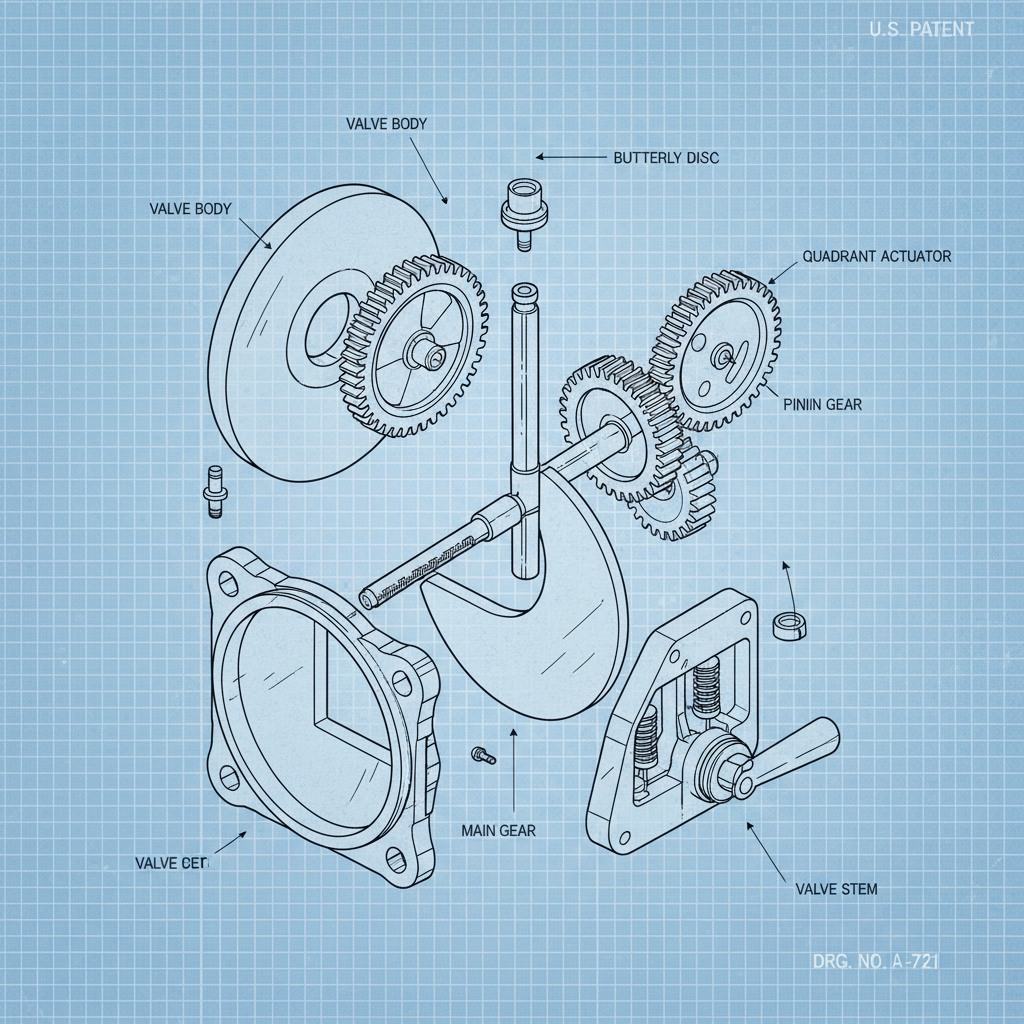
What is a Quadrant Butterfly Valve?
A quadrant butterfly valve is a type of valve that uses a disc to control the flow of fluid. The disc is positioned in the center of the pipe and rotates on an axis perpendicular to the flow. The “quadrant” refers to the handle which rotates through 90 degrees, representing the opening and closing of the valve. These valves are known for their simple design, making them easy to operate and maintain. They are commonly used in applications requiring frequent operation and precise flow regulation. Valve-Cable.com specializes in providing robust and reliable quadrant butterfly valves for a diverse range of industrial applications.
Key Features: Simple design, quick operation, cost-effective, lightweight, reliable flow control.
Applications of Quadrant Butterfly Valves
Quadrant butterfly valves find applications across numerous industries, including water treatment, chemical processing, HVAC systems, and food & beverage production. Their ability to handle a wide range of fluids, coupled with their compact size, makes them ideal for space-constrained environments. Specific applications include regulating water flow in irrigation systems, controlling the flow of chemicals in processing plants, and managing airflow in ventilation systems. Explore our range of quadrant butterfly valves designed to meet the specific demands of your industry.
Common Applications:
• Water Treatment Plants
• Chemical Processing Industries
• HVAC Systems
• Food and Beverage Production
Quadrant Butterfly Valve vs. Other Valve Types
Compared to other valve types like gate valves, globe valves, and ball valves, quadrant butterfly valves offer distinct advantages. Gate valves are slower to operate, while globe valves create higher pressure drops. Ball valves, while quick-acting, can be more expensive and heavier. Quadrant butterfly valves strike a balance between these characteristics, providing quick operation, minimal pressure drop, and a relatively low cost. Valve-Cable.com offers a comparative analysis to help you choose the most suitable valve for your application.
Selecting the Right Quadrant Butterfly Valve
When selecting a quadrant butterfly valve, several factors should be considered, including the fluid type, temperature, pressure, and pipe size. Material compatibility is crucial to prevent corrosion and ensure longevity. Consider the valve’s seat material (e.g., EPDM, PTFE) based on the fluid being handled. Also, confirm the valve meets relevant industry standards and certifications. Valve-Cable.com provides expert guidance to help you choose the optimal valve for your specific requirements.
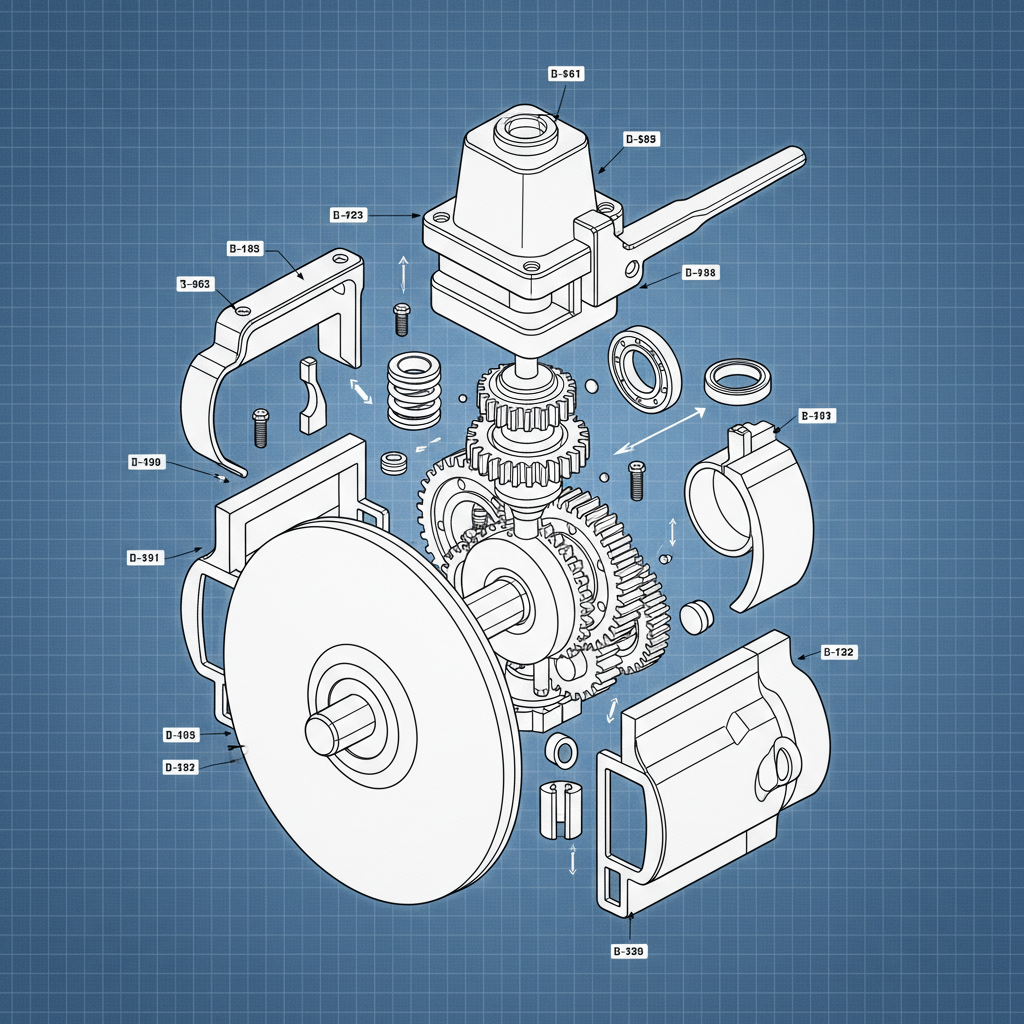
Maintenance and Longevity of Quadrant Butterfly Valves
Proper maintenance is essential to ensure the longevity and reliable performance of quadrant butterfly valves. Regular inspection for leaks, corrosion, and wear is crucial. Periodically lubricate the valve stem and disc to ensure smooth operation. Avoid over-tightening the valve, which can damage the seat and lead to leaks. Following these simple maintenance practices will significantly extend the lifespan of your valves. Valve-Cable.com offers maintenance guides and support to help you keep your valves in optimal condition.
Conclusion: Reliable Flow Control with Quadrant Butterfly Valves
Quadrant butterfly valves provide a cost-effective and reliable solution for flow control in various applications. Their simple design, quick operation, and versatility make them a popular choice across many industries. By choosing high-quality valves from a trusted supplier like Valve-Cable.com, you can ensure optimal performance and long-term reliability.
Frequently Asked Questions (FAQs)
What materials are quadrant butterfly valves typically made from?
Quadrant butterfly valves are commonly manufactured from materials like cast iron, stainless steel, and ductile iron. The choice of material depends on the application and the fluid being handled. Stainless steel is preferred for corrosive environments, while cast iron and ductile iron are suitable for general-purpose applications. The disc is often made from stainless steel, brass, or coated materials to enhance durability and resistance to wear. Valve-Cable.com offers valves in a variety of materials to suit your needs.
What is the typical temperature and pressure range for these valves?
The temperature and pressure range for quadrant butterfly valves vary depending on the materials used and the valve's design. Generally, they can handle temperatures ranging from -20°C to 120°C and pressures up to 16 bar. However, it’s critical to consult the valve's specifications sheet to confirm its operating limits. Exceeding these limits can compromise the valve’s integrity and lead to failure.
Are quadrant butterfly valves suitable for slurries or fluids with solids?
Quadrant butterfly valves can be used for slurries or fluids containing solids, but it's important to select a valve designed for this purpose. Valves with a robust disc design and abrasion-resistant seat materials are recommended. Excessive solids can cause wear and potentially damage the valve, so regular inspection and maintenance are crucial. Consider using valves with a reinforced lining for particularly abrasive fluids.
How do I properly size a quadrant butterfly valve for my application?
Proper sizing is critical for optimal valve performance. You'll need to consider the pipe diameter, flow rate, and fluid viscosity. Using a valve that is too small will result in excessive pressure drop, while a valve that is too large may not provide adequate flow control. Valve-Cable.com provides sizing tools and expert assistance to ensure you select the appropriate valve for your application.
Share
Prev:
Latest news
-
Understanding the 6 butterfly valve price Industrial Buying GuideNewsApr.16,2026
-
Analyzing the 50mm Butterfly Valve Price and Buyer GuideNewsApr.09,2026
-
Comprehensive Guide to 40mm Butterfly Valve Price Factors and Quality ConsiderationsNewsApr.07,2026
-
Comprehensive Guide to 4 Inch Sluice Valve Price and Key Selection FactorsNewsApr.04,2026
-
Comprehensive Guide to 4 Butterfly Valve Price Factors and Ranges in 2024NewsMar.31,2026
-
Comprehensive Guide to 300mm Butterfly Valve Price and Industrial ApplicationsNewsMar.28,2026
 English
  Afrikaans
  Albanian
  Amharic
  Arabic
  Armenian
  Azerbaijani
  Basque
  Belarusian
  Bengali
  Bosnian
  Bulgarian
  Catalan
  Cebuano
  China
China  China (Taiwan)
  Corsican
  Croatian
  Czech
Czech  Danish
  Dutch
Dutch  Esperanto
  Estonian
  Finnish
  French
  Frisian
  Galician
  Georgian
  German
  Greek
Greek  Gujarati
  Haitian Creole
  Hausa
Hausa  Hawaiian
  Hebrew
  Hindi
Hindi  Miao
Miao  Hungarian
  Icelandic
  Igbo
Igbo  Indonesian
  Irish
Irish  Italian
  Japanese
  Javanese
  Kannada
  Kazakh
  Khmer
Khmer  Rwandese
  Korean
  Kurdish
  Kyrgyz
  Lao
Lao  Latin
Latin  Latvian
  Lithuanian
  Luxembourgish
  Macedonian
  Malgashi
  Malay
Malay  Malayalam
  Maltese
  Maori
Maori  Marathi
  Mongolian
  Myanmar
  Nepali
  Norwegian
  Norwegian
  Occitan
  Pashto
  Persian
  Polish
  Portuguese
  Punjabi
  Romanian
  Russian
  Samoan
  Scottish Gaelic
  Serbian
  Sesotho
  Shona
Shona  Sindhi
  Sinhala
  Slovak
  Slovenian
  Somali
  Spanish
  Sundanese
  Swahili
  Swedish
  Tajik
Tajik  Tamil
Tamil  Tatar
Tatar  Telugu
  Thai
Thai  Turkish
  Turkmen
  Ukrainian
  Urdu
Urdu  Uighur
  Uzbek
Uzbek  Vietnamese
  Welsh
Welsh  Bantu
Bantu  Yiddish
  Yoruba
  Zulu
Zulu