Oct . 20, 2025 12:40 Back to list
2 Pin Power Cord Types – Safe, Universal, UL/CE, OEM-Ready
A practical, no-nonsense guide to two‑pin power cords in 2025
If you’ve ever chased adapters through an airport or argued with a purchasing system about plug codes, you’ll appreciate a clear map of the landscape. Here’s mine. For starters, when people say 2 pin power cord types, they usually mean a few, very specific families used worldwide. The differences look small, but they bite during compliance audits or global rollouts.
Quick tour: NEMA 1‑15 (US/Japan, flat blades, 125 V), CEE 7/16 Europlug (EU, 250 V, thin pins), and IEC 60320 C7/C8 “figure‑8” couplers that mate with detachable cables for consumer gear. There are regional wrinkles (polarized vs. non‑polarized, Japan’s tighter tolerances), and to be honest, real-world use is a little messier than catalog photos suggest.
Common families you’ll meet
- 2 pin power cord types for US/Japan: NEMA 1‑15; often polarized; typical 125 V, up to 10 A; used for lamps, phone chargers, small appliances.
- 2 pin power cord types for EU: CEE 7/16 Europlug; 250 V, ≈2.5 A; thin pins fit CEE 7/17 receptacles too; light Class II devices.
- 2 pin power cord types with IEC couplers: IEC 60320 C7/C8 (“figure‑8”) detachable cords feeding set‑top boxes, game consoles, radios; 2.5–10 A variants, region‑specific plugs on the wall side.
Typical specifications (field-proven, not just brochure-speak)
| Type | Rating | Conductor/Jacket | Standards | Use cases |
|---|---|---|---|---|
| NEMA 1‑15 (polarized/unpolarized) | 125 V, 7–10 A (real‑world may vary) | 2×18–16 AWG; PVC SPT‑2 or HPN | UL 817, NEMA WD‑6 | Small appliances, lamps, chargers |
| CEE 7/16 Europlug | 250 V, ≈2.5 A | 2×0.75 mm²; H03VVH2‑F/H03VV‑F | EN 50525, IEC 60884‑1 | Audio, routers, hair devices (low watt) |
| IEC 60320 C7/C8 (cord+coupler) | 125/250 V, 2.5–10 A | 2×0.75–1.0 mm²; PVC or TPE | IEC 60320‑1, regional plug stds | Consoles, STBs, speakers |
Materials, process, and testing (how good cords are made)
Materials: oxygen‑free copper (stranded, tin‑plated in some SKUs), PVC or TPE jacket (halogen‑free options rising), brass/nickel‑plated pins. Methods: automated crimping, overmold injection, 100% continuity check. Typical tests: dielectric withstand 2000 Vac/1 min; insulation ≥100 MΩ@500 Vdc; bending 2,000–5,000 cycles at 35 N; plug retention ≥60 N; flammability UL94 V‑1/V‑0. Service life: ≈10 years indoor if not kinked or overheated. Certifications to watch: UL/ETL (US), CE marking/LVD (EU), RoHS/REACH, and IEC 60320 where applicable.
Industry trends I’m seeing
- Shift to detachable IEC C7 cords for faster regionalization and less inventory bloat.
- More halogen‑free, recycled‑PVC jackets; some buyers ask for TPE despite higher cost.
- Stricter counterfeit screening—surprisingly common on low-cost NEMA 1‑15 cords.
- Polarization enforcement in North America; auditors do check blade widths.
Vendor snapshot (what buyers compare)
| Vendor | Certifications | MOQ | Lead time | Customization | Notes |
|---|---|---|---|---|---|
| Valve Cable (Hebei, China; No.88 Zhengxi Road, Ningjin) | ISO 9001, RoHS/REACH; regional safety marks per SKU | ≈1,000–3,000 pcs | 2–4 weeks | Plug type, length, jacket, packaging | Also builds 600V overhead cable for utility backbones—nice vertical depth |
| OEM A (Shenzhen) | UL/ETL (N. America), CE, RoHS | 2,000 pcs | 3–5 weeks | Color, strain relief, molded logos | Value pricing; watch tooling quality |
| EU Brand B | EN/CE, REACH, country marks | 500–1,000 pcs | 1–3 weeks | Short runs, boutique colors | Higher price; tight tolerances |
Real-world applications and a quick case
Hotels, rental A/V, and consumer electronics brands standardize on 2 pin power cord types with IEC C7 to cut SKU count. One streaming-device maker (anonymized, sorry) switched from fixed Europlugs to C7 cords and reported a 28% drop in field returns tied to crushed cords plus 15% faster regional kitting. Many customers say polarized NEMA 1‑15 plugs reduce user-error insertions—small wins, big scale.
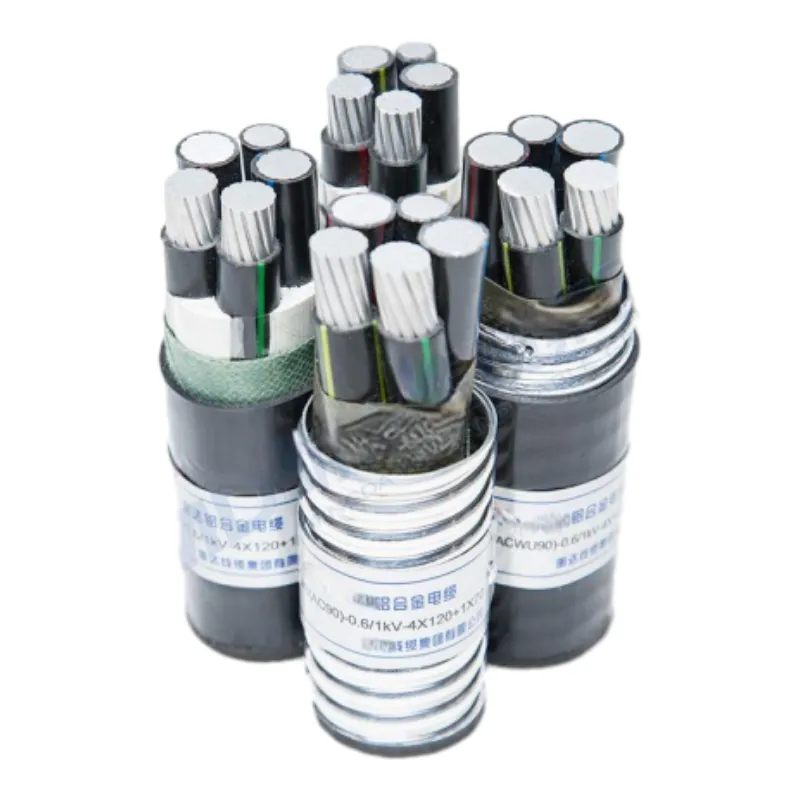
Side note: upstream reliability matters too. Overhead lines feeding facilities often run at low-voltage distribution levels; a 600 V class line product like Valve Cable’s 600V Overhead Cable is built for that role, which—indirectly—keeps your inventory of 2 pin power cord types from being blamed for brownouts. It’s a systems view, but it helps.
Checklist before you buy
- Match plug to market (NEMA 1‑15, CEE 7/16) and device inlet (C7/C8, or fixed lead).
- Verify markings and test data: dielectric, bend, pull, and temperature rise reports.
- Confirm RoHS/REACH and material declarations; ask for lot traceability.
- Pilot 100 pcs across your devices; watch heat and fit after 500 mate cycles.
References
Share
Latest news
-
Understanding the 6 butterfly valve price Industrial Buying GuideNewsApr.16,2026
-
Analyzing the 50mm Butterfly Valve Price and Buyer GuideNewsApr.09,2026
-
Comprehensive Guide to 40mm Butterfly Valve Price Factors and Quality ConsiderationsNewsApr.07,2026
-
Comprehensive Guide to 4 Inch Sluice Valve Price and Key Selection FactorsNewsApr.04,2026
-
Comprehensive Guide to 4 Butterfly Valve Price Factors and Ranges in 2024NewsMar.31,2026
-
Comprehensive Guide to 300mm Butterfly Valve Price and Industrial ApplicationsNewsMar.28,2026
 English
  Afrikaans
  Albanian
  Amharic
  Arabic
  Armenian
  Azerbaijani
  Basque
  Belarusian
  Bengali
  Bosnian
  Bulgarian
  Catalan
  Cebuano
  China
China  China (Taiwan)
  Corsican
  Croatian
  Czech
Czech  Danish
  Dutch
Dutch  Esperanto
  Estonian
  Finnish
  French
  Frisian
  Galician
  Georgian
  German
  Greek
Greek  Gujarati
  Haitian Creole
  Hausa
Hausa  Hawaiian
  Hebrew
  Hindi
Hindi  Miao
Miao  Hungarian
  Icelandic
  Igbo
Igbo  Indonesian
  Irish
Irish  Italian
  Japanese
  Javanese
  Kannada
  Kazakh
  Khmer
Khmer  Rwandese
  Korean
  Kurdish
  Kyrgyz
  Lao
Lao  Latin
Latin  Latvian
  Lithuanian
  Luxembourgish
  Macedonian
  Malgashi
  Malay
Malay  Malayalam
  Maltese
  Maori
Maori  Marathi
  Mongolian
  Myanmar
  Nepali
  Norwegian
  Norwegian
  Occitan
  Pashto
  Persian
  Polish
  Portuguese
  Punjabi
  Romanian
  Russian
  Samoan
  Scottish Gaelic
  Serbian
  Sesotho
  Shona
Shona  Sindhi
  Sinhala
  Slovak
  Slovenian
  Somali
  Spanish
  Sundanese
  Swahili
  Swedish
  Tajik
Tajik  Tamil
Tamil  Tatar
Tatar  Telugu
  Thai
Thai  Turkish
  Turkmen
  Ukrainian
  Urdu
Urdu  Uighur
  Uzbek
Uzbek  Vietnamese
  Welsh
Welsh  Bantu
Bantu  Yiddish
  Yoruba
  Zulu
Zulu