In the demanding landscape of modern industrial electrical systems, the selection of high-performance conductors is paramount for operational safety and efficiency. The black rubber cord cable wire stands as a cornerstone in this infrastructure, providing an essential blend of flexibility, insulation, and environmental resistance. Whether deployed in heavy machinery or temporary power installations, this specific type of cabling ensures that power delivery remains uninterrupted even under extreme physical stress.
Global demand for robust electrical solutions has surged as industries shift toward more automated and mobile equipment. The unique properties of black rubber cord cable wire allow it to withstand oil splashes, abrasion, and fluctuating temperatures, making it a preferred choice over standard PVC alternatives in harsh environments. Understanding the nuances of its composition and application is critical for engineers looking to reduce downtime and maintenance costs.
Beyond mere conductivity, the integration of specialized rubber compounding offers a layer of protection that safeguards both the personnel and the equipment. By exploring the technical specifications and global standards governing the black rubber cord cable wire, stakeholders can make informed procurement decisions that align with ISO safety protocols and long-term sustainability goals.
Global Industry Context of Black Rubber Cord Cable Wire
The global trajectory of the manufacturing sector has seen a significant increase in the deployment of mobile power units and heavy-duty industrial tools. In accordance with ISO and IEC standards, the necessity for insulation that can survive mechanical abrasion has led to the widespread adoption of black rubber cord cable wire. Statistics from industrial safety reports suggest that a substantial percentage of electrical failures in workshops are caused by insulation degradation, a problem that high-grade rubber cabling directly mitigates.
Across emerging economies in Southeast Asia and established industrial hubs in Europe, the challenge remains the same: balancing conductivity with ruggedness. The black rubber cord cable wire addresses the critical vulnerability of power loss in environments where cables are frequently dragged across concrete or exposed to caustic chemicals, thereby ensuring that production lines remain active and safe.
Defining the Technical Scope of Black Rubber Cord Cable Wire
In simple terms, black rubber cord cable wire is a flexible electrical conductor encased in a durable, synthetic or natural rubber jacket. Unlike rigid conduits, the "cord" nature refers to its ability to be coiled and moved without compromising the integrity of the internal copper or aluminum strands. The black pigmentation is not merely aesthetic; it typically incorporates carbon black, which provides essential UV protection and resistance to ozone degradation.
From a modern industrial perspective, this cabling is the lifeblood of humanitarian and emergency response efforts. When rapid electrification is required in post-disaster zones, the flexibility and toughness of rubber-insulated wires allow for fast deployment without the need for permanent piping, bridging the gap between chaos and restored power.
Furthermore, the connection to modern "Smart Manufacturing" is evident in the way these cables support robotic arms and automated guided vehicles (AGVs). The repetitive bending cycles required by these machines demand a cable that won't crack or fatigue, positioning the black rubber cord cable wire as a critical component in the digitalization of the factory floor.
Core Components and Material Factors
The durability of black rubber cord cable wire begins with the selection of the conductor. High-purity annealed copper is typically used to maximize conductivity and flexibility, ensuring that voltage drop is minimized over long distances in industrial settings.
The outer sheath of the black rubber cord cable wire is where the true engineering happens. By utilizing Ethylene Propylene Rubber (EPR) or Chloroprene (Neoprene), manufacturers can create a barrier that is virtually impermeable to water and resistant to the oils and greases commonly found in valve and pipe manufacturing plants.
Scalability and cost-efficiency are also key factors. By adjusting the thickness of the rubber insulation and the strand count of the wire, the black rubber cord cable wire can be tailored for everything from low-voltage sensor signals to high-amperage power feeds, providing a versatile solution for diverse electrical needs.
Global Applications and Use Cases
Real-world application of black rubber cord cable wire is vast, spanning from the depths of mining operations in Australia to the high-tech automotive plants in Germany. In mining, the cable must survive extreme abrasion against rock and moisture saturation; here, the rubber compounding ensures that the electrical current is isolated from the environment, preventing hazardous short circuits.
In remote industrial zones, such as offshore oil rigs or water treatment plants, the black rubber cord cable wire is indispensable for powering portable pumps and control valves. Its ability to remain flexible at sub-zero temperatures prevents the "stiffening" effect seen in cheaper plastics, allowing technicians to maintain equipment efficiently regardless of the weather.
Performance Comparison of Cable Insulation Types
Long-Term Value and Reliability Advantages
The tangible benefits of investing in high-quality black rubber cord cable wire extend far beyond the initial purchase price. From a logical standpoint, the increased lifespan of rubber-insulated cables reduces the frequency of replacement cycles, which significantly lowers the total cost of ownership (TCO). In industrial environments, the cost of a single hour of downtime often exceeds the cost of the entire cabling installation.
Emotionally, the use of certified black rubber cord cable wire fosters trust and safety among the workforce. Knowing that the power leads are resistant to fire and chemical leaks provides peace of mind to operators. This reliability translates into a culture of innovation, where engineers can design more complex and mobile systems without fearing that the electrical connections will be the "weakest link" in the chain.
Future Trends in Cable Material Innovation
As the world pivots toward green energy and sustainability, the evolution of black rubber cord cable wire is focusing on bio-based elastomers. Researchers are developing rubber compounds derived from sustainable sources that maintain the same mechanical strength and dielectric properties as petroleum-based rubber, reducing the carbon footprint of industrial infrastructure.
Digital transformation is also influencing cable design. We are seeing the emergence of "intelligent" black rubber cord cable wire, where conductive sensors are embedded within the rubber sheath to detect micro-fractures or overheating in real-time. This shift toward predictive maintenance allows companies to replace cables before a failure occurs, ensuring zero-downtime operations.
Furthermore, the integration of nano-materials, such as graphene, into the rubber matrix is promising. This innovation aims to enhance the thermal conductivity of the jacket, allowing the black rubber cord cable wire to dissipate heat more effectively, thereby supporting higher current loads in smaller cable diameters.
Overcoming Common Implementation Challenges
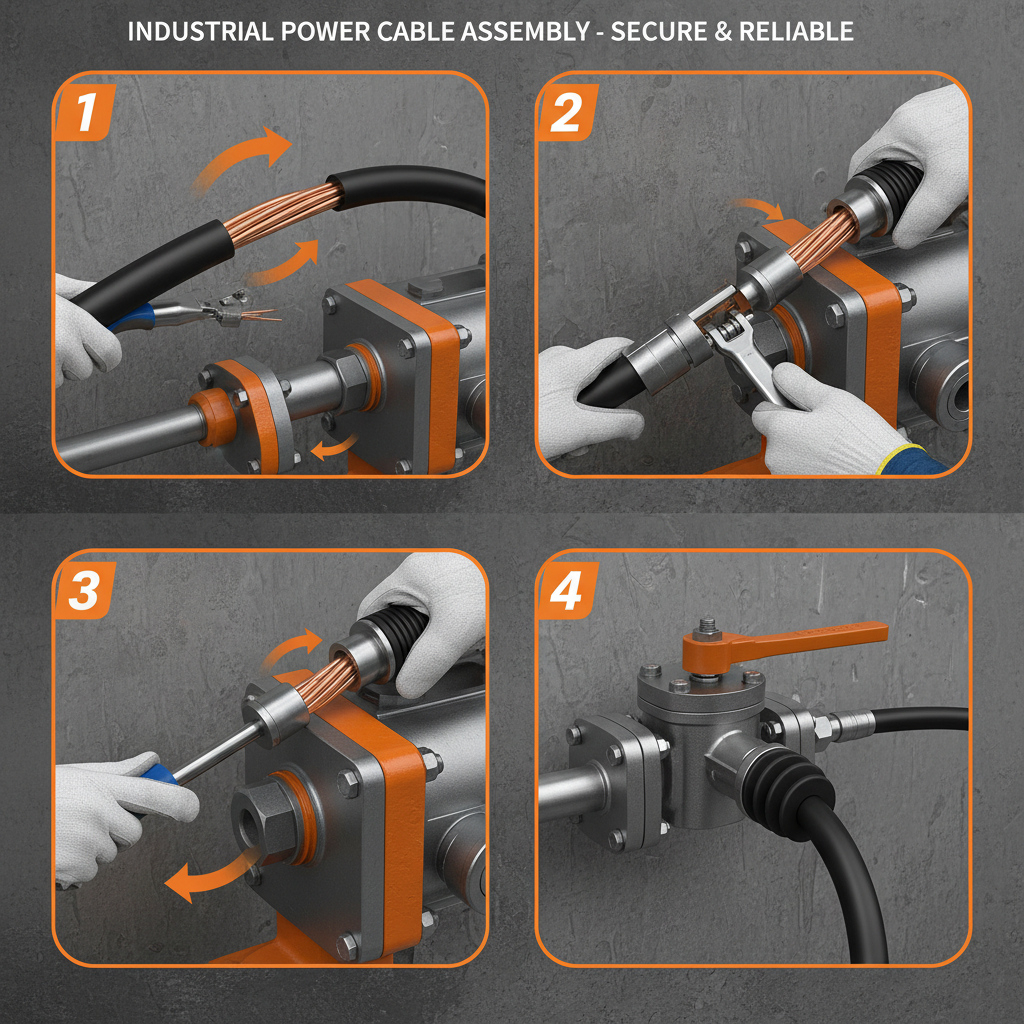
One of the primary challenges in deploying black rubber cord cable wire is the risk of improper termination. Because rubber is more flexible and softer than PVC, standard connectors can sometimes slip or create "hot spots" due to poor contact. The expert solution is to utilize dedicated compression glands and heat-shrink tubing that are specifically designed for elastomeric jackets.
Another common limitation is the potential for "rubber rot" or ozone cracking when cables are stored in poorly ventilated areas with high concentrations of ozone-producing equipment (like large electric motors). To overcome this, manufacturers are incorporating specialized anti-ozonants into the rubber formula, and engineers are encouraged to implement routine visual inspections using a scheduled maintenance calendar.
Finally, the weight of heavy-duty black rubber cord cable wire can pose a challenge for ceiling-mounted runs. The innovative approach here is to use cable management systems like perforated trays or spring-loaded hangers that distribute the weight evenly, preventing tension on the termination points and extending the overall life of the electrical installation.
Comparison of Implementation Strategies for Black Rubber Cord Cable Wire
| Challenge Category |
Common Issue |
Expert Solution |
Effectiveness Score (1-10) |
| Termination |
Connector Slippage |
Compression Glands |
9 |
| Environment |
Ozone Cracking |
Anti-ozonant Compounding |
8 |
| Installation |
Excessive Weight |
Spring-loaded Hangers |
7 |
| Maintenance |
Hidden Wear |
Embedded Sensors |
10 |
| Thermal |
Heat Accumulation |
Graphene-Infused Rubber |
8 |
| Chemical |
Oil Degradation |
Neoprene Coating |
9 |
FAQS
The primary advantage lies in flexibility and resilience. While PVC becomes brittle in cold temperatures and can crack under repeated bending, black rubber cord cable wire remains pliable. Additionally, the rubber compounds used are far more resistant to oils, chemicals, and mechanical abrasion, which are common in manufacturing environments, thereby reducing the risk of electrical shorts and increasing the cable's overall service life.
Yes, it is specifically designed for such environments. The "black" aspect of the cable usually indicates the presence of carbon black, which provides excellent protection against UV radiation from the sun. This prevents the outer sheath from drying out and cracking over time, making it ideal for construction sites, mining, and other outdoor industrial applications where exposure to the elements is constant.
Determining the gauge requires analyzing the total current load (amperage) and the length of the run. Because rubber cables are often used in temporary or high-stress settings, it is advisable to slightly oversize the conductor to minimize voltage drop and prevent overheating. Always refer to the manufacturer's technical data sheet and local electrical codes (such as NEC or IEC) to ensure the cable can safely handle the intended power load.
It depends on the specific rubber compound. Standard rubber cords are far more heat-resistant than basic plastics, but for extreme environments, you should look for cables made from Silicone or high-grade EPR (Ethylene Propylene Rubber). These materials can withstand significantly higher operating temperatures without losing their insulating properties, making them suitable for proximity to furnaces or heavy machinery.
To maximize the life of your black rubber cord cable wire, avoid dragging it over sharp edges and use cable protectors in high-traffic areas. Implement a regular inspection schedule to check for "ozone cracking" or deep cuts in the jacket. Additionally, ensure that the cable is not coiled tightly while under heavy load, as this can trap heat and accelerate the degradation of the rubber insulation.
Yes, the industry is moving toward TPE (Thermoplastic Elastomers) and bio-based rubber alternatives. These materials aim to replicate the performance of traditional rubber—such as flexibility and oil resistance—while being easier to recycle and requiring fewer petroleum-based chemicals during production. Many of these modern alternatives are now meeting the same rigorous industrial standards as traditional rubber cords.
Conclusion
In summary, the black rubber cord cable wire is far more than a simple electrical component; it is a critical safety and efficiency tool for the global manufacturing sector. By combining superior mechanical protection, environmental resistance, and unmatched flexibility, it solves the perennial problem of cable failure in harsh industrial settings. From the selection of high-purity conductors to the application of advanced anti-ozonant rubber compounds, every detail of its design is engineered to ensure continuous power delivery and operational reliability.
Looking ahead, the integration of smart sensors and sustainable bio-materials will further elevate the role of these cables in the industry. For companies aiming to optimize their infrastructure, transitioning to high-grade rubber cabling is a strategic move that reduces long-term maintenance costs and enhances workplace safety. We recommend auditing your current electrical leads and upgrading to certified rubber solutions to future-proof your operations. Visit our website for more professional solutions: www.valve-cable.com