The global energy landscape is undergoing a massive transformation, and at the heart of this shift lies the critical role of electric cable wire. From the massive power grids that sustain metropolitan cities to the intricate wiring within specialized industrial machinery, the reliability of electrical transmission determines the efficiency of modern civilization. Understanding the nuances of conductor materials and insulation standards is no longer just for engineers; it is a fundamental requirement for ensuring operational safety and sustainability in any manufacturing environment.
As we move toward an era of electrification, the demand for high-performance electric cable wire has surged, particularly in the realm of renewable energy integration. The transition to solar and wind power requires cables that can handle fluctuating loads and harsh environmental conditions without degrading. This global shift highlights the necessity of adhering to rigorous international standards, such as ISO and BS, to prevent energy loss and reduce the risk of catastrophic electrical failures.
However, the industry faces significant challenges, including the rising cost of raw materials like copper and the urgent need for more eco-friendly insulation polymers. By analyzing the interplay between material science and electrical engineering, businesses can optimize their infrastructure for long-term resilience. This guide explores the technical depths and commercial applications of electrical conductors, providing a comprehensive blueprint for selecting the right wiring solutions for complex industrial needs.
Global Relevance of Electric Cable Wire
On a global scale, electric cable wire acts as the nervous system of industrialization. According to data aligned with World Bank infrastructure reports, the expansion of electrical grids in developing nations is the single most significant driver of GDP growth, as it enables the transition from manual labor to automated manufacturing. The ability to transmit power over vast distances with minimal loss is what allows remote industrial zones to thrive and connect with global markets.
Beyond simple connectivity, the relevance of these components is tied to global safety standards. The implementation of standardized wiring protocols across borders ensures that equipment manufactured in one region can be safely installed and operated in another. This harmonization reduces the likelihood of electrical fires and industrial accidents, creating a safer environment for millions of workers worldwide who rely on the stability of their power distribution systems.
Technical Definition and Industrial Meaning
In its simplest form, electric cable wire is a conductor—typically made of copper or aluminum—surrounded by an insulating layer to prevent short circuits and protect users from electrical shock. While a "wire" refers to a single conductor, a "cable" consists of two or more insulated wires wrapped in a common protective sheath. This distinction is crucial in industrial settings where the choice between a single-core wire and a multi-core armored cable can determine the longevity of an installation.
Within the context of modern industry, these components represent more than just hardware; they are the conduits of productivity. In the specialized equipment manufacturing sector, the precision of the wiring directly impacts the performance of valves, controllers, and sensors. For instance, the use of high-grade aluminum alloy conductors in service entrance cables allows for a lightweight yet durable solution for heavy-duty power intake, balancing cost-efficiency with technical performance.
From a humanitarian perspective, the availability of affordable and durable electrical wiring is essential for providing basic services to underserved populations. Whether it is powering a rural health clinic or establishing a communication network in a disaster-hit area, the deployment of reliable cables is the first step toward restoring dignity and functionality to a community. Thus, the industrial meaning of these products extends from commercial profit to social empowerment.
Core Components for Maximum Efficiency
The effectiveness of electric cable wire depends heavily on the quality of the conductor material. Copper remains the gold standard for high-conductivity applications due to its low resistance, while aluminum alloys are increasingly preferred for long-distance transmission and service entrance cables because of their superior strength-to-weight ratio and lower cost.
Insulation and jacketing are the secondary but equally vital components of any electric cable wire. Materials such as PVC, XLPE (Cross-linked Polyethylene), and rubber are chosen based on the environment; for example, rubber-insulated cables are essential in high-flexibility environments or areas exposed to moisture, ensuring that the electrical current remains contained even under mechanical stress.
Finally, the structural integrity of the cable is often reinforced through armoring or braiding. Steel wire armor (SWA) provides the necessary protection for cables buried underground or installed in high-traffic industrial zones, preventing physical damage from crushing or rodent interference. This multi-layered approach ensures that the electrical system remains operational regardless of external pressures.
Global Applications and Use Cases
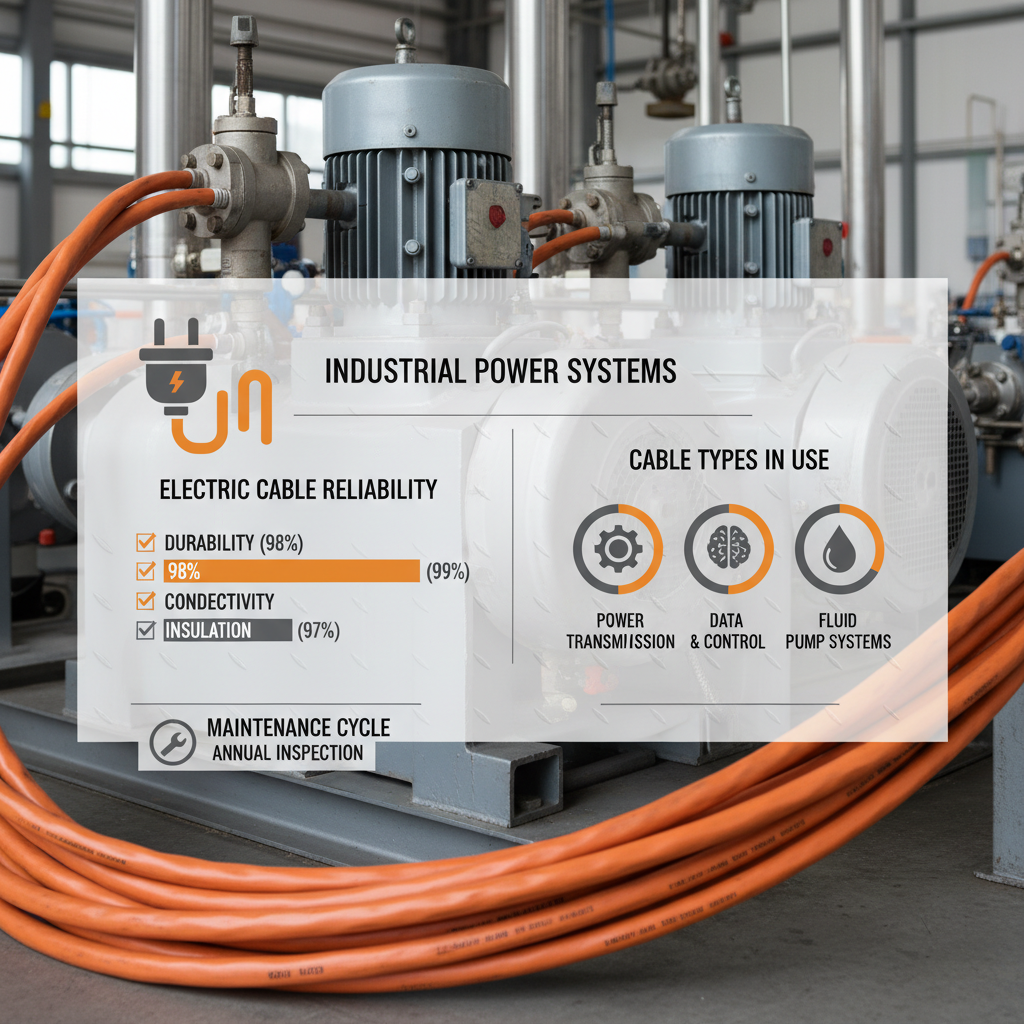
The practical application of electric cable wire spans every conceivable industrial sector. In heavy manufacturing, power cables are utilized to drive massive motors and automated valve systems, where stability is paramount to avoid costly downtime. In the energy sector, BS-standard cables are deployed in offshore wind farms, where they must withstand extreme salt-water corrosion and fluctuating temperatures while maintaining a steady current.
In more specialized contexts, such as post-disaster relief, modular and quick-deploy electrical wiring is used to establish temporary power grids for emergency shelters. Similarly, in remote mining operations in regions like Sub-Saharan Africa or the Andes, ruggedized control cables are used to manage machinery from a distance, ensuring that operators remain safe while maintaining high production levels.
Performance Comparison of Electric Cable Wire Types
Long-Term Value and Reliability
Investing in high-quality electric cable wire provides tangible long-term value by drastically reducing maintenance costs. Lower-grade wiring often suffers from premature insulation breakdown, leading to intermittent power failures and potential fire hazards. In contrast, cables engineered with superior thermal resistance and corrosion protection ensure that a facility can operate for decades without needing a complete rewiring overhaul.
Beyond the financial logic, there is an emotional and ethical angle: safety and trust. For plant managers and engineers, the peace of mind that comes from knowing their electrical infrastructure meets the highest safety standards is invaluable. Reliability in wiring translates to the safety of the human workforce, ensuring that every switch flipped and every motor started is a controlled and secure action.
Future Trends in Conductor Technology
The future of electric cable wire is being shaped by the push for "Green Energy." We are seeing a rise in the development of biodegradable insulation materials that reduce the environmental footprint of discarded cables. Furthermore, the integration of smart-sensing technology—where the cable itself can detect temperature spikes or insulation leaks and report them to a central AI system—is transforming passive wiring into active infrastructure.
Digital transformation is also driving the demand for high-bandwidth control cables that can handle both power and data transmission simultaneously. As Industrial IoT (IIOT) becomes the norm, the line between power cables and data cables is blurring, leading to the creation of hybrid conductors that support the seamless operation of automated factories.
Additionally, research into room-temperature superconductors, while still in its infancy, promises a revolution where electrical resistance is eliminated entirely. Until then, the industry is focusing on optimizing aluminum alloys to provide copper-like performance at a fraction of the weight and cost, further democratizing access to high-capacity electrical power.
Challenges and Expert Solutions
One of the most persistent challenges in the deployment of electric cable wire is environmental degradation. In chemical plants or coastal refineries, acidic vapors and salinity can eat through standard PVC jackets in a matter of months. The expert solution here is the adoption of Fluorinated Ethylene Propylene (FEP) or specialized Teflon coatings, which offer near-total immunity to chemical attack.
Another significant hurdle is the "Voltage Drop" phenomenon in long-distance installations. When cables are too thin for the length of the run, power is lost as heat. Experts overcome this by performing rigorous voltage drop calculations and specifying larger conductor cross-sections or utilizing higher voltage transmission with step-down transformers at the point of use.
Finally, the global supply chain volatility for copper has forced many firms to rethink their material strategies. The transition to high-grade aluminum alloy conductors for service entrance cables is not just a cost-saving measure but a strategic hedge against market instability, ensuring that infrastructure projects can be completed on time and within budget.
Analysis of Electric Cable Wire Specifications and Performance
|
Cable Category
|
Primary Material
|
Durability Score (1-10)
|
Recommended Use Case
|
|
Power Cable
|
Copper / XLPE
|
9
|
Main Industrial Power Grids
|
|
Service Entrance
|
Aluminium Alloy
|
8
|
Building Power Intake
|
|
Control Cable
|
Tinned Copper
|
7
|
Valve and Sensor Signaling
|
|
Flexible Cable
|
Rubber Insulated
|
8
|
Mobile Equipment Wiring
|
|
Armored Cable
|
Steel / PVC
|
10
|
Underground Installations
|
|
Heat-Resistant
|
Silicone / Fiberglass
|
9
|
Furnace and Boiler Areas
|
FAQS
While the terms are often used interchangeably, a wire is a single electrical conductor, whereas a cable consists of two or more insulated wires bundled together in a single protective sheath. For industrial applications, cables are preferred because they offer superior protection against environmental factors and mechanical stress compared to individual wires.
Aluminum alloy is ideal for service entrance cables and long-distance transmission where weight and cost are primary concerns. It is significantly lighter and more affordable than copper. However, copper is still recommended for indoor wiring and low-voltage control systems due to its higher conductivity and smaller diameter requirements.
The best approach is to use cables with specialized outer jackets such as XLPE or FEP, and to ensure that any exposed connections are sealed with heat-shrink tubing or marine-grade conduits. Armored cables with corrosion-resistant coatings are also highly recommended for underground or exposed coastal installations.
Using a wire with an insufficient cross-sectional area for the current load leads to overheating, known as the Joule effect. This can melt the insulation, causing short circuits or electrical fires. Always consult a load chart to ensure the cable gauge matches the amperage of your equipment.
Generally, no. While rubber is excellent for flexibility and moisture resistance, it can degrade over time when buried. For permanent underground use, armored cables with PVC or PE jackets are the industry standard, as they provide the necessary mechanical protection and chemical stability.
Verification starts with checking the manufacturer's certifications and the markings printed on the cable jacket itself. A compliant cable will list the standard (e.g., BS 5467) and the voltage rating. Additionally, requesting a third-party test report (MTR) ensures the material properties meet the specified guidelines.
Conclusion
In summary, electric cable wire is far more than a simple commodity; it is the foundational infrastructure that enables global industrial productivity, safety, and technological advancement. By carefully selecting the right conductor materials, ensuring robust insulation, and adhering to international standards, businesses can minimize operational risks and maximize energy efficiency. From the deployment of aluminum alloys in service entrances to the use of armored cables in harsh environments, the strategic choice of wiring is a direct investment in the longevity of an enterprise.
Looking forward, the integration of sustainable materials and smart-monitoring technologies will redefine how we perceive electrical distribution. As we transition toward a greener, more automated future, the demand for high-performance, eco-friendly cabling will only grow. We encourage industrial planners and engineers to prioritize quality over short-term cost savings to build resilient systems that can evolve with the coming digital transformation. For professional consultation and high-grade cabling solutions, visit our website: www.valve-cable.com