Control valves are essential components in a vast array of industrial processes, playing a critical role in regulating flow, pressure, and temperature. Their precision and reliability directly impact efficiency, safety, and product quality across sectors ranging from oil and gas to pharmaceuticals and power generation. Understanding the intricacies of control valve technology is paramount for engineers, operators, and anyone involved in process control, impacting global productivity and resource management.
The global control valve market is a significant economic force, projected to reach substantial growth in the coming years, driven by industrial expansion in emerging economies and the increasing demand for automation and optimized processes. According to recent reports, the market size was valued at approximately $75 billion in 2023 and is expected to grow at a CAGR of around 6% until 2030. These valves are indispensable for maintaining stable operations in critical infrastructure and contributing to environmental sustainability by minimizing waste and emissions.
The increasing complexity of modern industrial systems necessitates advanced control valve solutions. Meeting the demands of increasingly stringent regulations, alongside the drive for greater efficiency, requires innovative designs, intelligent control mechanisms, and robust materials. This highlights the critical need for ongoing research and development to enhance the performance and adaptability of these essential components.
The Fundamental Role of Control Valves
At their core, control valves function as the ‘muscles’ of a process control system. They are responsible for manipulating the flow of fluids – liquids, gases, or slurries – to maintain desired process conditions. Without accurate and responsive control valves, complex industrial processes would quickly become unstable and inefficient, leading to product defects, safety hazards, and environmental concerns.
The effectiveness of a control valve isn't simply about opening and closing; it's about precise modulation. Modern control valves use sophisticated actuators and positioners to respond dynamically to changes in process variables, ensuring that the flow rate is continuously adjusted to meet setpoint requirements. This granular control is essential for optimizing performance and minimizing deviations from desired operating parameters.
Defining Control Valve Technology
A control valve is an automated valve designed to modulate flow by varying the size of the flow passage as directed by a signal from a controller. This controller monitors process variables – such as temperature, pressure, or flow rate – and sends a signal to the valve to adjust its position. This creates a closed-loop control system that maintains desired process conditions.
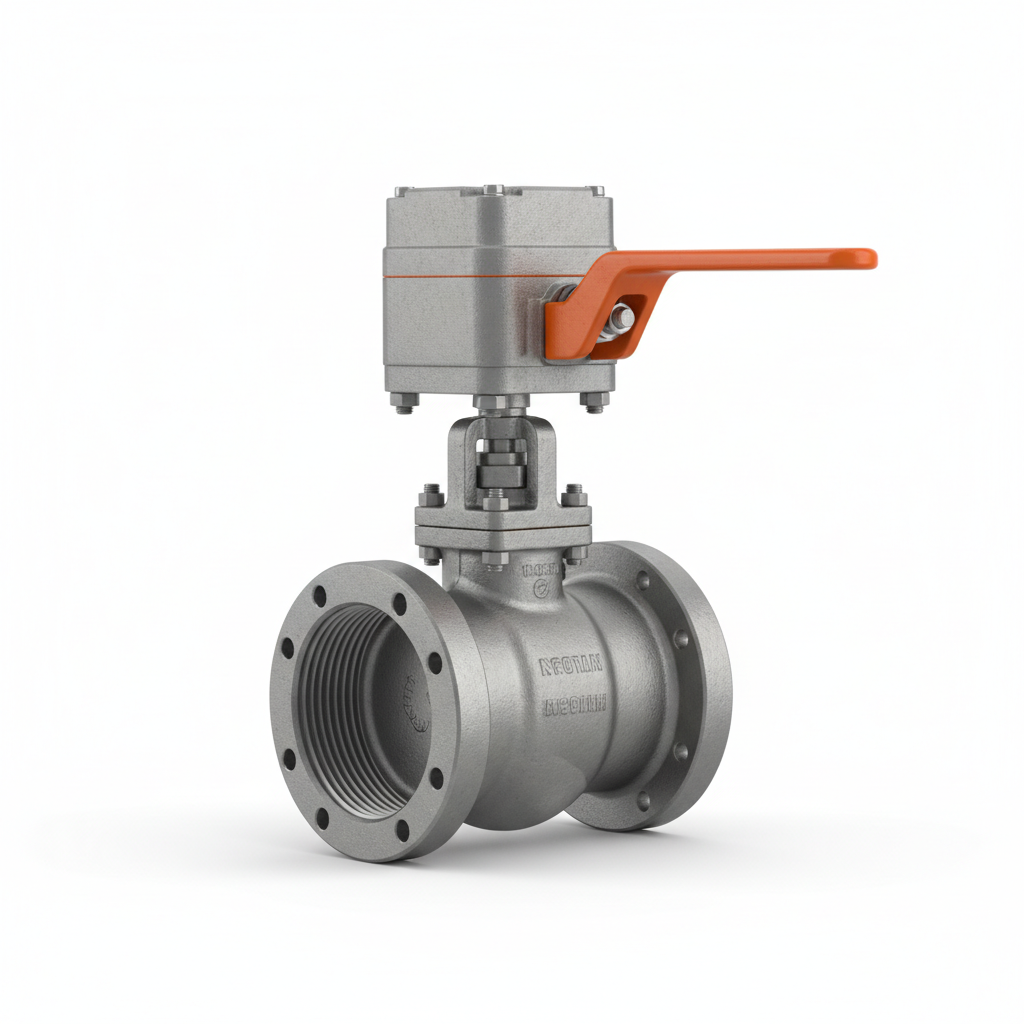
The heart of the control valve lies in its actuator, which provides the force to move the valve stem and control the flow. Actuators can be pneumatic, electric, or hydraulic, each offering different advantages in terms of speed, precision, and cost. The valve body itself comes in various designs, including globe, ball, butterfly, and diaphragm, each suited for specific applications and fluid types.
Control valve technology is directly linked to the advancement of modern industry and its capacity to address complex humanitarian needs. Precise fluid control is fundamental in water treatment plants, ensuring safe and clean water access, and in pharmaceutical production, maintaining stringent quality standards. Its consistent performance guarantees production is stable and reliable.
Key Factors Influencing Control Valve Performance
Durability: The materials of construction play a critical role in a control valve’s longevity, particularly in harsh environments. Resistance to corrosion, erosion, and extreme temperatures is paramount for minimizing maintenance and ensuring consistent performance over time.
Accuracy: A valve's ability to accurately position itself in response to a control signal is crucial. Factors like hysteresis, deadband, and linearity all affect accuracy, influencing the stability and efficiency of the process. Advanced positioners and digital control systems can significantly enhance accuracy.
Flow Capacity: The valve must be sized appropriately to handle the maximum expected flow rate without excessive pressure drop. Undersized valves can cause throttling and instability, while oversized valves can reduce sensitivity and control accuracy.
Response Time: The speed at which a control valve reacts to changes in the control signal impacts process stability. Faster response times are generally desirable, but must be balanced with considerations of actuator size and stability.
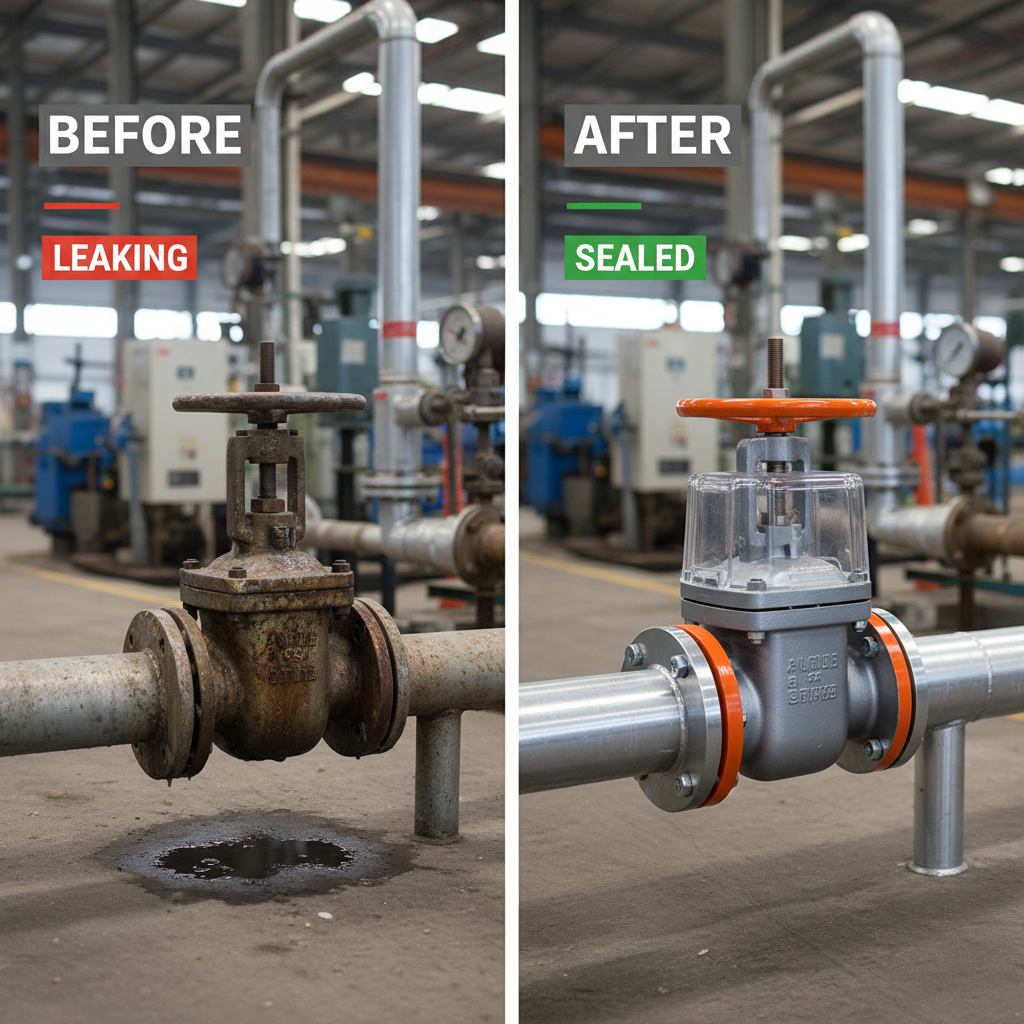
Shut-off Capability: In many applications, it’s critical that the valve can completely shut off flow when required. Bubble-tight shut-off is essential for safety and preventing leakage.
Operational Characteristics of Control Valves
Understanding the operational characteristics of a control valve is key to optimizing process performance. Key characteristics include gain, hysteresis, and deadband. Valve gain refers to the change in flow rate for a given change in signal, while hysteresis describes the difference in valve position for the same signal applied in different directions.
Deadband refers to the range of signal change where no change in valve position occurs. These characteristics influence the stability and responsiveness of the control loop. Proper tuning and selection of the appropriate valve type can minimize the impact of these factors.
Control Valve Performance Metrics
Global Applications and Industry Integration
Control valves are ubiquitous across a wide range of industries. In the oil and gas sector, they regulate the flow of crude oil, natural gas, and refined products. In the chemical industry, they control the mixing and reaction of various chemicals. Power plants utilize control valves to manage steam flow and maintain boiler pressure.
Beyond these core industries, control valves play vital roles in water and wastewater treatment, food and beverage processing, pharmaceutical manufacturing, and pulp and paper production. In remote industrial zones like the Arctic, reliable control valves are essential for maintaining continuous operations despite extreme weather conditions.
Increasingly, control valves are integrated into sophisticated automation systems, allowing for remote monitoring and control, predictive maintenance, and optimized performance. In post-disaster relief operations, mobile water purification units equipped with precisely controlled valves provide access to safe drinking water.
Advantages and Long-Term Value Proposition
The advantages of utilizing high-quality control valves extend far beyond immediate operational efficiency. Cost savings are realized through reduced energy consumption, minimized waste, and lower maintenance requirements. Improved process stability and product quality contribute to increased profitability and customer satisfaction.
From a sustainability perspective, accurate flow control minimizes emissions and reduces environmental impact. From a safety standpoint, reliable valve operation prevents process upsets and safeguards personnel. Ultimately, investing in robust control valves builds trust with stakeholders and establishes a reputation for operational excellence and innovation.
Future Trends and Technological Advancements
The future of control valve technology is being shaped by several key trends. Digitalization, including the integration of IoT sensors and cloud-based analytics, is enabling predictive maintenance and remote diagnostics. Smart valves equipped with advanced algorithms can self-tune and optimize performance in real-time.
The push for sustainability is driving demand for valves designed to handle alternative fuels and optimize energy efficiency. New materials, such as advanced polymers and corrosion-resistant alloys, are extending valve lifespan and reducing maintenance costs. Furthermore, the adoption of Industry 4.0 principles is fostering greater automation and integration of control valves into holistic process control systems.
Analysis of Control Valve Reliability and Maintenance
| Valve Type |
Mean Time Between Failures (MTBF) - Hours |
Average Maintenance Cost Per Year ($) |
Overall Reliability Score (1-10) |
| Globe Valve |
25,000 |
500 |
8 |
| Ball Valve |
40,000 |
300 |
9 |
| Butterfly Valve |
30,000 |
200 |
7 |
| Diaphragm Valve |
18,000 |
400 |
6 |
| Segmented Ball Valve |
35,000 |
350 |
8.5 |
| V-Port Ball Valve |
28,000 |
450 |
7.5 |
FAQS
Globe valves excel in throttling and precise flow control due to their design, offering higher accuracy but with greater pressure drop. Ball valves, on the other hand, provide quick on/off operation with minimal pressure loss, making them ideal for applications requiring rapid isolation. The choice depends on the specific process needs—accuracy versus speed and pressure efficiency.
The frequency of control valve maintenance varies based on application, operating conditions, and valve type. Generally, a visual inspection should be performed monthly, with a full preventative maintenance check (including actuator inspection and internal component cleaning) conducted annually or bi-annually. Monitoring valve performance data can help identify potential issues and optimize maintenance schedules.
A control valve positioner ensures the valve stem accurately reaches the position dictated by the control signal. It compares the actual valve position with the desired position and adjusts the actuator force accordingly, compensating for factors like friction, hysteresis, and varying process pressures. This results in improved control accuracy and responsiveness.
Common causes of failure include actuator malfunction, seat erosion, stem packing leakage, and corrosion. Contamination of the fluid stream can also lead to valve sticking or damage. Regular inspection, proper maintenance, and selecting the right materials for the application can significantly reduce the risk of failure.
Selecting the right valve involves considering several factors: fluid type, operating pressure and temperature, flow rate, control requirements (accuracy, speed), and process compatibility. Consulting with a valve specialist and reviewing valve datasheets can help ensure optimal performance and reliability.
Cavitation, the formation and collapse of vapor bubbles in the fluid, can cause significant damage to control valve internals, leading to erosion and reduced lifespan. Selecting a valve designed to withstand cavitation, or modifying process conditions to eliminate it, is crucial for long-term reliability.
Conclusion
In conclusion, control valves are fundamental to efficient and safe industrial operations, providing the precise fluid control necessary for a wide array of processes. Their importance extends beyond technical performance, influencing economic viability, environmental sustainability, and product quality. A thorough understanding of valve types, operational characteristics, and future trends is vital for engineers and operators seeking to optimize their processes.
Looking ahead, the integration of smart technologies and the development of more sustainable materials will continue to drive innovation in control valve design. Proactive maintenance strategies and a commitment to ongoing education will be crucial for maximizing valve lifespan and ensuring reliable performance. For expert guidance and a comprehensive range of control valve solutions, visit our website today.