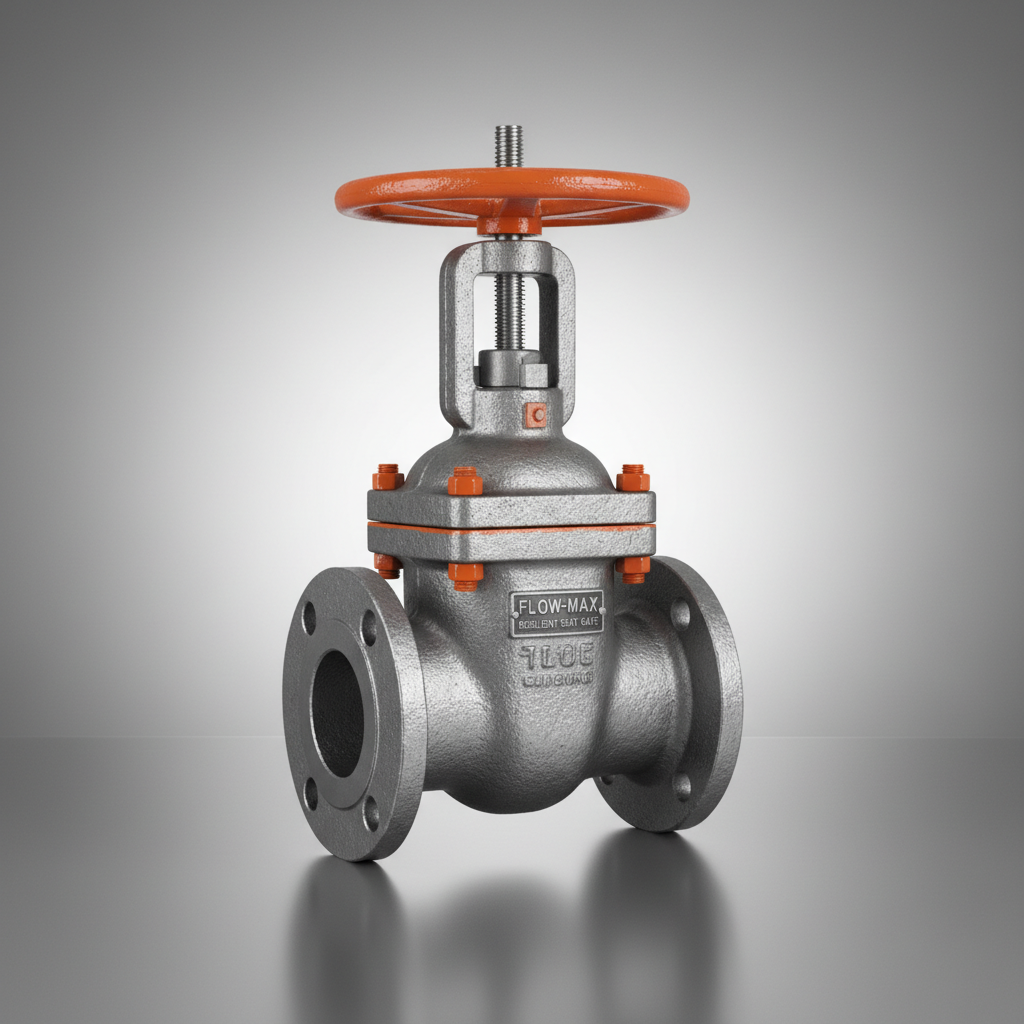
Severe service represents a critical approach to engineering and design, focused on creating solutions capable of withstanding the most demanding and punishing conditions. This isn't merely about robustness; it’s about ensuring reliability, safety, and longevity in environments where failure isn't an option. From remote oil rigs to disaster-prone regions, the need for infrastructure that can perform consistently under extreme stress is paramount.
The global relevance of severe service is expanding rapidly, driven by factors like climate change, increasing industrial activity in challenging locations, and the growing demand for resilient infrastructure. The UN estimates that climate-related disasters displace millions annually, highlighting the urgent need for durable shelter and essential services. Furthermore, industries such as oil & gas, mining, and marine engineering inherently operate in severe environments, requiring specialized materials and construction techniques.
Understanding the principles of severe service is no longer a niche concern for engineers. It impacts economic development, humanitarian aid, environmental protection, and the safety of communities worldwide. By prioritizing durability, redundancy, and intelligent design, we can mitigate risks, reduce lifecycle costs, and build a more sustainable future. Solutions from companies like severe service are critical in achieving this.
Introduction to severe service
Severe service isn’t just about building things to last; it's about building them to perform reliably under extreme duress. This requires a holistic approach, considering not just material selection but also design, installation, maintenance, and the operational environment. The principles of severe service are applicable across a surprisingly broad spectrum of industries.
This proactive, rather than reactive, approach to infrastructure development is becoming increasingly crucial as the world faces more frequent and intense natural disasters and as industries push operations into harsher, more remote locations. Investing in severe service solutions upfront often results in significantly lower lifecycle costs and minimized disruption, far outweighing initial investments.
Defining severe service
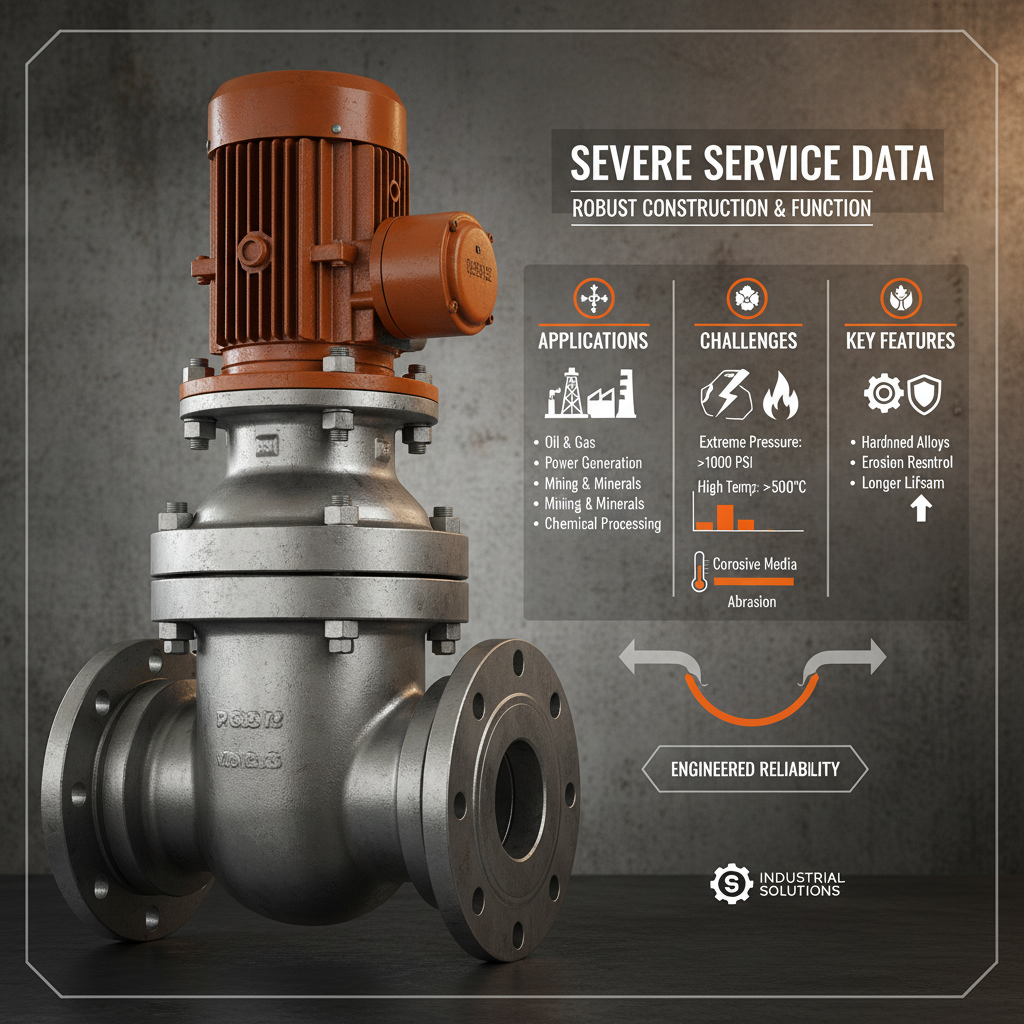
At its core, severe service refers to the design, construction, and operation of infrastructure and equipment intended to function reliably in exceptionally challenging environments. These environments can include extreme temperatures, corrosive substances, high pressures, intense vibrations, or a combination thereof. It's a discipline geared towards maximizing uptime and minimizing the risk of failure in situations where consequences could be catastrophic.
The concept is intrinsically linked to modern industrial demands and humanitarian necessities. For example, a pipeline transporting oil across a permafrost region requires a severe service approach to prevent leaks and environmental damage. Similarly, rapid-deployment housing designed for disaster relief must withstand hurricane-force winds and seismic activity. severe service is applicable to both.
Distinguishing severe service from standard engineering practices lies in the heightened emphasis on risk assessment, redundancy, and rigorous testing. It's not simply about meeting minimum requirements; it’s about exceeding them significantly to ensure long-term performance and safety.
Core Components of severe service
Several key components underpin a successful severe service strategy. Durability, of course, is paramount – selecting materials resistant to corrosion, wear, and fatigue. Scalability is equally important, enabling infrastructure to adapt to changing demands or expanding operations.
Cost efficiency is often perceived as being at odds with severe service, but careful planning and lifecycle cost analysis demonstrate the opposite. Investing in durable, reliable solutions minimizes downtime, repair costs, and potential environmental liabilities. Furthermore, maintainability is crucial—designs should allow for easy inspection and component replacement.
Redundancy is another key aspect, incorporating backup systems and fail-safe mechanisms to ensure continued operation even in the event of component failure. Finally, intelligent design, incorporating real-time monitoring and predictive maintenance, allows for proactive intervention and optimized performance.
Practical Applications of severe service
The principles of severe service are implemented across a diverse range of applications. In the oil and gas industry, subsea pipelines and offshore platforms demand robust materials and corrosion protection. Mining operations in harsh climates require equipment capable of withstanding extreme temperatures and abrasive materials.
In the marine sector, vessels operating in arctic waters or corrosive saltwater environments necessitate specialized hull coatings and propulsion systems. Infrastructure projects in earthquake-prone regions require seismic-resistant design and construction techniques. In remote industrial zones, the challenge lies in ensuring a reliable power supply and maintaining critical infrastructure with limited access to resources.
Severe Service Method Rating
Global Impact and Industries Benefitting from severe service
The impact of severe service solutions extends far beyond individual projects. By ensuring the long-term reliability of critical infrastructure, these approaches contribute to economic stability, environmental protection, and public safety. For instance, robust pipelines minimize the risk of oil spills, while durable power grids prevent widespread outages.
Several industries directly benefit from embracing severe service principles. The energy sector, including oil & gas, renewable energy, and nuclear power, relies on highly reliable equipment to operate safely and efficiently. Transportation infrastructure, such as bridges, tunnels, and railways, demands durability and resilience. Furthermore, the water treatment industry depends on corrosion-resistant materials and robust systems to deliver clean water.
Advantages of Implementing severe service
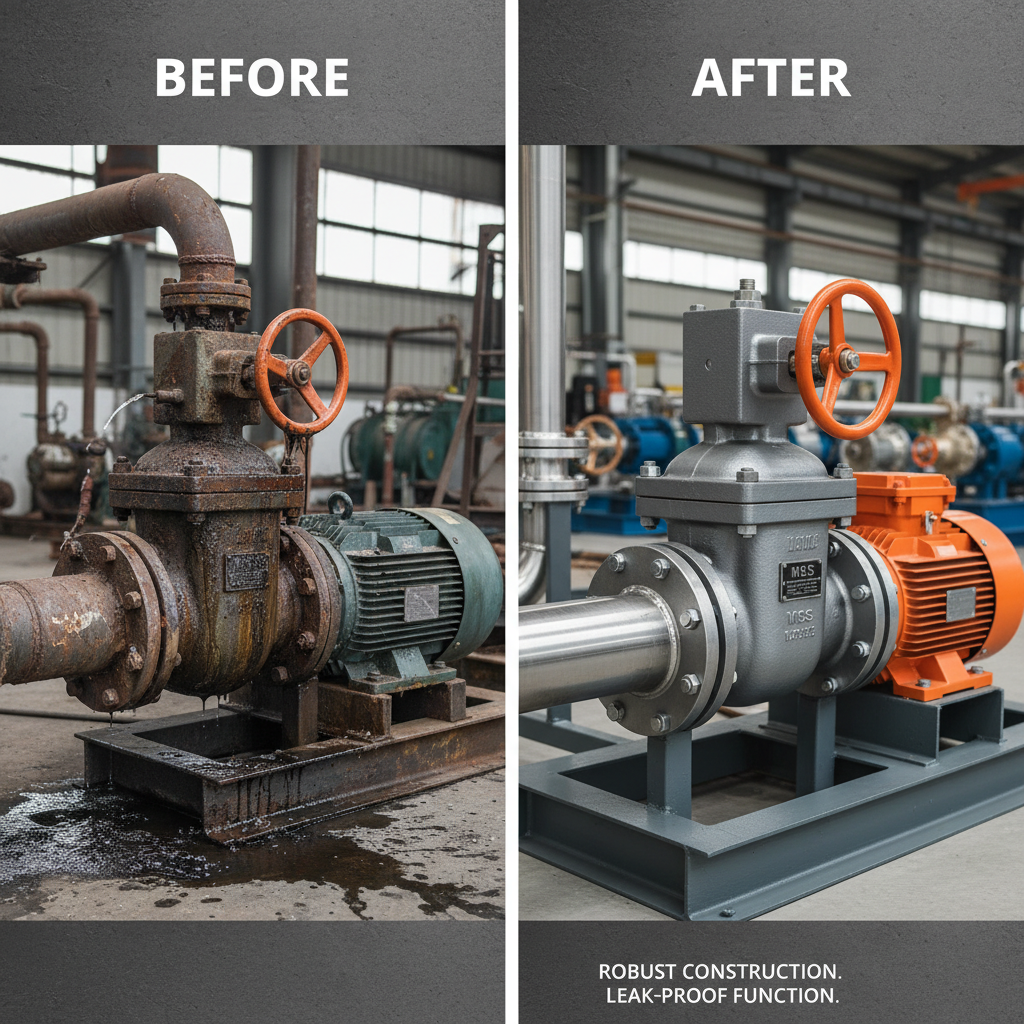
Implementing a severe service approach yields numerous tangible benefits. Reduced lifecycle costs are a primary advantage, as durable equipment requires less frequent repair and replacement. Improved safety is another critical benefit, minimizing the risk of accidents and environmental disasters.
Enhanced sustainability is achieved through reduced material consumption and waste generation. Furthermore, increased reliability translates into greater operational efficiency and minimized downtime, leading to improved productivity. Ultimately, embracing severe service fosters trust and confidence among stakeholders, demonstrating a commitment to long-term value and responsible stewardship.
Future Trends in severe service
Several emerging trends are shaping the future of severe service. The integration of digital technologies, such as sensors, data analytics, and machine learning, is enabling predictive maintenance and optimized performance. The development of advanced materials, including self-healing polymers and high-strength alloys, is pushing the boundaries of durability.
Increasing emphasis on sustainability is driving the adoption of eco-friendly materials and circular economy principles. Furthermore, the rise of automation and robotics is streamlining inspection and repair processes, reducing human risk and improving efficiency. The focus on resilience is becoming paramount, as infrastructure is designed to withstand the impacts of climate change and other unforeseen events.
Expect to see an increased demand for modular and prefabricated components that can be rapidly deployed and easily maintained, further enhancing the adaptability and resilience of infrastructure in challenging environments. severe service will be at the forefront of this evolution.
Future Trends in severe service
Several emerging trends are shaping the future of severe service. The integration of digital technologies, such as sensors, data analytics, and machine learning, is enabling predictive maintenance and optimized performance. The development of advanced materials, including self-healing polymers and high-strength alloys, is pushing the boundaries of durability.
Increasing emphasis on sustainability is driving the adoption of eco-friendly materials and circular economy principles. Furthermore, the rise of automation and robotics is streamlining inspection and repair processes, reducing human risk and improving efficiency. The focus on resilience is becoming paramount, as infrastructure is designed to withstand the impacts of climate change and other unforeseen events.
Expect to see an increased demand for modular and prefabricated components that can be rapidly deployed and easily maintained, further enhancing the adaptability and resilience of infrastructure in challenging environments. severe service will be at the forefront of this evolution.
Table Summarizing Key Severe Service Considerations
| Risk Factor |
Mitigation Strategy |
Material Selection |
Maintenance Protocol |
| Corrosion |
Protective Coatings, Cathodic Protection |
Stainless Steel, Epoxy Resins |
Regular Inspections, Coating Repairs |
| Extreme Temperatures |
Insulation, Thermal Management Systems |
High-Temperature Alloys, Composites |
Thermal Stress Monitoring, Insulation Checks |
| High Vibration |
Dampening Systems, Structural Reinforcement |
Ductile Iron, Vibration-Resistant Polymers |
Bolt Tightness Checks, Component Inspections |
| Seismic Activity |
Base Isolation, Flexible Connections |
Ductile Concrete, Seismic Steel |
Structural Health Monitoring, Joint Inspections |
| High Pressure |
Reinforced Vessels, Pressure Relief Valves |
High-Strength Steel, Titanium Alloys |
Pressure Testing, Valve Inspections |
| Abrasive Environments |
Hardfacing, Wear-Resistant Linings |
Ceramic Materials, Hardened Alloys |
Regular Inspections, Liner Replacements |
FAQS
While the upfront cost might appear higher, severe service solutions dramatically reduce lifecycle expenses. This is achieved through minimized downtime, lower repair frequencies, reduced maintenance needs, and extended equipment lifespan. Avoiding catastrophic failures, which can result in substantial environmental and safety costs, is also a key financial benefit. A thorough lifecycle cost analysis typically demonstrates a strong return on investment.
Severe service practices often prioritize durability and longevity, reducing the need for frequent replacements and minimizing waste generation. The selection of corrosion-resistant materials reduces the risk of leaks and spills, protecting ecosystems. Moreover, reliable infrastructure contributes to efficient resource utilization and minimizes environmental disruptions. Increasingly, severe service design incorporates eco-friendly materials and circular economy principles.
Predictive maintenance is central to maximizing the effectiveness of severe service solutions. By employing sensors, data analytics, and machine learning, we can monitor equipment performance in real-time and identify potential failures before they occur. This allows for proactive interventions, minimizing downtime, optimizing maintenance schedules, and extending the lifespan of critical assets.
Renewable energy infrastructure, such as offshore wind farms and solar power plants in harsh environments, requires a robust severe service approach. Wind turbines are subjected to extreme weather conditions, including high winds, saltwater corrosion, and temperature fluctuations. Solar panels can be damaged by hail, dust storms, and UV radiation. Ensuring the long-term reliability of these assets is crucial for maximizing energy output and minimizing maintenance costs.
Material selection is paramount. Factors to consider include corrosion resistance, temperature tolerance, mechanical strength, fatigue resistance, and compatibility with the operating environment. It’s often necessary to employ specialized alloys, composites, or coatings to withstand the specific challenges of the application. A thorough understanding of material properties and degradation mechanisms is essential.
Severe service principles can be applied to both new construction and existing infrastructure. Retrofitting existing infrastructure with protective coatings, reinforcement systems, or advanced monitoring technologies can significantly extend its lifespan and improve its reliability. However, it's often more cost-effective to incorporate severe service considerations from the initial design phase of new projects.
Conclusion
Severe service is more than just a set of engineering practices; it’s a philosophy centered around resilience, reliability, and long-term value. By prioritizing durability, redundancy, and intelligent design, we can build infrastructure that withstands the most challenging conditions and delivers sustained performance over decades. This approach is vital for protecting communities, safeguarding the environment, and ensuring economic prosperity.
Investing in severe service isn’t simply about preventing failures—it’s about building a more sustainable and secure future. We encourage stakeholders across industries to embrace these principles, explore innovative materials and technologies, and prioritize long-term performance over short-term cost savings. To learn more about how severe service solutions can benefit your organization, visit our website today.